
The Land of the New West and the Sidpa Bardo
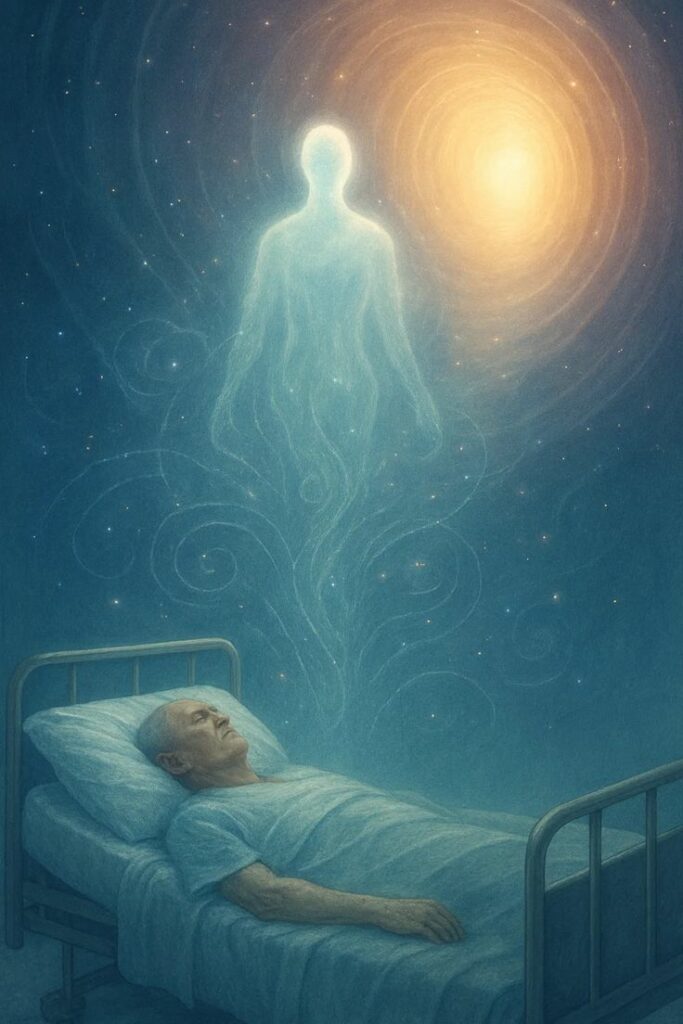
In our discussions of the afterlife, we have more than once said that the ultimate goal of this process is the attainment of the higher unity of the mind — the “Divine akh” (or jnana-kayya in Buddhism) — a state in which all experience is integrated, and dead ends are worked through.
At the same time, mind, deprived of support from “physical” sense organs, receives predominantly reflexive experiences — it lives within its own representations, images, and symbols.
Nevertheless, “behind” or “beneath” these experienced “mental images,” mind, relying on the posthumous body, also has access to the perception of the energies of the Intermediate state (which it interprets mostly in the form of “familiar” and habitual images), and at certain stages — to interaction with the manifest world.
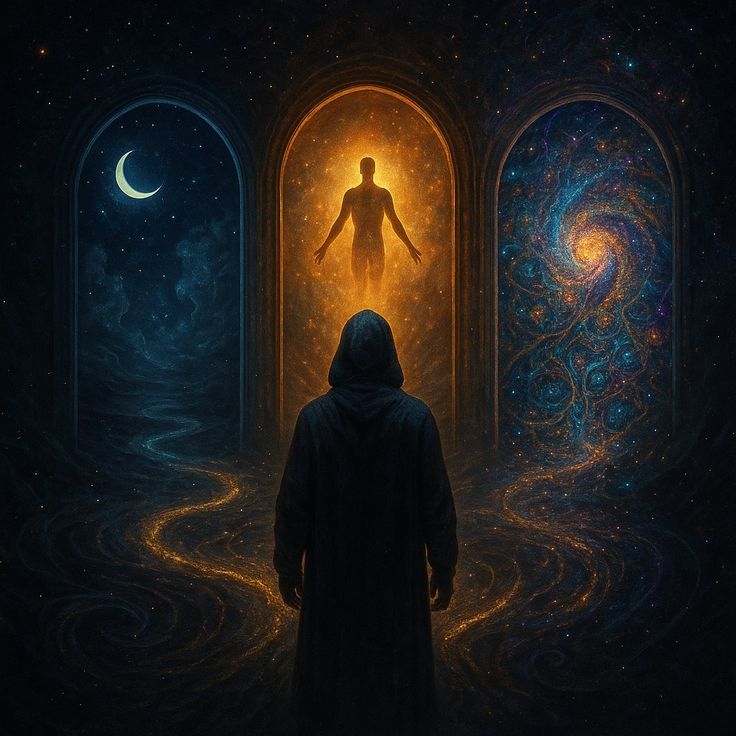
The first contact with the manifest world occurs soon after death, when mind is still in the “border” zone — the ether TEX — where it retains some connection with the dead body it has left and can perceive what is happening around it. We said that the Egyptians called this stage “Amenti,” “the West,” implying that the “soul,” following the Sun, moves toward the underworld, yet still “casts a glance” at the land it is leaving; and the Buddhists — Chikhai bardo, the “Intermediate state of dying.” However, already at this stage, substantial differences in the degree of awareness of different deceased are noticeable: many of them, unable to comprehend the very fact of their death, pass through further stages “automatically,” whereas for a minority the posthumous journey becomes an initiatory quest in which their evolutionary level may significantly increase.
After this short moment of seeing what is happening in the world (which most of the deceased, shocked by the very fact of their death, do not have time to fully comprehend), mind moves into the ether RII, or the posthumous space proper, Duat, and enters the main period of the afterlife — the Journey or Chönyi bardo. For the deceased this looks like a sudden avalanche of imaginal and symbolic scenes and experiences that engulf the mind, and by passing through which it must (or, at least, can) integrate its experience and attain harmonious wholeness — akh.
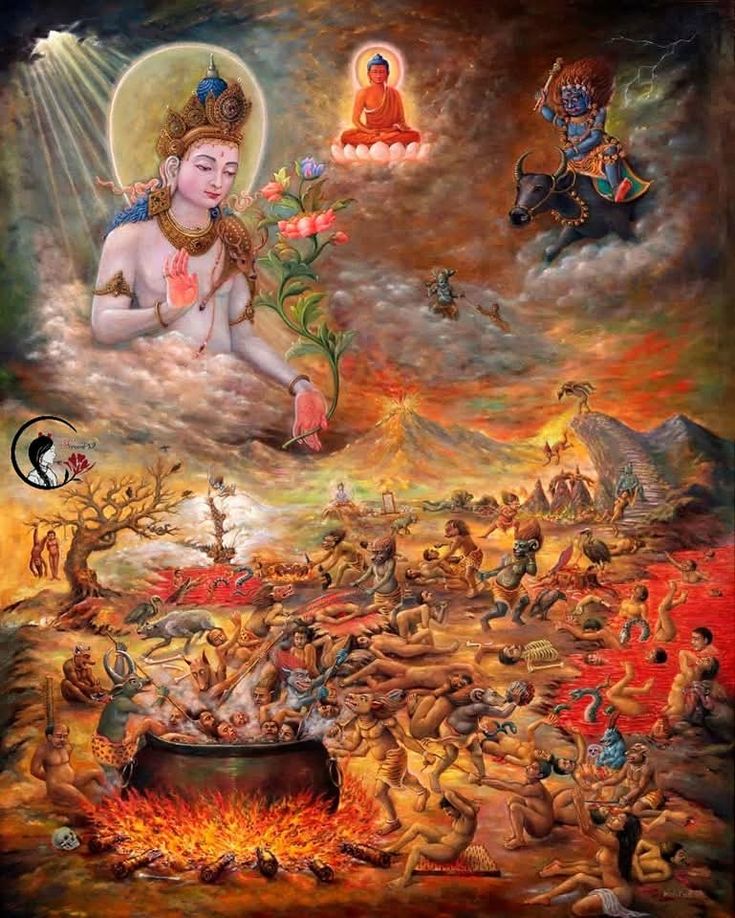
We said that this journey mind passes through in a disintegrated state, dividing its attention into two streams — perceptual and reflexive — ka and ba (sem and rigpa in the Tibetan tradition) — which in the end must each reach its own awareness, and then (ideally) integrate again into a higher-order system. Mind that has reached its wholeness in akh may either linger in the “Fields of Reeds,” blissful regions of the Intermediate state, or become a refa and settle in the Cities of the Interworld, or — within the limits of “karmic possibilities” — choose, across a fairly broad spectrum, the place and time of a new incarnation.
However, it is not hard to understand that only a small part of the deceased reach the state of akh, and for most the Journey and the Judgment end without integration of the mind. People (and often beings of other Life Waves) can be too strongly attached to their mistakes and obscurations, and instead of working them through, they defend their rightness, thereby making it impossible to go beyond the limits of the restricted being and attain the “logoidal” level of akh. In this case, the greater part of the energy of the afterlife — eb — is utilized by Amt — a being from the hierarchy of gallu; the experience of ba is absorbed by the “higher soul,” the “shadows” (shuit) go to the “Asphodel Meadows,” and the “remnants” of the posthumous body, on which the stream of mind now relies, “descend” again to the Crossroads of worlds, into the ether TEX, where they enter the stage of preparation for a new incarnation. It is worth mentioning that in the “Book of Going Forth” there is a scene where the deceased’s ka is cut into parts, each of which is responsible for a certain trait or deed. This can be compared to the disintegration of psychic streams in bardo that occurs when identity is lost.
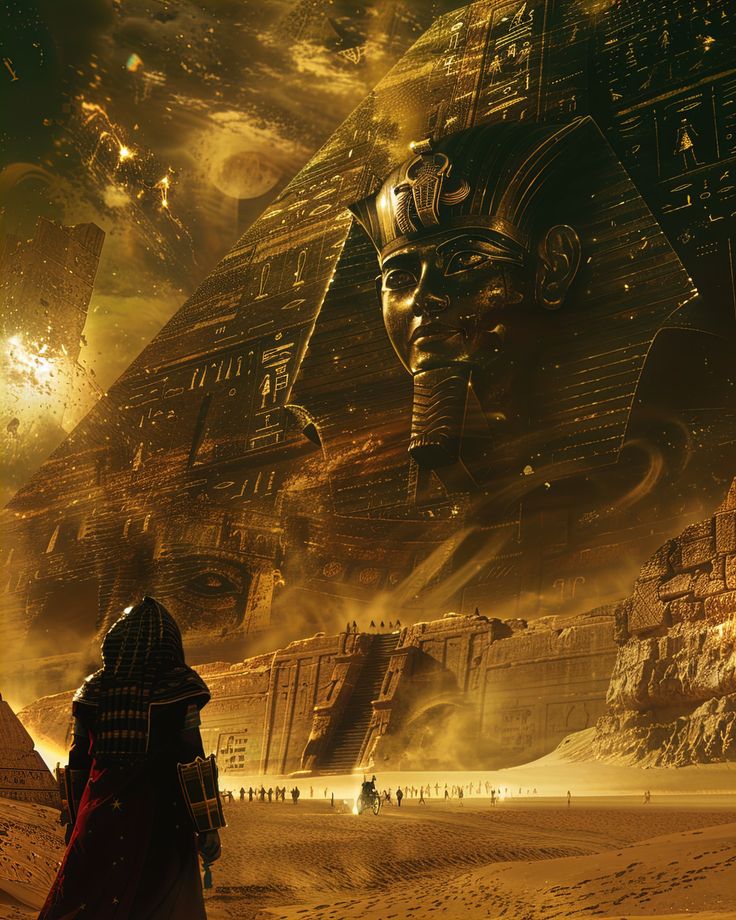
This stage of the “Book of Going Forth” is called “Astche-tetem-Ament” (New Land of the West) — a name analogous to the first a’at of Duat, thereby hinting at a “new going forth,” or, as the texts say, the “Second death” — that is, a transition from the state of the Intermediate state back to the state of life (the being dies for Duat and is born in a new world, but since it is still in Duat right now, for it this looks like a “New death”). And the “Bardo Thodol” calls this stage the “Bardo of becoming” (Sidpa bardo), and likewise considers it a preparatory stage for a new birth.
At this stage mind gradually comes out of those vivid images and experiences into which it was immersed on the “Field of Hills,” and regains a sense of self (more precisely, only fragments of memory and self-identification are now available to it), some scenes from its past life, and also, thanks to its “border” position, it can visit certain places in the manifest world. However, its memory is already fragmentary, and awareness is low-energy; it is as if half-asleep and therefore incapable of prolonged goal-directed actions. This is precisely why, although such ka often gravitate toward their former relatives and loved ones and try to establish contact with them, these attempts are usually short-lived and not particularly persistent; mind is easily distracted or forgets itself, enters the world and returns again to the Intermediate state, increasingly losing energy, and with it — awareness.
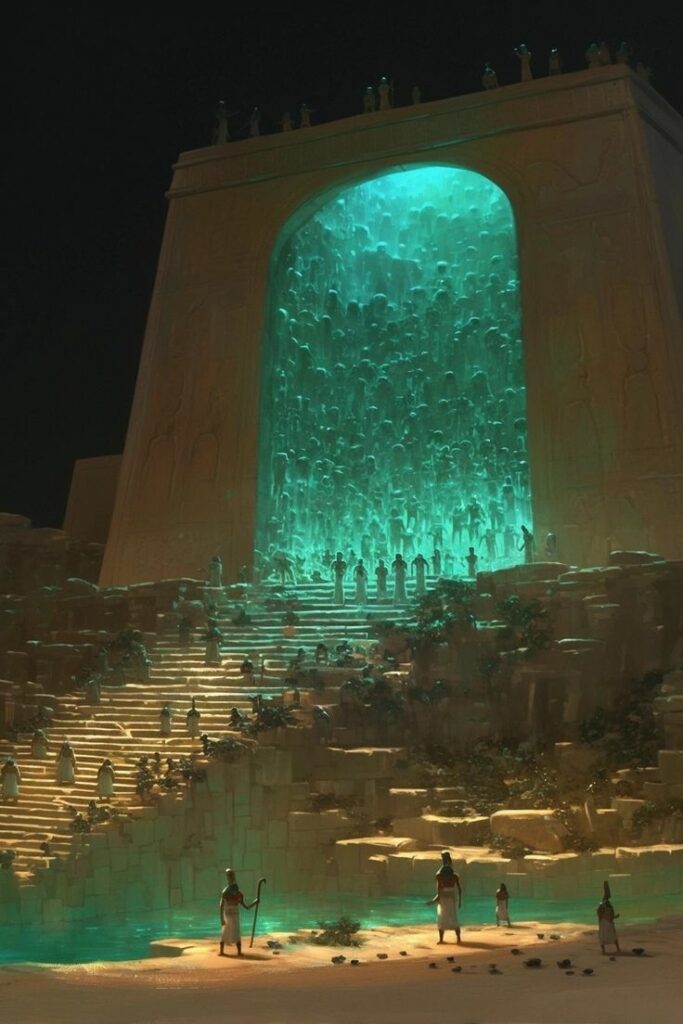
As self-fixation weakens, several possibilities for the further path appear before the elementer:
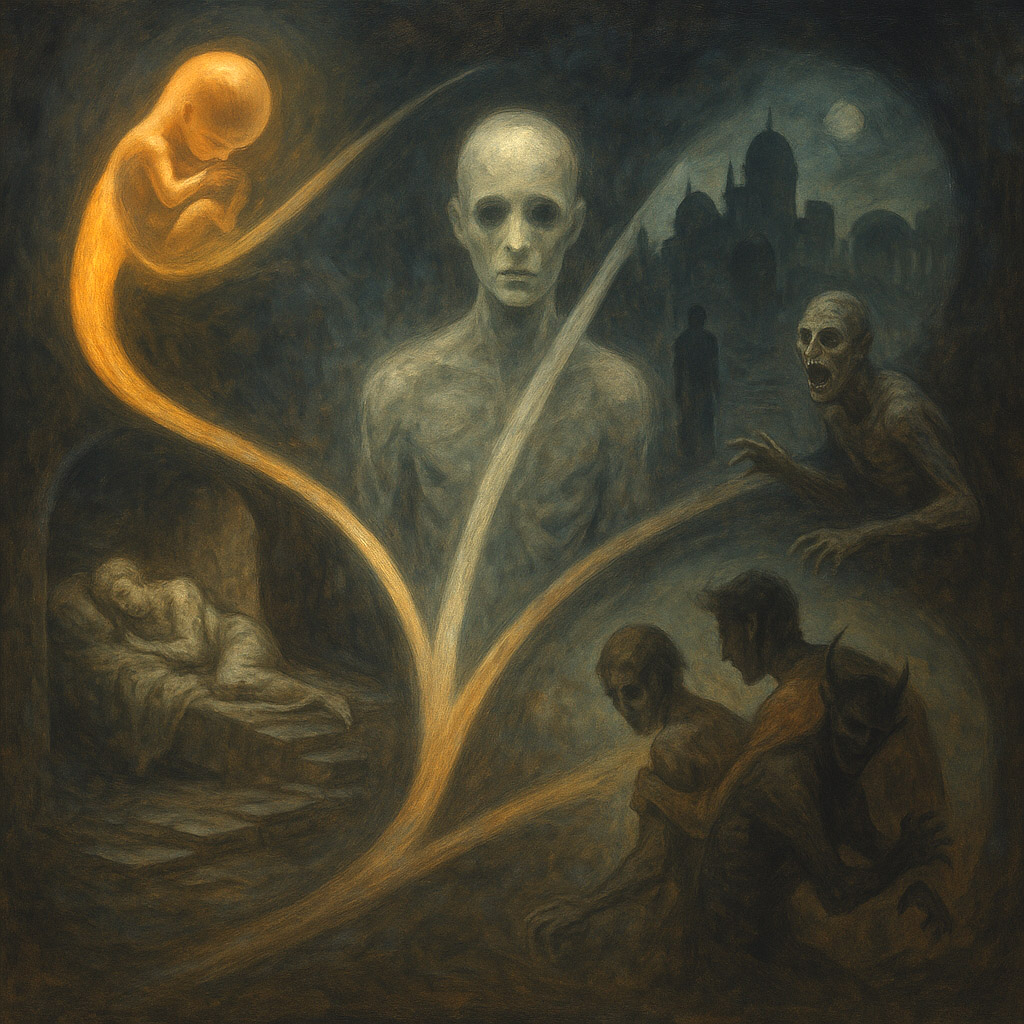
- Most, upon reaching a critically low level of energy, “experience a ‘second death’,” that is — mind leaves the remnants of its postmortem body and is “drawn” into an embryo in one of the manifest worlds.
- Another part, not finding karmically suitable conditions for a new birth, “becomes trapped” in the “Waiting Halls,” turning into a sleeping gandharva.
- A third part — finally “falls asleep” and moves to the “Cities of Lies,” where it watches “dreams” — reflexive remnants of khotemot accumulated over many incarnations, and completely forgets itself.
- Some of these beings, on the contrary, resist the transition to a new birth, clinging to the remnants of their identity, and turn into utukku — “wandering dead,” located in the Intermediate state, but gradually going mad and acquiring a predatory disposition, and seeking nourishment from worlds.
- And finally, a small number of the deceased do not enter newly forming bodies, but “attach” to already living, active beings, either parasitizing on them (by the mechanism of ibbur), or — displacing their own mind (as dybbuk).
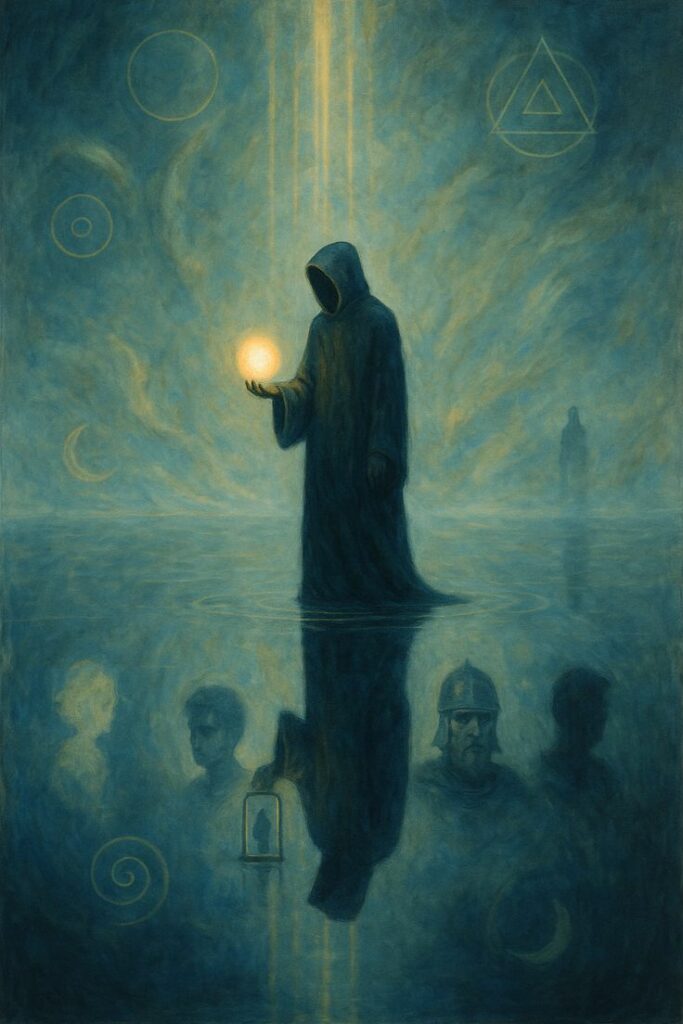
It is clear that only the first path is normal. The others, less common and more or less pathological, also deserve attention. We said that the system of the Intermediate state has developed quite a few mechanisms that maintain posthumous energy currents in a “normal” state, but in parallel with this, complex food chains have also formed, involving mind (and the energy it carries) in one or another “shadow” paths.
And therefore it is important to understand that the path to posthumous integration is not guaranteed, but requires significant inner work, effort, and ideally — preparedness even during life. Understanding the shadow trajectories of the afterlife indicates the need for practices of “vectorization,” ordering and orienting mind both in life and after death, opening the possibility for transcendence, an exit beyond the circles of birth and death.
Accordingly, the study of the paths of posthumous experience makes it possible to more thoughtfully comprehend the nature, essence, and goals of intermediate states. And in the conditions of the modern secular world, moving toward greater automation and mechanization, the restoration and refinement of “maps of the Interworld” can help in creating new integrative approaches to the dying, the dead, and the very phenomenon of mind that extends beyond the body and time.
Absolutely fascinating. If I feel just a weak breath of the interworld, you, Master, are calmly orienting in all aspects of the other world. Your vast experience is very interesting and important, I think for all thinking people. Thank you.
Thank you