
Feeding Strategies of the Creatures of the Interspace. Part 2. Elementers and Elementaries
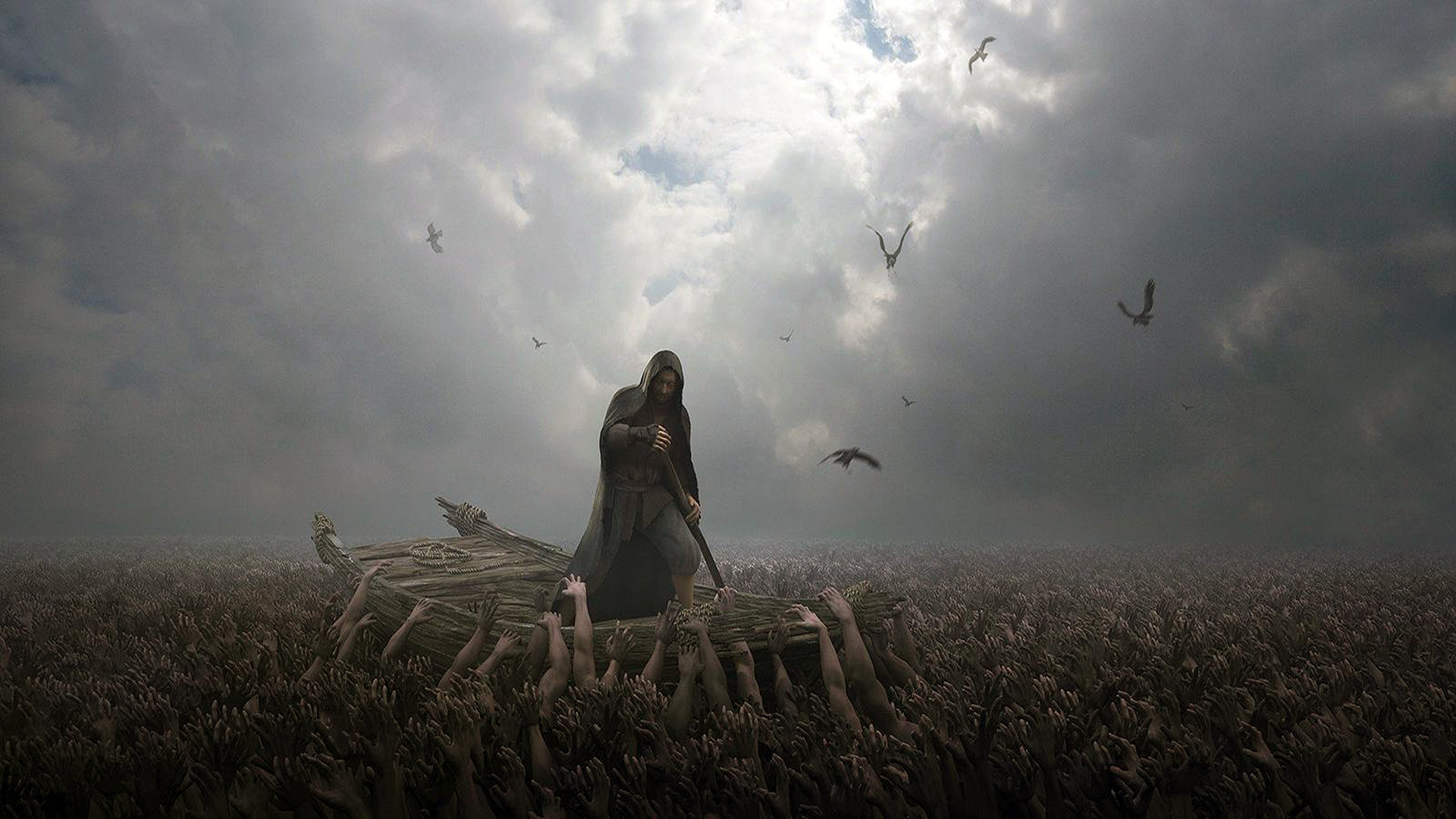
We may indulge as much as we like in the idea of humanity as the “pinnacle of evolution,” master of the cosmos and the “highest” predator, yet since the dawn of humankind Magi warn: people are not masters of their energy, they are food, a resource for the existence of innumerable consumers at every energy level. Such a role as “creatures to be milked” hardly matches the conventional rosy notions of universal harmony, but from the standpoint of Magic, it’s a more sober view of that “harmony.”
As we have already discussed, the Myth we are considering describes a world of universal consumption using predator–prey and producer–consumer terms, and divides all consumers into three groups: 1) consumers of bodily resources (predators from any of the worlds), 2) consumers of “life” energy, and 3) consumers of “psychic” energy. The bulk of the consumers in the second and third groups reside in the Interspace — the space between worlds — where energy exchanges at those levels take place.

Since Interworld lacks its own resources, all sources of nourishment available to its inhabitants must be drawn from the worlds. Living in the “lower” layers of the interspace, Elementers and Elementaries typically cannot absorb the “red” light and employ only life force, pneuma, taken from their victims — other residents or transients in the Interworld — as well as from inhabitants of the worlds.
However, while hunting other creatures of the Interspace is an ordinary feeding strategy, no different from obtaining food in the worlds, obtaining energy “from outside” presents certain challenges. At the same time, it is not hard to see that the worlds are the main suppliers of energy for the Interworld, since the amount of energy obtained from them can be vastly greater than what can be gained by hunting in the “empty” spaces of the Interspace.
Therefore, the predators of the Interworld face the task of gaining access to the “living bodies” of their victims; this requires, first, establishing contact with them, and second, breaching barriers around worlds and their inhabitants.
The first task is achieved by deliberately luring creatures into “borderline” states or by lying in wait for them there.
As we have said, a creature’s mind finds itself in the Interspace in three situations: in trance, in dreaming, and in the afterlife. The degree of penetration into the Interworld — and, accordingly, the accessibility of energy to its inhabitants — varies.

Clearly, full immersion in the bardo after death makes a being a full participant in its food chain — either prey or predator. However, more often the process of disembodiment, guided and controlled by the “spirits of death” — gallu (yamas, shindje) and namtarram — happens fairly quickly and does not provide much feeding opportunity.
The exception is the Elementers, “stuck” in the Interworld for one reason or another, whose sad fate we have already discussed.
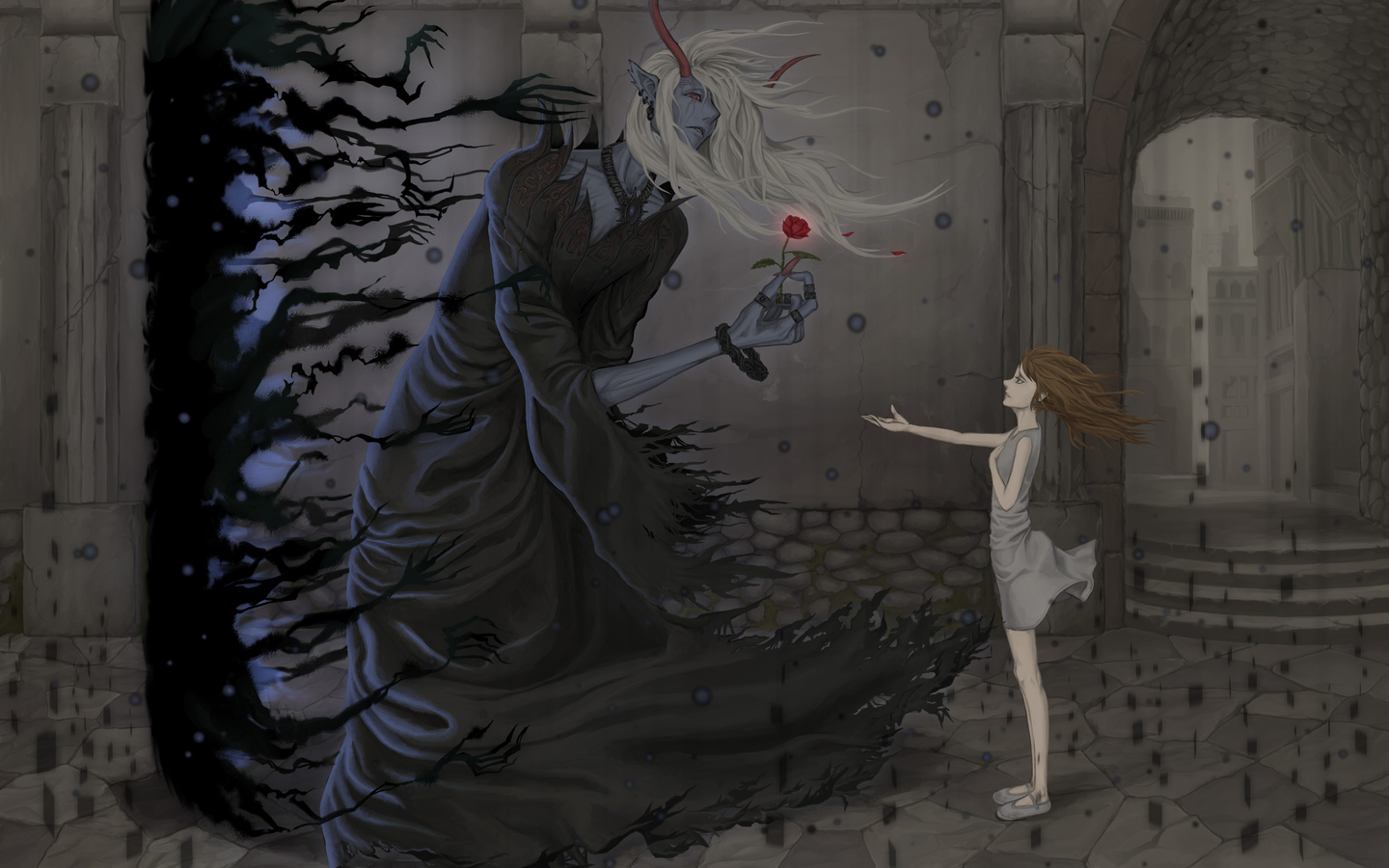
However, the primary “food base” for the inhabitants of the Interspace remains the living denizens of the worlds.
Most likely, the “empty” spirits have largely adopted feeding strategies from their “elder” neighbors — Demons — since they usually operate according to the same scheme, “adapted” for the “blue” light: they provoke beings into generating and dispersing large volumes of energy, most often emotional in nature (although, for example, the Rephaim prefer more complex energies). But whereas Demons aim to cause beings to first generate and then release libido, Elementaries only need to provoke an outflow — anger, lust, suffering — any form of emotional tension.
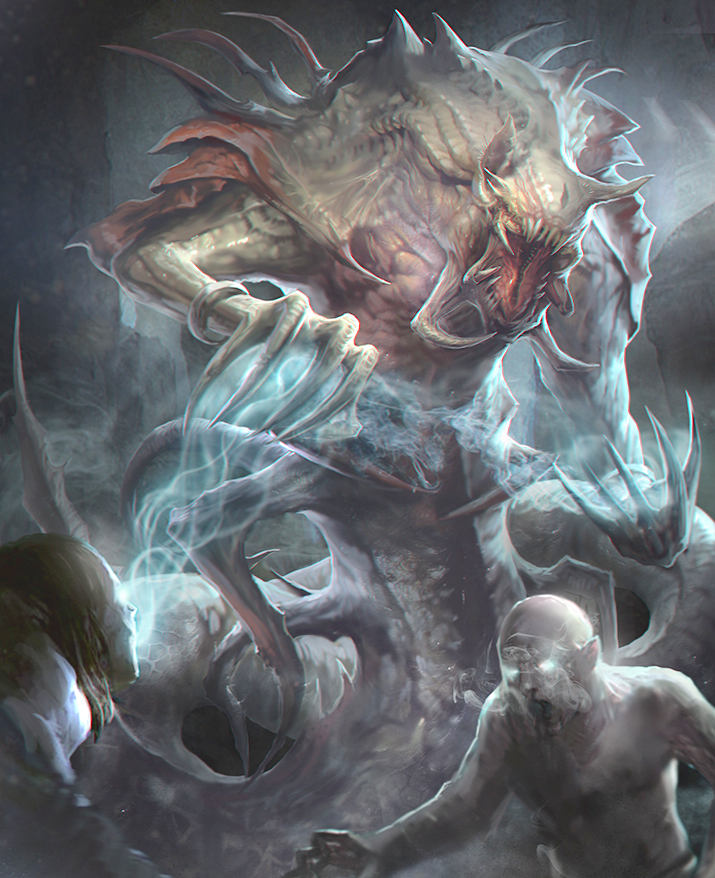
Accordingly, the “empty” spirits act more directly, less subtly, and more offensively. In fact, most often their approach is that of a thug in a dark alley: scare and take.
The second strategy — seduction — describes spirits that feed on basic sexual energy. A number of incubi and succubi are of an elemental nature; they can be recognized by the more basic sexuality they awaken: unlike “larval” entities, Elementaries alyali and zangpo are geared toward quick arousal and sexual release; the images they evoke are simple, and the energy losses are relatively small.
The third strategy — deception — is the most dangerous. Elementaries pretend to be “friendly” beings, claiming the role of “guides,” “protectors,” or “teachers,” drawing a victim’s imagination into the depths of the Interspace where, once again, they drop their masks and appear in their thug-like guise.
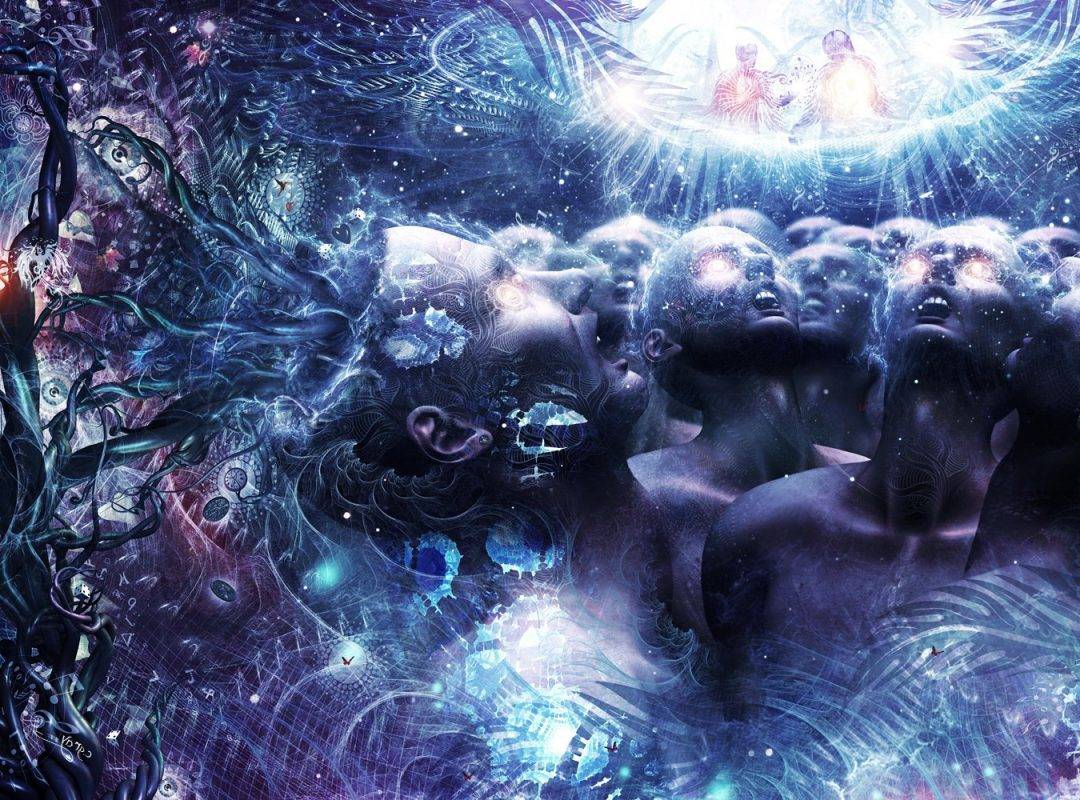
Unlike Demons, who are interested in the long and productive life of their victims (the possessed often exhibit especially good physical health), Elementaries seek only to satisfy their hunger in a single encounter, and therefore their attacks are usually accompanied by physical, emotional, and mental weakening of the victim. It is precisely by this criterion — physical weakness, illness — that one can easily distinguish the effects of the two groups of predators. Some of the empty spirits, for example the so-called “nyen” (Tib. “dangerous”), are so hungry for life energy that they can cause chronic pathologies, including cancer.
As mentioned, one significant danger awaiting practitioners of “dreaming” and “astral projection” techniques is encountering “empty spirits.” The capriciousness, maladjustment, and occasional aggressiveness that often develop in such “practitioners” are frequently caused by energy losses due to unnoticed attacks by predators.
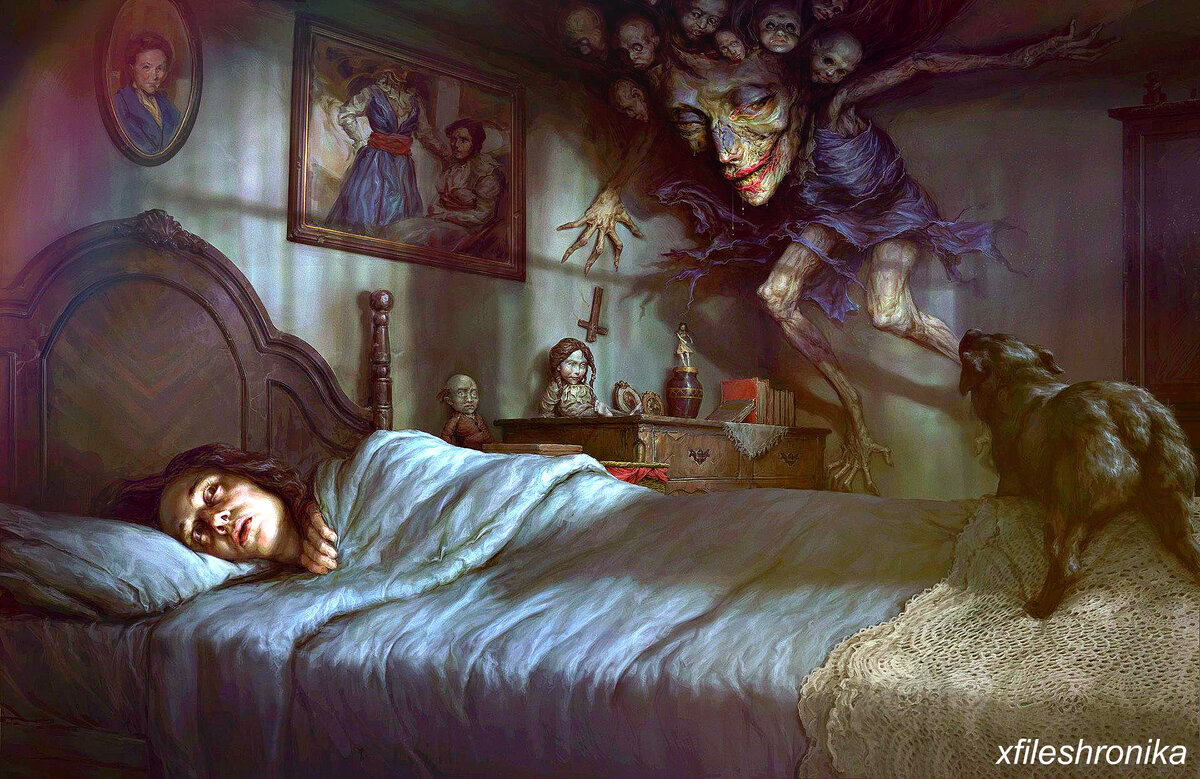
The ability to maintain the integrity of one’s energy flows is the most important condition for a Magus’s effectiveness. In any case, shamanic healing techniques of “exorcism” against harmful spirits, while of course not a substitute for modern medicine, can sometimes substantially assist therapy by addressing root causes of physical pathology. Stepping into the dark, a Magus must be prepared both theoretically and practically; he must know what dangers await him there, how to defend against them, and how to treat infections. Neglecting such preparation can have tragic, sometimes fatal consequences.

Very important information. Thank you.