
Gandharvas — Awaiting Birth
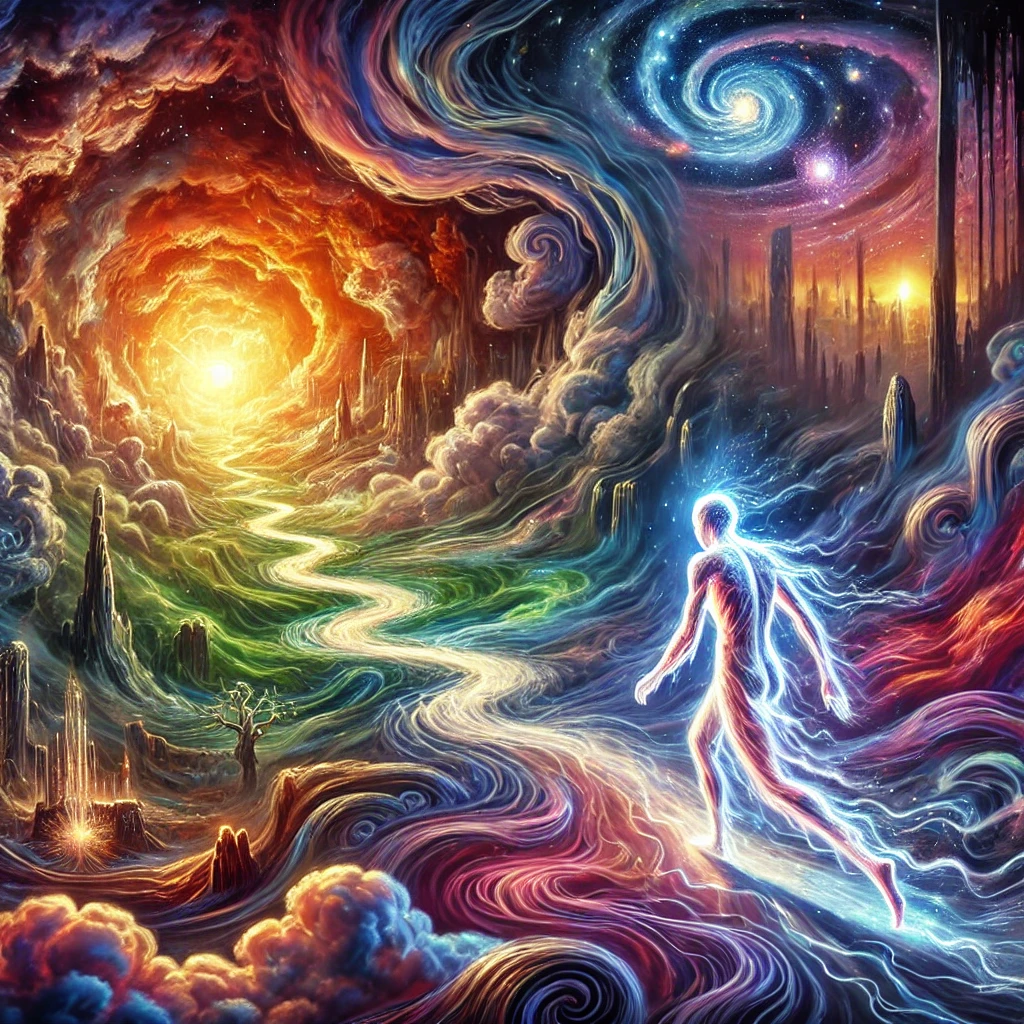
We have already discussed more than once that the passage through the afterlife is a complex process with two goals: assimilation of the experience gained and shedding the energetic burden accumulated through diverse and often chaotic interactions during life. At the same time, the main danger of this process is becoming “stuck” in it, which leads to a loss of mental clarity and the transformation of an elementer into a hungry spirit — an utukku. However, there is another danger in the postmortem process: the mind entering an unsuitable body, to which hunger and overall clouding can also lead. Let’s examine this in more detail.
Most often, at the end of the Postmortem Journey, the elementer immediately enters a world for rebirth for a new birth. However, it is also common for it to have to “wait” until conditions and circumstances suitable to its nature come together. Such a “waiting” elementer is usually called a “gandharva” (Tib. dri za, Lat. animula, animulae).
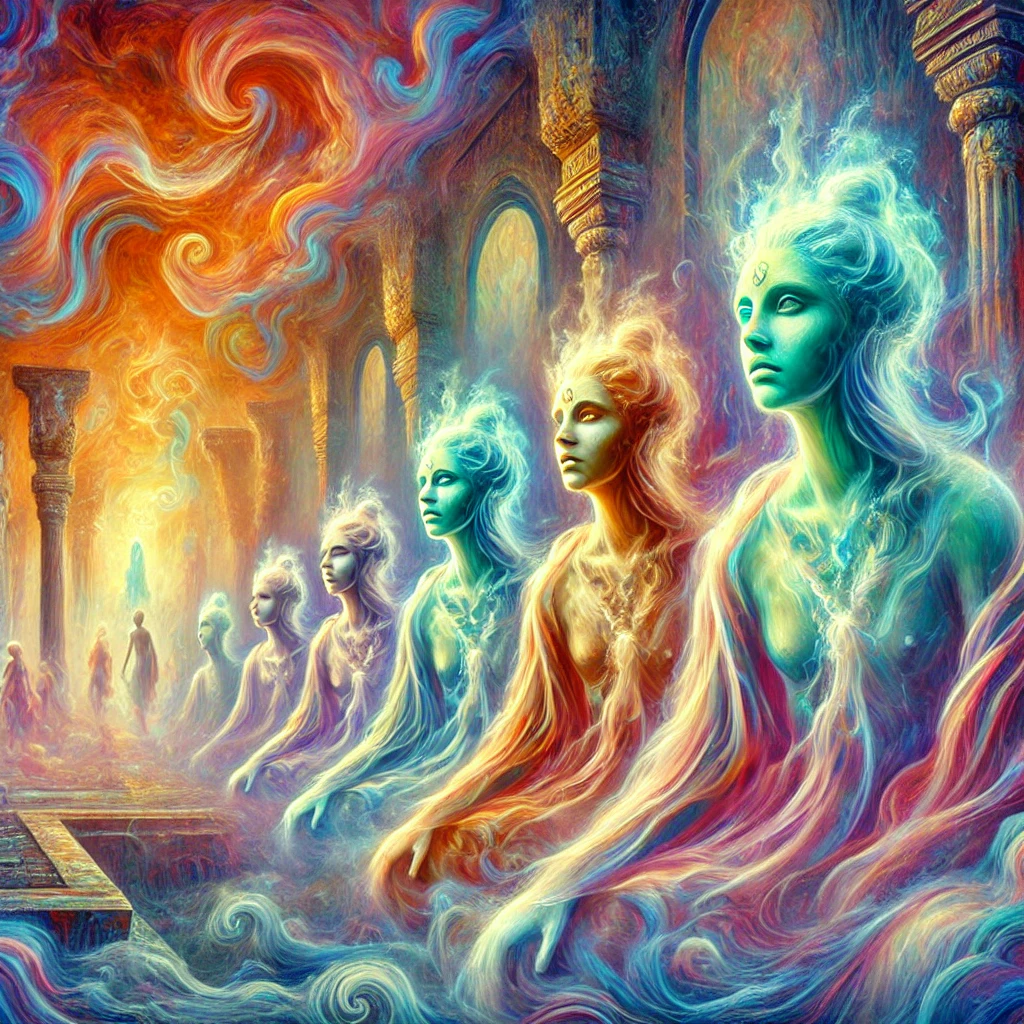
Note that in Eastern mythologies the word “gandharva” also denotes a class of minor deities of the aerial realms, who dwell in the worlds and perform supporting and organizing functions there.
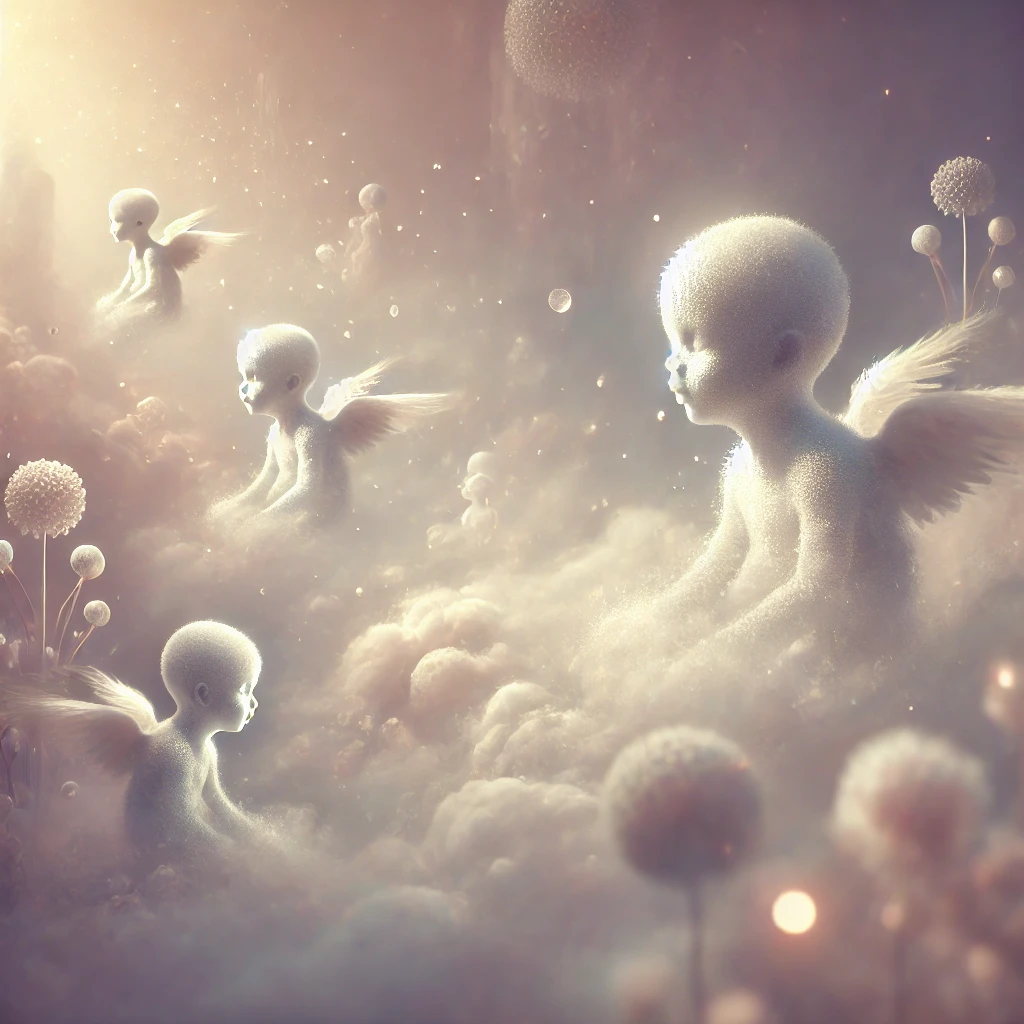
A special category of animulae comprises the souls of deceased infants or those who were not initiated into religious rites. These elementaries, lacking life experience and time to gain awareness, also become stuck as animulae or turn into poltergeists.
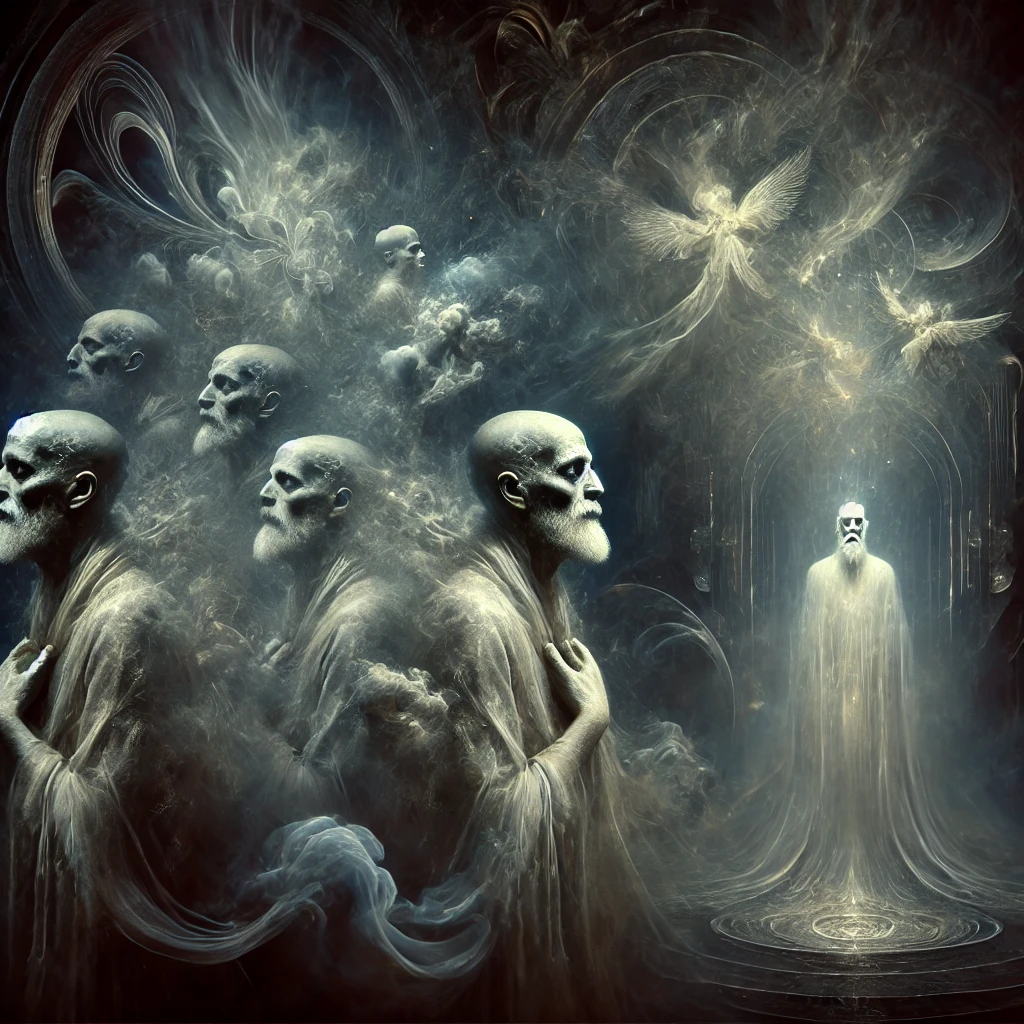
In the Interval there are special areas — a kind of settlement inhabited by gandharvas — which serve as “waiting halls,” and it is believed that their energy is supplied by the smoke of sacrifices and, in general, by energy-rich scents and incense (the very word “gandharva” means “fragrant”). Outwardly, they resemble semi-transparent halls filled with smoke and mist, where it is difficult to discern clear boundaries. Visually, they can look like endless spaces with blurred contours, where it is hard to determine “walls” or a “ceiling.”
Animulae need to find a place and a body that correspond to their level of awareness, energetic qualities, and specific karmic challenges, which complicates the selection process.
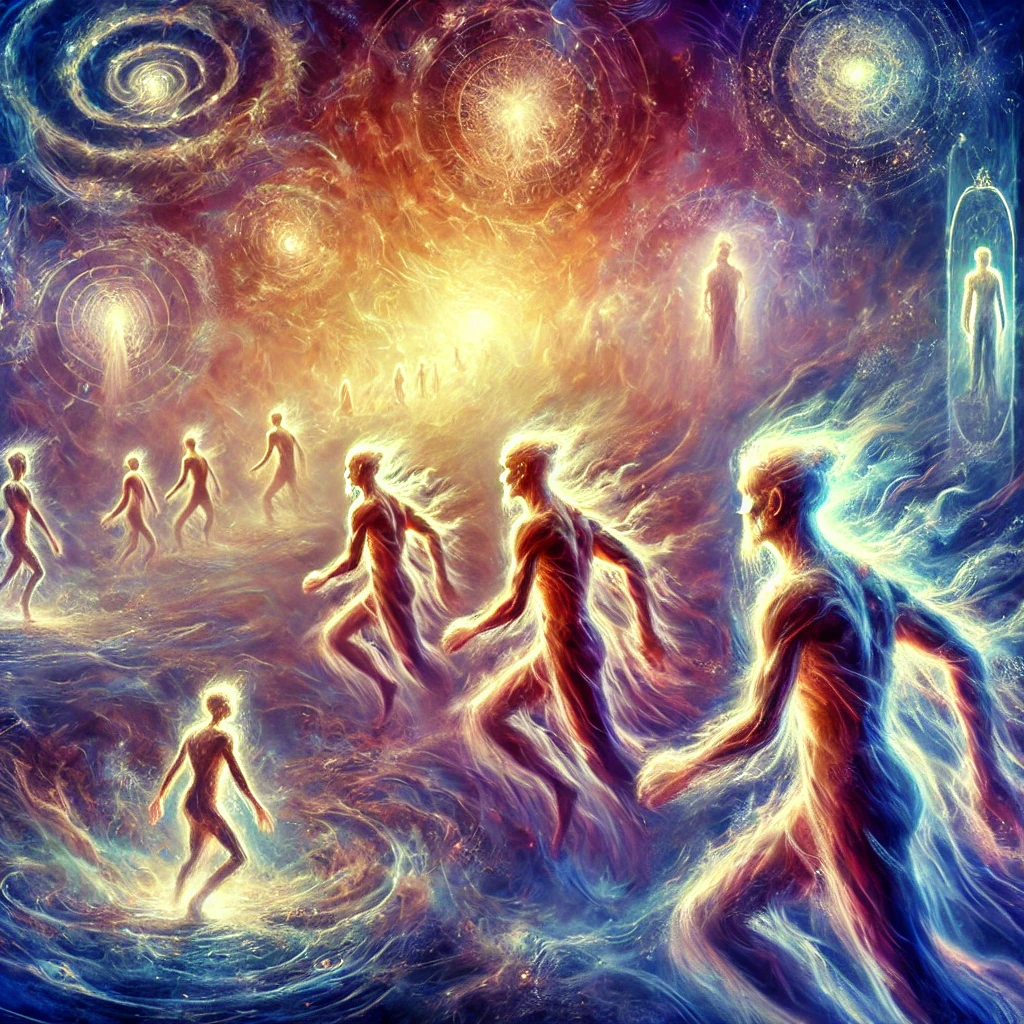
The minds of animulae are clouded; they are consumed by the search for a “suitable womb” and, if they have difficulty finding one, gradually begin to experience hunger and, in an environment lacking nourishment, may either choose an “unsuitable” incarnation or become bitter. In this case, the tasks of this stream of consciousness remain unresolved and require additional rebirths, which makes the process more complex and prolonged. Those who are able to maintain self-control and avoid bitterness have a better chance of waiting for truly suitable conditions.
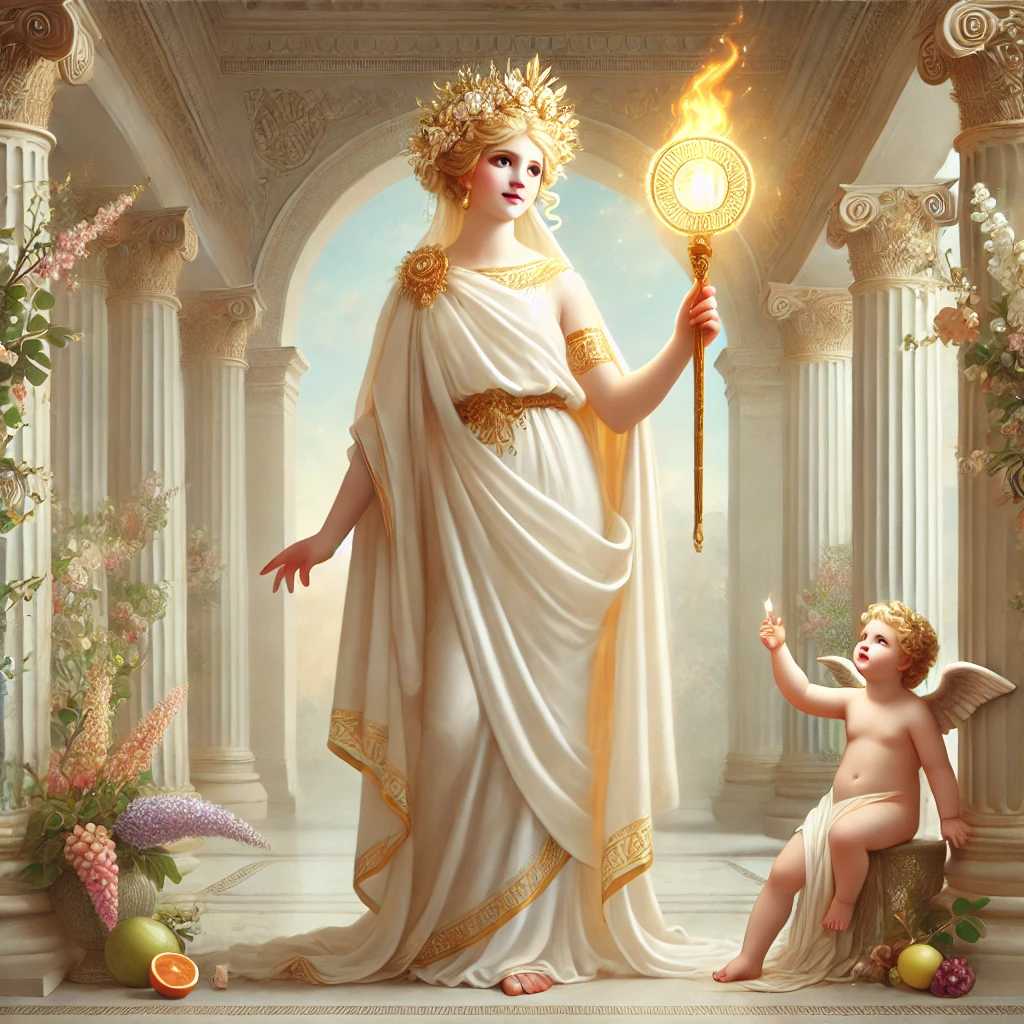
To minimize the delay in gandharvas’ waiting, they are assisted by some of the “maternal” forces generated by the Space of the Interval itself — the so-called Disas or Lucinas. The latter were usually depicted as women holding a torch or candle, symbolizing the light they bring.
The inconstancy of worlds makes the search even more difficult and requires gandharvas to have a keen sense and an intuitive approach to choosing the moment for incarnation. However, for most, waiting turns into a painful process, especially if suitable conditions do not arise for a long time. This feeling is intensified by the overall mood in the settlements, where each spirit experiences anxiety, adding a particular gloomy atmosphere to the general atmosphere.
Thus, successfully passing through the bardo depends to a large extent not only on the state of the elementer’s mind itself, but also on the “karmic burden” it has accumulated, which can in turn become an obstacle to the successful continuation of the cycle of reincarnation.
Hello Enmerkar! How should one correctly perceive the beings of the interval? How correct is the feeling that the war has taken a lot from the quantum integrity of the world and placed myriad souls in the interval, without the possibility of Incarnation? Is the media interested in maintaining the state of the Interval? Can we stimulate the Gandharvas for incarnations by conducting training and promoting the ideas of Sequential Growth in Intention that attracted people to the meeting?
Hello! Yes, in war, the number of dead souls is always much greater than the number of killed bodies; hatred, malice, hypocrisy – this is a weapon more dangerous than guns and missiles. And, of course, the Interval is flooded with crowds of such maddened souls, who were already demonized in life. And even attempts to prevent this are criminalized and punished, so I think the question here now is about the personal inner war of each: not to succumb to hysteria and hatred, not to spread suffering – that is, just to be a living and mentally healthy person is already a true feat today.
Enmerkar,
Is the criminalization of attempts to resist the inability to access higher energies by casting a ‘criminal’ shadow on the use of the doors?
War is always a huge source of energy drain into infernal spheres, a source not only of incredible enrichment for manufacturers of weapons, ammunition, and the like, but also a source of equally abundant ‘feasting’ of demonic entities. Just as human warmongers are interested in its expansion and continuation, infernal inspirers and drivers strive to amplify energy outflows. If a person ‘externally’ tries to resist war – he is declared a traitor and a deserter; if he internally desires it – he is hit by the press of propaganda and demonic influences. So both external criminalization and internal dumbing down are selective techniques, methods of maintaining a person in the role of a resource and expendable material.
I agree tolerance during war is no less important than during an epidemic. The only question is whom to consider close?
Is there a trace of an unsuccessful choice in consciousness? For example, the feeling that you should not be here and that you would not want this, could be a consequence of the choice described in the article?
Any choice directs the life path in one direction or another, and what gets stamped is not the choice itself, but the state that compelled one to make it. And regrets, emotions – these are matters of interpretation, relations; they are largely situational and unstable.