
The Gaze from the Ark: The Universe of Meanings
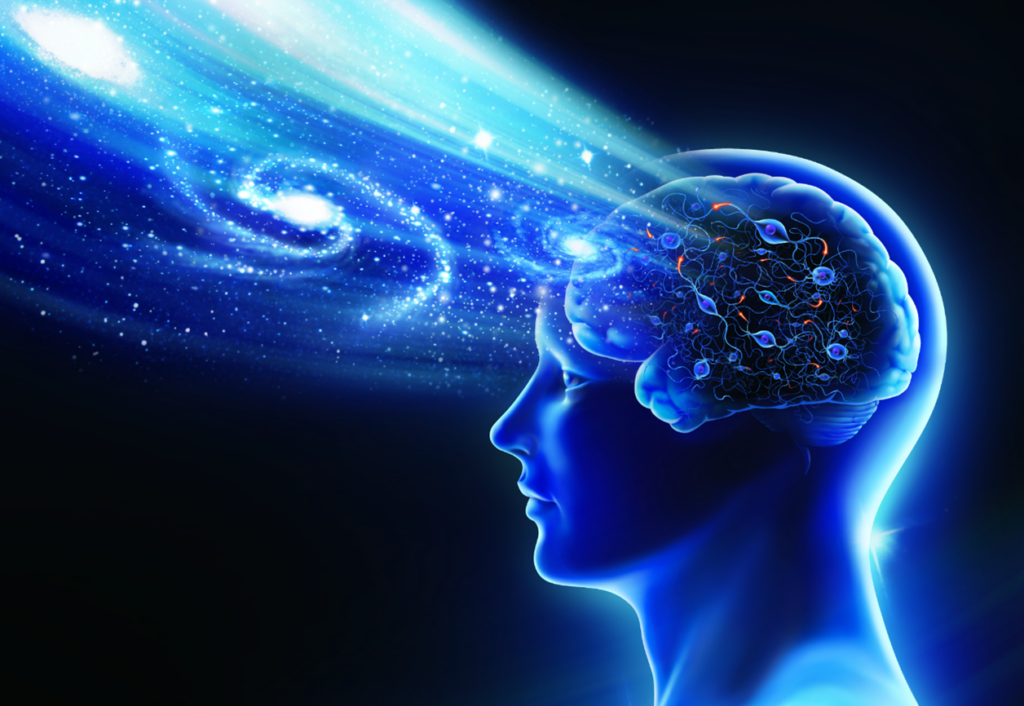
From the earliest stages of studying the structure and functioning of the human mind, two fundamentally different aspects were distinguished within it:
- “Pure reason,” that is, mind “in itself,” which the ancient Egyptians called “ba,” the Greeks “nous,” and the Indians “buddhi,” and
- “Conditioned reason,” that is, mind that relies on subtle vehicles; it was called, respectively, “ka,” “logos,” or “manas.”
Such a division was not merely philosophical or speculative; it was quite practical because it explained and organized two kinds of experience available to a being (that is, an integrated stream of consciousness — “akh,” “psyche,” or “chitta,” respectively):
- the perception of meanings, “informational” or “eidetic” experience, and
- the experience of perceiving objects, products of description based on empirical data.
Today, such a division is not made often, although it is precisely it that would help one see more clearly the two mentioned layers or “hypostases” of reality: reality as code and reality as image.
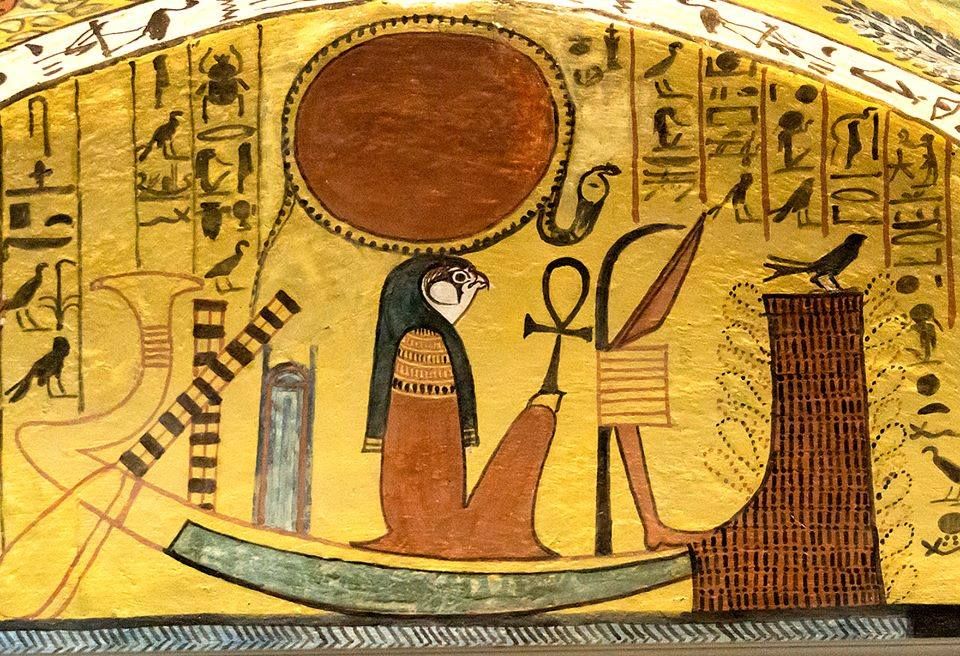
The ancient Egyptians advanced further than others in understanding such functioning of the mind, which they, in their customary manner, figuratively expressed as “Two journeys of the soul”: “the path of ka” and “the path of ba,” described in detail in the corpus of the “Books of the Dead.”
Eastern, in particular Buddhist, schools also taught about this from antiquity, and when, for example, they say that “the six-syllable mantra is Avalokiteshvara himself,” they mean precisely this semantic level of existence.
In fact, all Nominative Magic is based on this implied, but often not clearly formulated, notion of a “Universe of meanings.”
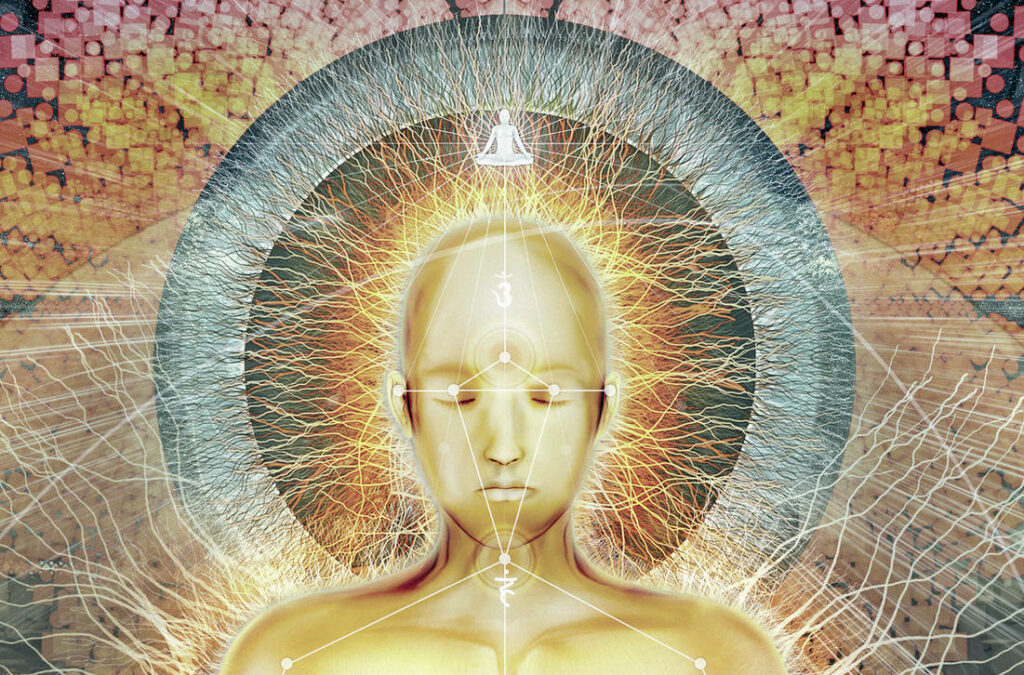
Although modern man lives mostly in the world of images, interaction with the “underside” of the universe — whether it is the Interlude or the program code of digital environments — also opens up to one the second kind of experience: the perception of meanings.
The systematic study of this level of perception in Europe began with the interest in cryptography, which spread in the Renaissance and, among other things, led to the emergence of the so-called “Enochian Magic.”
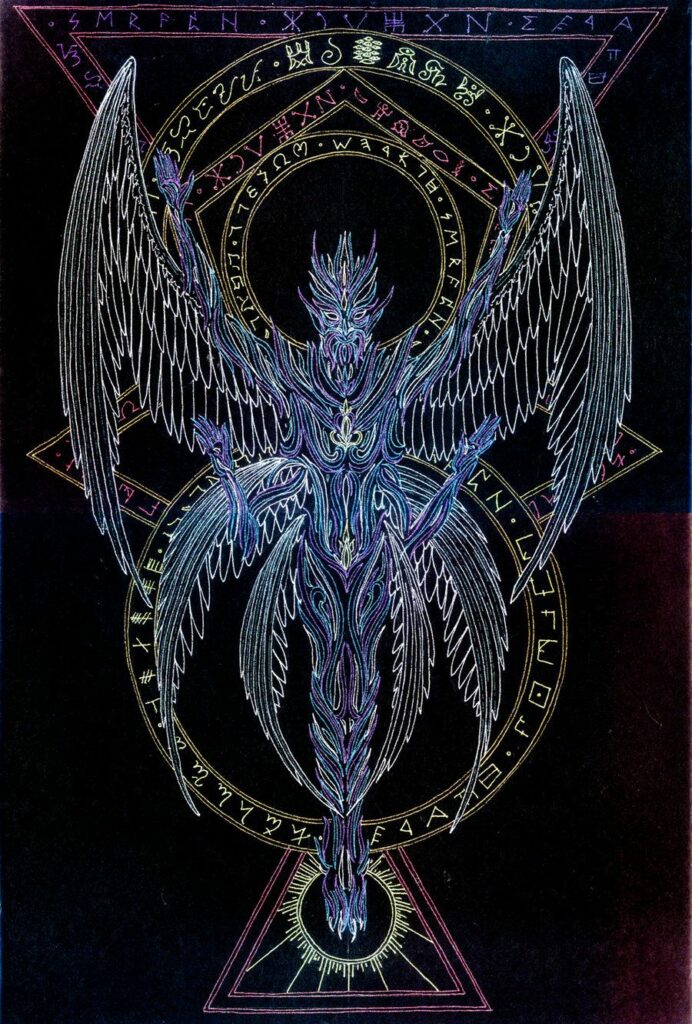
However, the development of such systems for accumulating and systematizing the experience of “semantic vision,” unfortunately, often occurs isolated from the broader magical discourse, as a result of which it gives the impression that this is some kind of “other” system of description, and not simply another way of seeing.
For example, the images from the “angelic” visions shown to Dee and Kelley, or experienced by A. Crowley in his Ascent through the “aethyrs,” often do not align with the experience obtained by visionaries (of course, provided there is careful verification of the data) using other approaches. However, such “inconsistency” is precisely the result of relying on different systems of perception, and therefore, in fact, different “glossaries” and compilation mechanisms.
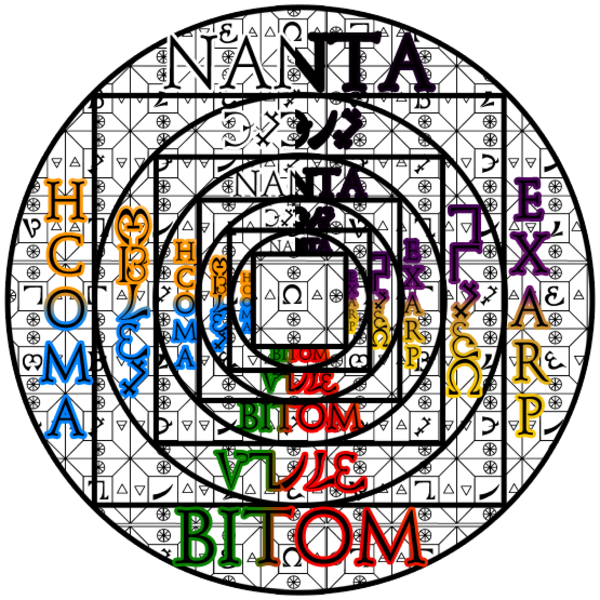
At the same time, it is clear that both modes of perception, both systems for gathering and interpreting experience, are important at least for successfully completing the posthumous journey. It is also necessary to remember that the primary stream of perception in the Interlude, as in manifested worlds, relies on subtle vehicles, that is, the experience of images, the experience of ka. Nevertheless, the experience of meanings, the “vision of ba,” which in the afterlife develops less dramatically and more orderly than the “journey of ka,” must also be taken into account. It is in the “language of meanings” that initiatory forces speak, and therefore passing the corresponding thresholds of development requires knowledge of “names and passwords,” understanding that code which is “compiled” into images.
Accordingly, a successful Magus must be able to work with both streams of perception, to be able to compare and analyze them, much as a good programmer must understand both frontend and backend of their product.
Thank you, En
What exactly is meant by meaning at the end, in this article? The concept is extremely vague. For me personally, meaning is an interpreted thought, a product of logos. Thought is a separate theme. But briefly, the core of thought is a paradox, for example, can an omnipotent god create a stone that he cannot lift? Or Heidegger’s question ‘why is there something rather than nothing’?
By ‘meaning’ is meant the informational component of the universe, that is, the property of energy (the elementary object of knowledge), which, upon contact with the knowing consciousness, leads to the emergence in the latter of a certain image or element of description. For example, the Universe can be considered not only as an object that develops over time but also as a structure that contains information at its core. This suggests that at some level, reality is arranged in such a way that certain structures or processes in it are potentially ready for interpretation. Thus, meaning is something that arises naturally when systems become complex enough to contain thinking observers.