
Asphodel Meadows
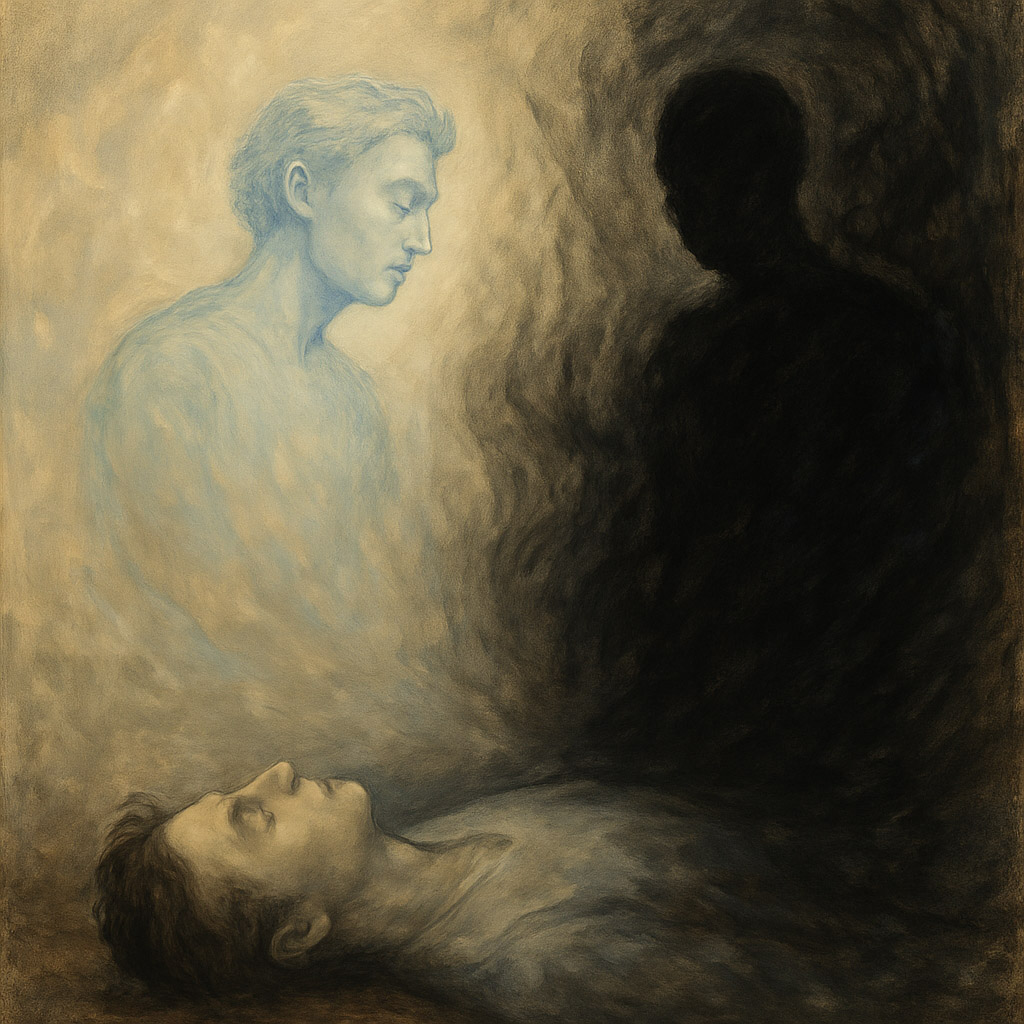
We have repeatedly said that the traditional view of the afterlife, its stages and consequences differs quite strongly from popular notions.
One of the most essential differences is a clear distinction between the concepts of the “elementer” as a psychophysical complex carrying the individuality of the disembodied stream of consciousness, and the “ghost” as an imprint of unbalanced impulses and aspirations (generally known as the “shadow”), accumulated during life.
From a “physical” point of view, the elementer is the body of the afterlife, carrying the same stream of consciousness that was embodied in a “full-fledged” being during its life; while the ghost (or kush-ha-guf) is the remnant of the living body, preserving memory imprints, a semblance of sentience, and possessing some activity of its own.
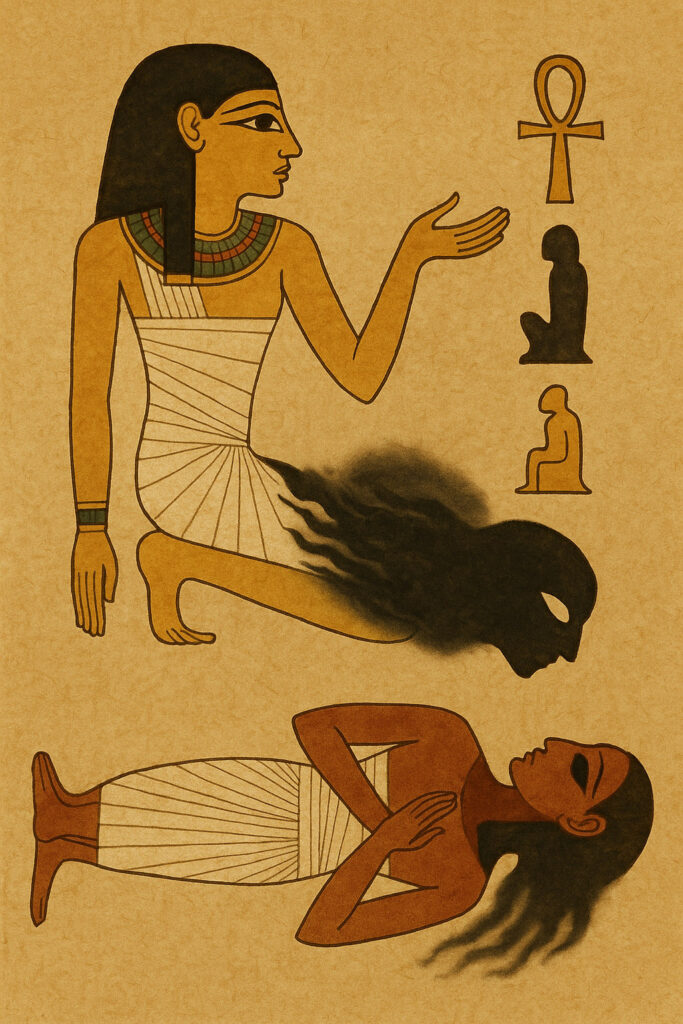
We discussed that during the life of every being, any unrealized volitional impulse, any unfulfilled desire, attraction, or aspiration is retained in the “body of desires,” the vortex structure of the being in the form of special tensions, imbalances, which are united into a single energetic “structure of unrealized impulses” — the shadow.
Thus, after death, a being that is no longer integrated by a single physical body splits into two components — the “soul” as the repository of experience, of what one managed to become aware of and live through, the elementer proper, and the “shadow” as the repository of what one did not manage to live through.
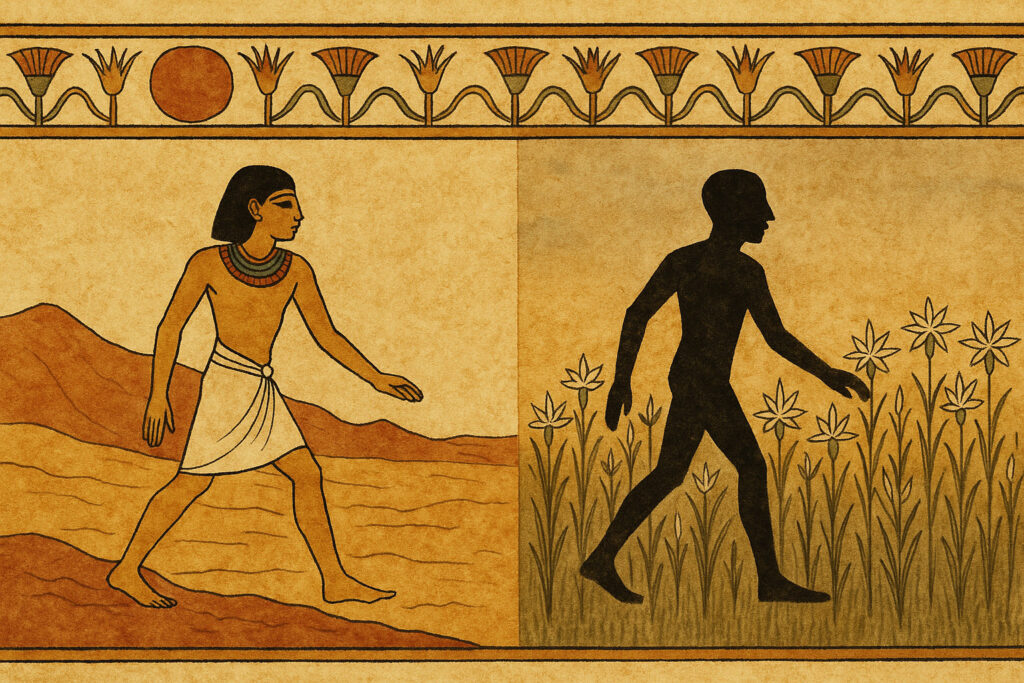
Nevertheless, for an “external” observer these two postmortem forms often prove difficult to distinguish, and therefore they are often confused or mixed. The subjective experience of encountering, for an ordinary living human, both an elementer and a ghost can be very similar, especially shortly after the death of their “source,” and special experience or skills are required to tell them apart.
As one passes through the afterlife, the elementer either dissolves, assimilating the lived experience and transferring the mind into a new incarnation, or, if something prevents this dissolution, it “gets stuck” in intermediate spaces, turning into an utukku or into a Rephaim. The shadow, however, can exist for a very long time, and depending on the amount and properties of the energy contained in it, it either “is drawn” to the new incarnation of the given stream of consciousness, acting as one of the carriers of its “karmic burden,” or it remains in the Interval, existing there alongside other imprints and residual energetic structures.
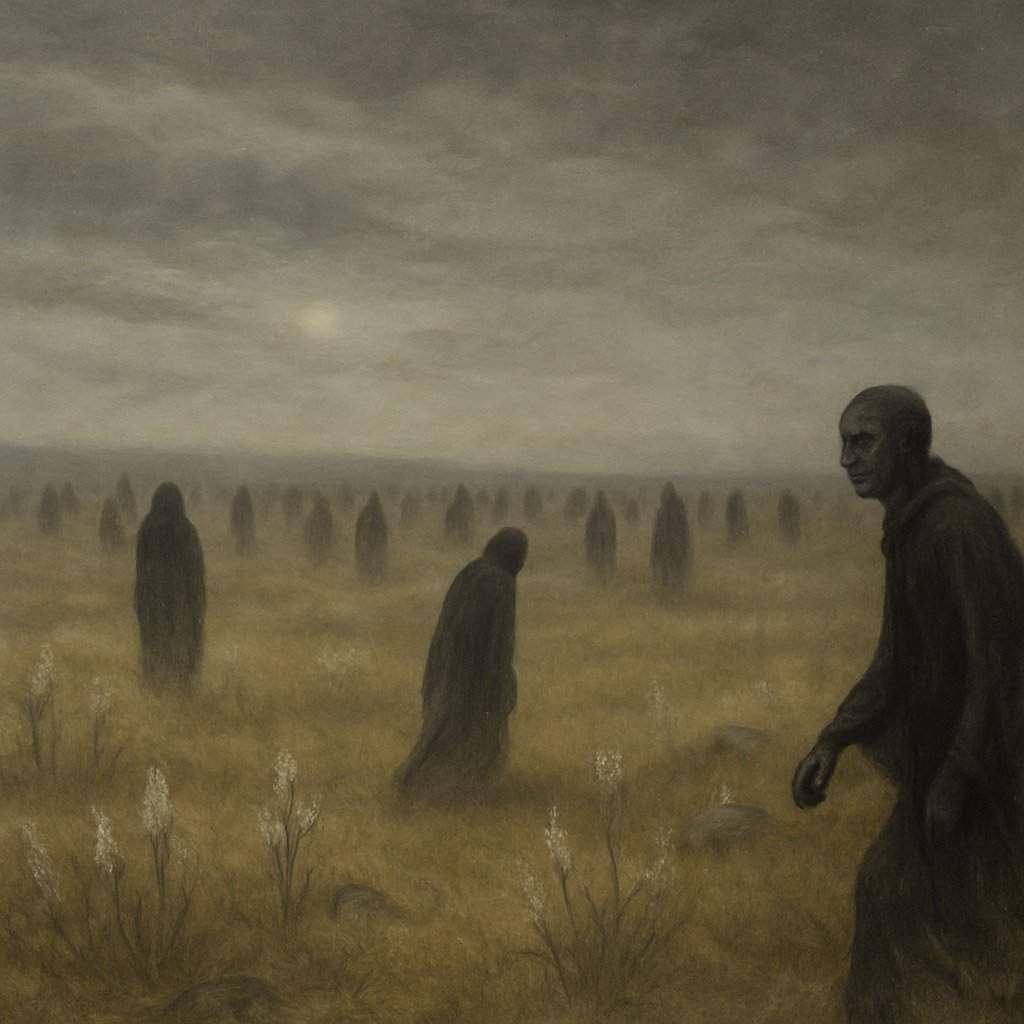
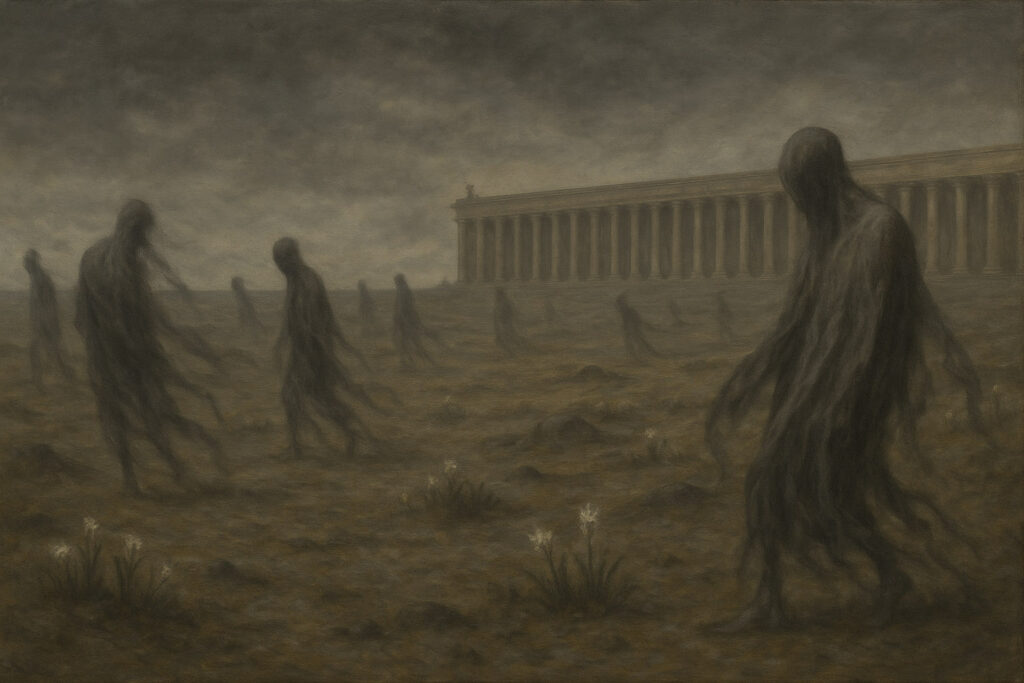
In the second case, it is the shadows that form a special subspace in the Interworld, which is traditionally called the “Asphodel Meadows.” They are usually described as a neutral twilight space. Fields covered with pale, ghostly asphodel flowers embody the half-forgetfulness in which the shadows dwell. Deprived of active self-awareness, they move through this space like fallen leaves carried by the quiet and constant wind of memory. Shadows possess only partial awareness and are incapable of meaningful actions. They have no full-fledged personality, no will, or conscious memory, and only carry fragments of emotions, habits, and stereotyped reactions that were strong enough not to vanish instantly after death.
For a visionary or an exteriorized wanderer through the Interworld, this space is usually perceived as an endless plain covered with pale, lifeless shadows, which were also compared to asphodel flowers. Here reigns a half-darkness without a light source, everything is illuminated by a dim diffuse glow; this is a place without time: there is neither day nor night here — everything seems frozen, “outside the course of events.” This is a kind of “field of memory” that knows no difference between sleep, dream, and reality. Shadows wander here, replaying life scenes, endlessly re-enacting what they wanted — but could not, like actors who do not notice that the performance has long since ended.
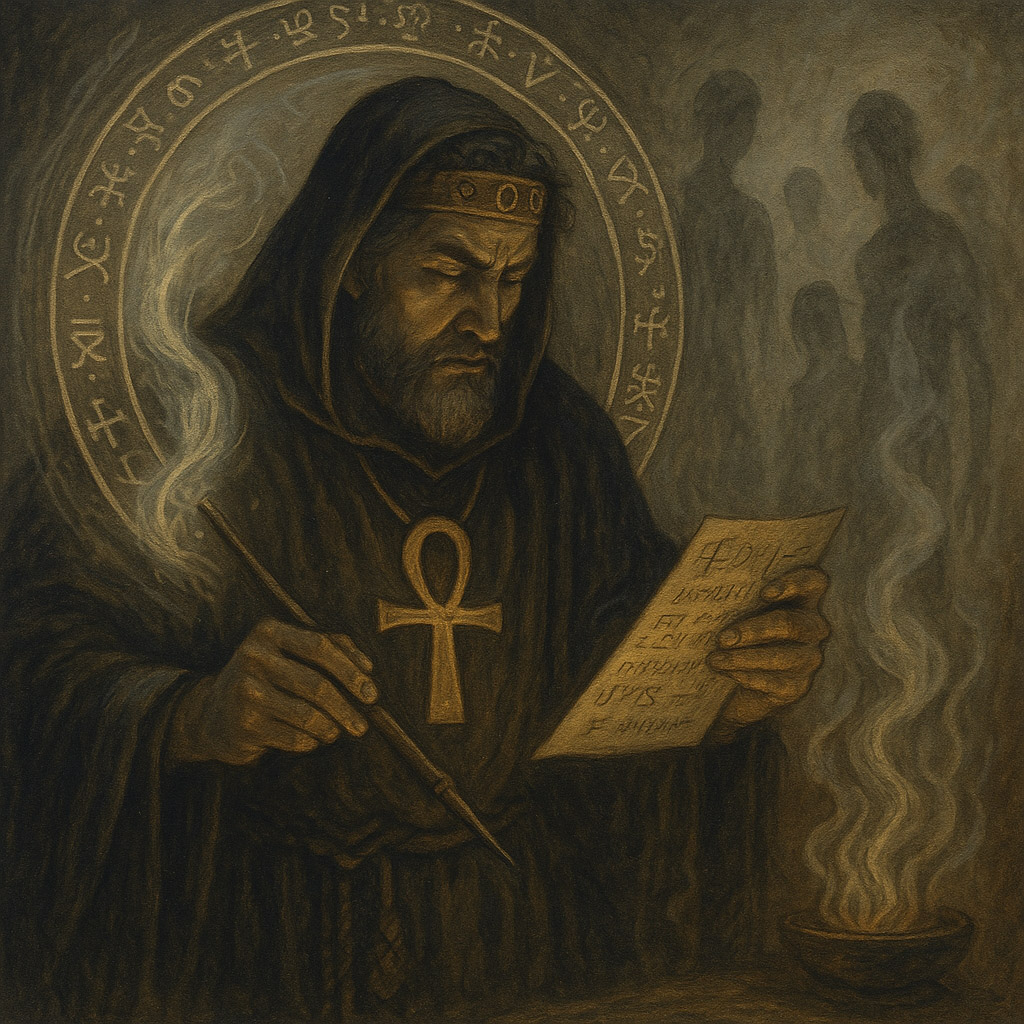
A huge number of historical examples are known of how Magi and ordinary people turned to shadows as a source of wisdom or specific memories. This art in the classical era was known as skiamancy — divination through the “shadow.” For example, the Israelite king Saul, having lost God’s favor, turned to the witch of Endor to summon the spirit of the deceased prophet Samuel. The witch summoned the “shadow of an elder rising from the earth.” This space is described as a neutral repository of the dead, devoid of suffering, but also cut off from the divine Light. The summoned shadow of Samuel delivered to Saul a prophecy of his fall and death.
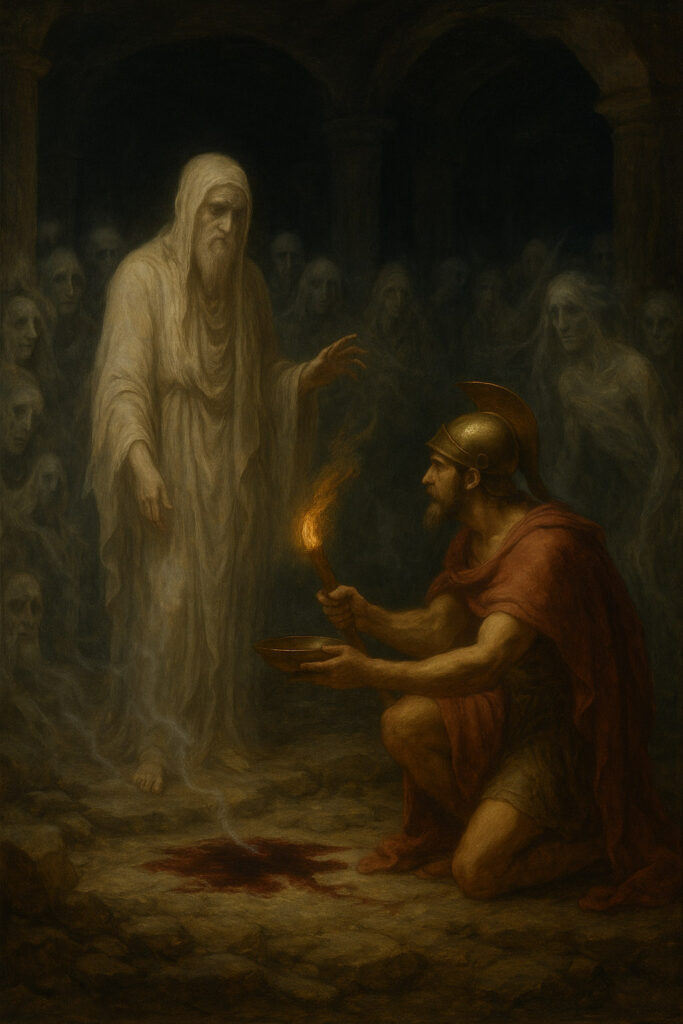
In the Homeric poems, how Odysseus descended to the underground sanctuary of Hades and Persephone — the Nekromanteion, to summon the shadow of the seer Tiresias and learn the way home is described. The space there is the typical Asphodel Meadows, where shadows wander, not knowing who they are until they are reminded by the power of blood.
In the diaries of John Dee, Dee’s diaries mention that Dee and Kelley summoned not only “angels,” but also the souls of deceased philosophers, alchemists, and prophets, who came from the aethers — obviously, from TEX.
At the same time, it is important to remember that a shadow summoned in this way is capable of conveying only what remains in it — fragments of memory, emotions, fears. It does not possess any special wisdom or knowledge but only preserves sets of past reactions. A Magus who takes the shadow’s messages for revelation or guidance easily becomes a victim of an epistemological forgery when a residual set of fragments is taken for a coherent prophecy. This is especially dangerous in the case of interaction with Reshimoth of outstanding personalities — political figures, mystics, philosophers, whose shadows may retain their charismatic impression while not possessing inner wholeness.
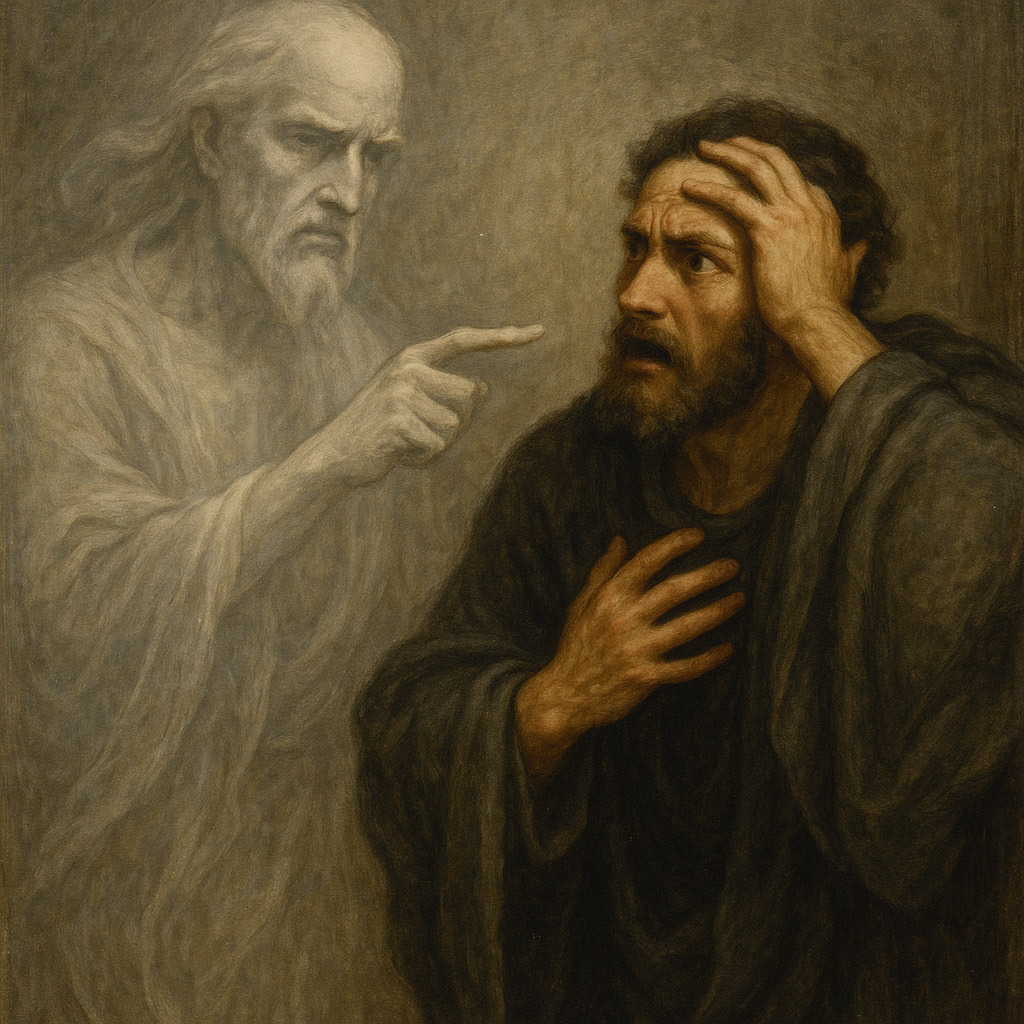
Any magical interaction with shadows requires great caution. Although Reshimoth themselves are energetically neutral, they can become a trap for people who become emotionally involved in their existence. People often err, taking shadows for souls in need of help or liberation. As a result of such an error, a living person may unintentionally “pour” their own life force into a Reshimo, which leads to energetic exhaustion and psychological depletion. In vulnerable people, the concentration of shadows can cause chronic depression, energy leakage, disturbances of time and sleep.
Attempts to use the energy of the shadows of the Asphodel Meadows for magical or other needs often make the Magus inert, gloomy, sluggish; he seems to become “infected” with the energy of unfulfillment and defeat and may not notice how he himself becomes a source of inertia and stagnation. The mind that immerses itself in the environment of the “Meadows” without sufficient protection begins to be “drawn” into their dissatisfaction, which leads to a blurring of the boundaries between life and death.
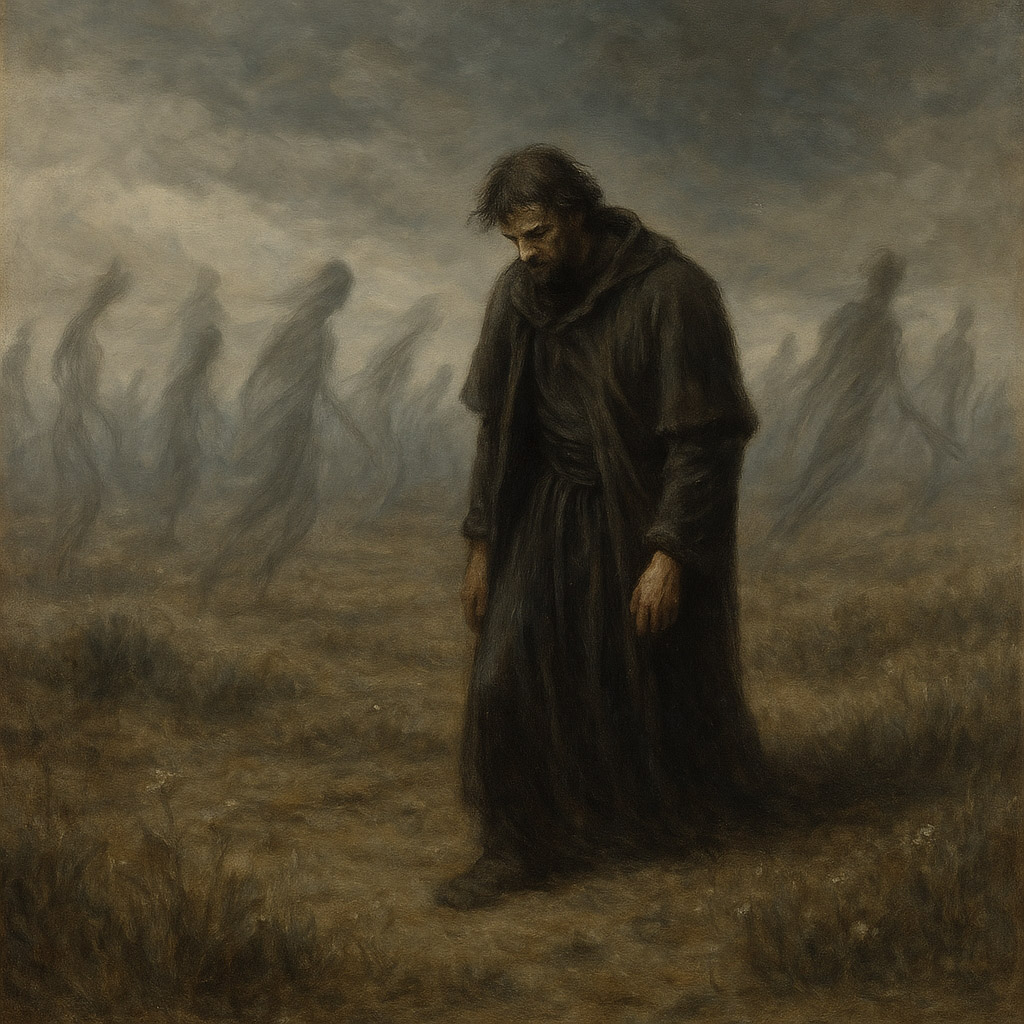
Another danger of interacting with shadows may be that a Magus can be tempted by the ease of interacting with Reshimoth and begin to provoke the development of a shadow in others, causing suffering, disappointments, and collapses — and thus himself becoming a parasite feeding on others’ shadows.
Therefore it is clear that contact with shadows requires of the Magus not only deep discernment between essence and imprint, but also a clearly structured personal intention, energetic stability, and ethical maturity. A comprehensive system of protection is also necessary, including recognition of parasitic invasions (Ibburs), regular cleansing of the fields, anchoring in the flow of the Energy of Life, and mandatory analysis of the state of mind after each act of interaction. Only in this case can skiamancy be used as a means of reading memory and discernment without becoming a path to the loss of will and enslavement by the shadow.
What does the shadow feed on in the meadows, since the remnants of energy do eventually run out.
Yes, and the shadow gradually dissolves.
Very enlightening. I found answers for myself. Thank you, dear En