
The Mind of Vortices
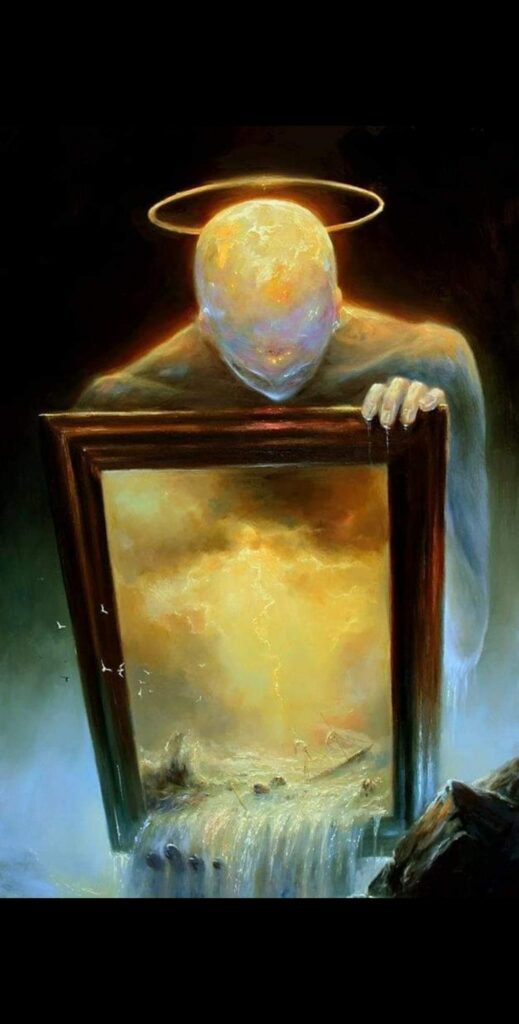
Being the foundation and archetype of modern civilization, the Hermetic Tradition also comprises two principal bodies of knowledge: “metaphysics” — the teaching on the foundations of the manifestation of phenomenal reality, and “metapsychology” — the teaching on the laws governing the manifestation of mind. We have already said more than once that, from the Tradition’s point of view, the two First Principles — the Medium and the Mind — are interconnected aspects of a single Reality, manifesting in the context of the Self-knowledge of the Transcendent Great Spirit.
Nevertheless, from the standpoint of the process of that Self-knowledge — from within it — the objective and subjective components appear separate and are perceived as the supreme binder of Matter (the Mother) and Spirit (the Father), the interaction and mutual reflection of which constitute the world process.
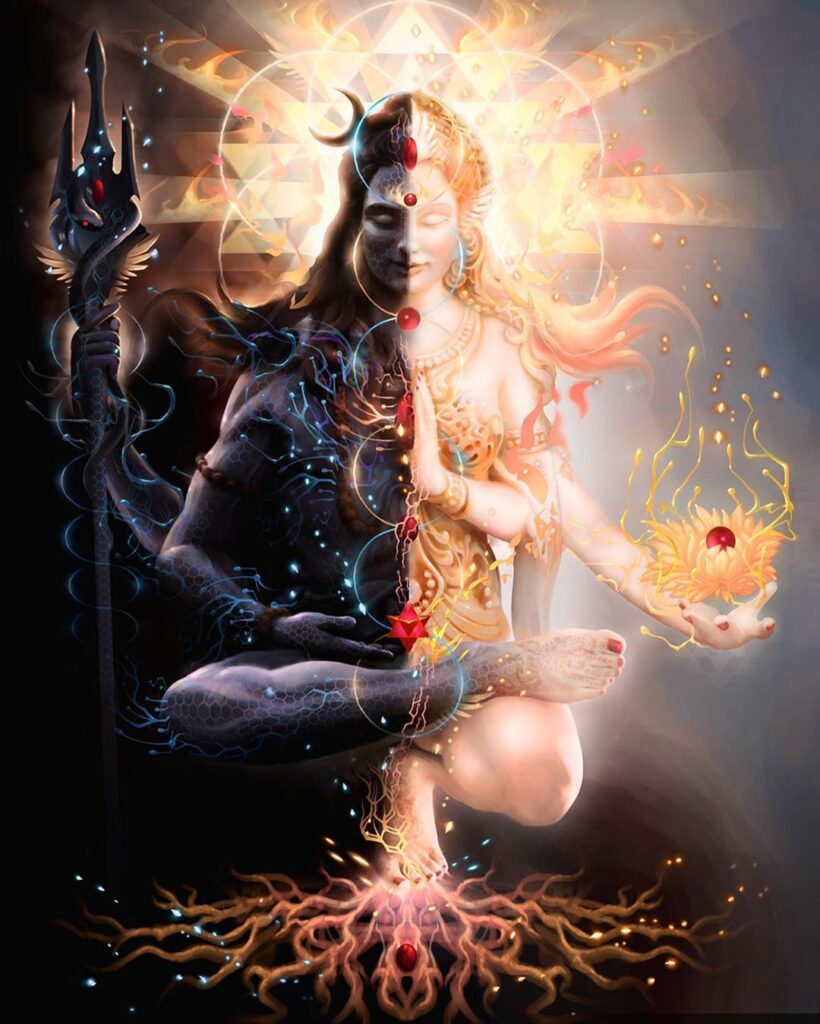
Therefore processes in the Medium and in the Mind are conveniently studied “separately”, while keeping their absolute interconnection clearly in mind.
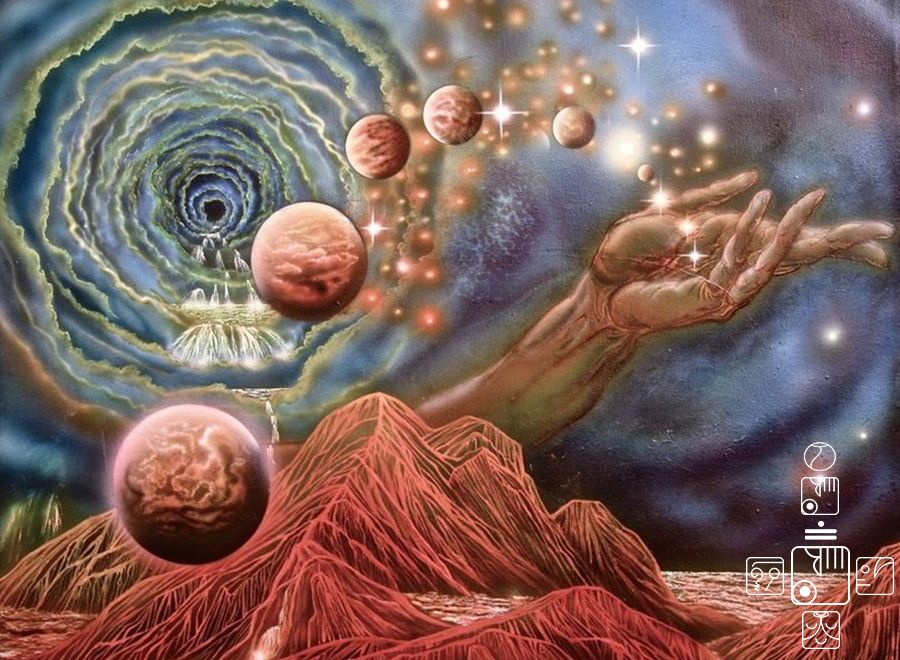
We have already discussed that, from the Tradition’s viewpoint, the basis of any phenomenon, process, or object is a vortex — a form in which the potential Medium manifests. In other words, any observed phenomenon, object, or being can be regarded as a form of the Medium’s movement. This is likely what Eastern philosophy means when it speaks of the universe as the “play of Shakti” — the boiling of primordial energy. The training of Magi is aimed at cultivating the habit of seeing processes and phenomena precisely in their “vortical” basis, and a significant part of the practical component of this training serves to develop the skills to create, form, and tune vortices generated by acts of will.
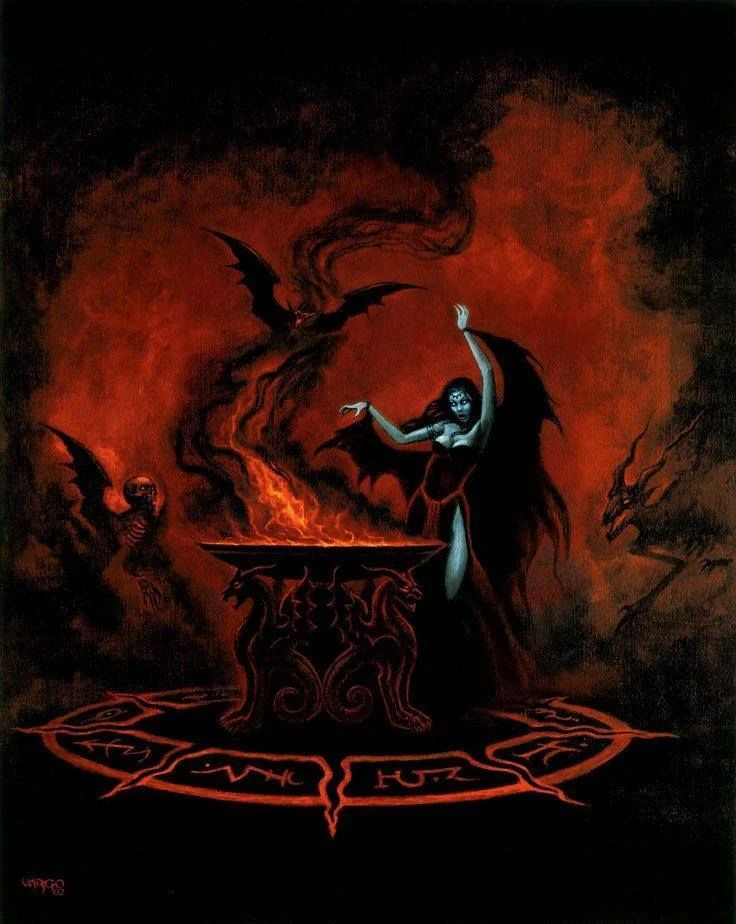
Indeed, in the course of any Goetic, theurgic or spiritistic Ritual, on the one hand there is work on the mind of the operator — their cultivation and harmonization — and on the other hand the skills of forming vortices are honed, since the body of manifestation for the appearance of any deity or spirit is created during the Ritual itself.
At the same time, had the Tradition focused its attention only on the “physics of vortices” or only on “metapsychology”, it would have suffered modern science’s fate — deprived of a holistic perspective and therefore limiting the development of the whole being. However, the Tradition insists that just as Mind and the Medium are interconnected in the absolute sense, vortices and personalities are interconnected in the relative sense. In other words, any personality rests upon a corresponding vortex, and any vortex carries within it some personality. It is in this context that one speaks of the “quasi-mind” of “secondary” carriers — egregores, larvae, psycho-elementals, and so on. We have already said that it is precisely the constant interchange of vortices that unifies the world’s fabric into a single system, and the understanding that even the smallest vortex carries some trace of mind adds depth and integrity to this perspective.

Indeed, when in the course of a Goetic or Theurgic operation a Magus forms a “temporary vortex” for the partial manifestation of a given world matrix of mind, “operation’s body” also bears the imprint of the Magus, and therefore the god or demon that appears before the operator is a “union” of the Magus’s own mind and the matrix he summons, in which the proportion of these components can vary greatly. This is precisely why such great attention is paid to purification procedures and, more generally, to the notion of “ritual purity”; without it we speak only with our own reflections, which, of course, can be engaging and even useful, but by no means carry the transformational potential of a “pure” evocation or calling. Similarly, when a sorcerer consciously creates and directs a larva but does not account for the emergence of some self-awareness in it, he not only risks backlash but may produce unpredictable consequences. In fact, lengthy and exhausting procedures like the Abramelin Ritual are precisely intended, on the one hand, to create the target vortex with jeweler’s precision (in this case — a support for the manifestation of an individual Logos), and on the other hand to prepare the operator’s own body (and their vortex) to interact with it.
Therefore, even when a Magus manages to achieve the “visible effects” of a Ritual’s manifestation, this does not yet guarantee the correctness of its execution; one must ensure sufficient purity of the vortices created and their minimal contamination by the operator’s own reflections of one’s own mind. The particular technique of “Questioning” in the Goetic “modus operandi” partly serves to diagnose the created vortex, allowing one to assess how distinctly the voice of the summoned entity is heard through the created “means of communication”.
Nevertheless, since the operator’s “ordinary mind” is often strongly inclined to project its characteristics onto the vortices created by their will, most Ritual approaches surrender this formation to the Higher Will, calling upon the absolutely pure Logos to guide the entire process.
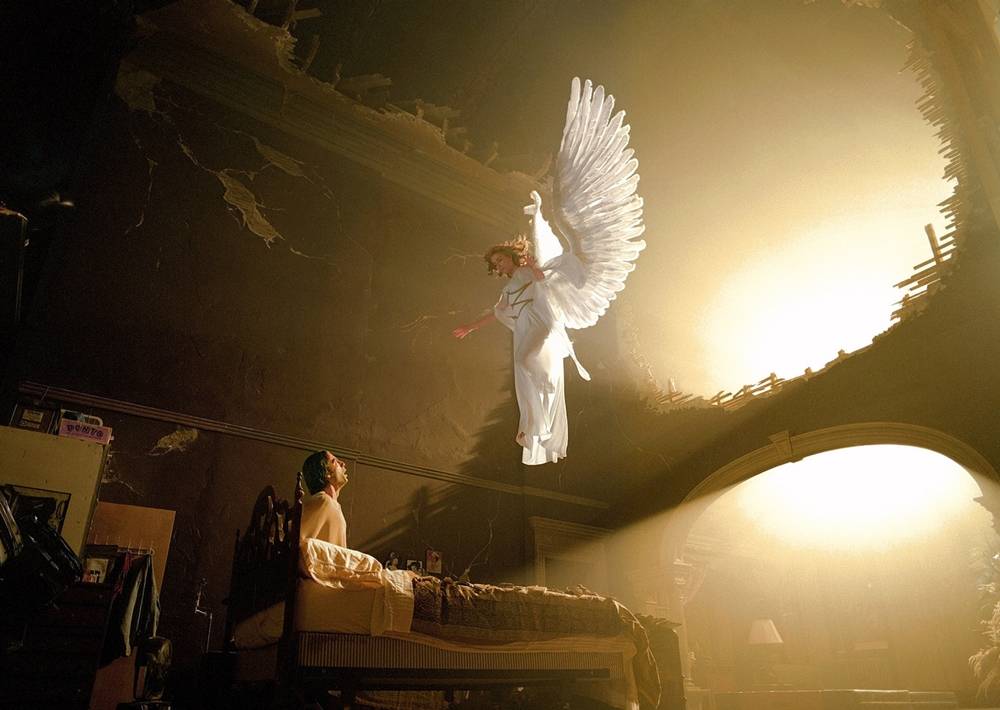
Thus, when a Magus asks God to “send” him an Angel, in practice this more often amounts to a request for the creation of a self-aware protective/teaching vortex — a “ministering spirit” — grounded in Absolute Desire. This is why the “Holy Guardian Angel” of the Abramelin Ritual, strictly speaking, is a “temporary” being, born precisely in the course of the Ritual and carrying within it the mind of the Higher Matrix.
Thus, for the Magus it is equally important to study both the laws of vortex formation and the principles of the functioning of consciousness, as well as the connection between these processes. A Magus must understand that the phrase “everything in the world is alive” can be taken very literally, as “everything in the world possesses some degree of consciousness”, and therefore approach their acts of will, the expression of desires, and the emission of energy with the utmost care and responsibility, treating them as the creation of, albeit relatively, quasi-mindful entities.
Leave a Reply