
Will: Vortices and Vectors
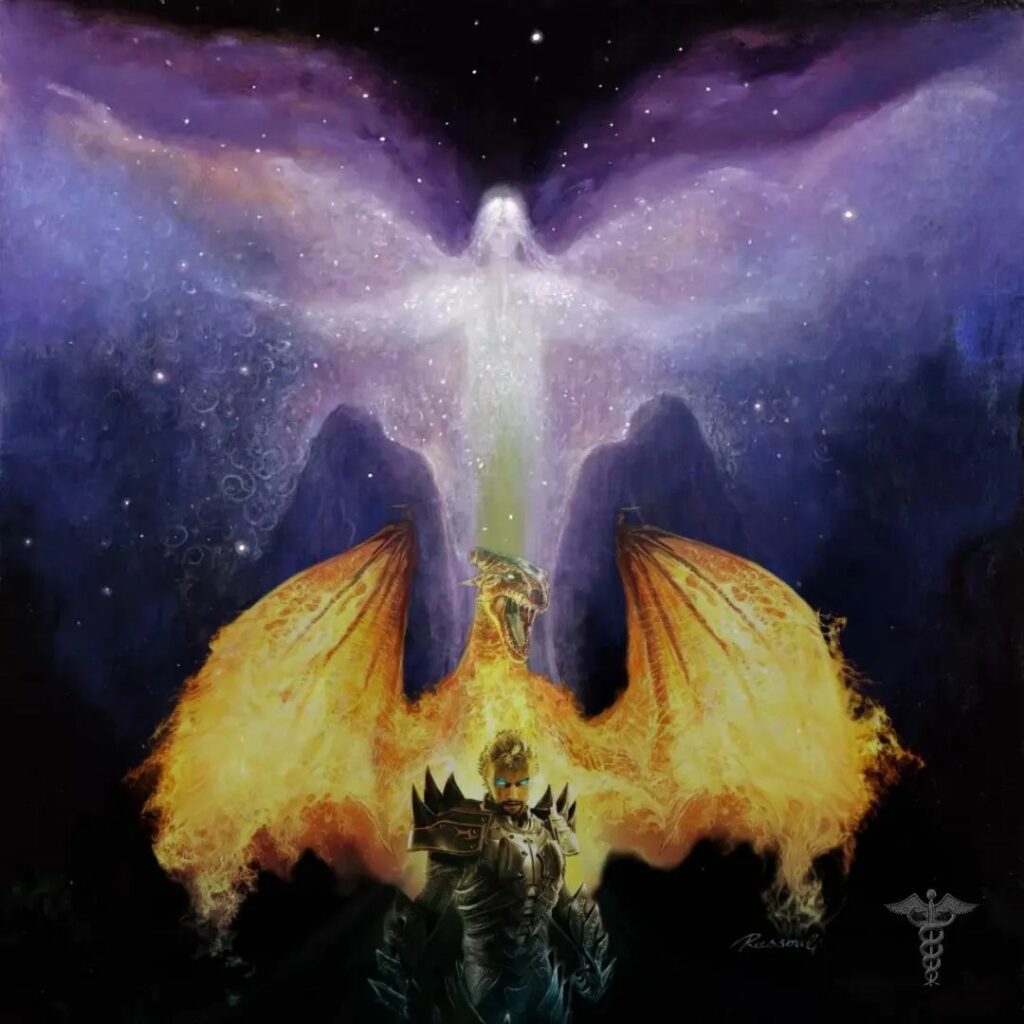
From the mind’s point of view all manifested reality is the result of the shaping of desires, the energy of which converts environmental potential into reality. Moreover, as soon as the energy of desire is brought into awareness and begins to actualize, as soon as it passes from the sphere of possibilities into the sphere of reality — it gives rise to will — an actual striving. Namely, if desire is the “fuel,” the energetic basis of manifestation, then will is its real engine. As long as desire exists only in the mind, it remains merely a need for realization, but as soon as that need begins to actualize, as soon as the desire finds a way to be fulfilled and “immerses” itself in the environment — it is processed by intelligence and becomes will. Thus any action, any event or phenomenon is the consequence of desire and the result of will.
It is will that is the “energetic equivalent” of any action or phenomenon, converting a greater or lesser part of the original energy of desire into that action. That is, when from the standpoint of physics we say that energy and mass convert into one another, this is the same, from the mind’s standpoint, as the mutual transitions of will and phenomena. At the same time, the higher the “efficiency” — the greater the portion of a desire’s energy that flows into will — the truer its realization, the less energy is wasted, and the fewer shadows are formed.
If at the level of phenomena will is the “engine” and foundation of any process, then at the level of the mind will is a conscious desire. However, “aware” does not necessarily mean “brought into the waking mind.” The “ordinary” mind may not participate in this process, and may not even suspect it, while the impulse of desire can be processed and its paths of realization sought by the deep foundations of the mind’s structure — its intelligence.
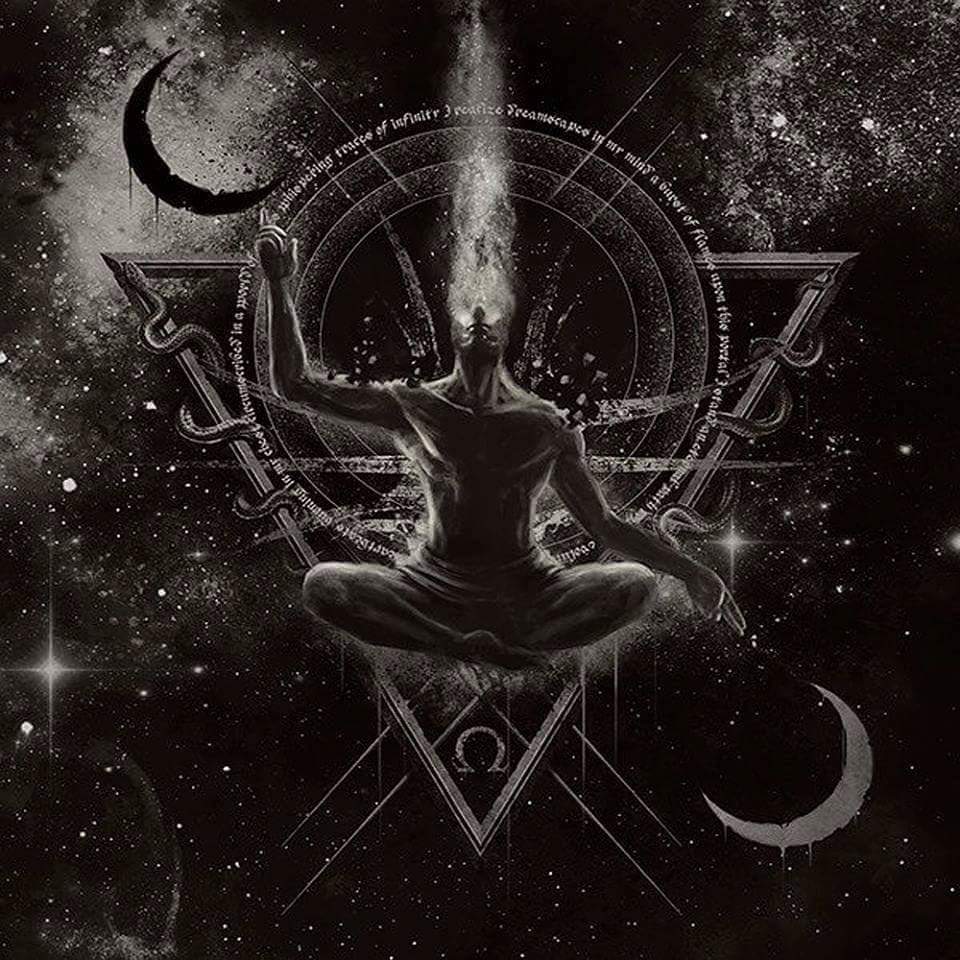
Thus, will is “manifested desire,” a striving expressed in action. In this sense it can be described twofold: as a vector and as a vortex. If we consider will in the process of its realization, taking into account the “initial” impulse of desire and the goal toward which it is directed — we speak of the vector of will; if we describe the mechanism of that realization itself, the “unfolding” of will in the environment, its “coming to life,” we use vortical images. There is no contradiction in such descriptions — only different “coordinate systems,” different frames of reference: “will in itself,” will from the point of view of the mind, is a vector, while “will in the environment,” will from the point of view of manifestation, is a vortex.
If we attempt to direct flows of will by centering the mind and relying on the energy of mind — we employ vectorial approaches (for example, Galdr); if we rely on the environment, on what is already manifested — we engage vortical techniques (for example, Solomonic practice).
From the vector point of view, each act of will is characterized by length and direction, by the force and orientation of the desire that generated it. As a vortex, the volitional act is described by size and rotational intensity, by the amount of resources engaged and by its energetic equivalent.
Since will is desire immersed in being, it is clear that the same phenomena (at first glance) can be produced by desires with different foundations. For example, an ordinary rain can be described as the manifestation of the fertilizing will of the god-Thunderer, as an expression of the living creatures’ desire for survival, as the manifestation of the Earth Goddess’s will to renew herself, and so on. Each of these desires has different aims and different foundations, yet all contribute to vapor condensation energy in clouds. If we try, we can quite reasonably distinguish a rain that is fertilizing, a rain that waters, and a rain that purifies by its original source, but for most beings such distinctions do not matter, since in any case all those ends are ultimately achieved.
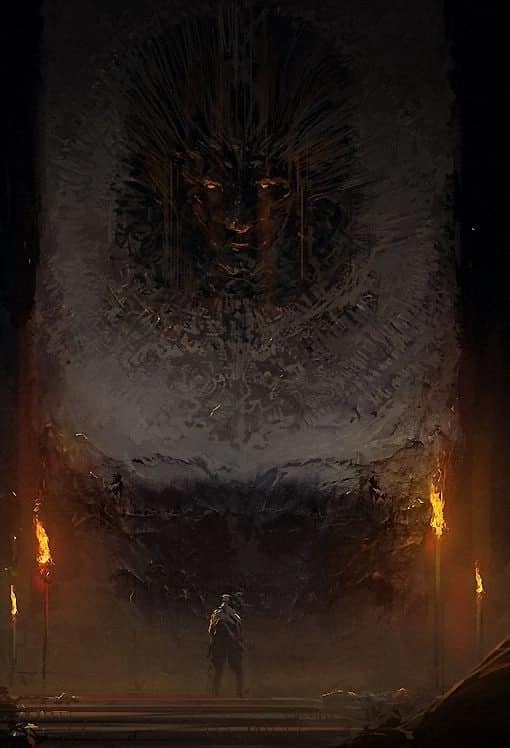
Likewise, in sunlight we can find both the will of the Sun God, the striving of the Solar Archangel, and the fire of wrathful spirits.
In all these cases the same vortices can correspond to entirely different vectors: the nature of Shamash’s desire may differ greatly from the striving of Sorat, yet for the “layperson” the result looks the same: a place is lit by bright, hot light. In other words, non-collinear vectors can be expressed in analogous vortices.

For a person living in the world of phenomena and paying attention only to the “phenomenal” side of the world, only the result — the effect — matters; however, for the Magus who seeks control over the mind and its producing powers, the source that gives rise to these phenomena is no less important.
Indeed, achieving the same result is possible in two ways — by focusing on the outcome, the effect, when the “trigger” vector has no particular importance, or by finding a suitable vector and relying on it from the very beginning.
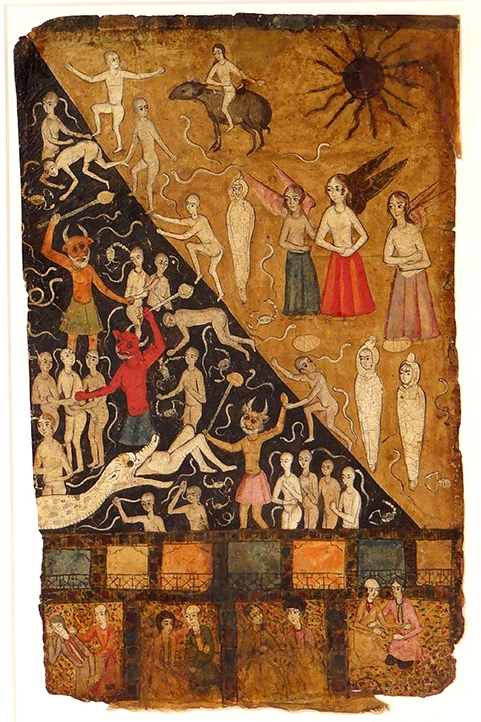
By collinearity of wills we mean the coincidence of the primary orientation of the desires of the beings that generate that will. Since the same effect can be achieved by realizing entirely different desires, it is necessary to take into account not only the final result but also the desire that gave rise to it. For example, the desire to seek material gain may be the result of a striving to develop the material world (for instance, by the will of one of the “worldly” gods), or of an egoistic desire to receive.
As a result, two magical approaches arise — the appealing and the summoning.
If for us only the effect produced by a force matters, we cannot control it and must rely on a “resonance” that may arise, much like a hitchhiker hoping a driver will stop. This is the appealing approach: under it the vectors of the operator’s will and of the requested force may differ greatly in nature but coincide in the ultimate effect achieved. (At the same time, the overlap of results may be relative — what for one of the vectors is its primary aim may turn out for the other to be only a side effect of its main orientation.)
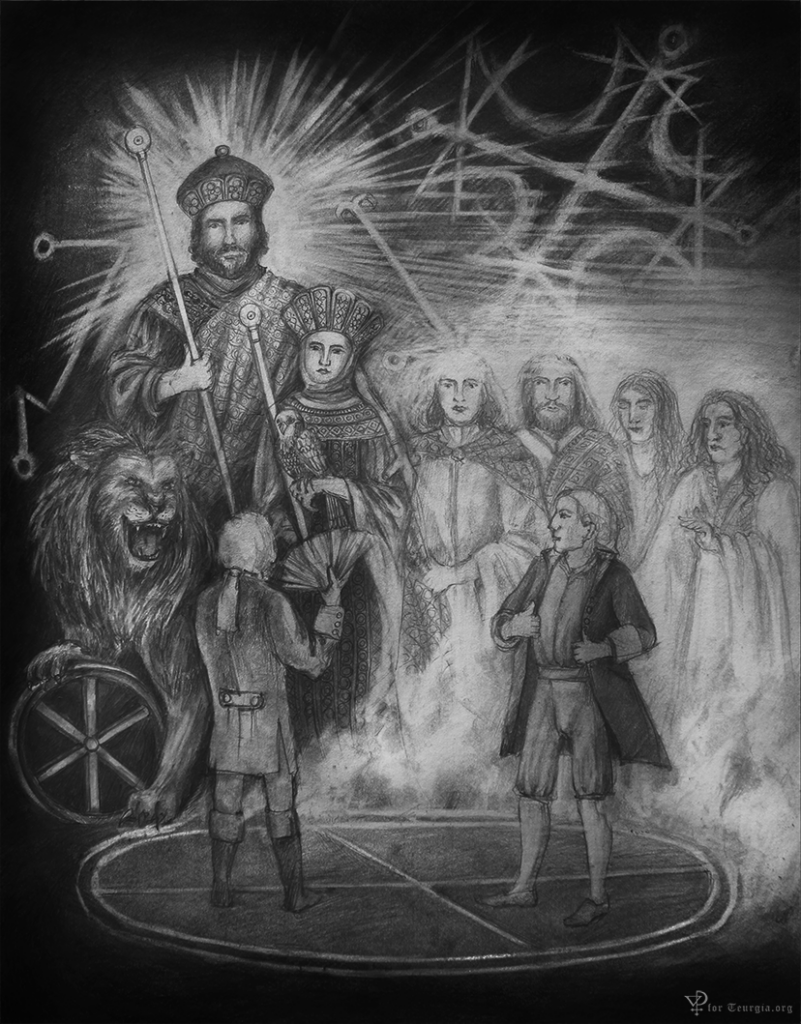
If, however, the structure of the vortex we are engaging for realization matters to us, we employ the summoning approach, like someone who calls a taxi and dictates terms to the driver. In that case the vectors of the operator’s will and of the summoned entity must be collinear: a ministering spirit cannot act against its nature.
The more clearly the operator understands the characteristics of his own desire that expresses his will and the ways of its realization — the more effectively he acts, and, what is more important, the broader his awareness. Thus we accomplish two aims of Magic at once — reducing the energy dispersion and increasing awareness, which ultimately leads to a higher degree of realization and to greater freedom of mind.
Thank you. You have described and articulated my feelings completely, and besides that, you explained everything. I just need to absorb this information to organize (even a little) my mind. Thank you.