
Magic of the Angels
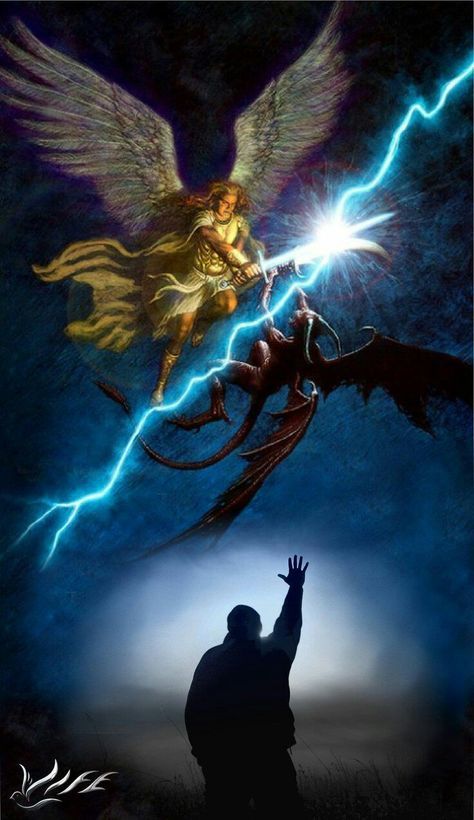
Although the majority of magical operations described as “interaction with angels” prove, upon inspection, to be contacts with Grey Spirits or Elementaries, a number of Rituals still involve the Descending evolutionary vortices.
Let us recall that the nature of “angelic” vortices is descending, direct, while their influence — by contrast — is consolidating, helping one detach from materiality and therefore fostering evolution.
We have already said that, contrary to popular belief, interaction with angels is by no means easier or less dangerous than contact with Demons, and has both its own specifics of implementation and “side” effects.
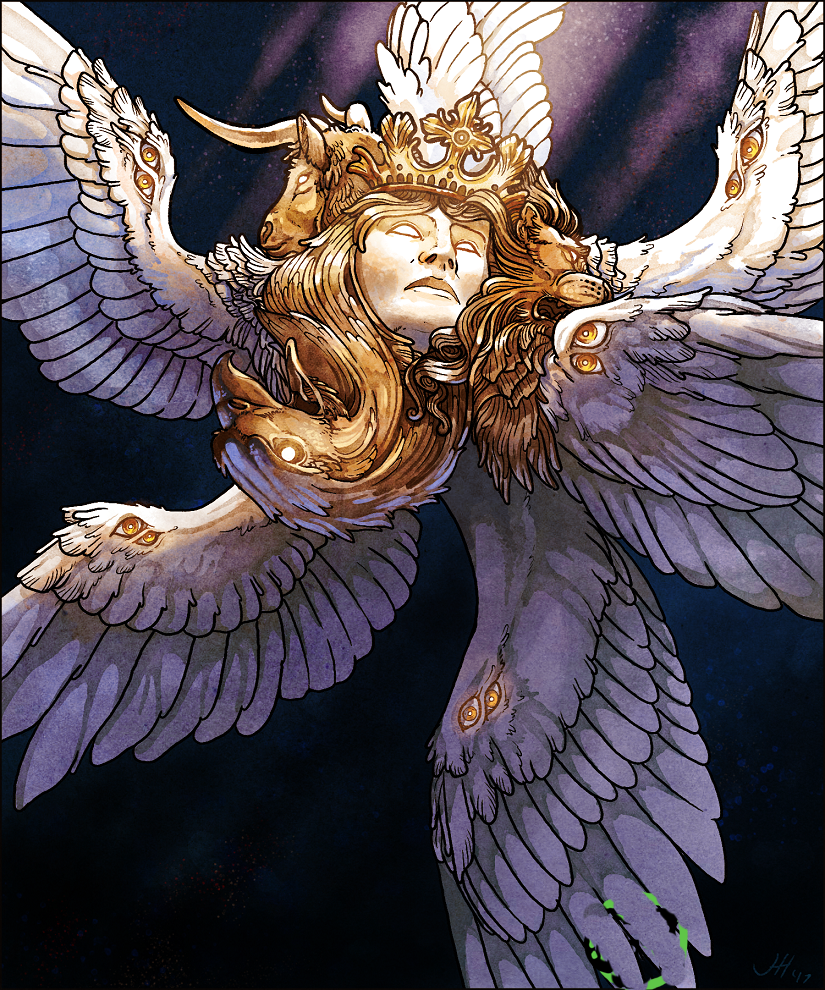
Expressing the sephirotic side of the cosmos, angelic hierarchies can of course be considered both from a macro and psychocosmic point of view, described as vortices or as matrices, and accordingly one can approach interaction with them from two directions. It is regrettable that in practice a one-sided view often appears: some practitioners attribute to angels (and other beings) only psychological reality and speak of them as “archetypes,” while others forget this aspect and attempt only to construct a “physical” interaction with them. Both perspectives not only reduce interaction effectiveness but also ignore dangers and threats of the “other side,” and therefore often lead to one form or another of traumatic consequences. And although phenomena of angelic possession are fairly rare, injuries from “Strikes of Light” can affect physical health but also make the mind vulnerable to harmful influences — and there is never a shortage of those who wish to exert such influences.
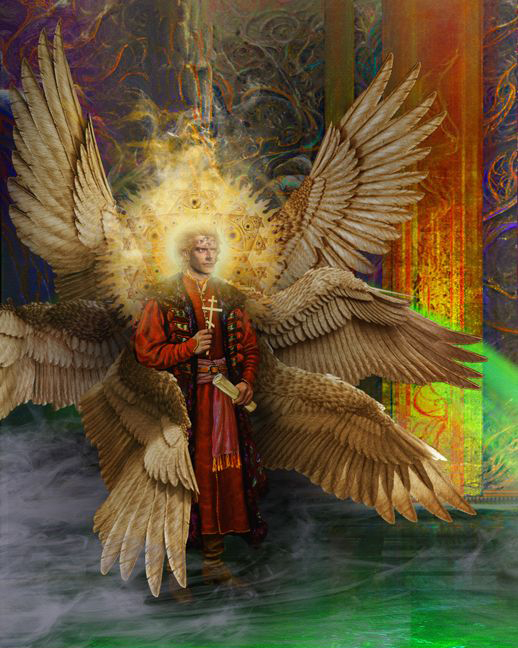
Viewed from a matrix perspective, angelic hierarchies are expressions in the psychocosm of aspirations for realization and manifestation, the mind’s entry into being, manifested on different levels. Accordingly, speaking of the Archangels (Bnei Elohim), we mean matrices that preserve structure, kindred to the spirit of the gods of Order; of the Principles (Elohim) — matrices of unity and interaction between mind and environment; of the Authorities (Malachim) — matrices of harmony; of the Powers (Seraphim) — matrices of dominion; of the Dominions (Hashmalim) — matrices of governance; of the Thrones (Aralim) — matrices of mystical unity; of the Cherubim (Ofanim) — matrices of wisdom (“vision of Truth”); and of the Seraphim (Chayot ha-Kodesh) — matrices of Light (“Enlightenment”) — the vision of nonduality.
If these same hierarchies are regarded as vortices, one can discern, respectively, the forces of assertion, differentiation, unification, harmonization, hierarchization, sequencing, generation, revelation, and the possibility of manifestation.
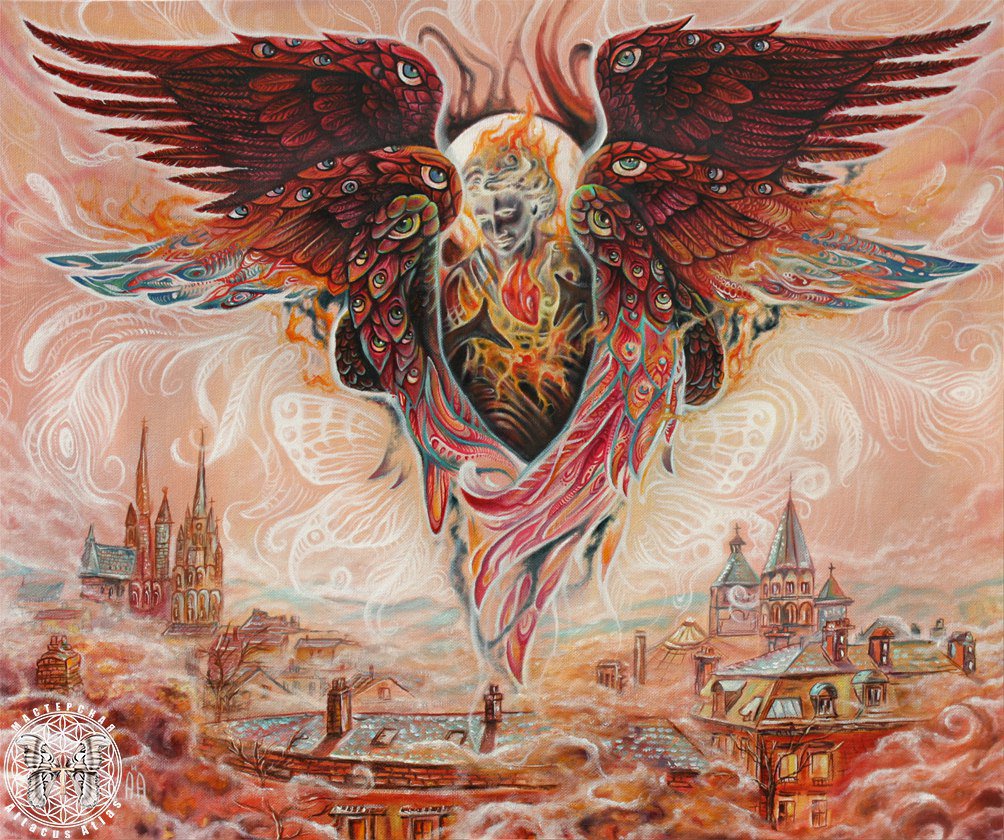
It is clear that, with a skillful approach, activation of these aspects can be a significant aid on the path; however, these interactions encounter enormous difficulties.
Attempts to evoke angels must take two important features into account. The first lies in their “Light-descending” nature: any contact with these forces “knocks” the mind down into its lower layers, awakening animal and plant-like fixations, which not only “pull out” into view the mind’s deep problems and pathologies but, with insufficient resilience of the mind, may leave it unable to resist. Second, there is the danger of opposition, which often accompanies the very contest of the Ritual. Enthralled by this contest, the evoker risks being seen as the angels’ natural enemies — demonic forces — and thereby eases the latter’s access to him. If successful opposition to Demons places the operator in the higher layers of his psychocosm, a conflict with angels — by contrast — awakens low and base manifestations of the mind. Moreover, the angels’ “materializing,” affirming aspect further reduces the mind’s plasticity, locking it into an ossified state from which it is hard to free oneself and to resist both inner and outer destruction.
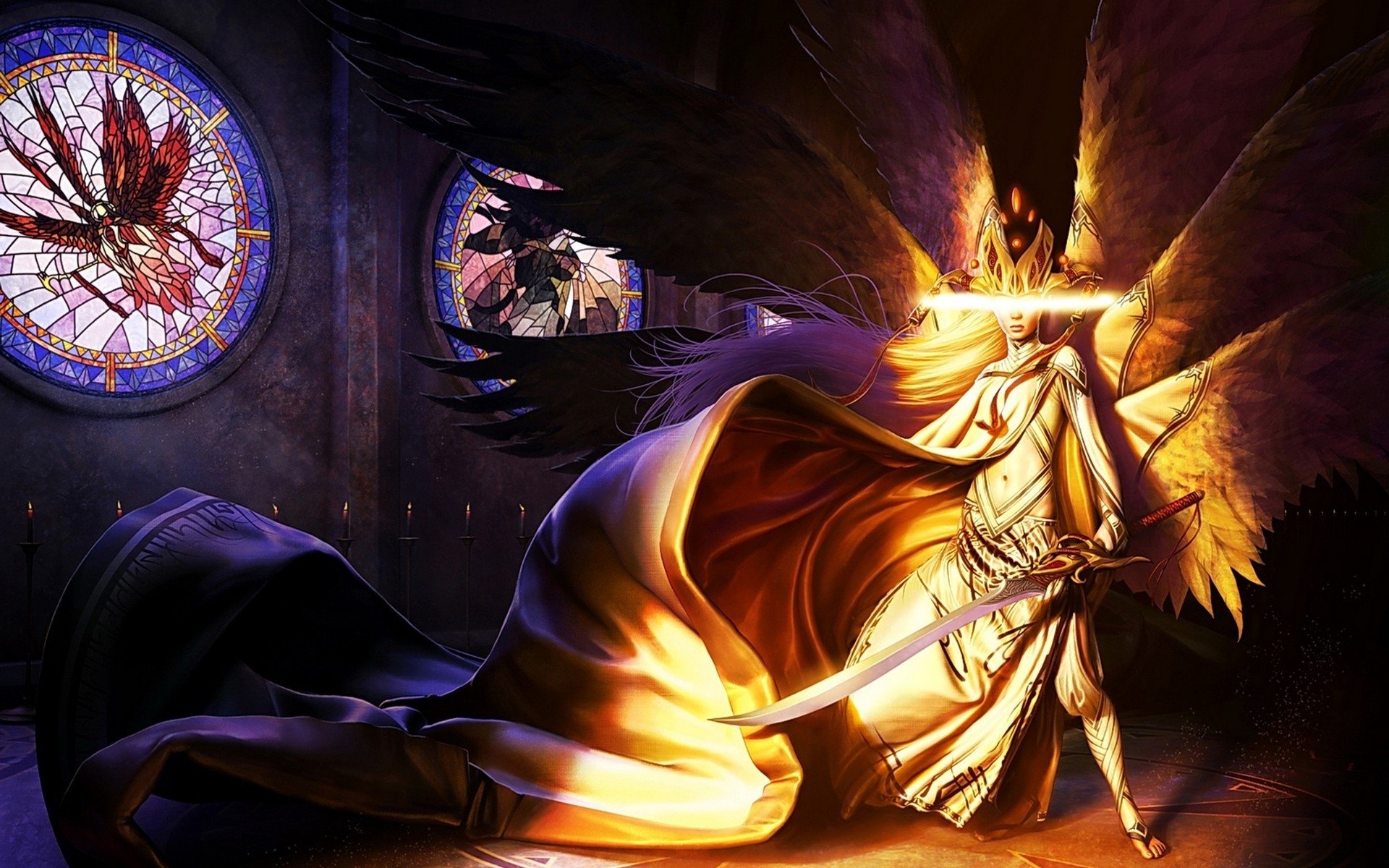
Less dangerous are theurgically-framed Rituals of calling on angels. However, even in this case, the downward flow into the ritual space of the energy “opposed to elevation” risks that the Magus will not only receive a pulsei-de-nur, but also confront his own dangerous ambitions, the indulgence of which will have a destructive effect on him. Indeed, the proportion of theurgists who have fallen victim to pride is even greater than that among goetists. Unfortunately, it is often not contact with the underworlds that makes a person a demon, but a mistaken identification with bearers of Light. Even “Enochian” Magi, although they contact less “light-bearing” forces, very often fall prey to delusions of grandeur.
Nevertheless, having found inner stability of the evolutionary flow, the Magus can withstand such an onslaught of angelic energies and, if he succeeds, obtain an invaluable aid in both inner and outer development. On the one hand, as evolutionary vortices these energies can increase the effectiveness of the Magus’s work of realization. On the other hand, as constructive matrices, they can contribute to the ordering and development of his mind.
However one must bear firmly in mind that any form of contact with the progeny of Dinur demands far greater preparation, strength, authority, and purity than interactions with the Liminal forces. The idea that “angelic Magic” is “more exalted” or “safer” than the Goetia is a dangerous delusion, fraught with the destruction of the practitioners’ bodies and minds.
I really need you. Your explanations.
Is it possible to stretch the definition and say that a philosopher-logician, or perhaps a scholastic, is essentially interacting with Angelic matrices? And in general, I have never encountered anyone on the internet calling upon angels at the level of vortices—after all, they don’t even have a symbol, just a couple of images (like the Ophanim), can one interact with them through those?
Interesting article. It raises quite a practical question. Will interacting with angels help one better perceive the hierarchy of logos and extract the fullness of meaning?
Yes, if one is aware that this is just one side of the coin, just one one-sided view of reality.