
The “Diurnal” and “Nocturnal” Duat
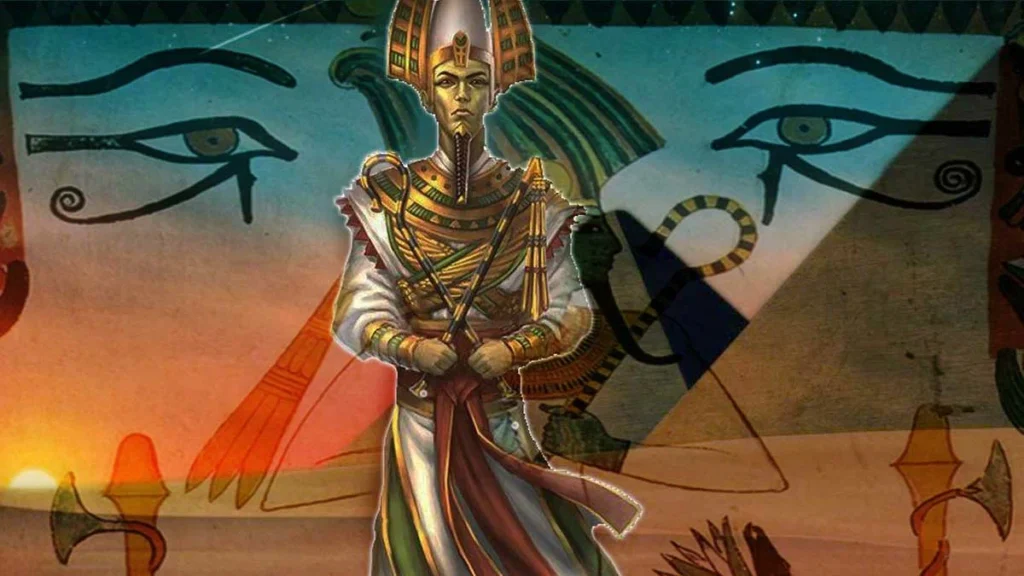
The ancient Egyptians perceived the world of otherbeing, Duat, not only as the “Kingdom of the Dead,” but as the general “underside” of the world, within which divine dramas and mysteries unfold, creative forces are born, and destructive tendencies arise. They were the first to explore the Interval purposefully and systematically, mapping its unstable and shifting spaces. Unfortunately, only some of the maps they compiled have reached us, mainly those concerning the posthumous journey, since it was precisely this part that was of the greatest practical interest.
However, even these fragments of ancient knowledge make it possible to understand that the priests of Egypt understood the nature and structure of the Interval far better than modern people do. Their descendants, the Christian Gnostics, developed some of the ancient notions that were of interest for their concept of liberation and “depersonalized” the principles described by the Egyptians in vivid artistic images, presenting them as abstract forces and concepts.
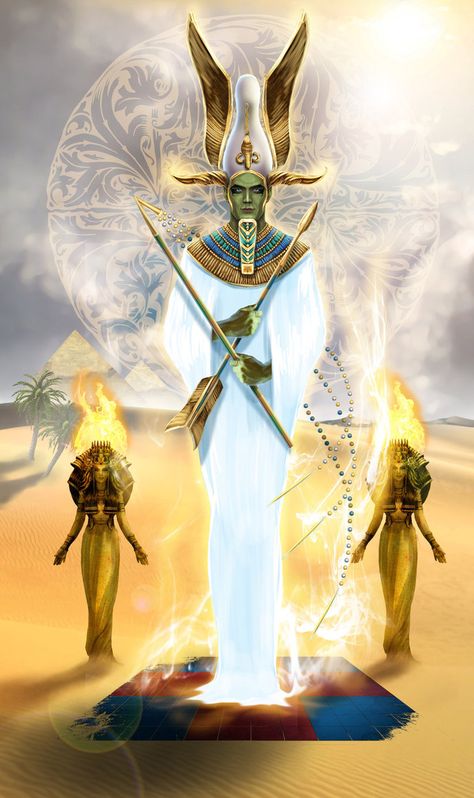
As we have already discussed, the Gnostic system describes the Interval as a field of potential activity of proto-creative forces – aeons, each of which can be regarded as a deity, an energy, and a space in its aspects of possibility.
At the same time, each aeon exists as if in two hypostases (that is, it constitutes a syzygy), accordingly reflecting its self-existence and its capacity for manifestation, i.e., the possibility of its existence and its influence on the “surrounding.”
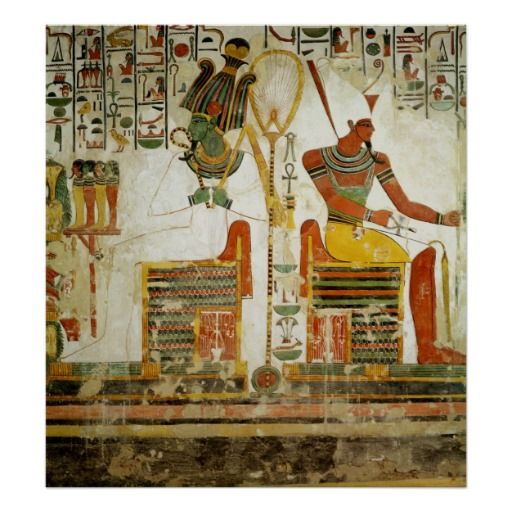
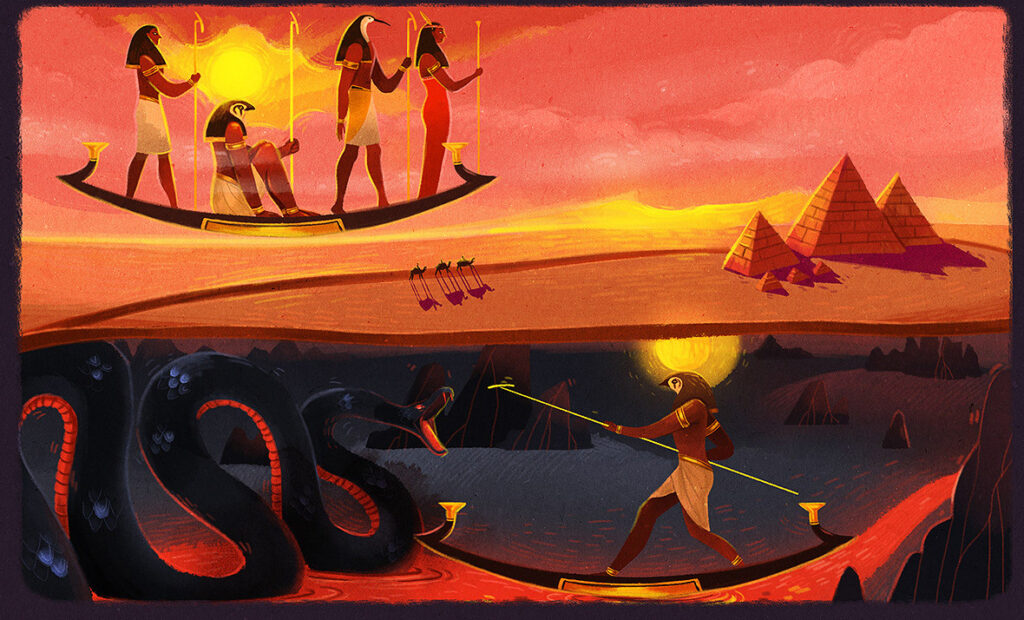
The ancient Egyptians described this vision as the “duality” of Duat, its “day” and “night” aspects, where the “day,” or “Heavenly,” Duat was regarded as the totality of forces “acting” in the universe, manifested divine power governing the universe, while the “night,” or “Underworld,” was seen as the totality of chthonic forces and possibilities, influencing the worlds only indirectly — more precisely, creating the basis for such influence. In other words, the Heavenly Duat is the place of birth of forces, the “acting” aeon, while the Underworld is the womb where they take shape, the aeon of possibilities.
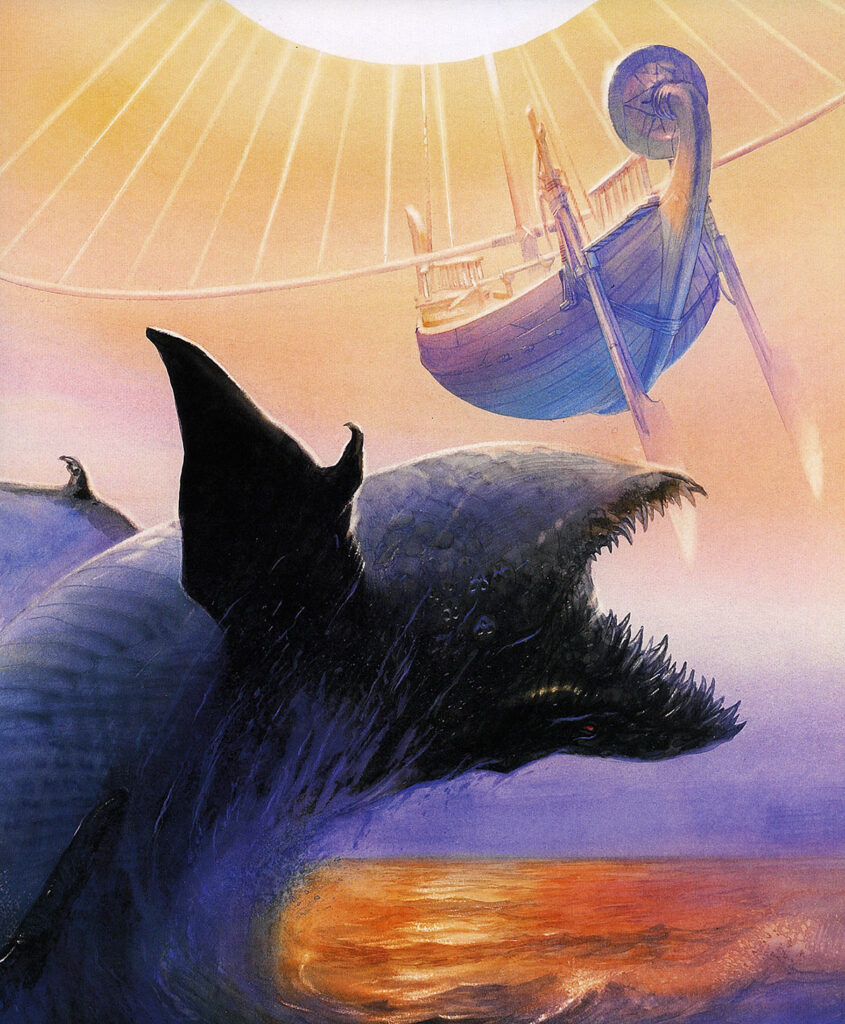
Accordingly, two “channels” were also considered, along which energy circulates through these “hyperspaces.” The “day” carrier of energy was called “Atet” (Matet, Mandjet), was considered a form of Space (the god Shu), and was described as the “Solar” barque, while the “night” one — Mesektet (Sektet) — was a form of existence of the “Medium,” “Moisture” (that is, emptiness filled with potencies) — Tefnut. The creative energy itself was described as the “Sun” (Ra), also having two hypostases — falcon-headed heavenly and ram-headed underworld — embodying its capacities to “illuminate,” i.e., to create (to give form), and to “fertilize,” i.e., to bring forth (analogously, the Greek ktidzo — “to create” — refers only to God). Note that the ancient Slavs also distinguished these two hypostases of otherbeing and called them “nav’” (“nov’” as the field of potencies, from which everything appears “anew”) and “prav’” (higher governance).
The personification of Duat as a field (sekhet) of potencies (hotepet) was Osiris, personifying “Nonbeing” not as death, but as chthonic nature, alaya — an unmanifest field of possibilities, devoid of its own fertilizing power, yet containing the “seeds of everything.” Osiris is “fertilized,” “revived” by mind — Ra, and himself fertilizes Isis (and Nephthys), being the actual generative forces of creation and destruction.
“Underworld” Osiris — Khenti-Amentiu — is the “Soul of Duat,” expressing the presence of the primordial ocean of darkness — Nun, or, in Gnostic language, “Bythos” (Βύθος), the “Depth,” the First Aeon, while Heavenly Osiris is Horus (as the personification of the very space of the Heavens), a form of the presence of Amun — Nous (Νοΰς), giving birth to meaning-making — Logoi.
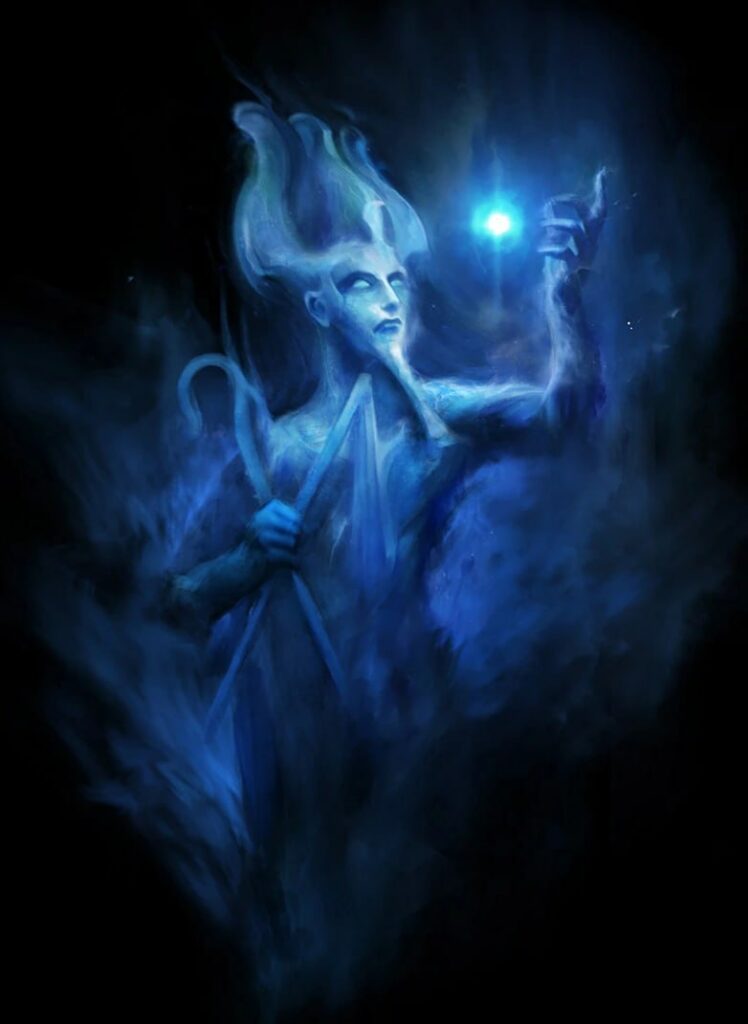
One may say that the “living seed” of Osiris, i.e., possibilities ready for realization, is Light, giving birth to the Tree of Life, the Sefirot, whereas the “dead seed,” deprived of the possibility of manifestation, lacking the “blessing of Ra,” is Darkness, the qlippot. Put differently, the “aeonic” fabric of the Interval can give rise both to Light and Darkness, since it contains all possibilities within itself, including the germ of duality itself; yet it is neither one nor the other, and also does not “combine” them within itself.
Therefore, from a practical point of view, it is important that in the intermediate state (for example, in the posthumous state), mind (a disembodied being) can acquire creative forces — “to board the barque of Ra,” and thus attain one of the forms of liberation from gilgul. At the same time, for this it must “exit” from the “Night” Duat into the Heavenly one, and if it does not do this, then, gaining power in Amentiu, it becomes only a “Dead king” — a ref.
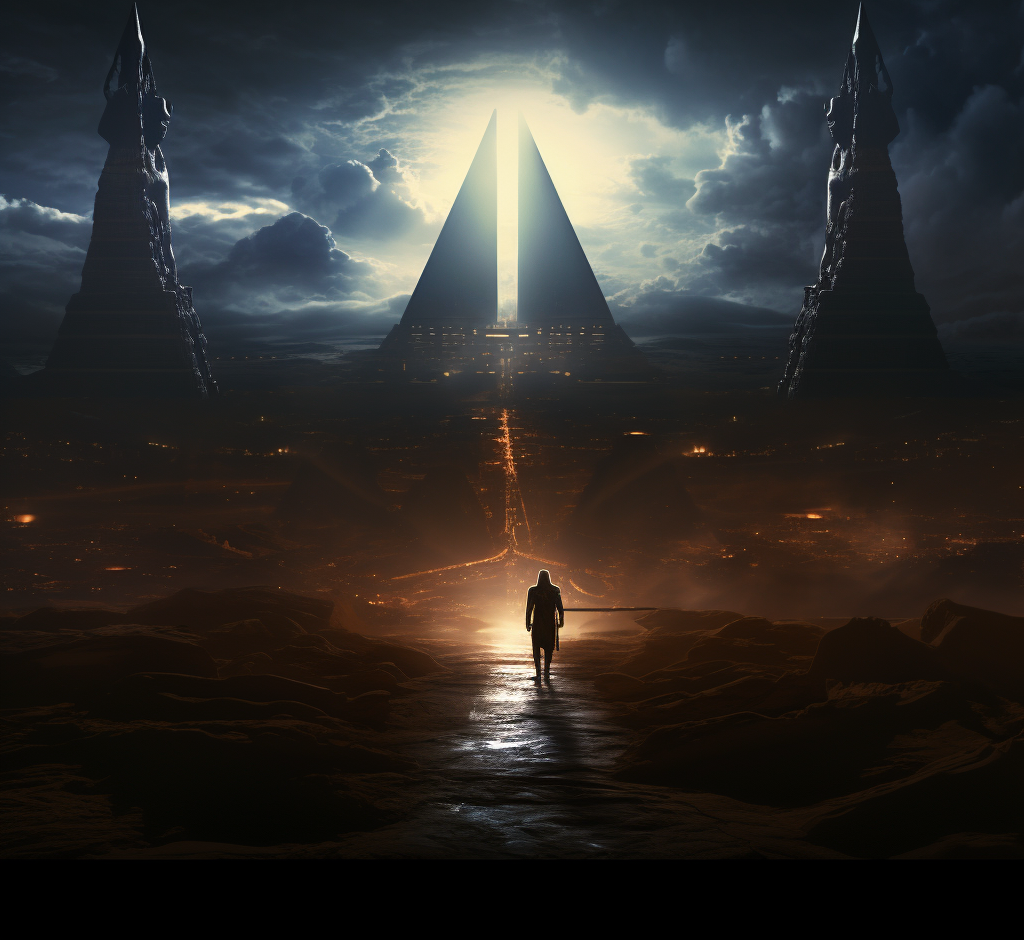
In other words, power and wisdom are not enough for successfully passing through the “Night” Duat; they require a special “good” energy of the Path — Djeseret (or, in other traditions, Dignitas, Punya).
A correct understanding of the nature of the Interval and its potential forces can not only serve as the basis for creating a “Guide” to it, but also protect one from the obvious and non-obvious dangers lying in wait there.
Leave a Reply