
Gods: Worlds and the Interworld
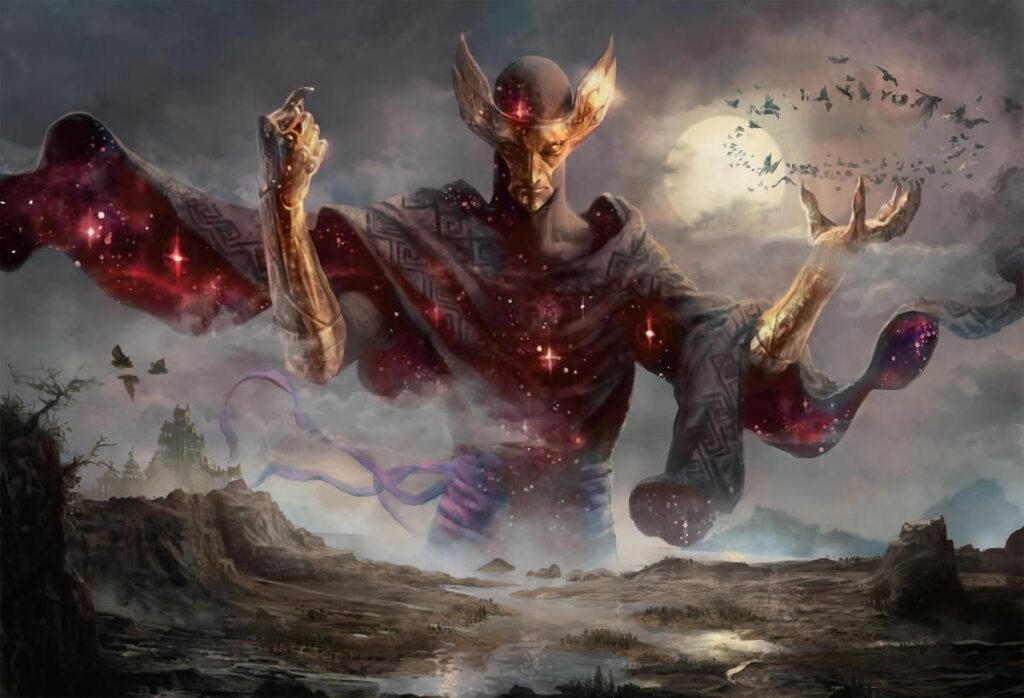
We have already discussed that myths call “gods” the “observers of the first order,” beings whose consciousness creates and shapes worlds and realms. This principle is traditionally called “prav” and denotes the “governing” component of the universe. In other words, any being whose “natural manifestations of vital activity” affect the functioning of the manifested world, and whose manifestations of will are perceived as natural laws, is a god.
It is clear that the hierarchies of the gods are numerous and diverse, as are their habitats. Since the human mind perceives the “object” world according to the principle of the quadripolar quaternary, two pairs of such hierarchies are available to it: the Gods of Yav and the Gods of Nav, each of which can manifest as Gods of processes and Gods of structures.
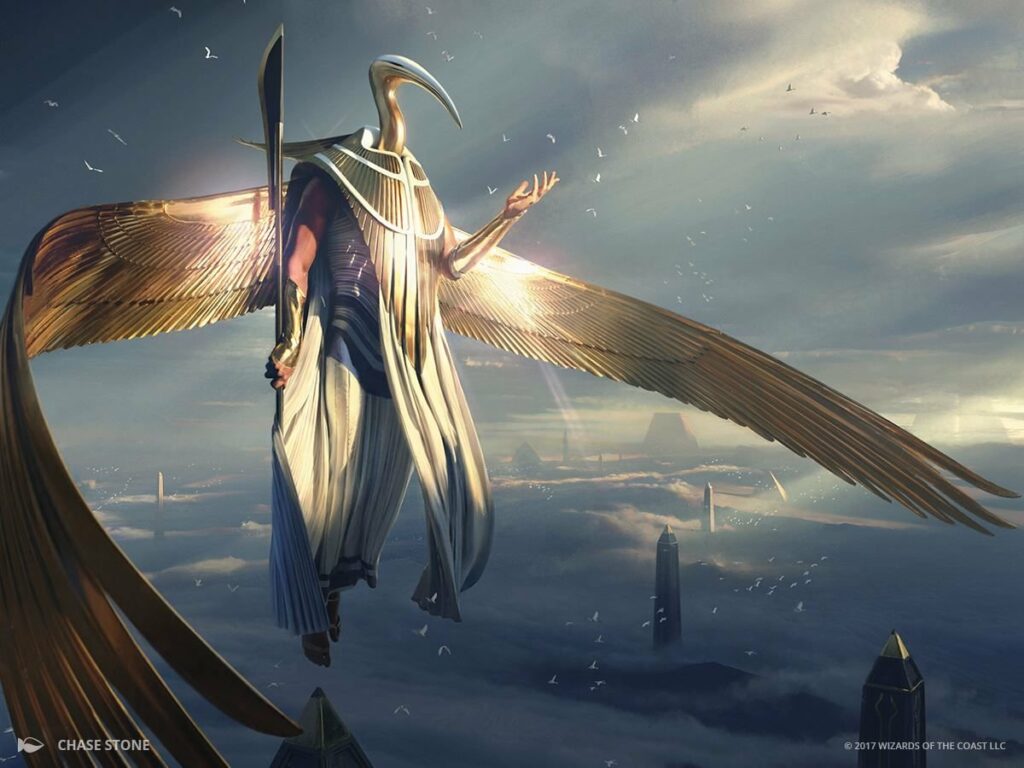
In the worlds of yav, the two groups of “object” gods are best represented by the Norse myth as the Vanir and the Aesir, while in the Interspace, nav, they are described as Fomorians and Archons. All four groups of beings are regarded as “descendants” of primordial beings — the “Most Ancient” — the Jotnar (or Protogons), who, in fact, “give rise to” the binary reality–potentiality.
For completeness, it should also be noted that, besides this “object” quaternary, the “player” in the creation of the world is also the “subject” component — the perceiving mind itself — and therefore a “fifth force” also participates in the structuring of the universe: the elves, who in fact fill the medium with information, acting as the “authors” of the “semantic universe,” with Ljosalfar forming information as the general field of potential meanings, while Svartalfar fill particular objects with ‘content’ or blocks of energies. This gives a hexad of governing forces “matter” (Aesir and Archons), “energy” (Vanir and Fomorians), and “information” (light and dark elves).
Each of the groups of gods includes a wide spectrum of beings with will and awareness of different levels — from mighty world-rulers who spin universes to particular princes who rule individual valleys, trees, or streams.
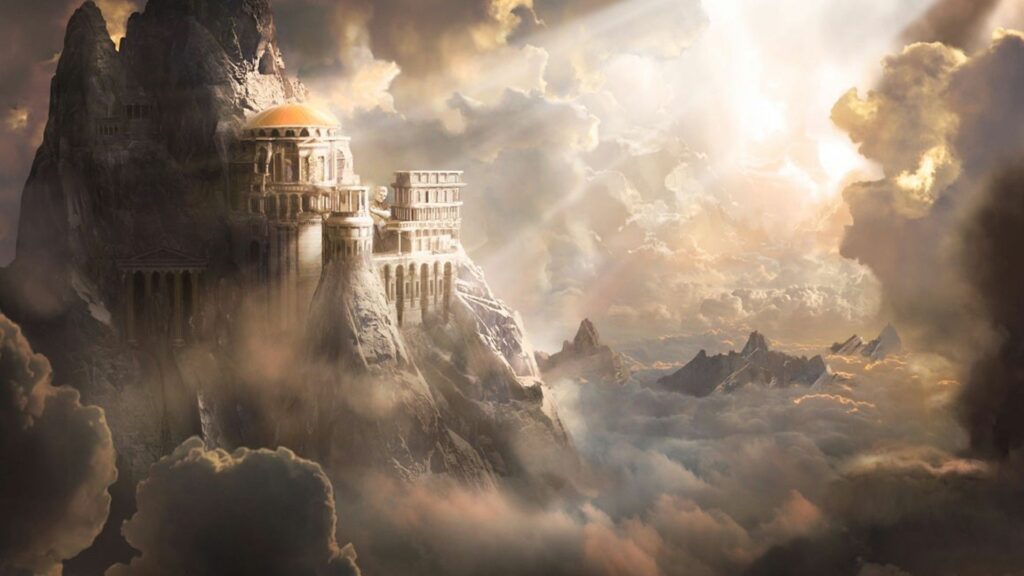
Since the higher gods function at the level of general laws and vast flows of energy, their reality differs from that of simpler rulers, and therefore is described as distinct worlds — the spheres of their “own” existence. This does not mean that the gods are separated from the “lower” worlds; on the contrary, more particular worlds are “secondary” manifestations of more general processes and laws that are born and develop in the “devalokas.”
At the same time, the “younger” gods, although they function at the causal rather than phenomenal level, in perceiving energy flows and phenomena do not differ much from the “processual” inhabitants of the “lower” worlds, and therefore, in fact, share the same worlds as their subjects “observing” their laws.
In other words, any world
- is subject to the ‘Higher’ gods’ forces creating it, its “angelic” hierarchies stabilizing it, and the actions of the “younger” gods shaping it,
- is a field of activity for “processual” beings (who are usually called the “inhabitants” of this world), using the world’s environment as a support for the actualization of their consciousness and for transforming life‑force into awareness.
At the same time, in each world forces are active that develop its “creating” and “created” component — beings and environment. Thus, the Aesir “urge” beings toward independent creativity and construction, while the Vanir stimulate creative impulses in nature, also contributing to its evolution and adaptation.
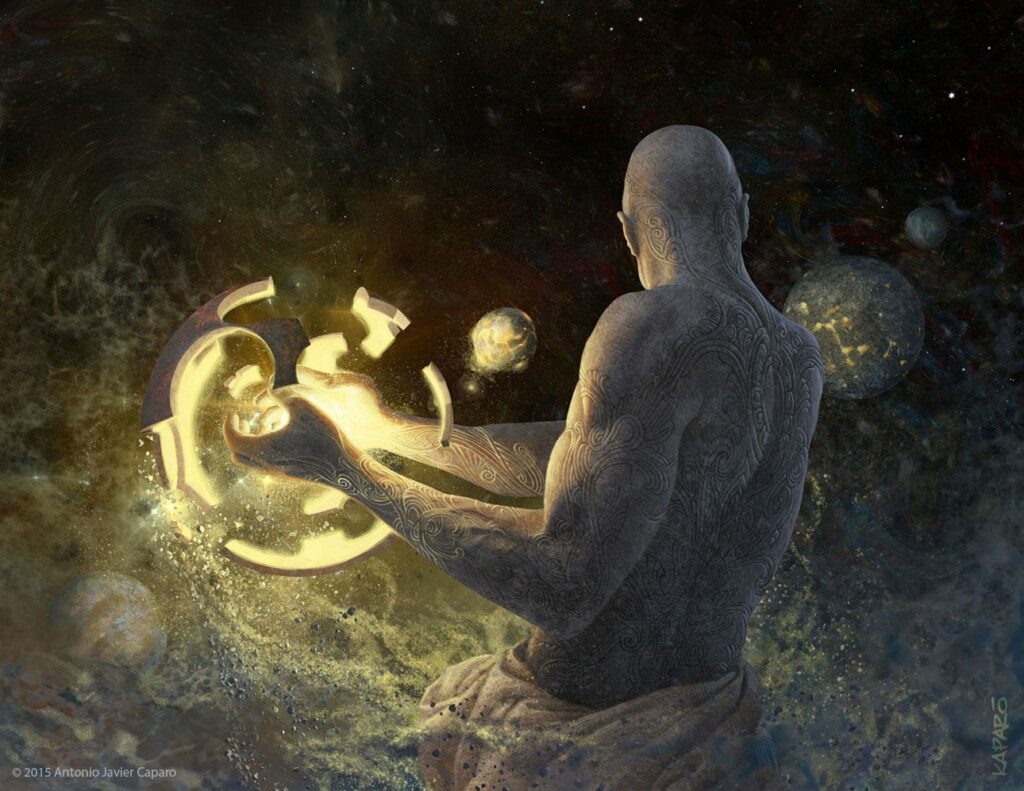
In addition to the properly “divine” actors — activities forming the causes and conditions for manifestation — another kind of will influencing humans also appears in worlds available to people: the elven “anti-entropic” impacts. Although elves do not form causal flows and are not “authors” of the laws of nature, and therefore, strictly speaking, do not strictly belong among the gods, they are the authors and keepers of the third — the informational — component of any world, no less important for its stability and development than matter and energy.
The Gods of the Interspace, on the contrary, always exert a disordering, destabilizing influence on worlds and their inhabitants, and therefore are often perceived as “dark” or even “mad.”
Nevertheless, their actions can affect worlds in varied ways for both the short and the long term, since those primary possibilities originate in the Interspace; those primary possibilities and potencies are born, which the Gods of Yav then shape.
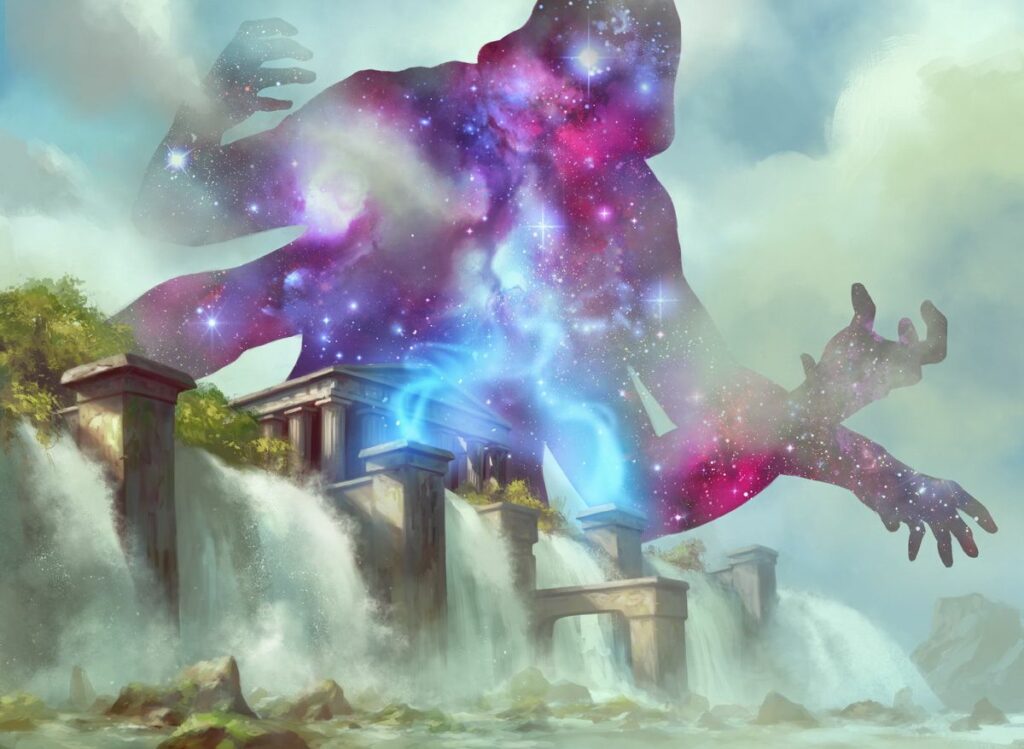
For example, Okh and Bres, respectively, the archon and the Fomorian of the “Sun of the Interworld,” do not merely eclipse or strike the manifested sun; above all, they make the sun’s very existence possible, and their destructive activity stems from the fact that in each “cosmos” one possible variant of this sun is realized. Thus, Okh “would like” each of the beings in each of the alternative worlds to “bask” in the sunlight, without upheavals or striving, carrying out a “smooth” transition of luminaries from blue to red without revolutions. In turn, for Bres the “desirable” situation would be the “peaceful labor” of beings under the sun, a gentle cyclical transformation using the sun’s energy of the luminary, without major changes or upheavals. Okh “objects” to using solar energies for the “awakening” of mind, willingly providing the possibility of their application “in everyday life,” in the heimarmene, while Bres “destroys cities” so that “villages may prosper,” that is, he opposes spatial differentiation and transformation of the world. Thus, although both gods “resist” development, cosmization, and especially the liberation of mind, each of them is ready to support the “solar” principle regulated by him, ensuring an influx of possibilities for its birth from the sea of virtuality and return into this sea.
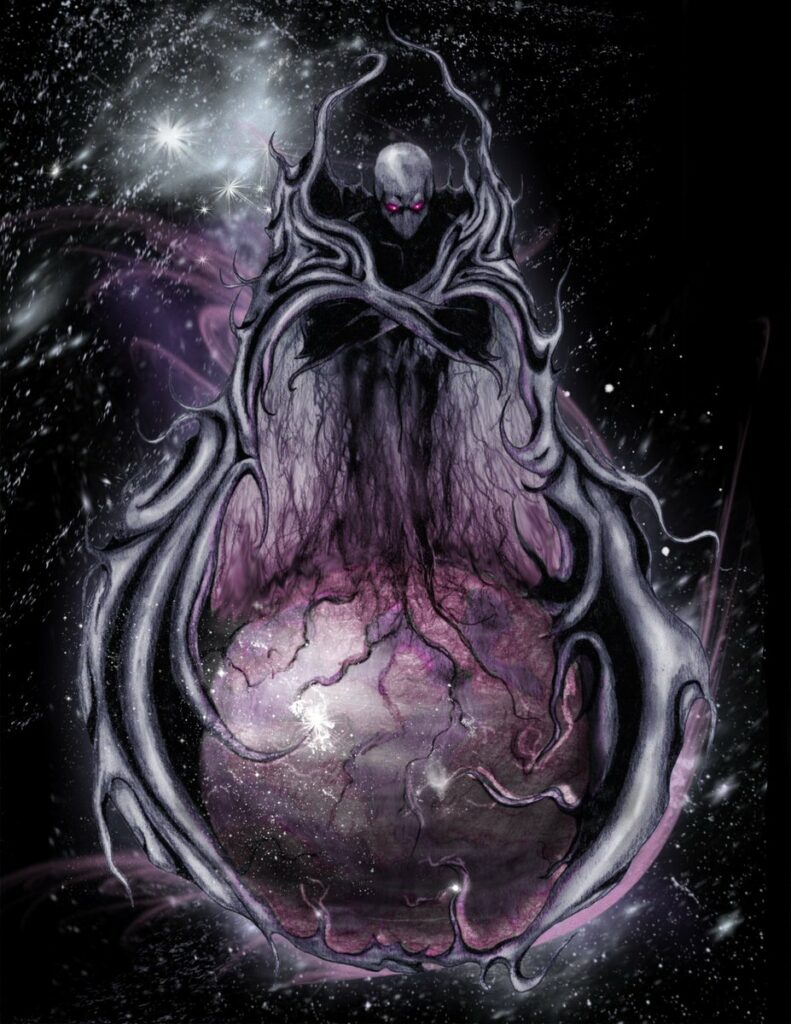
We have already said that the modern hermetic myth urgently needs to return to a holistic view of the worlds and their driving forces; it needs “de-Abrahamization,” that is, a return to healthy polytheism, and also “de-psychologization,” that is, a shift of views on “matrices” and “archetypes” from a psychological to a physical point of view. Such a view can become an effective basis for mapping reality, and consequently for building effective strategies for the development of the world and the mind.
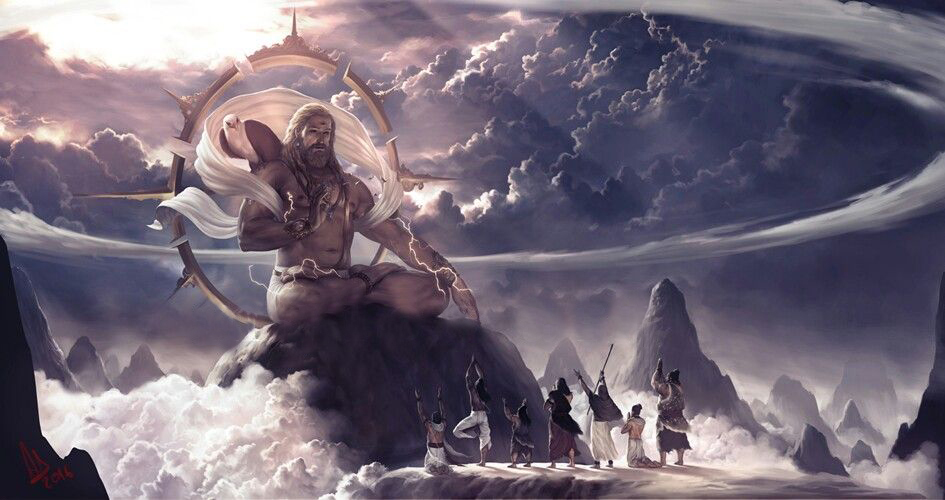
Good day!) Just a laugh, I stumbled upon your book about runes in the tribes of gods and could not make sense of it. I open the blog, and what do I see?)