
Forces Producing and Forming
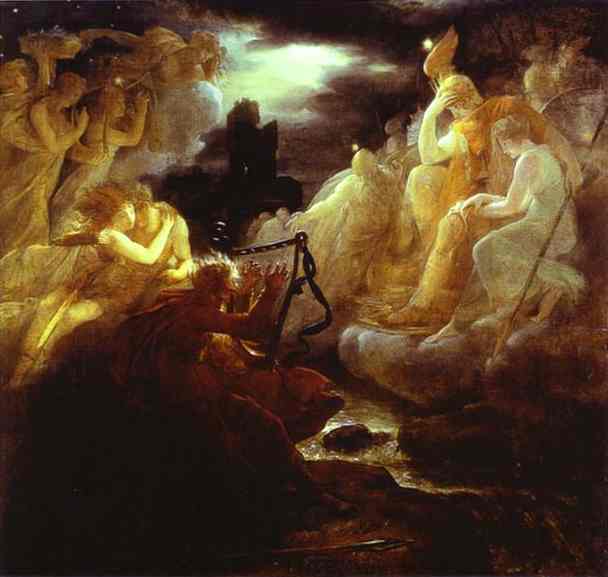
Since pagans, and especially pagan mages, interact quite closely with the forces that govern the manifested world, they must in one way or another clearly understand the nature of those forces.
A primary group of beings tasked with governing existence are the mighty entities traditionally called gods.
We have already noted that the traditional pagan view distinguishes three generations of gods, each participating in the making of the world in different ways — those that give birth, those that form, and those that preserve the cosmos.
At the same time, by their nature the forces governed by the gods are clearly divided into productive and formative forces.
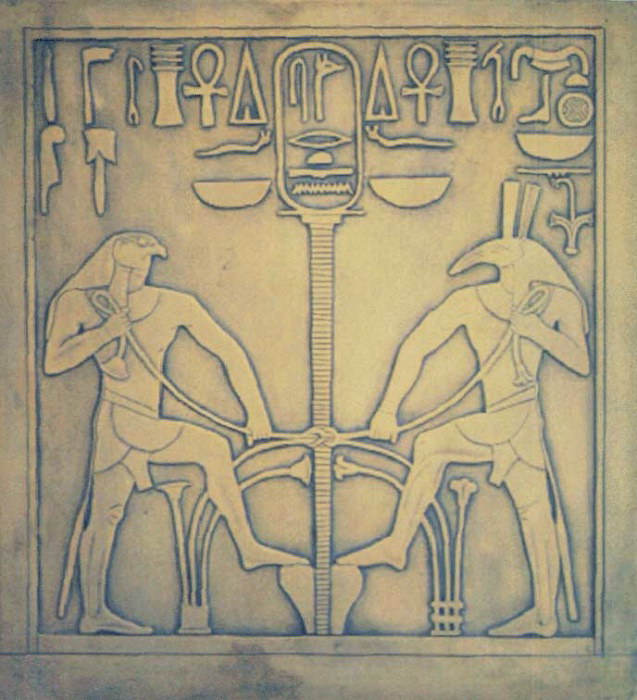
Understanding this distinction helps structure a mage’s interaction with these forces more precisely.
Some gods — this primarily applies to progenitor and elder gods — only participate in separating blocks of energy from the sea of being’s potentials. This separation is essentially the birth of peoples, worlds, and the laws governing their interaction. Such gods and goddesses are traditionally called the “Fathers” and “Mothers” of the cosmos. Their action is manifesting and bringing forth; they are like sources from which being acquires its manifestation.
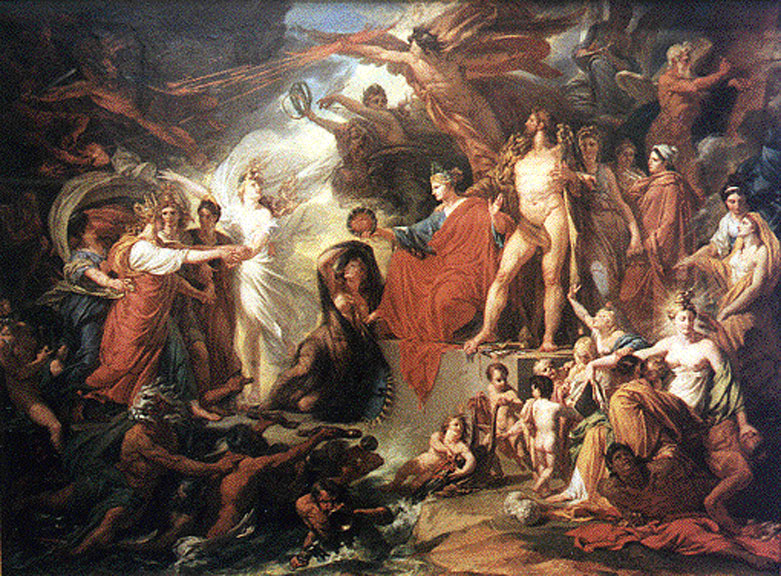
In each Great Ennead such gods are prominent — for example, among the Slavs: Svarog and Lada, Veles and Mokosh; among the Scandinavians — Odin and Freyja, Njord and Jord, and also Heimdall; among the Celts — Dagda, Danu, and Domnu. Most of the Primordial Jotuns also belong to these forces.
The second group of gods brings about the relationships between energy blocks; in other words, they form a world suitable for interaction with perception. It is precisely these gods who perform the functions associated in the mind with the Shining Hierarchy — they govern the Cosmos. Their power is formative, sustaining, directing. Examples of gods characterized by such force are Perun and Dazhbog, Thor and Freyr, Taranis and Lugh. The same forces are expressed by most gods of fertility — the Vanir and Elementals.
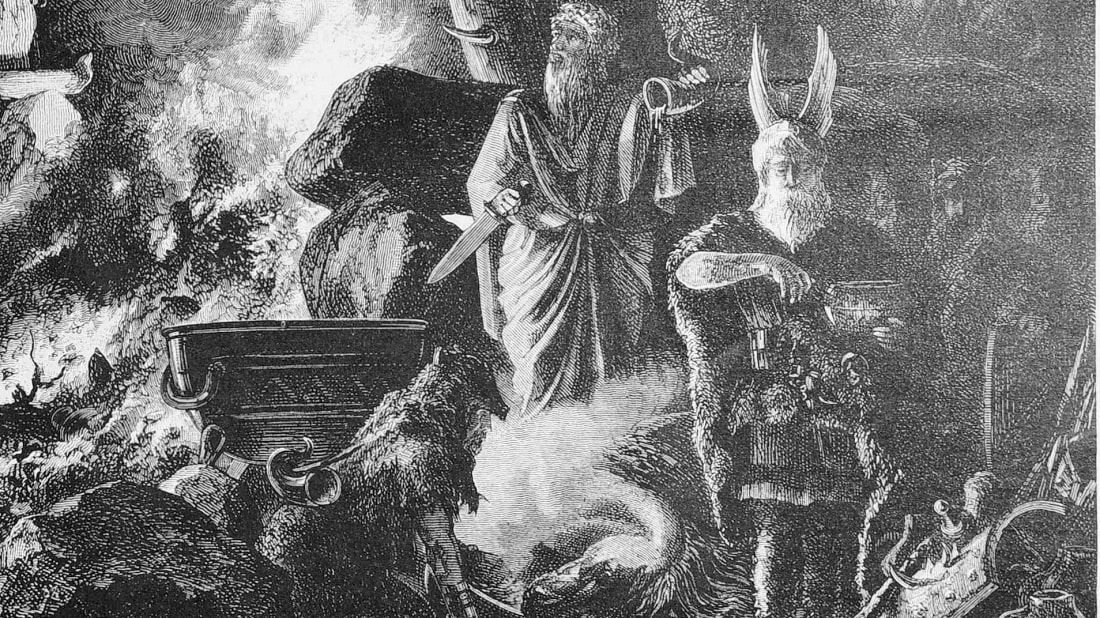
However, one should not assume that only the Elder gods “generate” and only the Younger gods “form.” For example, among the Elder gods there are also formative Lords — for instance, Ilm and Stribog among the Slavs, Ezus among the Celts, Hœnir and Ægir among the Scandinavians. Similarly, among the Elementals there are Mothers and Fathers who, in their different aspects, give birth to beings and objects that are then shaped by their children.
Thus, when interacting with a god or manifestation, a magus must know the nature of these forces with which he is dealing, and therefore what they can and cannot do. Such understanding leads to greater effectiveness in one’s practice and, ultimately, a harmonious, integrated existence.
Leave a Reply