Vessels for Power
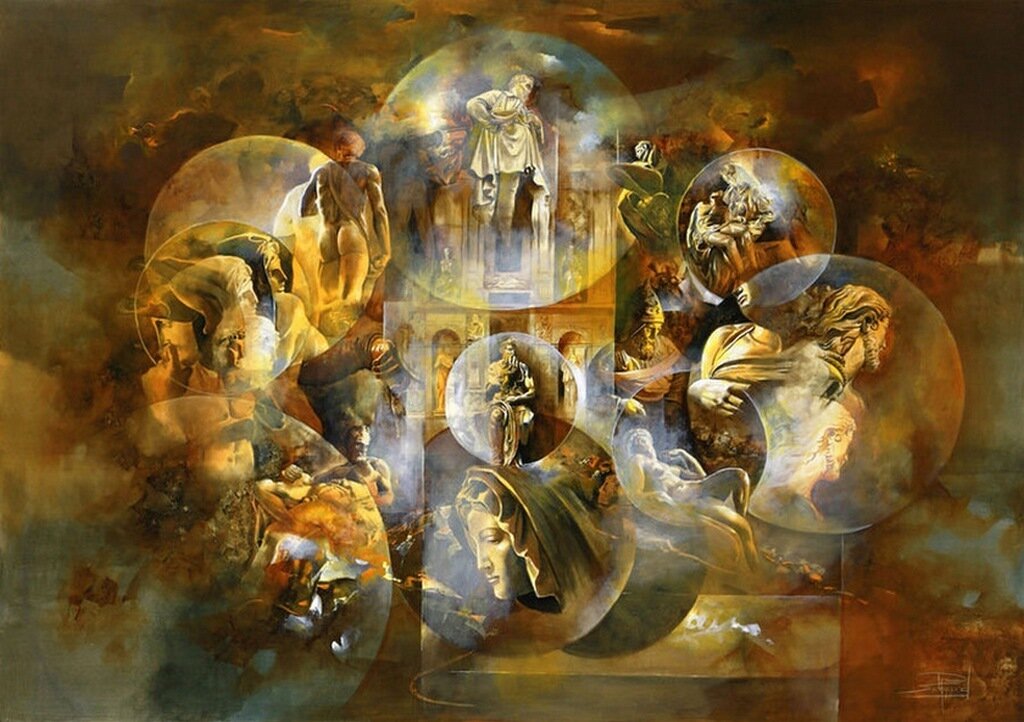
The modern era has profoundly altered attitudes toward religious and magical art and its attributes. Images of gods and spirits came to be seen more as symbols, concepts, and interaction with these images often became indistinguishable from formal meditation. This outlook has led to simplified depiction techniques, neglecting precise depiction of symbols and attributes, and sometimes even to the outright disregard for tradition.
Nevertheless, the traditional view of pictorial approaches is entirely different. According to inward religious and magical beliefs, a cultic, ceremonial object is not simply a symbol, not merely a focal point for attention, not just a means of directing the mind toward a particular idea or experience, but a very definite, concrete vessel, anchor for the manifestation of a given energy.
This idea rests on defining energy as a property of objects (“the capacity of a body to do work“), which implies the need for a support or ‘ground’ for the manifestation of energy as a particular object, a body. In other words, from the standpoint of the Myth under consideration, energy does not exist “by itself”; it is always an expression of active agency (in the language of the Myth — desire) of a particular bearer, a particular object. Note that the ‘desire‘ understood in this way is not an expression of the psyche but is regarded merely as a creative impulse arising in an object and requiring manifestation. Thus, Magic holds that energy does not exist separately from its bearers. This, in turn, means that the performance of any action that expends energy always requires the presence of a source for that energy.
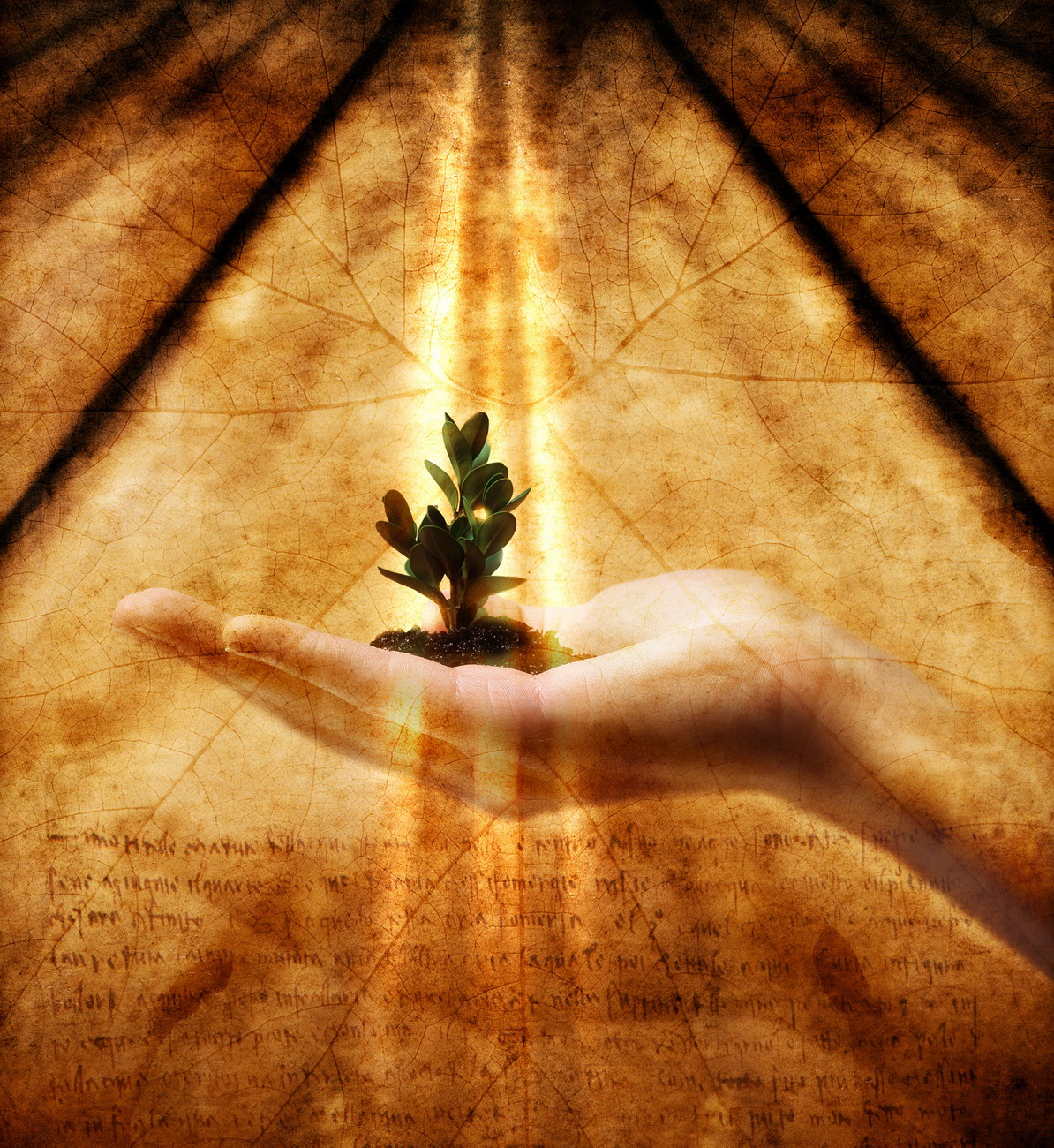
At the same time, since any manifested stream of consciousness is simultaneously a flow of energy, it requires a body and other points of support. Accordingly, if a person whose mind is grounded in the physical body wishes to interact with a mind or energy that has other planes/levels of support, they must create a reasonably stable support point for that energy on his physical plane. This was precisely the task of religious and magical art.
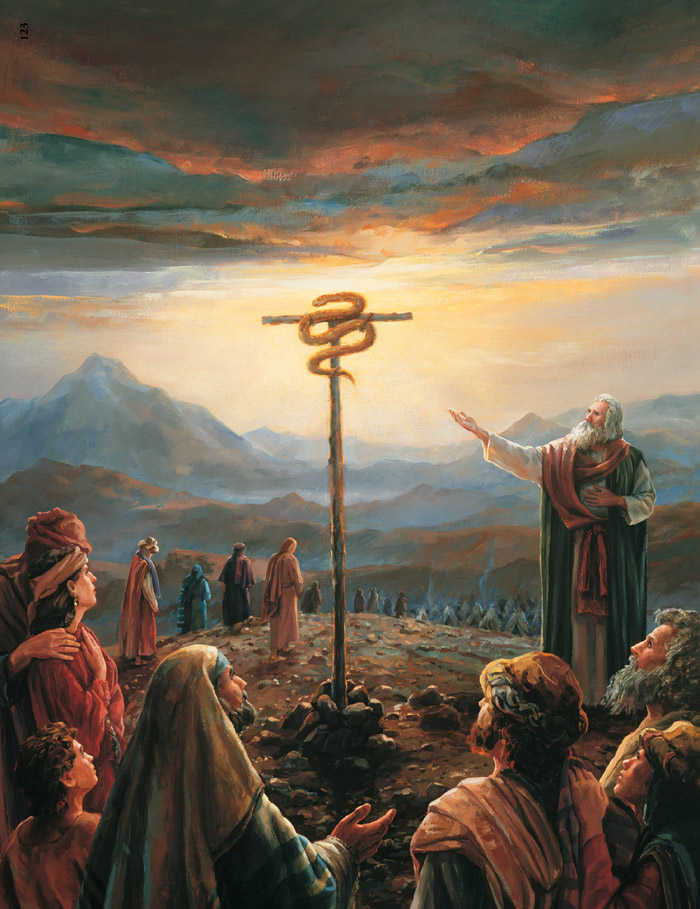
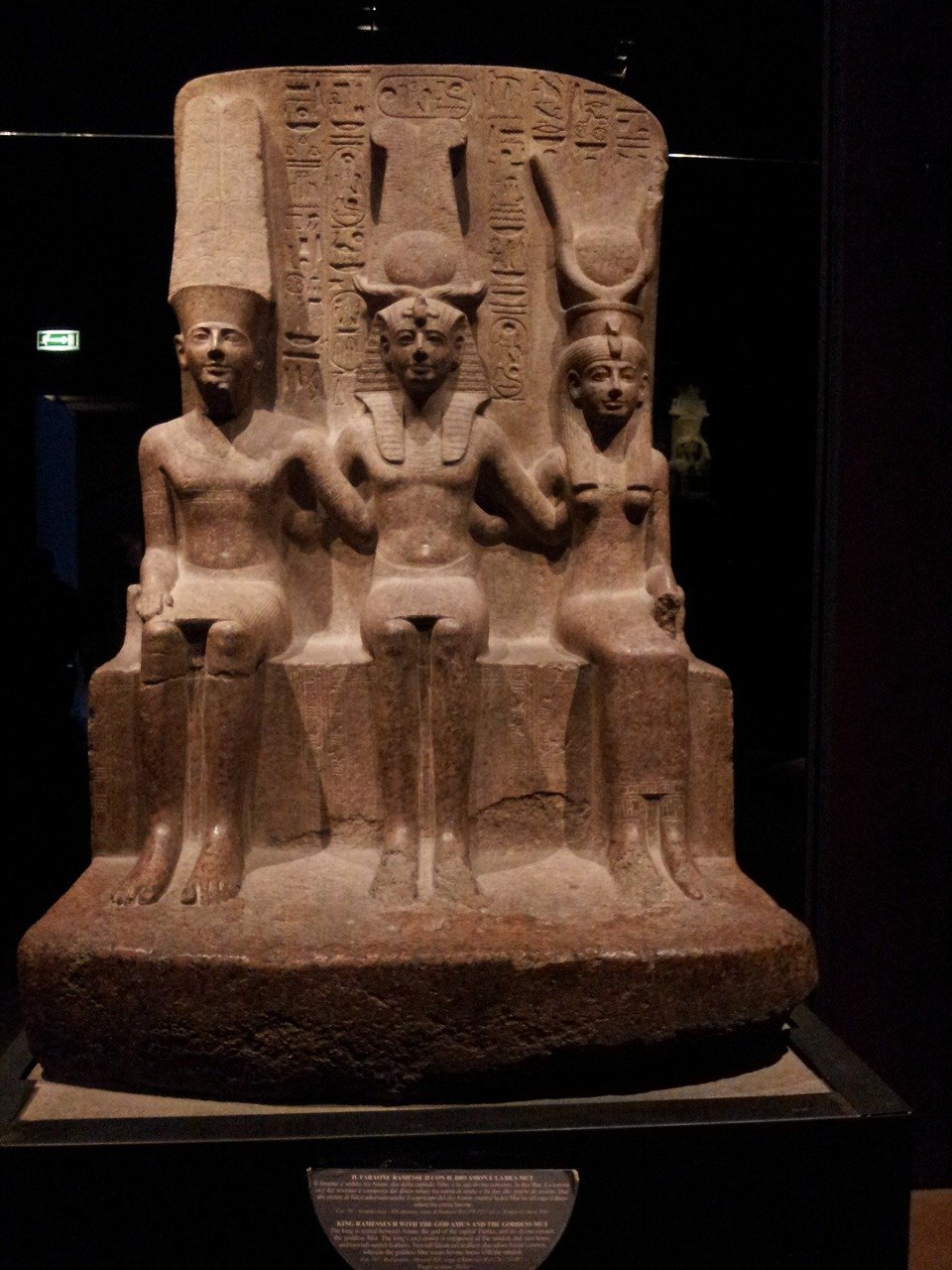
Images, statues and similar receptacles were intended precisely to establish contact with a given power, being or energy. The more closely the bearer matches the qualities of the energy drawn into it, the greater the chances of success in such interaction. Moreover, it is thought that the very correlation already puts the vessel into a certain mode of interaction with the corresponding power, being or entity. Since energy and vessel are interconnected, it is believed that a suitable vessel always attracts the power appropriate to it, and conversely — any power requires a suitable vessel for its support. For this reason, traditional approaches to creating sacred images always paid great attention to depiction details, attributes and the bearer’s characteristics, thereby bringing the receptacle into as close correspondence as possible with the character of the force drawn into it. When such correspondence was achieved to a significant degree, “miraculous icons,” “magical statues,” and similar extraordinary artifacts would arise.
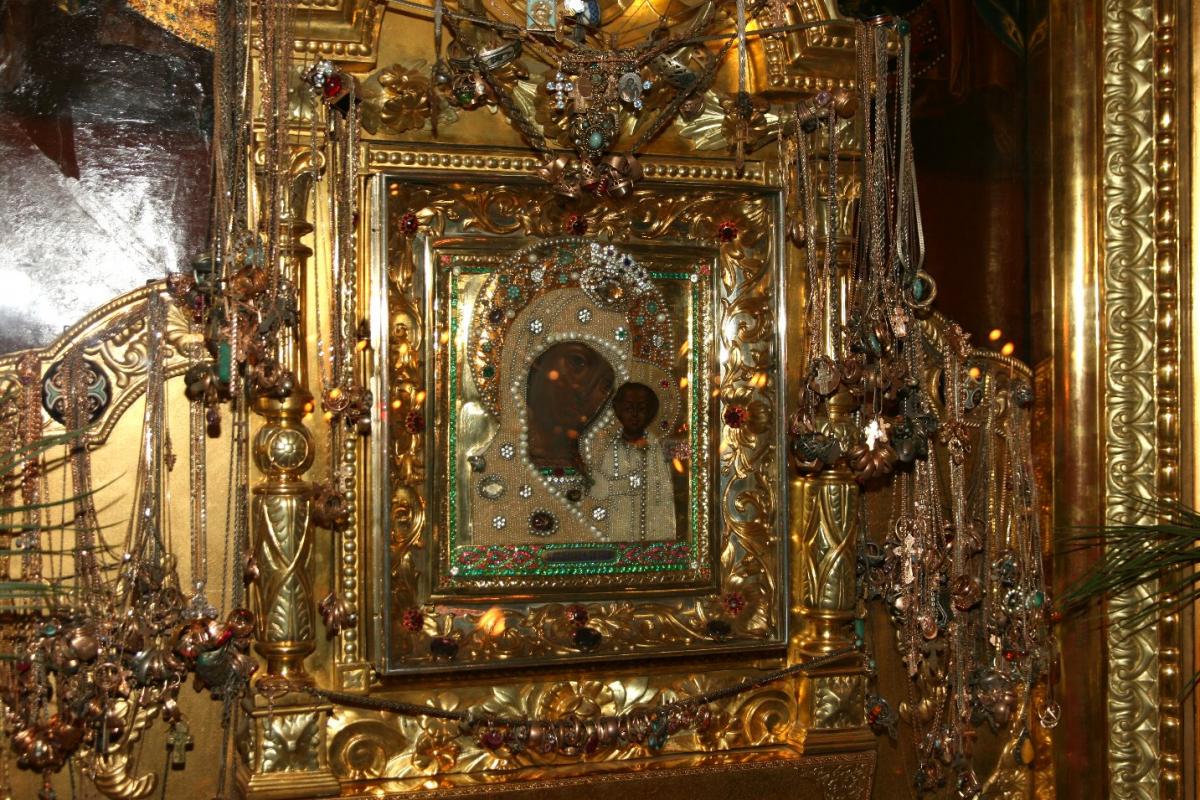
However, beyond this connective purpose, the conception of the importance of matching vessel and the force that rests on it has other important consequences.
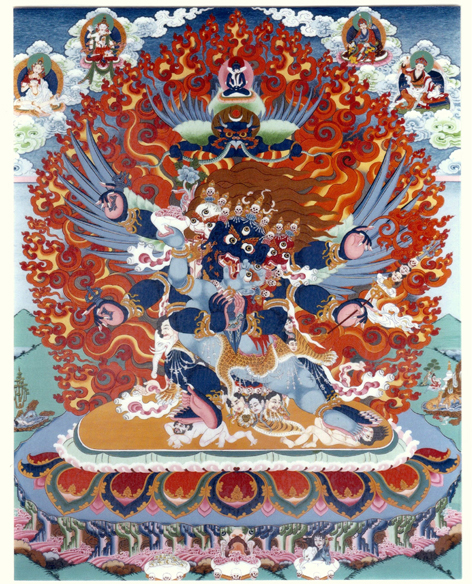
The first important consequence concerns transformation, the perfection of the practitioner. By becoming a more perfect vessel, the practitioner ensures the possibility of a more perfect flow of energy through them, and thus a purer, freer manifestation of mind. This is precisely how “deity yoga,” “the adoption of divine forms” and a number of other Eastern and Western methods work. By creating an imaginal vessel, the Vajrayana practitioner attracts the corresponding power, form or matrix of mind. It goes without saying that the more precise and intricate such a vessel is made, the fuller its contact with the corresponding matrix, with the corresponding logos. This is why the tantras pay so much attention to the attributes of meditative deities: the clearer, more detailed and more accurate the visualization, the purer and more complete the contact with the corresponding enlightened matrix.
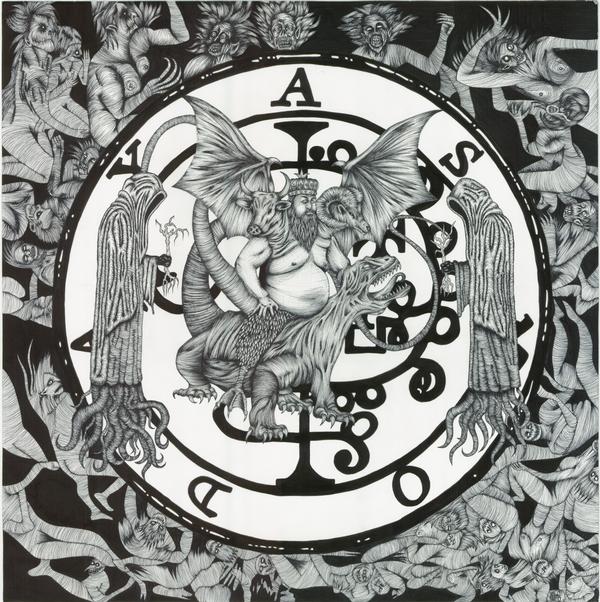
The second important consequence, conversely, concerns purificatory approaches, in particular the techniques of “inner goetic practices.” Images of goetic Demons, matrices built based on their names, and the details of the structure of the vortices on which their mind rests make it possible to delineate their circle of influence more fully, and therefore to facilitate liberation from them. The more aspects of a given destructive entity that fall into the Magus’s field of “purificatory activity,” the more successful the cleansing of their mind. Incidentally, these details are no less important to demonolatry.
Kabbalistic approaches to the study of the nature of vortices and the matrices resting on them have long been mental rituals allowing one to establish the modes of manifestation of particular forces or energies, and therefore to govern them: to strengthen desirable ones and weaken undesirable ones.
Thus, the magical conception of the interdependence of energy and its bearer has traditionally underlain many approaches and practices aimed at both practical and transformational needs. The “maximum objective” in this sense is to turn oneself into a vessel for the infinite mind that the Great Spirit is in each of its individual manifestations. Neglecting this understanding not only diminishes the effectiveness of the Magus as a practitioner but also considerably narrows the horizons of their development.
Leave a Reply