Vectors and Their Supports
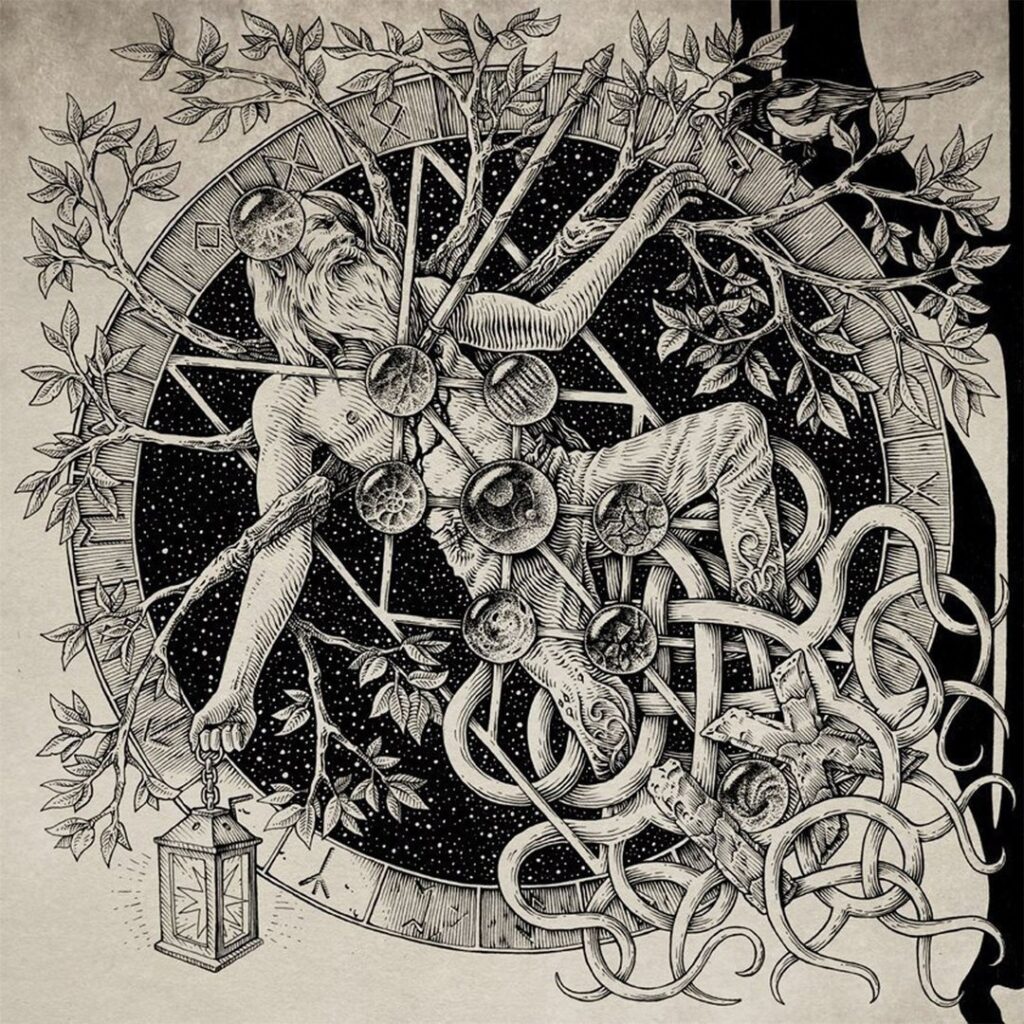
As we have often pointed out we have said, any act of will can be represented as a vector, a prolonged energy impulse that arises, endures, and culminates in realization.
The existence of the Universe is a vector with its starting point at the “Big Bang” and its end in collapse; a human life is a vector from the fertilization of the egg to the last breath; a spoken word is a vector from the birth of the thought to the perception of sound; and so on.
The source of a vector’s manifestation is therefore the impulse that generated it: all the Universe’s energy was born at the moment of the “Big Bang”, and the energy of a drum membrane’s vibration in the ear of the listener who hears a word has its origin in the speaker’s thought.
If we speak of the Universe as a recurring Macrocosm — we may describe it by the Rune Dagaz; if we emphasize its energetic aspect — by the Rune Uruz; if we note its enclosed nature — by Othila, and so forth.
Viewing any process as a vector, we understand that any “higher-order” vector can be regarded as the sum of lower-level vectors, and, just as the cosmos can be considered as the sum and integral of the vortices of the Medium, it can also be described as a Great Vector obtained as the vector sum of individual acts.
Moreover, just as the vortical structure is described by the tetragrammatical law and reduces to four basic characteristics of any vortex, one can discern three “elementary” vectors, each of which manifests on eight levels. The “elementary” vectors reflect the “original” impulses that lie at the basis of any manifestation: the striving to be, to interact, and to take form.
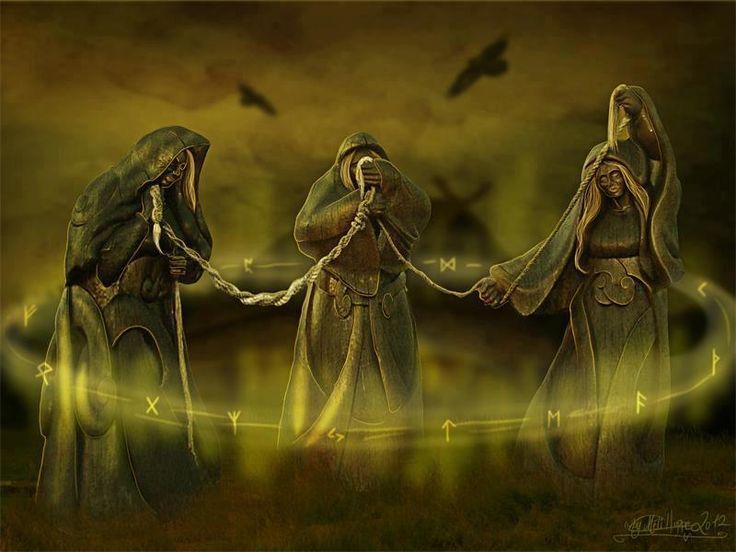
It is precisely for these reasons that one can identify 22 basic vortical and 24 basic vectorial components of any process.
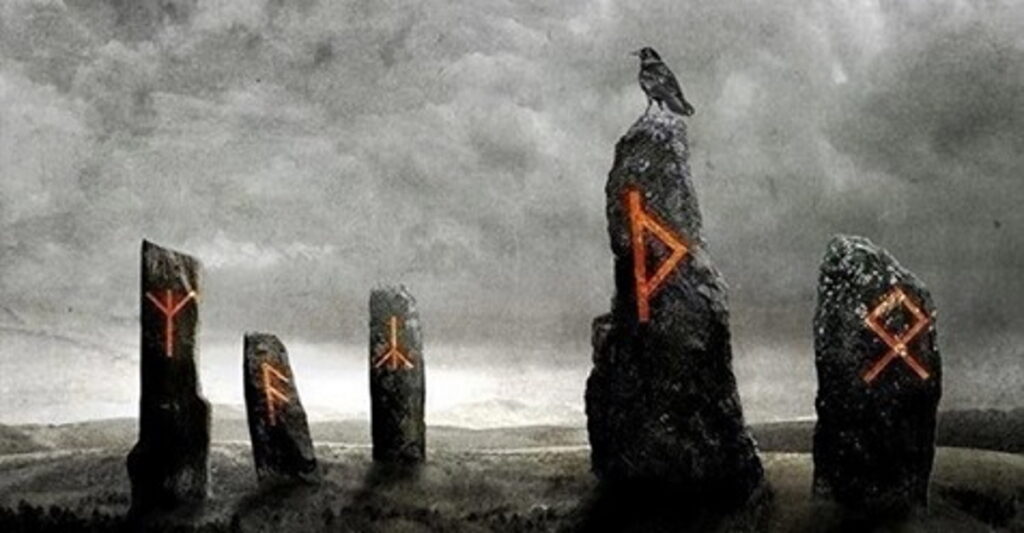
As we know, “elementary vortices” have traditionally been described by the letters of Near Eastern alphabets (otiot, אותיות), while “elementary vectors” are Runes.
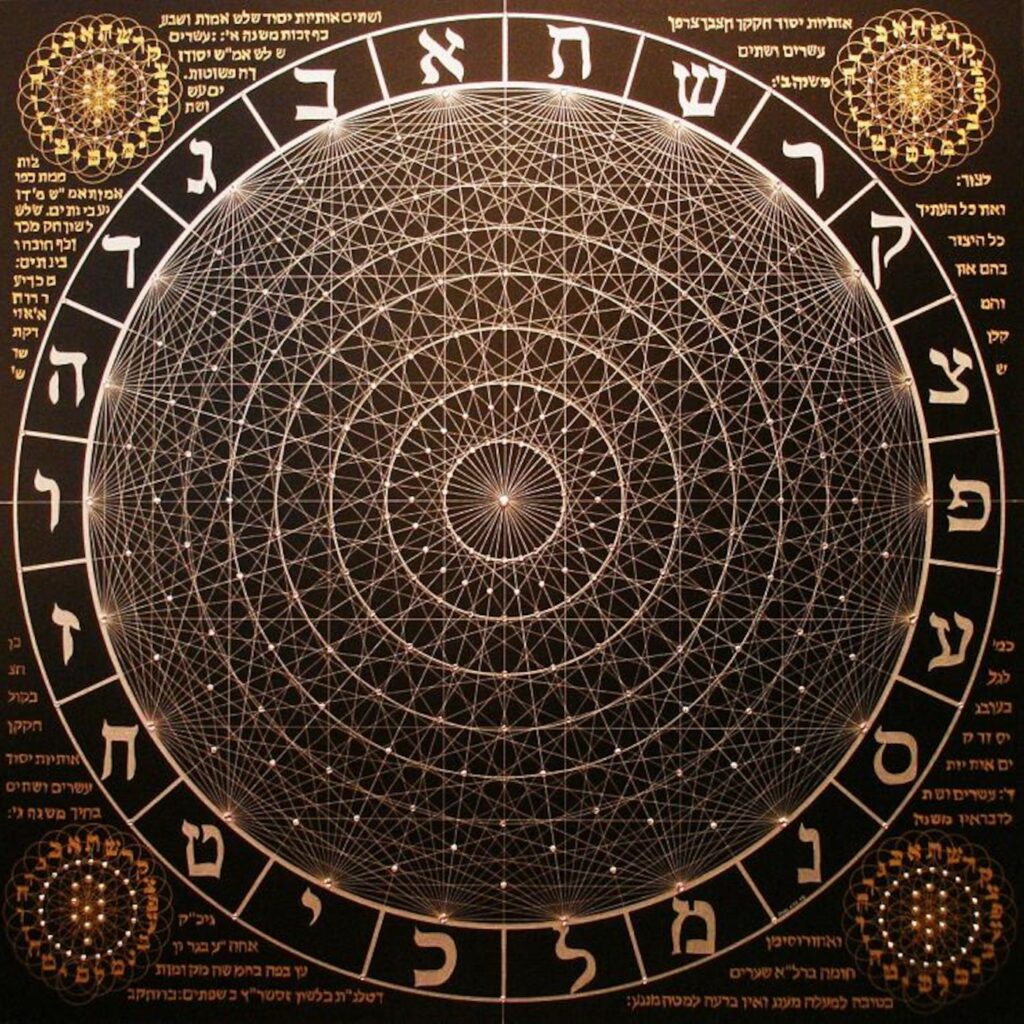
At the same time, such a realizational sign or symbol is seen as more than an indication of the corresponding energy, but as a particular form of its existence. One might say otiot are the vortices, and Runes are the vectors.
Accordingly, both letters and Runes are, on the one hand, a support for the will, and on the other hand — they need a support.
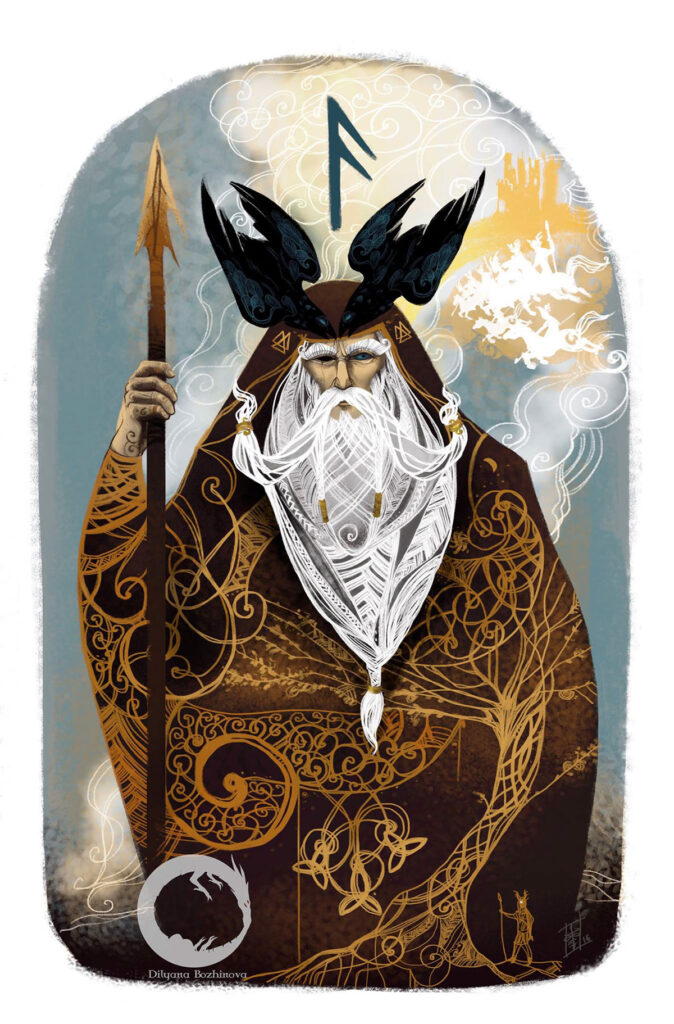
As the well-known Magical law states, “to make gold you must have gold,” and therefore the carving of Runes is, on the one hand, the creation of new powers and conditions for realization, and on the other hand — it also requires considerable strength. In carving a Rune, the eril draws the corresponding energy into the world, introduces that vector into the field of action, and thus affects the cosmos as a whole.
For example, carving the Rune Fehu is, on the one hand, extracting from the potential medium of a possibility for some realization, the creation of a receptive vector, a productive energy; but on the other hand it also requires a significant vóda, reinforced by the fire of desire. At the same time, the energy of inspiration is the foundation of any Runic vector, and each also requires an additional support in the form of the “seed” of that energy which must then form the corresponding vector.
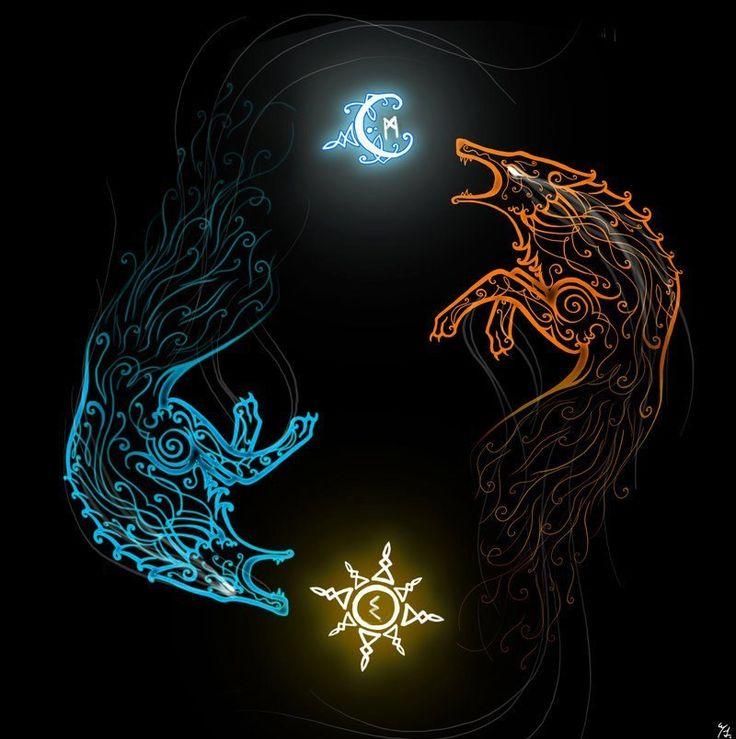
Thus, one may say that Fehu is the inspiration to receive, Uruz the inspiration of vitality, Thurisaz the inspiration of overcoming, and so on.
This is precisely why a broad understanding of the symbolic field of each Rune is so important — it allows one to identify the energy expressed by a given rune and the energy required for its manifestation.
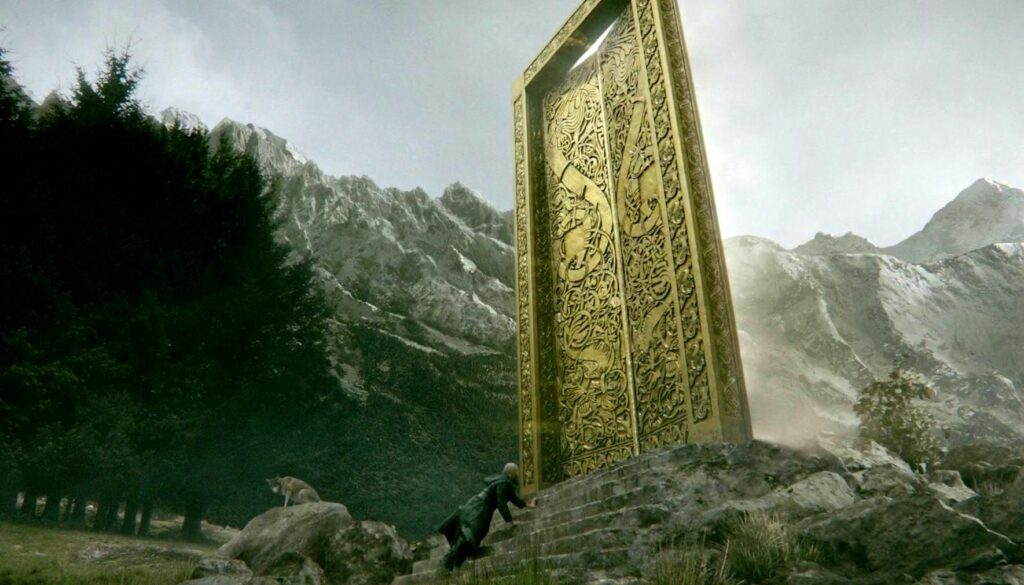
Accordingly, the mere “depiction” of Runes without 1) an understanding of their nature and 2) possession of the corresponding power is, in fact, like poking various objects into an electrical socket: it may be harmless, it may ruin the wiring, or it may harm the person doing the poking.
For a Magus studying and using supports for energy work, including their graphic forms, it is important to clearly identify both the energies themselves and the forms of their manifestation; to carve Runes — you must understand them.
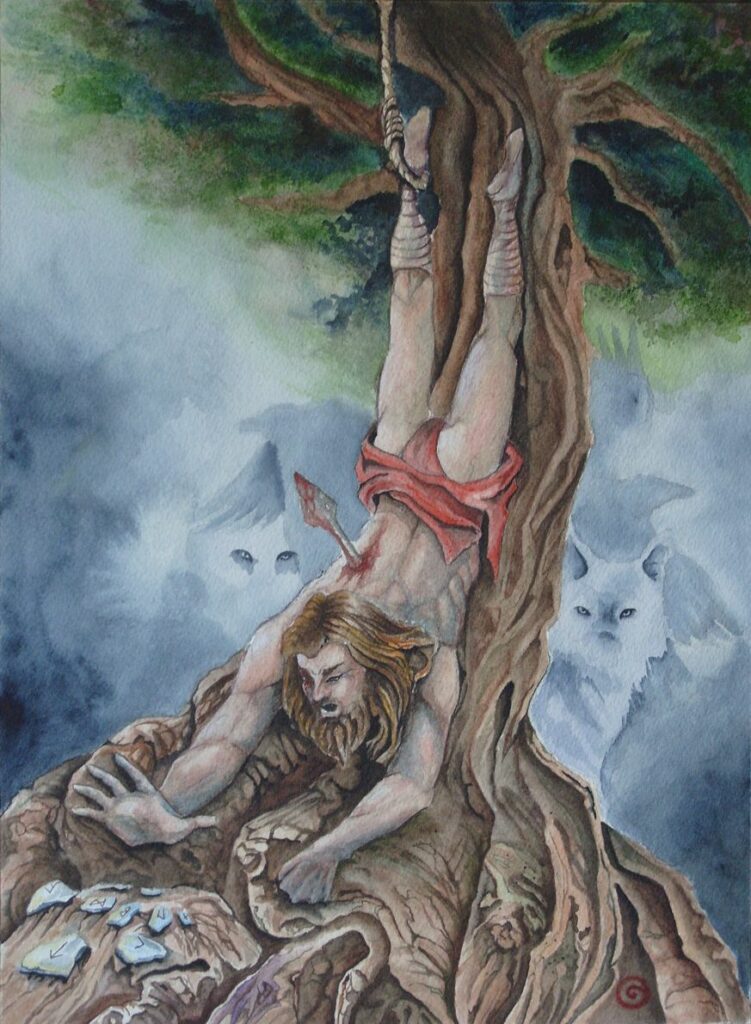
What level should one be at to “think” to carve and to read and hear them? And what level should it be to use them in magic?