Gatekeepers and Psychopomps
We have already, on several occasions, discussed that the world is perceived as a collection of discrete objects, processes, and beings thanks to a particular differentiating force — Naxash, the Threshold — which is sustained, preserved, and regulated by the paired power of the Keeper of the Threshold.
We noted that the concept of the Threshold and of the forces that keep it — supporting its stability and its plasticity — is one of the foundations of the magical myth, with numerous philosophical and practical implications.
In particular, we have repeatedly emphasized that the study of mythology for a magus is not an idle pastime but important theurgical preparation, enabling more effective interaction with various powers by activating the corresponding states and matrices of mind.
From a theurgical point of view, the search for and activation of matrices corresponding to the manifestations of Threshold powers can be an extremely valuable tool both for protecting the mind from unwanted influences and, conversely, for facilitating inward journeys into one’s depths and beyond one’s horizons.
Therefore mythological figures corresponding to these matrices have always attracted the attention of Magi, and many of them were even regarded as special “gods of the magi.” Such are the pairs Veles–Semargl, Heimdall-Loki, Anubis-Upuaut, Gwydion-Bres and so on.
Note that in each case the Power of the Threshold is described as paired, expressing two aspects of the Threshold: its stability and, at the same time, its selective permeability. From a practical standpoint the existence of these two “Gatekeepers” is extremely important because it allows for a differentiated approach to interacting with the Threshold.
When a magus needs to strengthen their mind, an object, or a process, activating the Keeper matrix of the Threshold will be particularly valuable; when tasks require increased lability, energy exchange, or other “penetrative” operations, the matrices of the Guides will prove useful.
The forces that stabilize the Threshold fall into two principal groups:
1) Keepers of the world’s stability — chiefly the thunder-gods (Perun, Zeus, Thor, Indra), and also the warlike solar Guardians such as Horus, Lugh, Mithra and others. This group upholds the Threshold indirectly, stabilizing the manifest cosmos and actively removing from it manifestations of chaos and destruction.
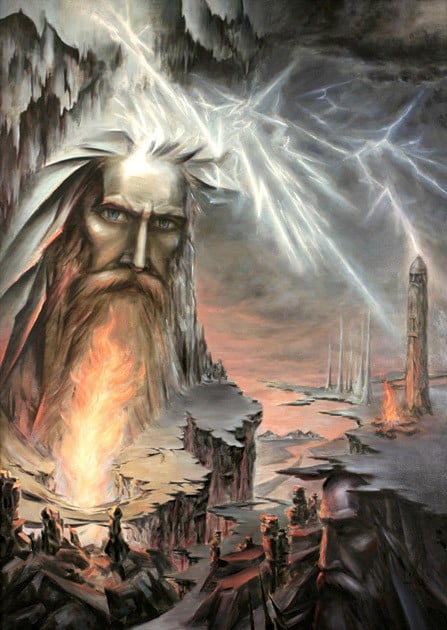
2) Keepers of the Gates, the guardian gods of the Threshold itself, who personify the Threshold’s power. Such are Veles, Heimdall, Osiris, Janus and others. These gods always possess a certain ambivalence, because they belong to both worlds — to both cosmos and chaos — and therefore stand somewhat apart from the other deities, arousing other deities’ caution.
Similarly, the forces that cross the Threshold also fall into two groups:
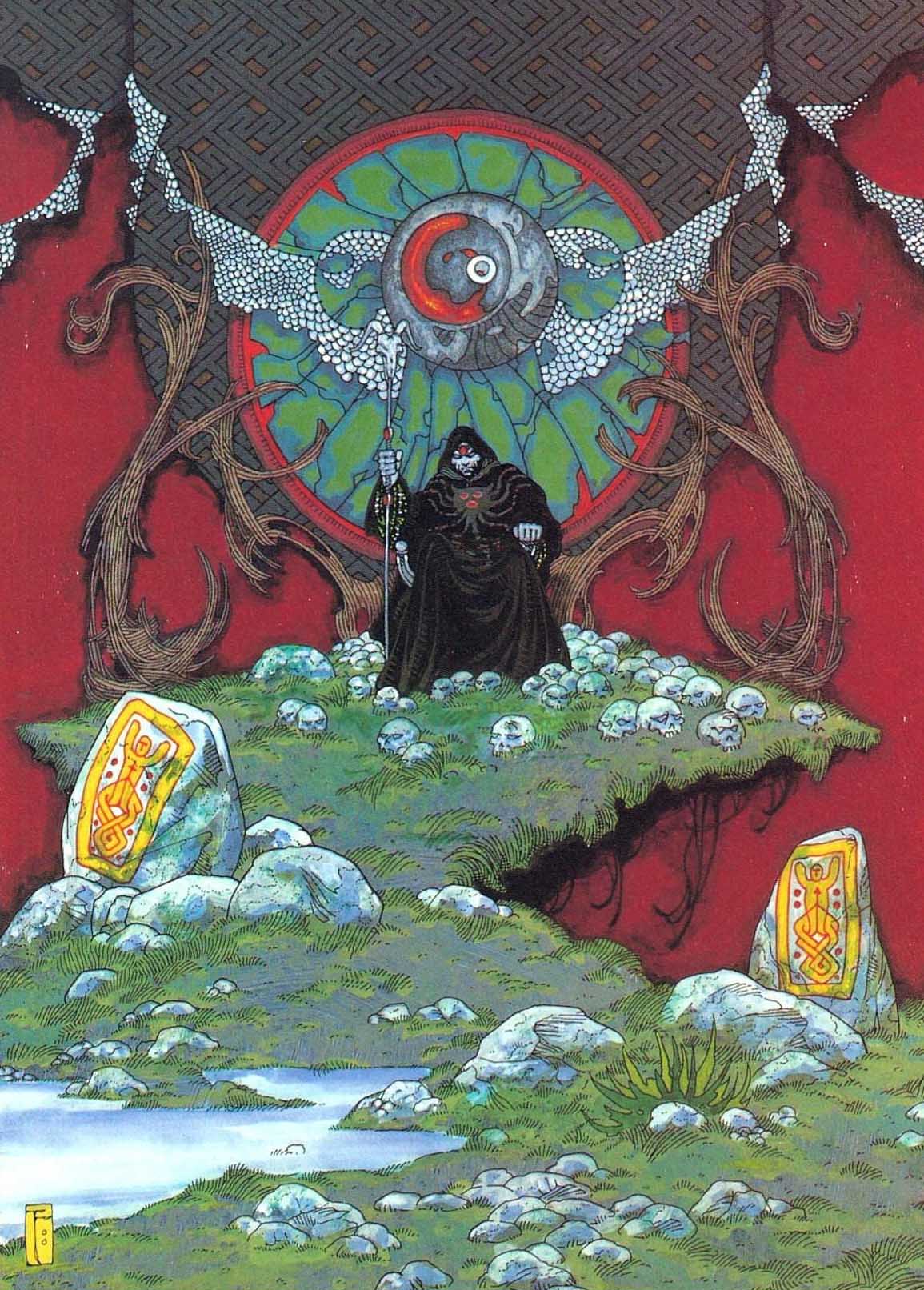
1) Breakers of the Threshold, who provide for the exchange of energy or values between worlds, as well as between manifest and unmanifest reality. Among them are Loki, Semargl, Set, Agni, Bres and others. These gods are often misunderstood by the main pantheon or even rejected by it, although they perform a crucial role in the existence of the cosmos.
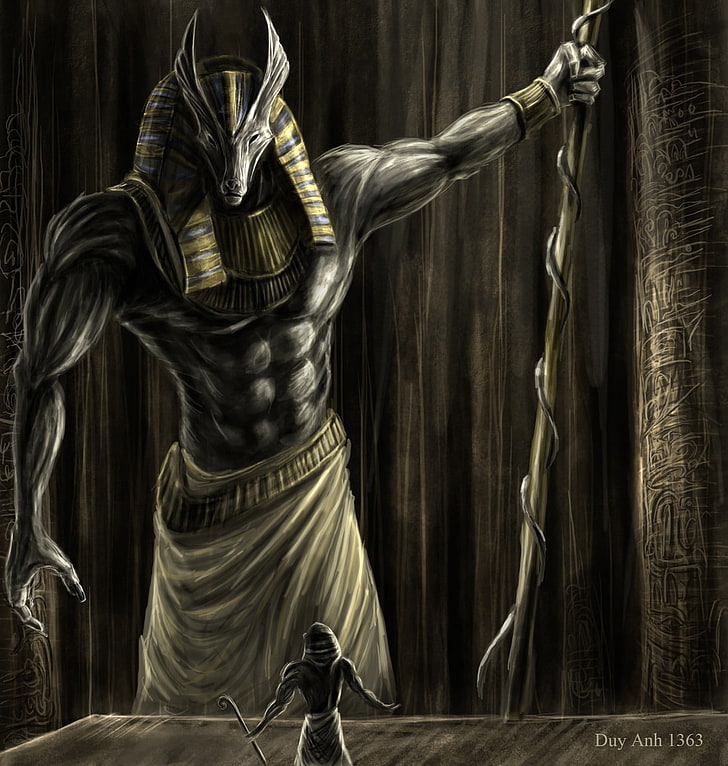
2) Psychopomps, who ensure the transition of souls and minds from the embodied state to the afterlife. Among them are Anubis, Hermes, Azrael (Abaddon) and others. These powers are important both for passing through the space between incarnations and in vision-seeking rituals, as well as in initiatory mysteries.
Studying the features of the pairs of powers that uphold the Threshold, and searching for attributes and characteristics that enable one to detect and activate the corresponding matrix within oneself, can provide invaluable assistance in interacting with the Threshold.
And whether the matter is an independent theurgical practice, its integration into the wider fabric of the magus’s way, or simply preparation for the afterlife and overcoming the interspace — becoming acquainted with the powers of the Threshold, their particularities and manifestations, proves useful in every case.
Leave a Reply