Creation and Sustenance
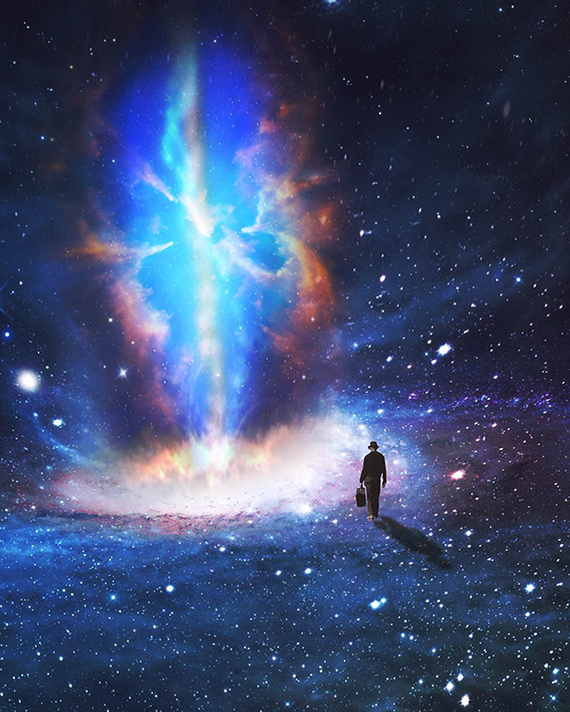
According to the Magical Myth (which modern science also supports), the cause and condition of the existence of the manifested world of particular objects and phenomena is the present, descriptive, and recording — and thus creative mind.
The myth asserts that the two primary principles of manifestation — the environment and the mind — are merely potential and exist only in an epistemic sense, while actual being arises from their interaction.
Both the environment and the mind are viewed through their infinite diversity — as assemblages of worlds and the beings that inhabit them. The environment is the field where the mind is realized, and the mind is the formative force shaping the environment.
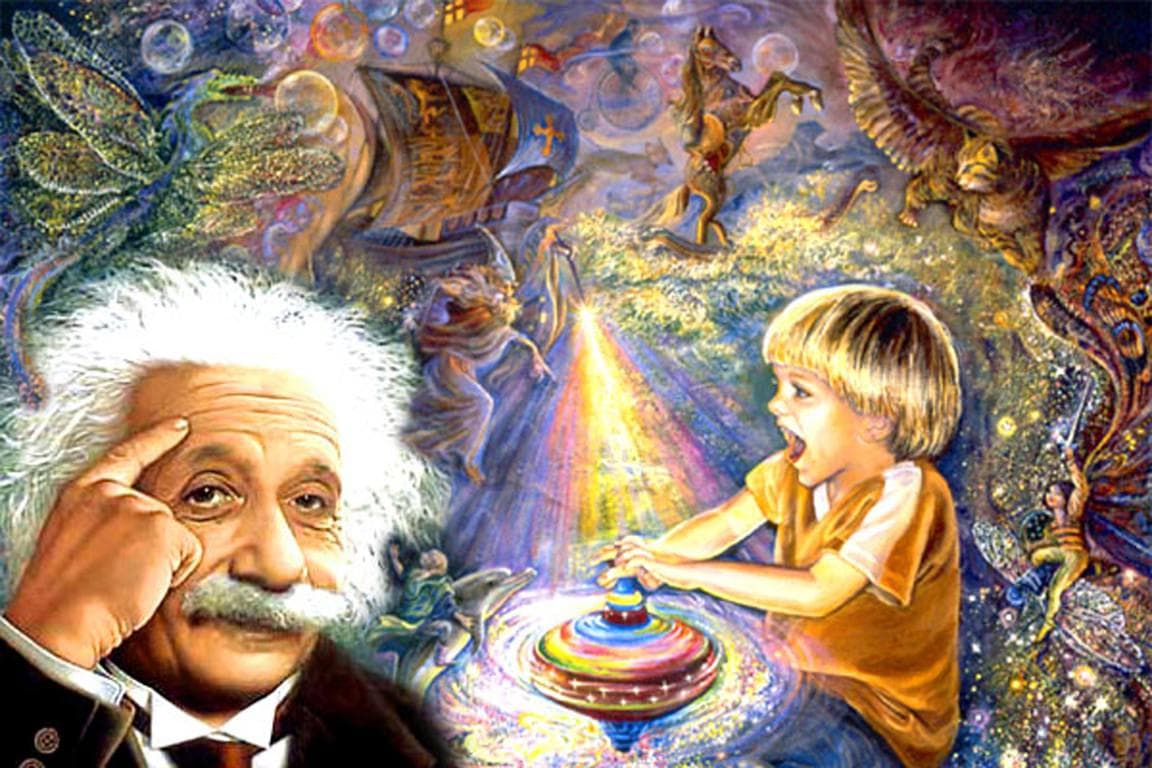
Two groups of beings — “free” and “ministering” — manifest this activity in two ways — through creation and preservation (and also through their opposites — destruction and destabilization). The creative forces of the cosmos, traditionally called gods, carry out the activities of creating, shaping, and preserving the objecthood of universes, while the dual angelic and demonic hierarchies maintain dynamic equilibrium among processes.
The human mind, occupying an “intermediate” position and serving as the point of greatest concentration and contact between the “spiritual” (psychocosmic) and the “material” (macrocosmic) aspects of reality, is capable of carrying out all mentioned activities: a person can be creator, shaper, preserver, and destroyer of the world.
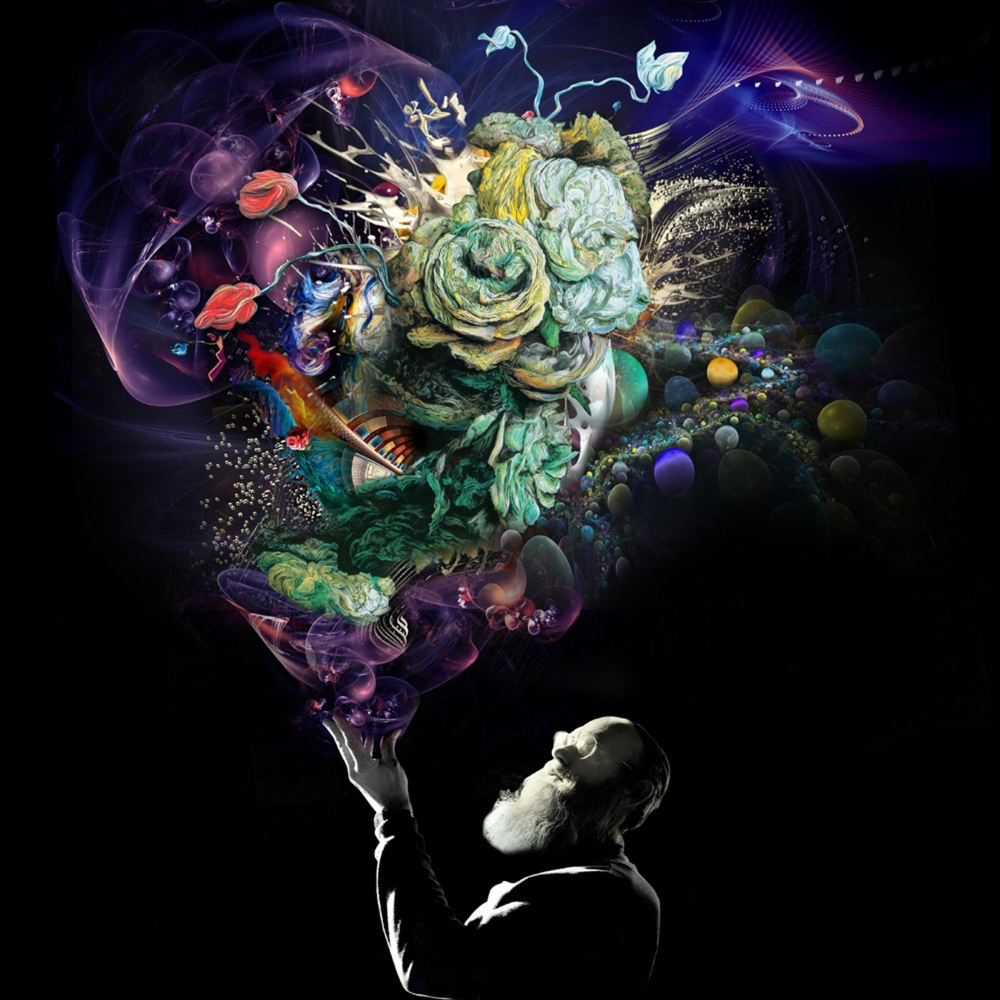
Nevertheless, the vast majority of people do not realize their creative potential, taking part only in sustaining an already created worldview, reinforcing existing descriptions and established interactions.
It is clear that the creative faculty of the human mind, if not supported by discipline or a high level of awareness, can plunge the cosmos into chaos, as happens in the realm of dark dreams. Society uses many mechanisms to restrain this activity, which arise from human collectives, from egregores, and from the forces of the Interworld — Archons and Dreamkeepers.
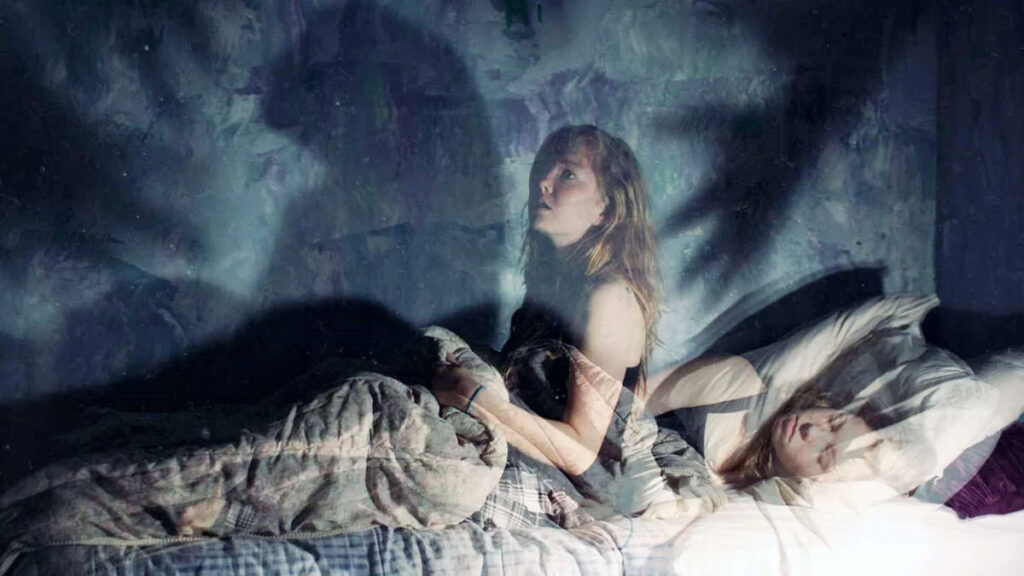
Still, the creative energy of the human mind seeks an outlet, seeks ways to express itself, and manifests as art, fantasies, illuminations, and other manifestations of imagination.
Thus another aspect of the liminal existence of the human being arises — a balance between the uncontrolled outpouring of the creative energy of imagination and its suppression or repression into the shadow. A shift toward the first pole can be destructive for the world, and toward the second — for the mind itself, and therefore the task of the developing human being is to tread this edge carefully.
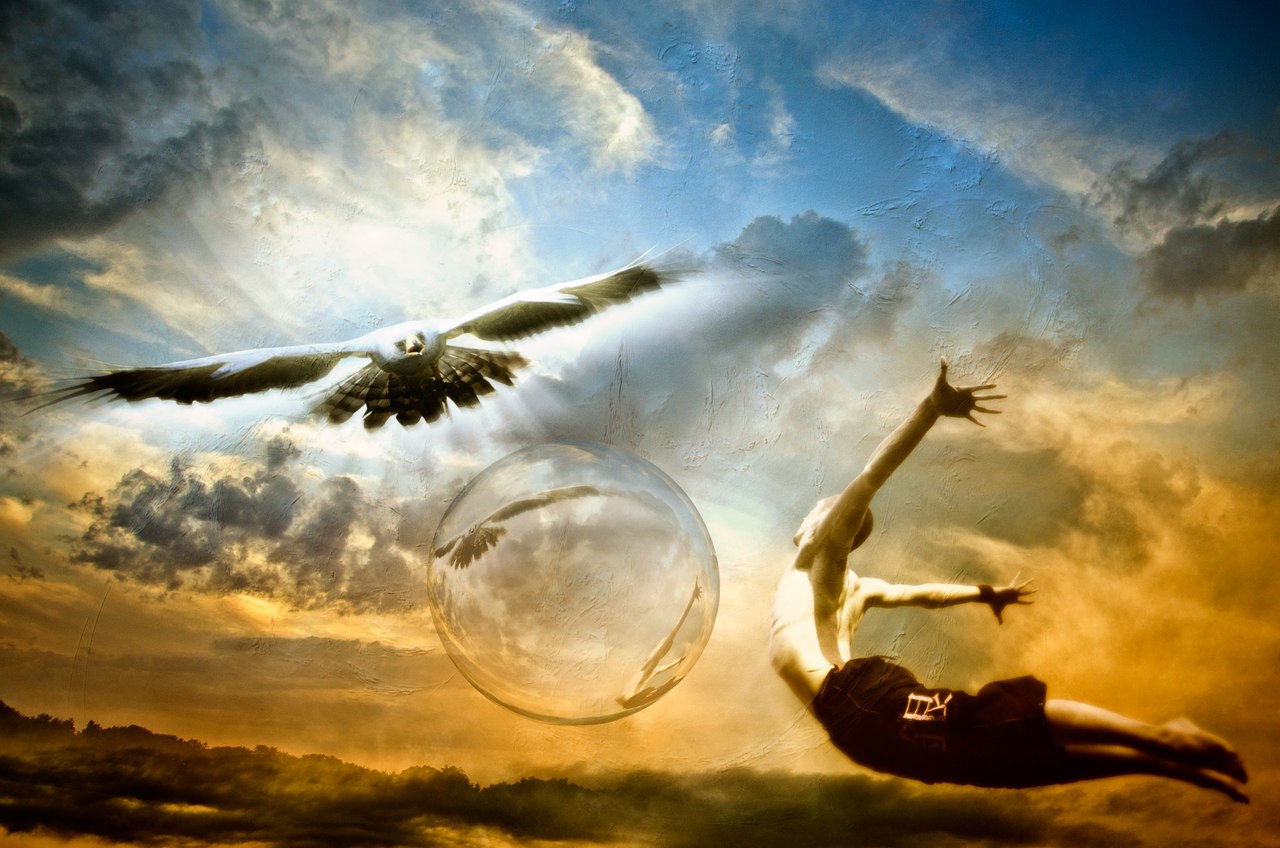
The cultivation and direction of the creative energy of the mind is a driving force behind the development of the cosmos as a whole. In fact, we are surrounded by objects and processes generated by the minds of other people, not only by “divine” works. People whose creative imagination manages to shape or even create objects and processes are a rare but very powerful force for transforming reality. The emergence of such unique creators is always a powerful surge in the cosmos because, unlike the constraints of “necessity” and “regularities” that limit divine creative efforts, the human mind is free, and its works are often original, unconstrained, and spontaneous.
For the Magus, the activation, development, and control of this component of the mind is also one of the key tasks, especially at the higher levels of Adeptate and Mastery.
“Games of imagination,” magical visualizations and illuminations are means of awakening and harnessing such abilities. The ability to awaken a living imagination, to inspire it, and to direct it, is a crucial faculty that affects the evolution of both the psyche and the macrocosm. To underestimate this ability is to slip from the subjective role of creators of reality to the objective — merely its substrate.
Leave a Reply