
Goetic Rituals as Mysteries
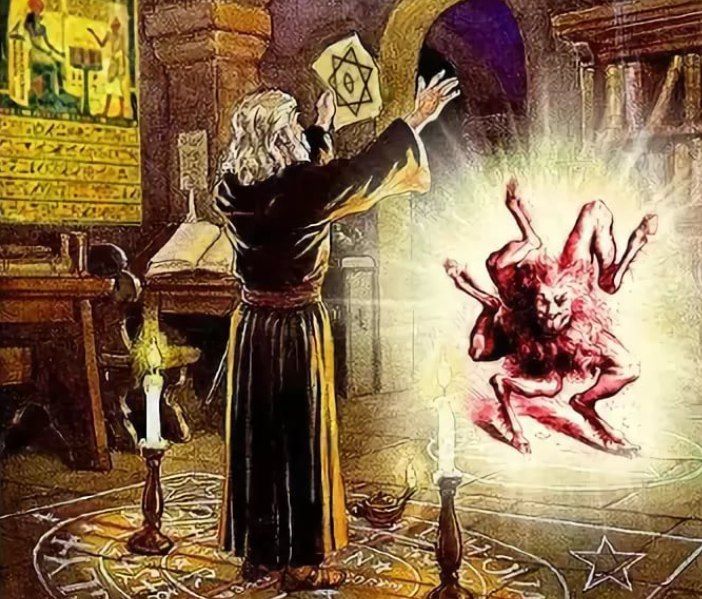
As one of the most extreme varieties of Competitive Rituals, goetic evocations are not only an unsurpassed means of increasing Power and Authority, they also prove to be an effective threshold tool that enables the overcoming of barriers in the development of consciousness.
Such rites, intended to ease and hasten the mind’s passage from level to level, have been called mysteries since antiquity, and the tradition of conducting them is a cross-cultural feature.
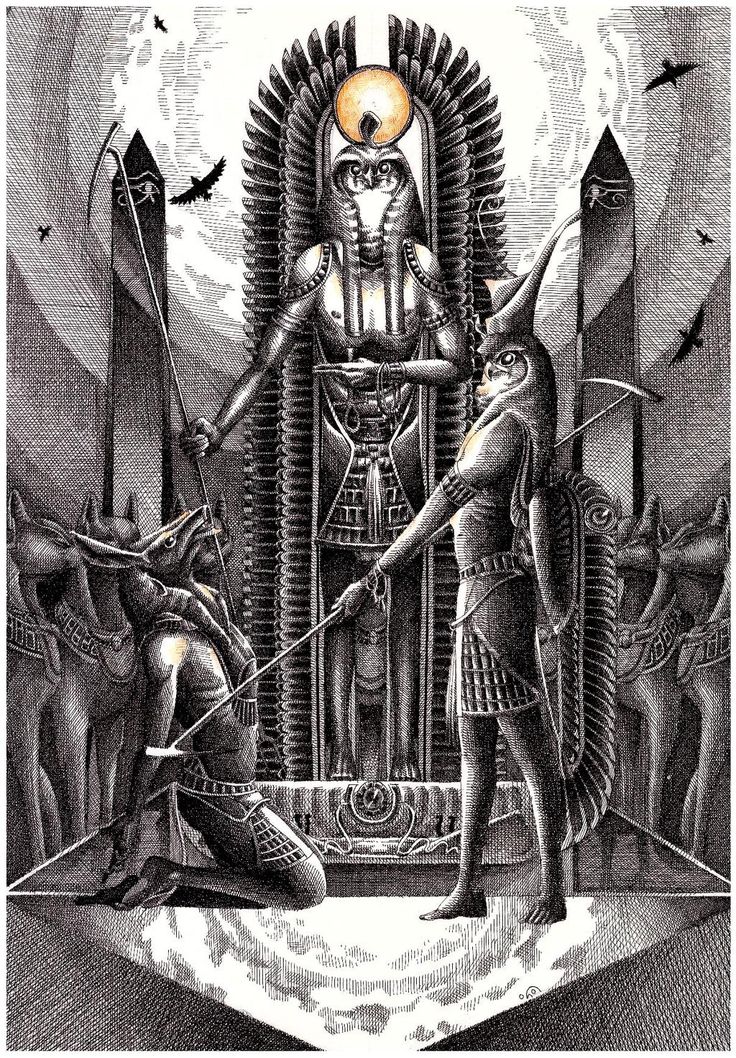
Formally speaking, a Mystery is an energetically charged and emotionally intense symbolic enactment of the path of consciousness, in which the initiate, in a symbolic form, traverses the entire Way — starting from their current state and proceeding to the hypothetical Great Perfection. Two aims are achieved in this: first, the mind becomes acquainted with the “map” of its development, studies its stages and characteristic obstacles; and second, it enters into contact with the corresponding higher energies not accessible at its present level, which eases subsequent mastery of them. The invocation of initiatory forces, which often accompanies mysteries, further energizes, dramatizes, and facilitates this process.
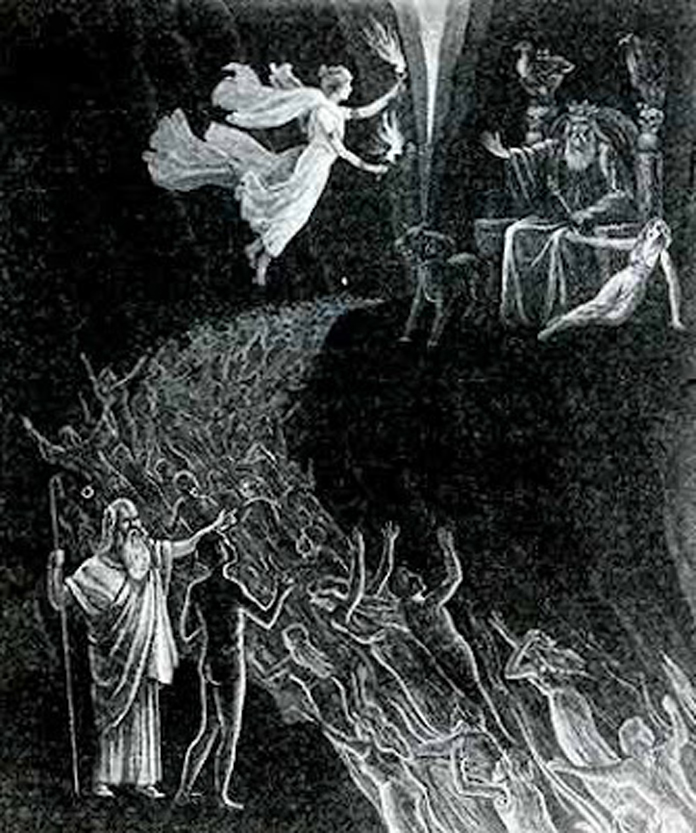
As a model of the Way of development, any Mystery includes five main stages: 1) Preparation of the ritual space, 2) Search for signs of the sought Power; 3) Establishing contact with it (Dialogue); 4) consolidation on the new level (Transcendence); and 5) outward emergence (Integration).
It is easy to notice that the typical modus operandi of a goetic ritual fits this scheme well. There is little difference whether one speaks of an “external” or an “internal” goetica; the meaning and structure of the operation remain similar. The only significant distinction is that in “ordinary” mysteries there is almost always a guide-mistagogue who carefully leads the initiate through the spaces of the mystery, whereas the goetic ritual is either limited to a Master’s instructions or, at most, the internal guiding activity of the mind.
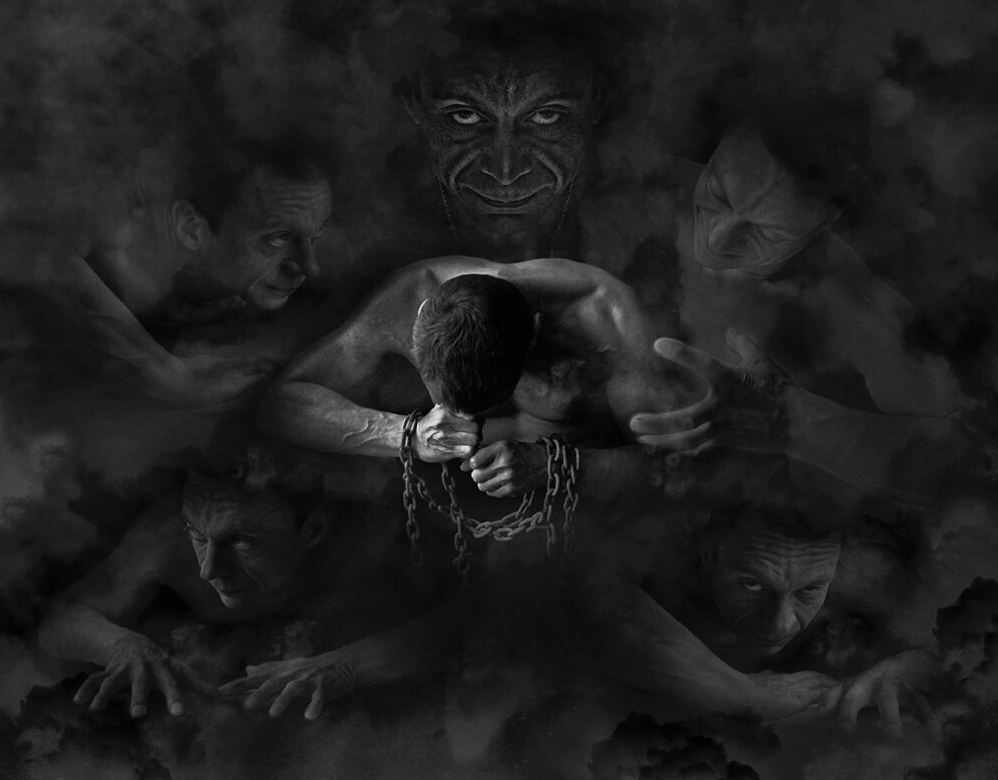
In the course of a goetic evocation the Magus proceeds through 1) the preparatory stages, studying the nature of the summoned spirit, its hierarchical connections, composing and “tuning” the precise text of invocations and spells, choosing the time and place for the Ritual; then 2) finds in the psychic and macrocosmic space the characteristic signs of the presence and activity of the sought Power; 3) ascends to higher levels, whence, with the power and authority of angels and Divine emanations, opens the fabric of worlds and the spirit to appear; 4) asserts his power, consolidating his authority; and 5) releases the spirit, restores the threshold, carrying within himself reshimo, an imprint, Achievements.
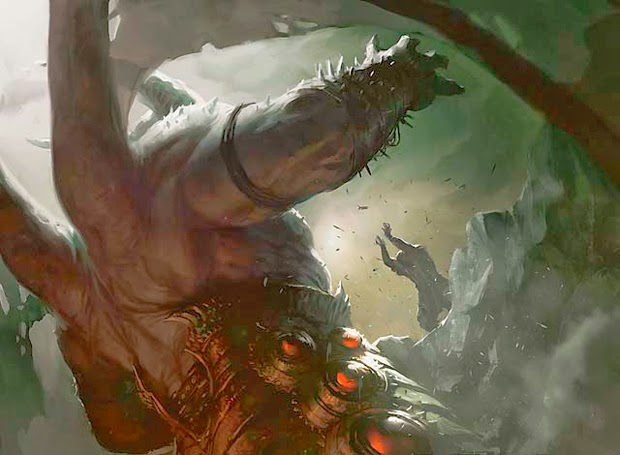
Focusing only on the “direct” result of an evocation — the manifestation, the dialogue and the binding of the spirit — goetic practitioners often overlook the importance and value of the “Middle” stage of the Ritual — the achievement of contact with the highest energies and matrices. Yet it is precisely the success of this contact that not only is a condition for the effectiveness of the entire operation, but also “anchors” the mind at higher levels, and therefore is, in fact, an initiatory act. A successfully conducted goetic Ritual is not only (and not so much) the acquisition of power (often quite tenuous) over one or another Gatekeeper or Epiklet; it is, above all, a self-examination for “vulnerabilities” that allow energy drains and the enslavement of the mind, and also a self-initiation, a contact and consolidation at new, higher levels of the mind’s functioning. Noticing the appearance of hierophantic forces in the charged atmosphere of an evocation (or internal transformation) can be difficult; yet, having learned to recognize and sustain the Ritual’s “initiatory” notes, one can discover its enormous benefit in the mystery aspect as well.
Leave a Reply