
Saints and Gilgul
The idea that people who have reached high levels of consciousness can continue to influence the material world after their death has existed since the dawn of civilization.
Ancestor cults, the veneration of saints, and the deification of heroes reflect both a deeply rooted belief that “spiritual achievements” can be “shared” and a desire to receive such support from deceased masters.
And, like any enduring faith, it rests on a solid foundation of experience. Indeed, it would be reckless to dismiss all accounts of aid from saints or ancestors as mere inventions or fantasies; nevertheless, it is also extremely important to understand the mechanism of such “help.”
We have already discussed that a person’s fate after death can follow two routes: 1) into rebirth or 2) into a state of elementer.

The reincarnating stream of consciousness, changing body and environment, loses its memory; therefore, a person who has accumulated good karma and is born, for example, into the world of the gods, loses connection with the previous life; thus, strictly speaking, if they do bring any benefit to former acquaintances or relatives, it is only by virtue of their new role as a god, not out of love or compassion.
At the same time, elementers are primarily concerned with their own survival, tormented by hunger, and furthermore need a physical anchor; therefore they are not particularly interested in helping the inhabitants of the “world of the living.” Only the Rephaim are freer in this respect, but even they very rarely show love or compassion toward the living.
Where, then, does the “help” of ancestors or saints come from?
From the perspective of the myth under consideration, most often the source of help is not the being itself, not the “deceased,” but the baraka (the energy of sanctity) or the reshimo (an imprint in the Interspace) they left behind.
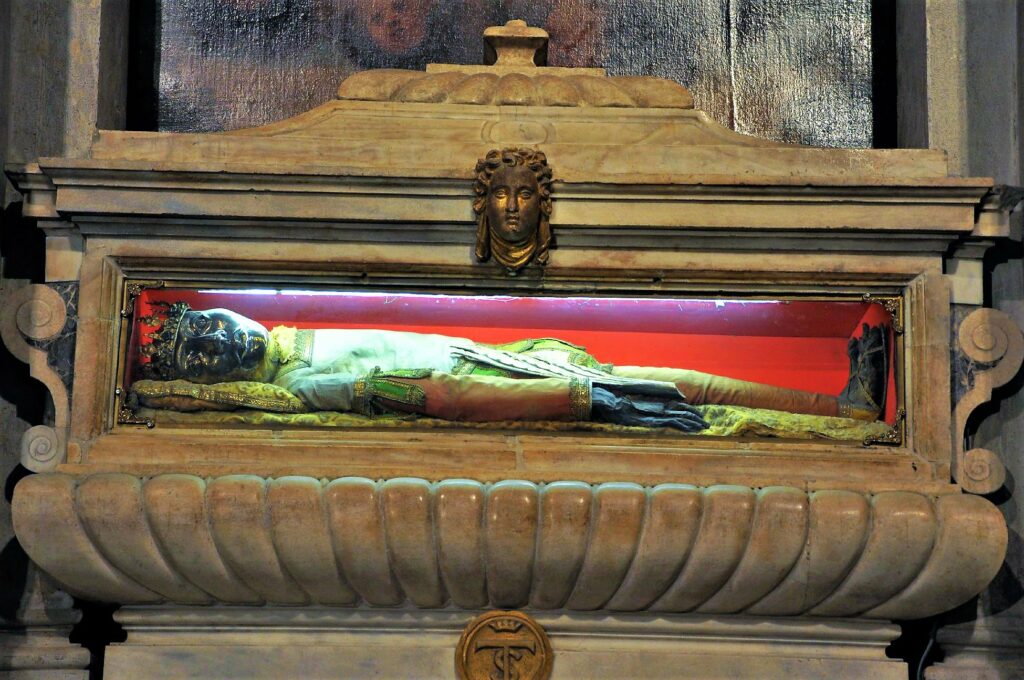
In some cases help can also come from the Rephaim, and for this religions have developed a complex exchange ritual whereby, first, the elementer’s supporting structure (“relics”) is preserved, and second, a current of “red light” is established, in exchange for which the elementer sends down baraka. To be fair, only a small number of venerated saints act in this way, and far more often their help is realized by the first two mechanisms.
And only in truly exceptional cases does the deceased actually “raise” their evolutionary level, reaching the divine or even higher states without losing continuity of consciousness, and only in such cases can one speak of “genuine” help from that being to those below them in development.
Thus, most often “help” from the deceased is in no way connected to their own fate after death, which develops along its natural paths and according to general laws. Nevertheless, the energy or imprints they left behind continue to “work for the benefit” of those who need that help and who can access it.
Tradition describes several common ways such “help” manifests, generally occurring either as a direct reception of energy or as an induction of power:
1) Merging with an egregore.
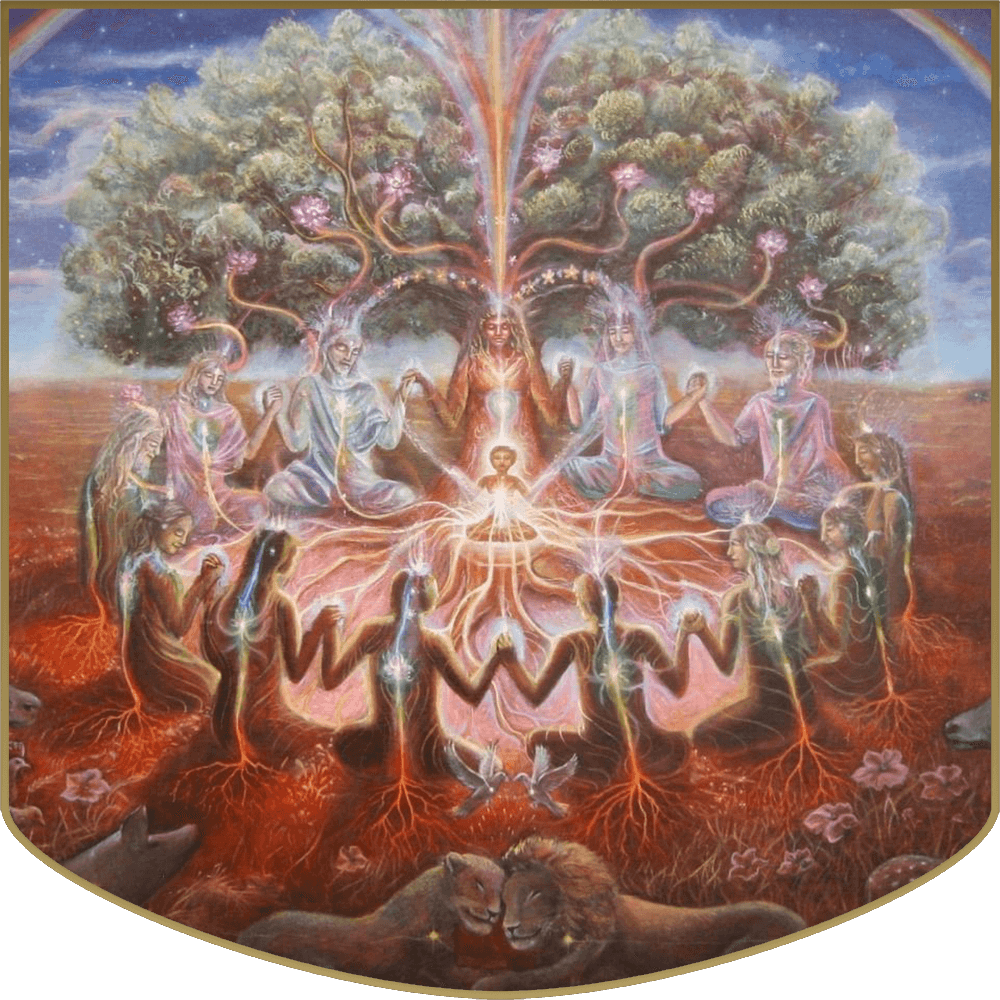
· If the deceased was closely tied to their family, there is a high probability that the baraka they accumulated will flow into the physiological egregore‘s vortex, significantly strengthening it. Since any energy always bears the imprint of its source, it is not surprising that the egregore’s support takes on the characteristics of the person who strengthened it.
· If the deceased was connected with another community (a church, a school, a state, etc.), the baraka they accumulated can flow into the corresponding egregore, likewise giving it strength and beneficial intent.
2) Ibbur into a suitable “vessel“. If, during disembodiment, the life-energy (and with it the baraka) of the deceased comes into contact with a suitable carrier, it may remain in it for a long time, exerting various influences, including helpful ones. This is how “miraculous icons,” statues, and similar “vessels” that serve as sources of baraka operate.
3) Diffusion of baraka into the global energy-information continuum. In this case the baraka remains in an intermediate state, being available “on request” to those who have an affinity to it, and can reach it. This is how “helpers in dreams” act (in those rare cases when it is true help and not predators in disguise) or simply “good fortune.”

4) Induction of energy by a “beneficent imprint” when contacting a reshimo left by a highly developed being, provided there is an affinity with its power. This is how the help of certain “power spots,” burial sites of saints, and the like manifests.
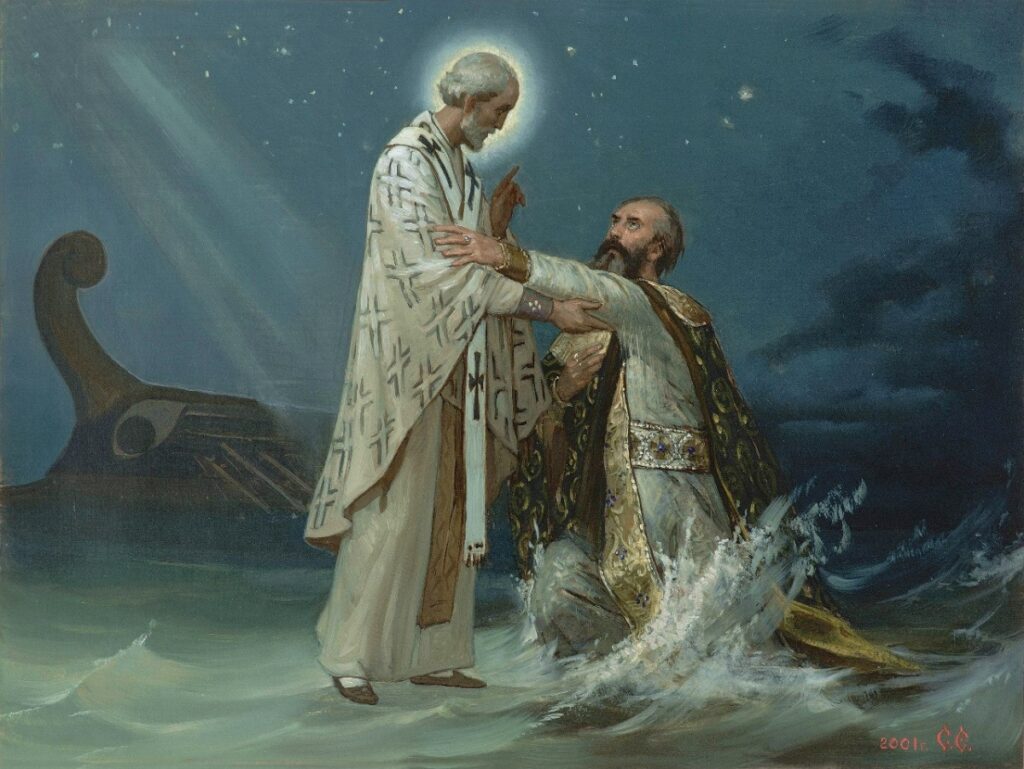
Depending on which mechanism the “help” is realized through, both the direction of that “help” and its possible prospects are determined. Thus, any support emanating from egregoric structures strengthens one’s link with them and later demands the return of the received energy — work for the egregore’s benefit; receiving help from “heavenly teachers” is fraught with the loss of vigilance and being targeted by predators, and support from places or objects of power leads to worship of the vessels instead of focus on the mind. Therefore, when receiving such help or support, it is important to understand its source and its price, and to be extremely attentive and cautious.
Leave a Reply