The Two Wills: Lucifer and Metatron
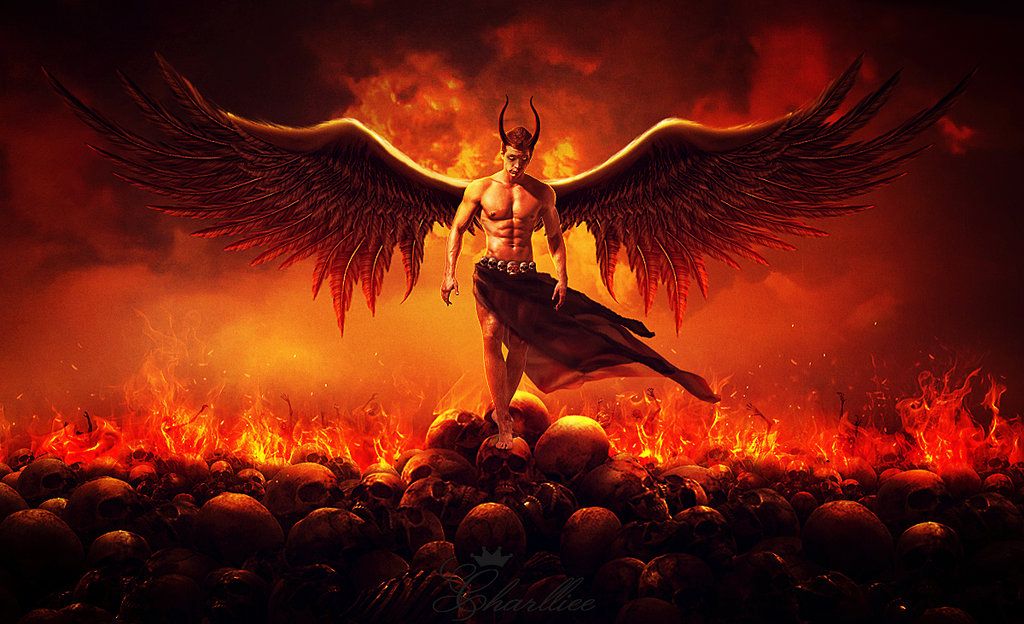
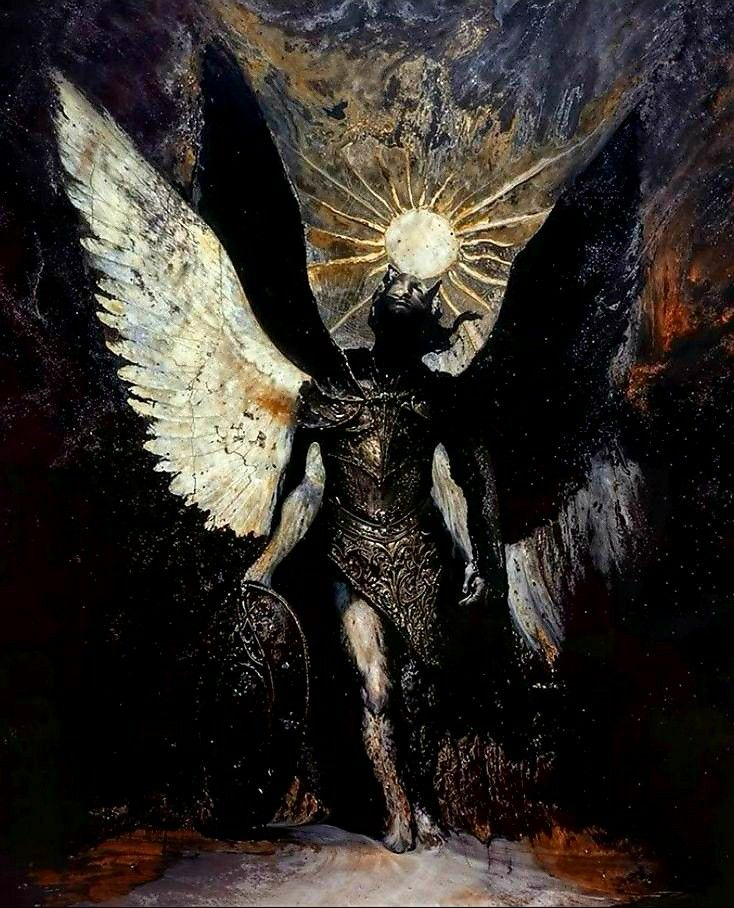
Modern esoteric discourse very often heavily romanticizes the image of Lucifer, presenting him as the embodiment of “free will,” drawing him closer to the figure of the god-defying Prometheus and other incarnations of the ideals of resistance to power. However, such an attitude is based exclusively on adolescent rebelliousness, a desire to set oneself against the father, and has nothing in common with Traditional views.
In general, ideas about the interconnection and relationship between the Light and Shadow Trees are far deeper and more nuanced than often imagined: the Tree of Qlippoth is “inverted,” and then each qlippa is connected with two sefirot — with the one whose “shadow” it is, and with the one whose position it corresponds to. Specifically, the qlippoth Thaumiel and Lilith are both connected with Keter and with Malkhut, Ghogiel and Smal — with Chokhma and Netzach, Satariel and Oreb Zerek — with Binah and Hod, and so on.
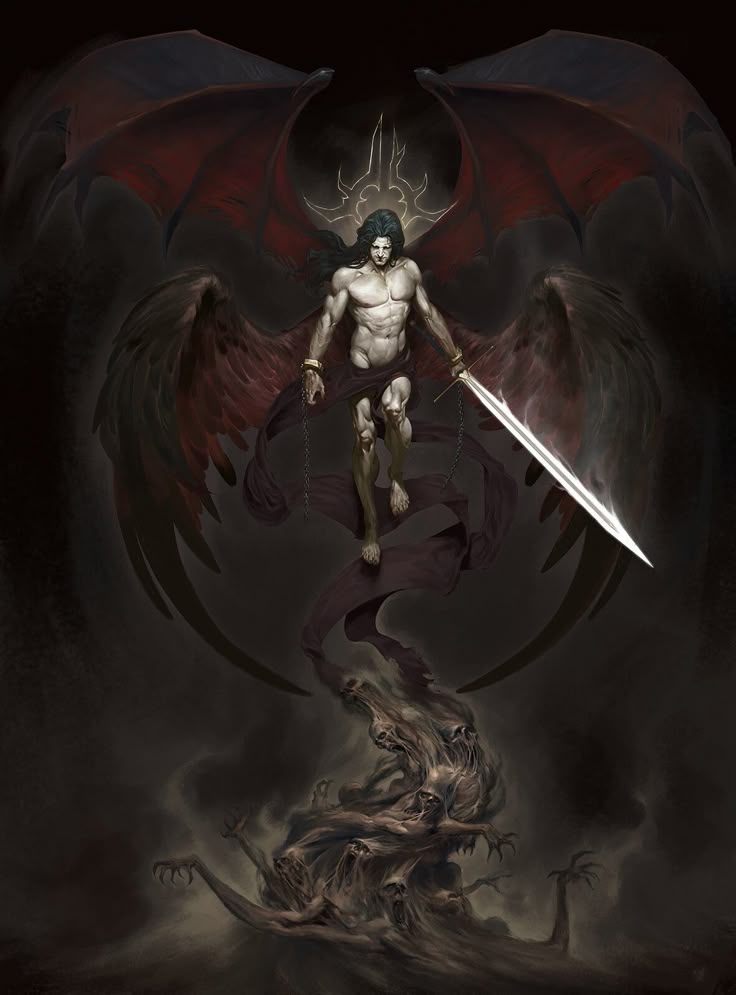
Accordingly, for example, both Beelzebul and Azazel are born in the shadow of Chokhma and Netzach, just as the shadow of Binah and Hod is the site of the intersecting influence of Lucifuge and Adramelech.
From this point of view it becomes clear that the cosmic force of individuality, the principle of selfhood, which is expressed in the energies of Keter, casts a shadow in the form of a sense of separateness, alienation — the primal cause of all destructive forces — and it is precisely this that is personified by the “Great Light-Bearer,” Lucifer-Heilel. And this same force of separateness, falling into the “reflection of the Tree” at its lowest point, turns out to be connected with the affirmation of manifestation, which on the Sephirotic tree is expressed in Malkhut. And conversely, the “shadow of Malkhut,” the principle of possession, Lilith, simultaneously turns out to be the apex of the Qlippoth tree, the Mother of Demons and the source of their hierarchy.
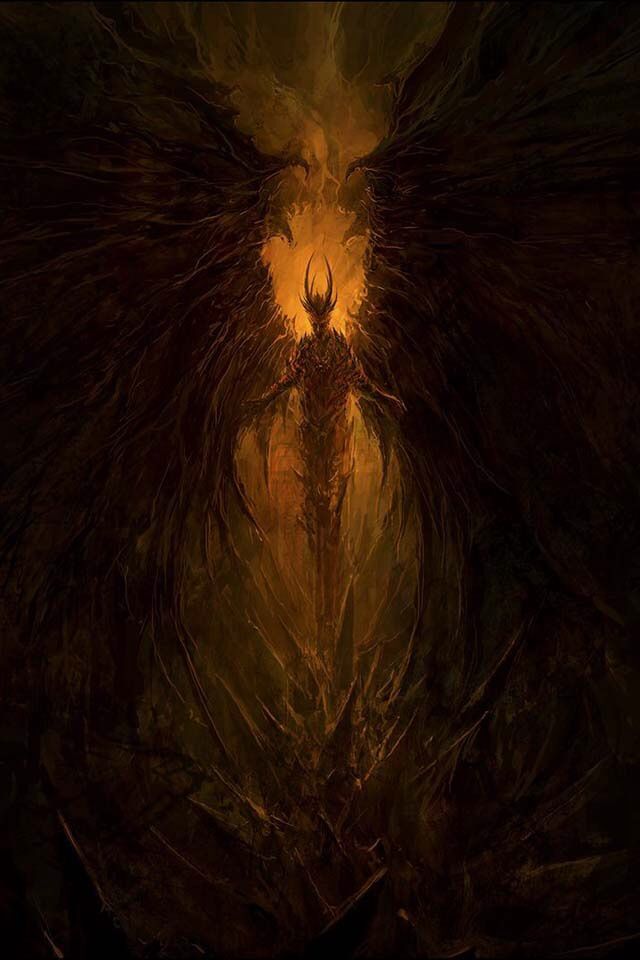
Thus, Lucifer is not merely a cosmic force of alienation; it is a striving to affirm this separateness, to rely on it. Accordingly, Lucifer’s “free will” is only an energy of rebellion, a force of opposition; it is limited by the impossibility of agreement, an inability to cooperate.
The firstborn Shadow, the first repressed feeling, is not a proud “defier of God,” but a “eternal disputant” bound by his own nature, who cannot live in peace, cannot be in agreement with any force. Namely, Lucifer’s will is always in opposition, and in this lies his “fall.” His revolt is a will that strives for independence, but at the cost of destroying the bond with the Whole. His will acts by the principle “I will not submit,” but all his freedom turns out to be enclosed within the boundaries of this refusal. He rejects order, but cannot create his own — because his existence is held together by an eternal “no.”
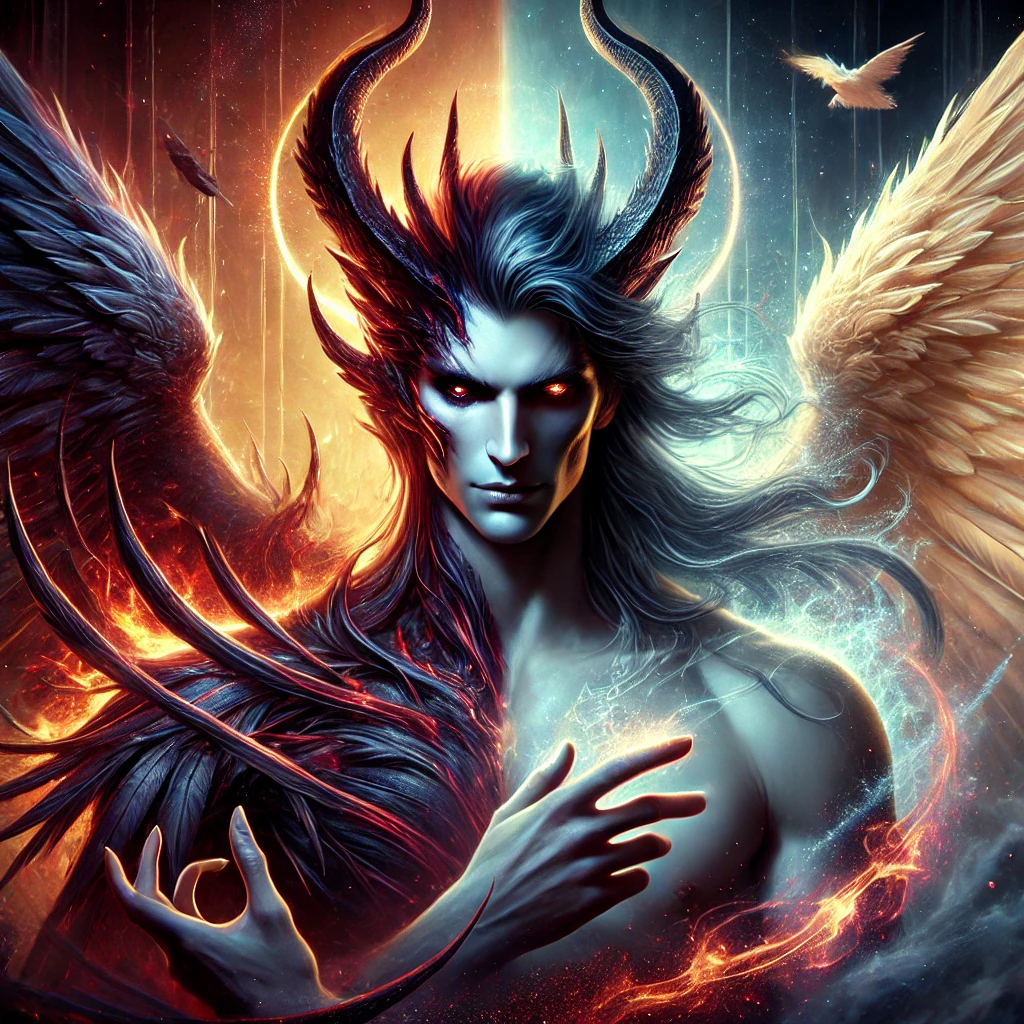
The constructive component of this principle is expressed in the image of the Archangel Metatron — “First among the Angels.” He is the initial emanation of Divine Will, its expression in the cosmic order. As the Supreme Scribe, he embodies the very principle of will acting in harmony with the universe.
That is, Metatron is the personification of a will that sounds in unison with the world symphony. For him, the Will of God is not an order or violence; it is a flow, the structure of the universe, the very rhythm of being. And therefore Metatron is its expression, its translation into the laws and harmony of the world’s movement. In this sense he is like a divine conductor who conveys the Creator’s melody to all beings, creating order and meaning.
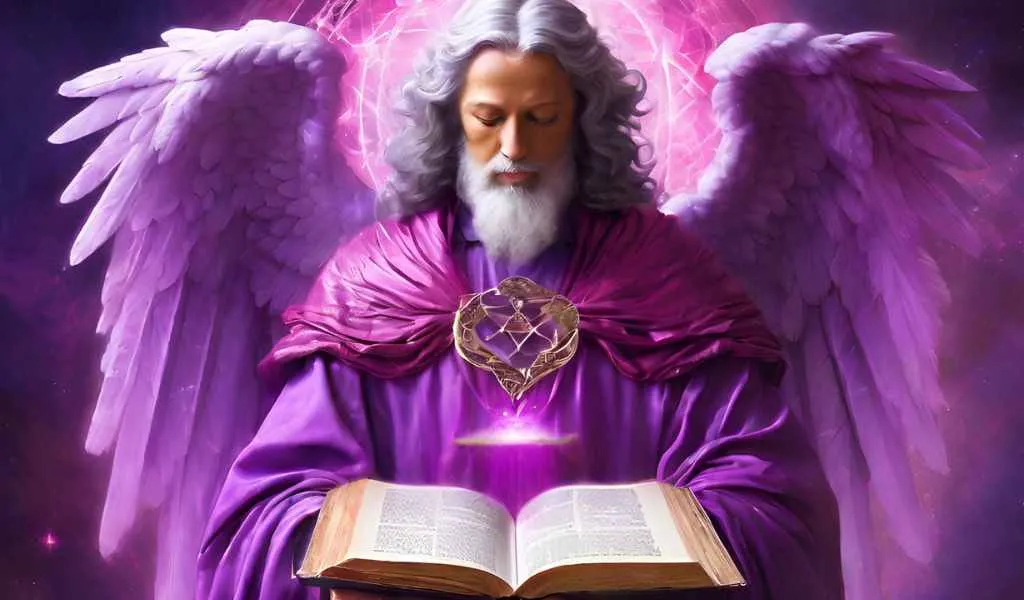
Unlike the Luciferian will, which strives toward separateness and self-assertion, Metatron personifies a will that does not destroy Unity, but manifests it in all aspects of the universe. This is a will that does not go against the law, but lives in it, and therefore becomes a manifestation of the universe rather than a revolt against it.
He is like a river flowing from the One Source, invariably preserving the bond with its source, yet changing form depending on the world in which it manifests. The image of Metatron unites the absolute immutability of the Great Spirit with the living manifestation of creative will in the world.
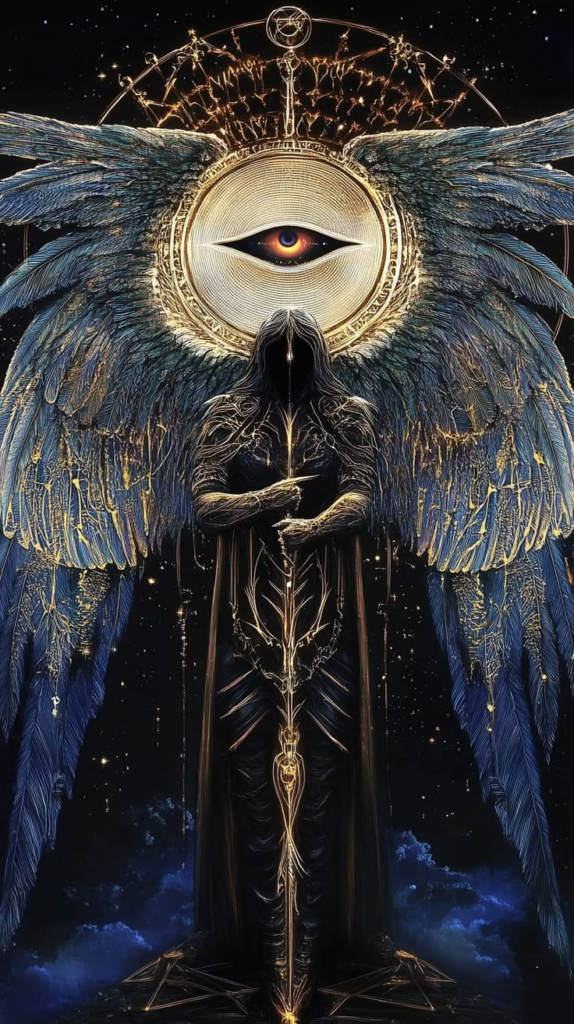
If the Absolute itself in its essence is beyond, unknowable and transcendent, then Metatron acts as its closest emanational image, through which the Divine will governs the cosmos. It is in this key that the Kabbalistic tradition calls Metatron “the Lesser YHWH” (הקטן יהוה, YHWH ha-Katan), which means the reflection and expression of God in creation. Therefore he is sometimes called the “Angel of the Face” (מלאך הפנים, Mal’akh ha-Panim), the one who represents the Creator Himself. This status makes him not merely an angel, but the embodiment of Divine Immanence. Unlike Lucifer, who tried to seize divinity through rebellion, Metatron receives power because he does not oppose the One, but expresses it, channels it.
And it is not surprising that this force in historical time manifested as the fusion of two energies, two wills — the “service” will of the “first” Metatron, proceeding from the Absolute, and the “free” will of the human righteous man, Enoch, ascending to the heights of spirit. This fusion itself already became an “answer” to Lucifer’s revolt: two wills can be in agreement, harmoniously integrated, and this not only does not destroy freedom, but reveals it from a new angle.
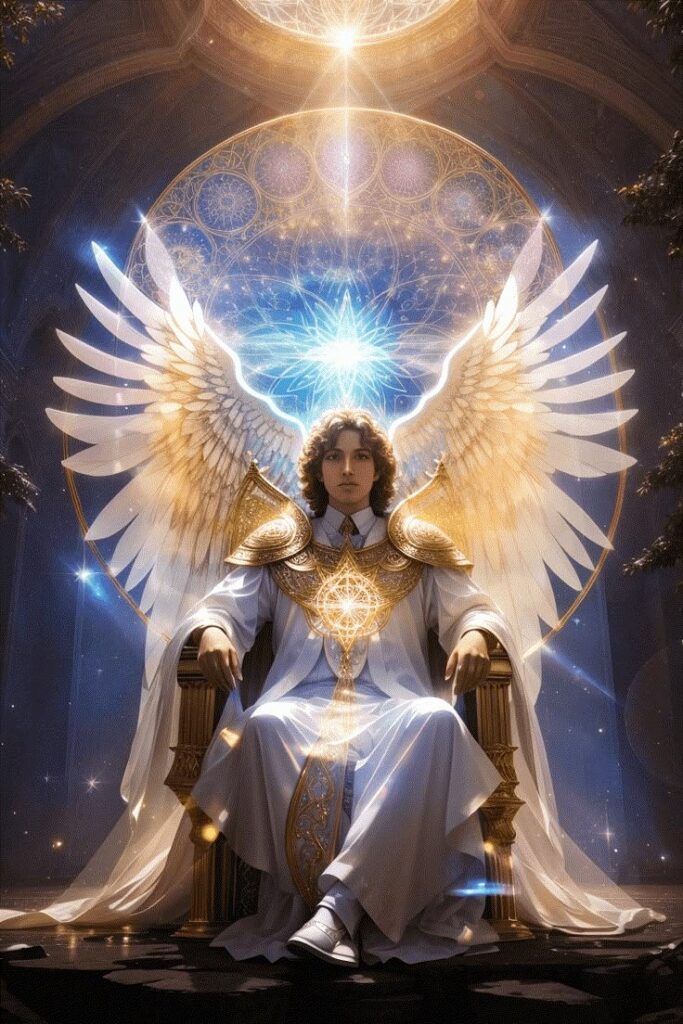
One of Metatron’s most important features is his right to sit at the Throne of God: in the Jewish tradition, sitting is a symbol of action and power, whereas angels usually stand. Thus, Metatron is the only angel who is allowed to be so close to the Divine Throne.
Thus, Enoch, who became Metatron, is the first example of theosis, deification, when a particular, limited being transforms into the greatest bearer of divine forces. This event shows the possibility of a human being’s ascension into the sphere of heavenly forces, and also realizes transfiguration through awareness of Divine order. This transformation shows the possibility of a harmonious merging of individual will with the Divine order. Enoch/Metatron does not dissolve in God, but becomes His living instrument; like a musical note ideally inscribed into the symphony of the universe, he rose, but did not separate.
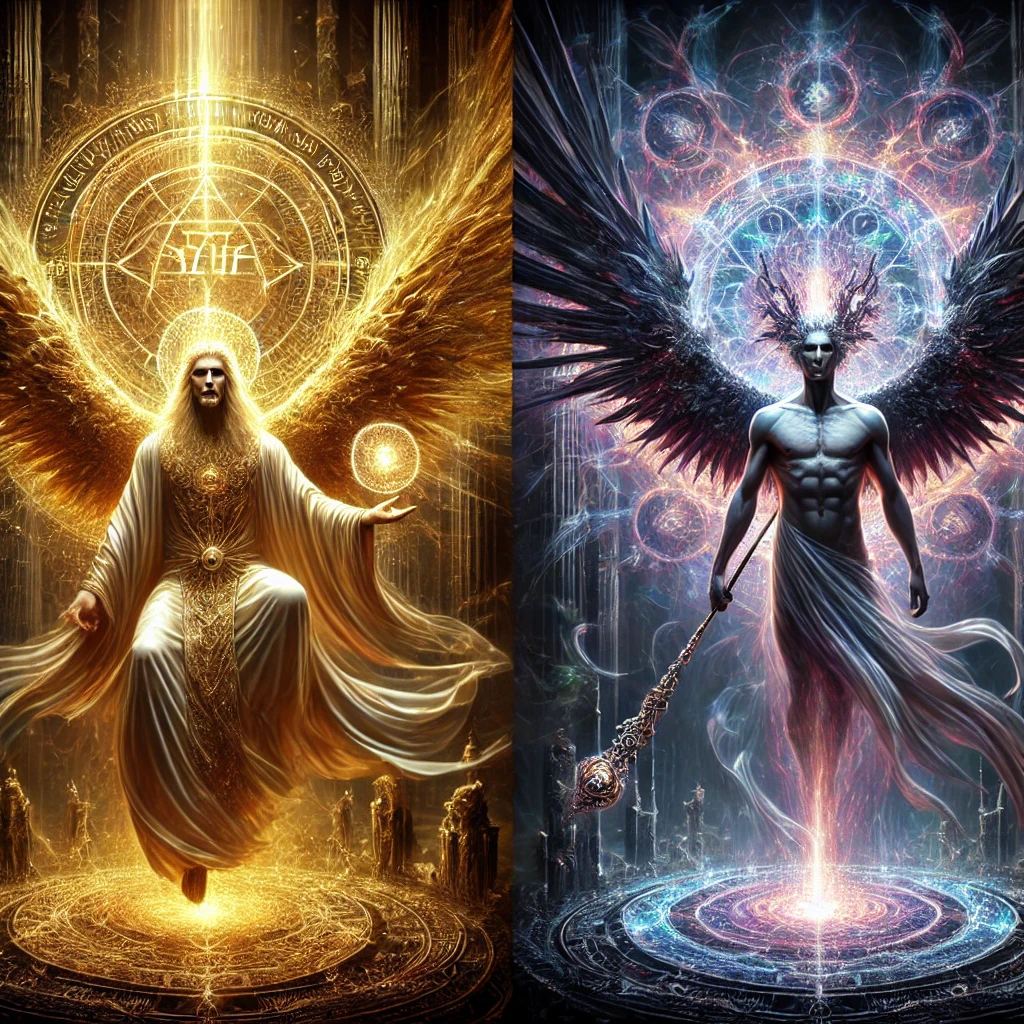
In other words, while Lucifer in his rebellion “falls</em},” is cast down from the position of supreme Angel and the primordial principle of individuality, Enoch — on the contrary — “ascends,” realizing the principle of the free consent of the will to the world’s flow — the principle of pleromatic fullness.
Metatron (Enoch) is a will that freely agrees with the Divine rhythm, and therefore receives true power and reaches the heights of spirit. Lucifer is a will that becomes a prisoner of its own striving for independence, being unable to attain “freedom from freedom.” Unlike Lucifer, who limited himself by negation, Metatron gained limitless possibilities because he became a conduit of the world order.
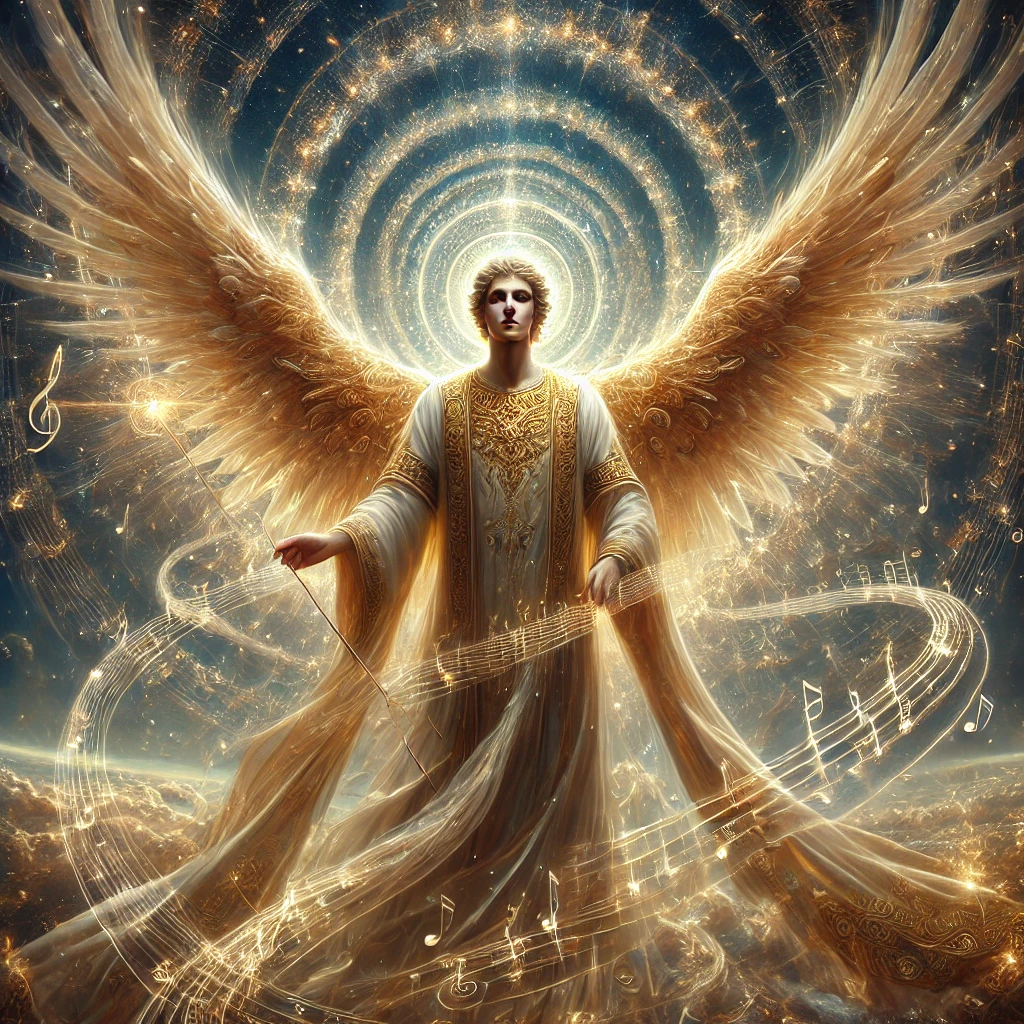
However, as we mentioned above, the connection between the two Trees is broader, and Lucifer is not only the principle of separateness, but also the supporting force, clinging to this separateness. And in this sense he is opposed by another force, “twin” to Metatron and similar to him in origin — another “human-angel,” the Archangel of Malkhut Sandalphon. If Metatron is the “Lesser YHWH,” embodying the Divine Will and Law, then Sandalphon represents the symphonic aspect of the universe, the connectedness of the lower and upper worlds through harmony. If Metatron is connected with the patriarch Enoch, then Sandalphon is the ascended prophet Elijah. Thus, both Archangels represent human nature raised to the Divine level, but each of them personifies different aspects of the higher order. According to tradition, Sandalphon accepts human prayers and turns them into a heavenly symphony ascending to God; as they say, “Sandalphon makes a crown from the prayers of Israel and crowns the Most High with it.” Traditions say that he participates in the formation of souls before their birth, linking them with the rhythm of the Universe; this makes him the archangel of embodiment, who helps souls incarnate in the material world in accordance with their destiny.
One could say that Metatron is mezla, a descending flow of the Divine Will, manifesting Law, order, and structure, while Sandalphon is epinoia, an ascending flow of prayers and aspirations, connecting the earthly with the heavenly through harmony. They are related as two sides of the symphony of the universe, in which one sets the rhythm and the other directs the sound upward.
The ascent of Sandalphon is not an attempt to “storm heaven,” not a desire to become God, but an attunement with the Divine mind, with transcendental creative energies.
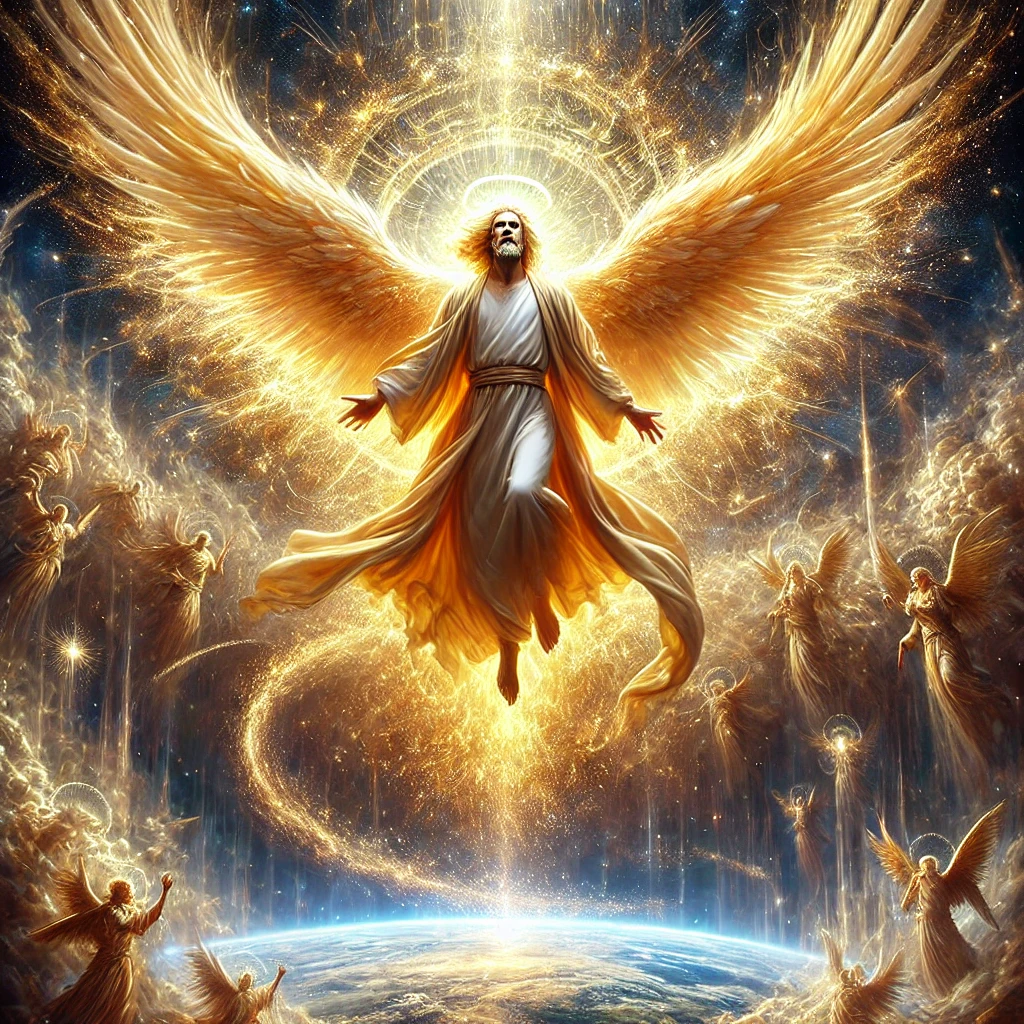
Thus, while Lucifer’s motto is: “I will be free, rejecting everything,” and his freedom turns out to be nothing but a chain of endless negation, Metatron’s motto is: “I will be free, recognizing my place within the whole,” and so he receives genuine power, not limited by resistance, surpassing both unity and multiplicity.
And if for Lucifer the support is separateness, then for Sandalphon this support lies in active co-creation with higher powers. At the same time, Metatron is the embodiment of the principle of freedom arising from wisdom, whereas his “twin,” Sandalphon, is wisdom ascending to freedom.
Hello.
If Lucifer denies God’s will and acts within the framework of disagreement and non-compliance, then Metatron accepts the will and acts within the framework of agreement/compliance with the will.
That is, both are limited. Metatron does not create a different order from Yahweh’s order. He merely manifests that order.
Both methods place them below Yahweh.
Both act with regard to his will.
I think you understand where I am going with this.
The third path.
Certainly, both are ‘lower’ than the Absolute. However, the path of Symphony is freer than the path of Denial because the potentials and manifestations of Absolute will are infinite, hence the paths of agreement are also infinite. As for the ‘third’ Path, it is taken by a person who is never completely in agreement nor completely alienated. In human nature, these two wills are always present.
Thank you.
In my opinion, the middle path between an angel and a demon is impossible. All middle paths are demonic to a greater or lesser extent. Angelic energies can only be managed in the absence of demonic ones. Or perhaps it is not an angel that has come to you.
If I understood you correctly (I am new to reading your blog), you equate the Absolute and Yahweh, that is, they are the same entity.
Within the Tradition discussed in this blog, one cannot speak of the Absolute, the Great Spirit, as something that exists, since He is above being and non-being, and therefore only His manifestations can be discussed. And one of such creative manifestations of the universe is YHWH.
Can we clarify… Is this about the Old Testament Yahweh? That is, a manifestation of the Absolute as Yahweh, who once flooded everything with blood? And where is this manifestation of the Absolute in the face of (so to speak) Yahweh now?
For making judgments, I recommend referring to primary sources, not popular fiction.
Hello, Enmerkar. By calling YHWH ‘one of the manifestations of the Absolute creating the cosmos,’ does this mean that YHWH is one among a number of Gods? After all, each God is a manifestation of some aspect of the Absolute at their own level. In this case, can all Gods, who are manifestations of the Absolute in a creative aspect, be called Creator Gods? If so, YHWH is one of many Creator Gods who has participated for several thousand years in building life on this planet? One could also suggest that the Creator God is a kind of universal title indicating the hierarchical position of a given God? Since, besides the creative aspect, there are other manifestations of the Absolute, do other Gods exist that express those aspects – Destroyer Gods, Guardian Gods, and others?
Hello. To avoid getting confused with terms, it would be convenient to distinguish between the concepts of ‘god’ and ‘deity.’ I would suggest calling a ‘god’ a self-sufficient volitional entity whose manifestations of life are perceived by lower observers as laws or phenomena of nature. By ‘deity,’ I understand the very creative, shaping (or destructive) forces that change the cosmos on a macroscopic scale, regardless of whether this force has a singular personal source or is an expression of hidden, transcendental engines. In this sense, YHWH is a deity, that is, a universal force known for one thing – it creates worlds. In fact, if we consider the creative action of any god (or even a human), then in this context it can be said that it is a manifestation of YHWH.
Thank you very much
Good day, Enmerkar. Please tell me which primary sources you are talking about? The Old Testament is the primary source itself, in which Yahweh constantly killed and tortured everyone.
Hello. I wouldn’t interpret the Old Testament so one-sidedly.