States of Mind
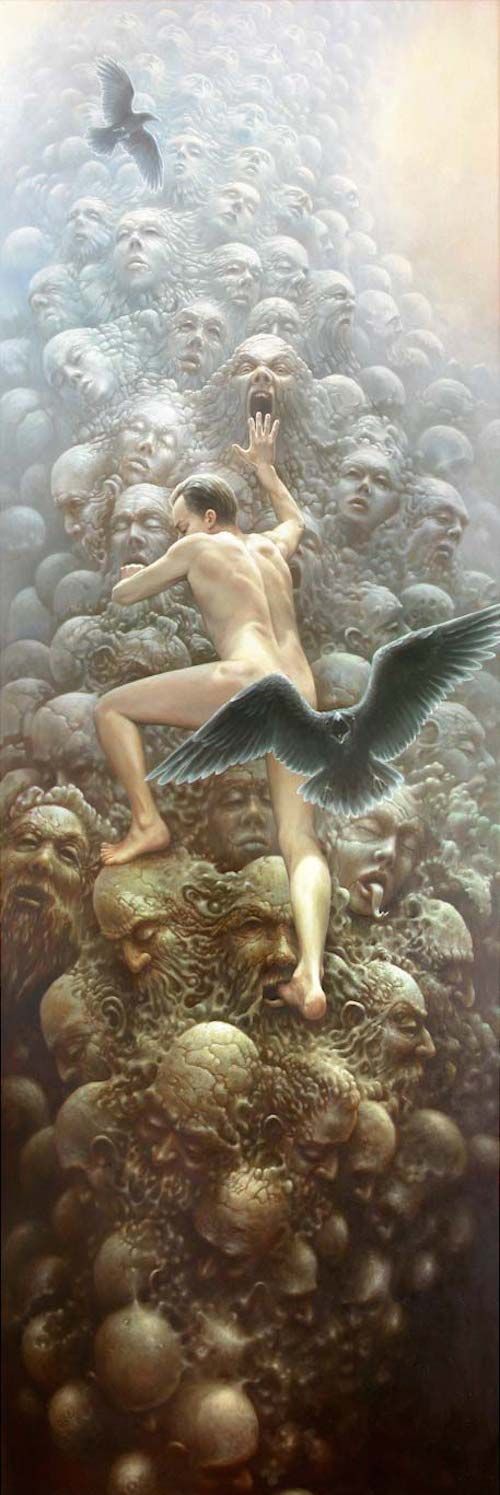
The Acting Mind knows itself and the world by moving from state to state as various energies within it are activated when those states are correlated with corresponding aspects of being.
In other words, the meaning and content of manifested existence consist in the single reality knowing itself by singling out within itself a binary pairing of mind and being (in the aspect of the psychocosm) and a certain aspect of being (in the aspect of the macrocosm), and bringing them into actual alignment with each other.
Since the “ultimate” task of this process is to establish full correspondence between being and mind, and Magic is one of the Ways to accelerate that process and increase its effectiveness, it becomes extremely important for the Magus to be able to form stable and constructive states of consciousness that correspond to various aspects of his being.
As always, one can approach this process in two ways.
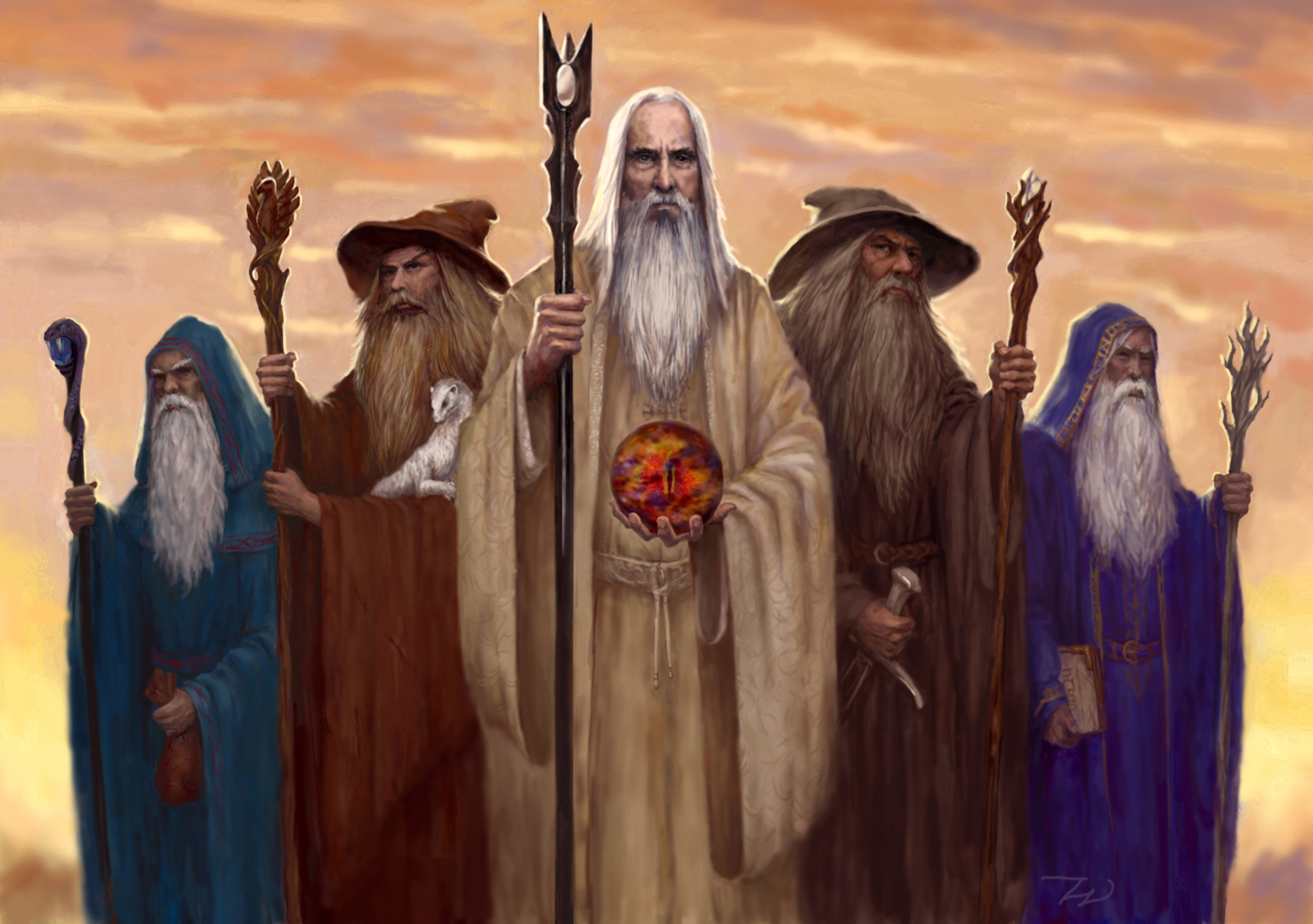
The first approach is the search for those aspects of being that foster the opening of new states of mind. This is the Way of inspiration. Strictly speaking, this is usually how the mind develops — a person “experiences reality,” comes into contact with its various forms and aspects, and then discovers their influence on his states, moving toward development or degradation, toward growth or the destruction of awareness. Clearly, the primary concern with this approach is to avoid allowing the mind to fall into destructive states; for that one must establish a correct, constructive attitude toward the contacts and interactions one encounters. This path can be summed up by the formula: we do — we become aware. An example of such action might be any exploratory Ritual, a blind foray in the Hunt for Power.
The second approach is the search within the mind for stable matrices, their activation, and the subsequent establishment of correspondence with particular manifestations. This approach can therefore be expressed by the formula: we become aware — we do.
From the perspective of this approach it is clear that theurgy, the “adoption of divine forms” (and the corresponding “Yoga of the deities” in Buddhism) are methods for training the mind, for its “mastering” of new states and thereby prompting the search for aspects of being that correspond to those forms.
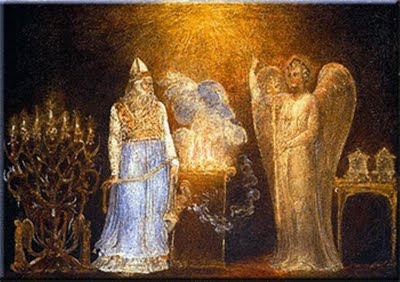
Of course, it is very important for the Magus to be able to combine both approaches — he must be able to notice, record, and map the states of mind that develop in his contact with the manifestations of being — that is, to be aware of his interactions — and to induce in himself constructive states that lead to constructive actions — that is, to realize his awareness.
Therefore, for example, carving Runes can be considered both as an action leading to awareness and as an awareness realized in action. In the same way, for instance, a goetic Ritual can be seen both as a search for new states of awareness, a journey through the psychocosm to study its continents and inhabitants, and as the realization of a particular awareness, its fixation, its affirmation. In the first case we view interaction primarily from the standpoint of Power; in the second — from the standpoint of Authority.
Let us note again that for the Magus it is very important both to seek Power and to control it.
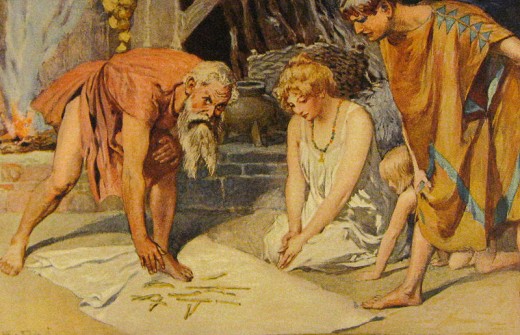
Thus, if, in the example of carving Runes, the Magus thinks only of the final result of that process, of the task of carving itself — he misses a very important aspect: the changes occurring in the “external” world are no more important than the transformation of the eril’s mind, and therefore the process of carving is not merely “preparation” or “a means,” but is equally a goal. By fixing the states that his mind acquires in the process of carving, the eril trains his awareness, forms stable matrices within it, and therefore accumulates both Power and Authority.
At the same time, the action must, of course, be completed, and so its result also matters: beginning to carve an amulet and then, enchanted with oneself as such a wonderful carver, forgetting the need to finish it — this deprives the action of Power.
This is precisely why the task of any magical action is not primarily its mere completion, but the organization and development of awareness achieved in the course of carrying out that action, as well as its subsequent analysis and extracting the necessary lessons. The Magus is not a craftsman; he does not act exclusively for the sake of the result. The Magus is a creator, whose goals are both creation and creativity.
Leave a Reply