The Energy of the Faerie
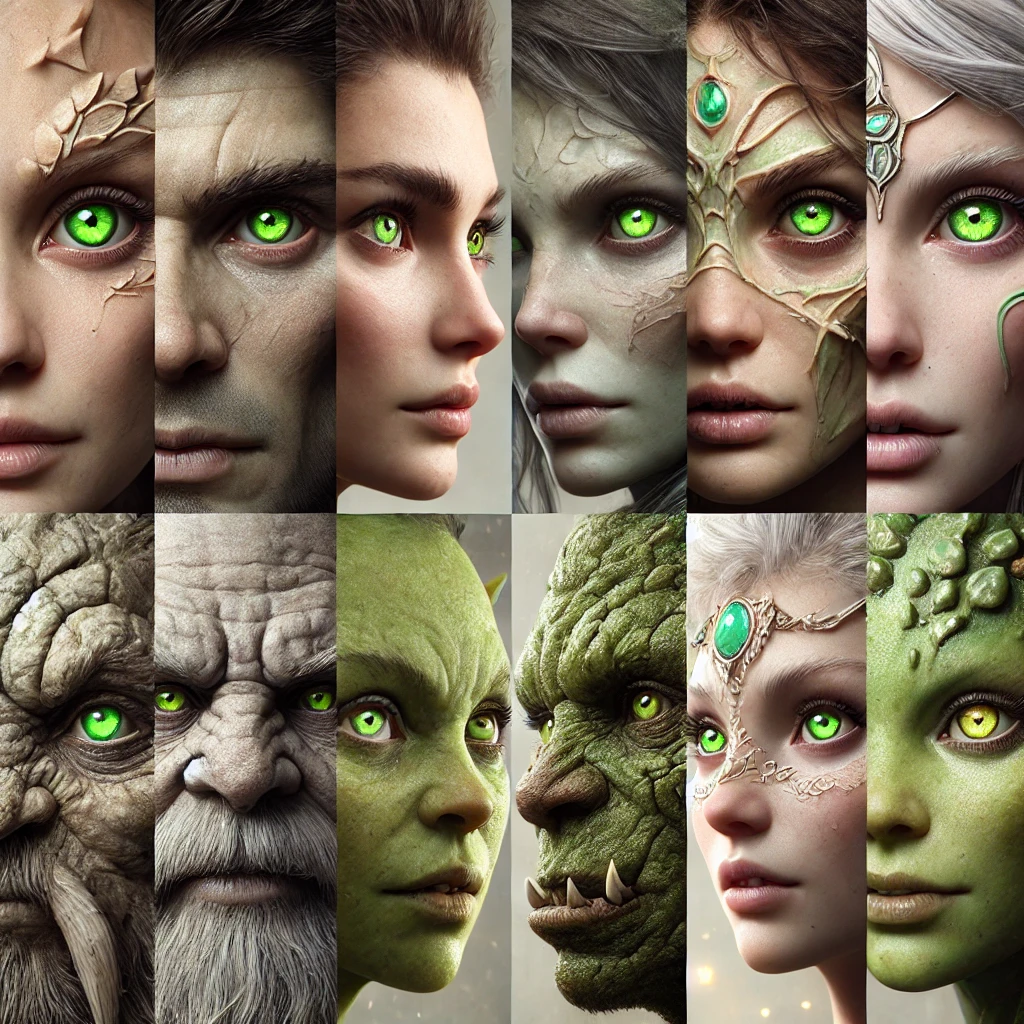
As we have already discussed, faeries embody the “maternal,” the immanent pole of mind’s manifestation at the human level.
However, it is clear that such features of the functioning of mind affect all aspects of these beings, as well as their relationships with the producers and consumers of energy.
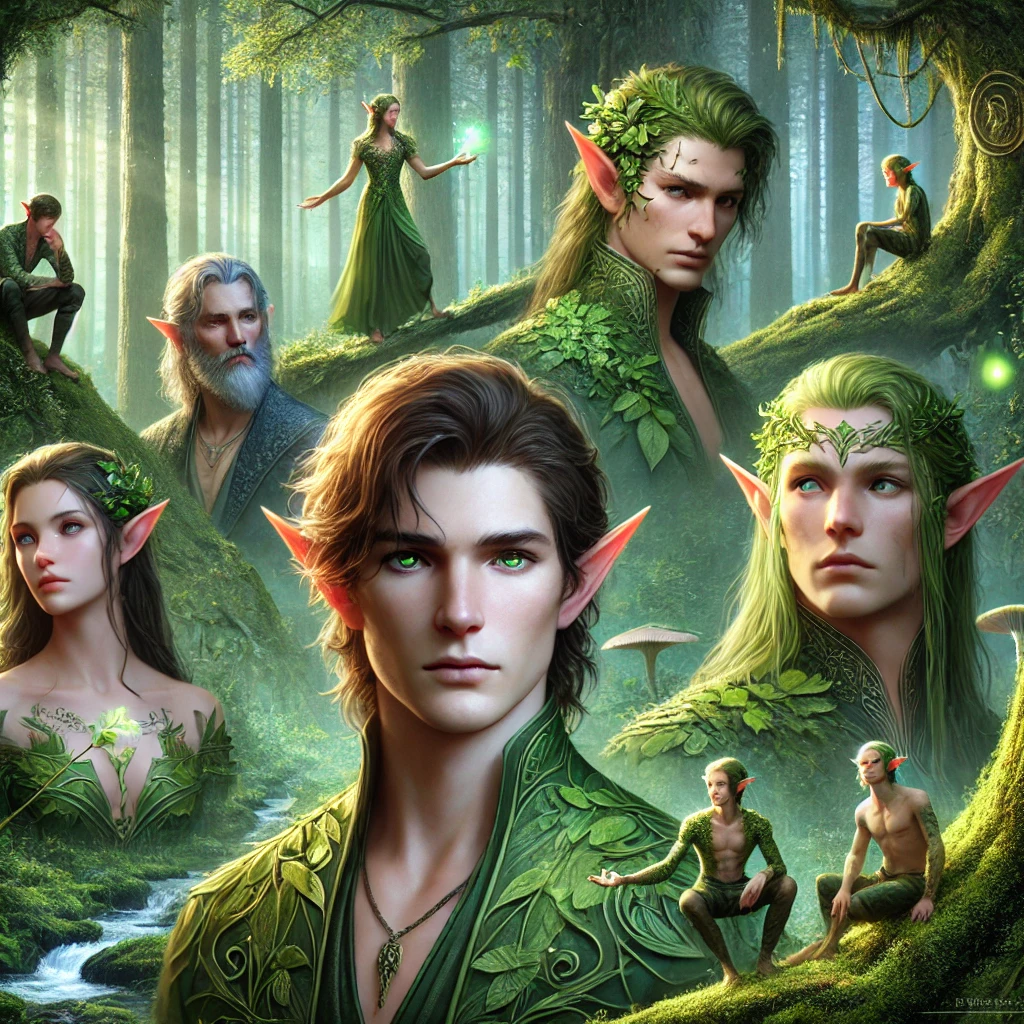
Since the faerie, like humans, are three-planar beings manifesting in the material world, they also use four basic types of energy:
- desire (libido, י), which manifests at the level of mind as inspiration, waters, and at the physical level as expansion, light;
- life (zhiva, ח), which at the level of mind manifests as the capacity for development — dignitas, and in the natural world as gravitation;
- interactions (lung, ו), manifesting as “the energy of mastery,” baraka, and the “weak interaction”;
- realization (mattr, חʺ), manifesting as “the energy of luck” — hamingja and the “strong interaction.”
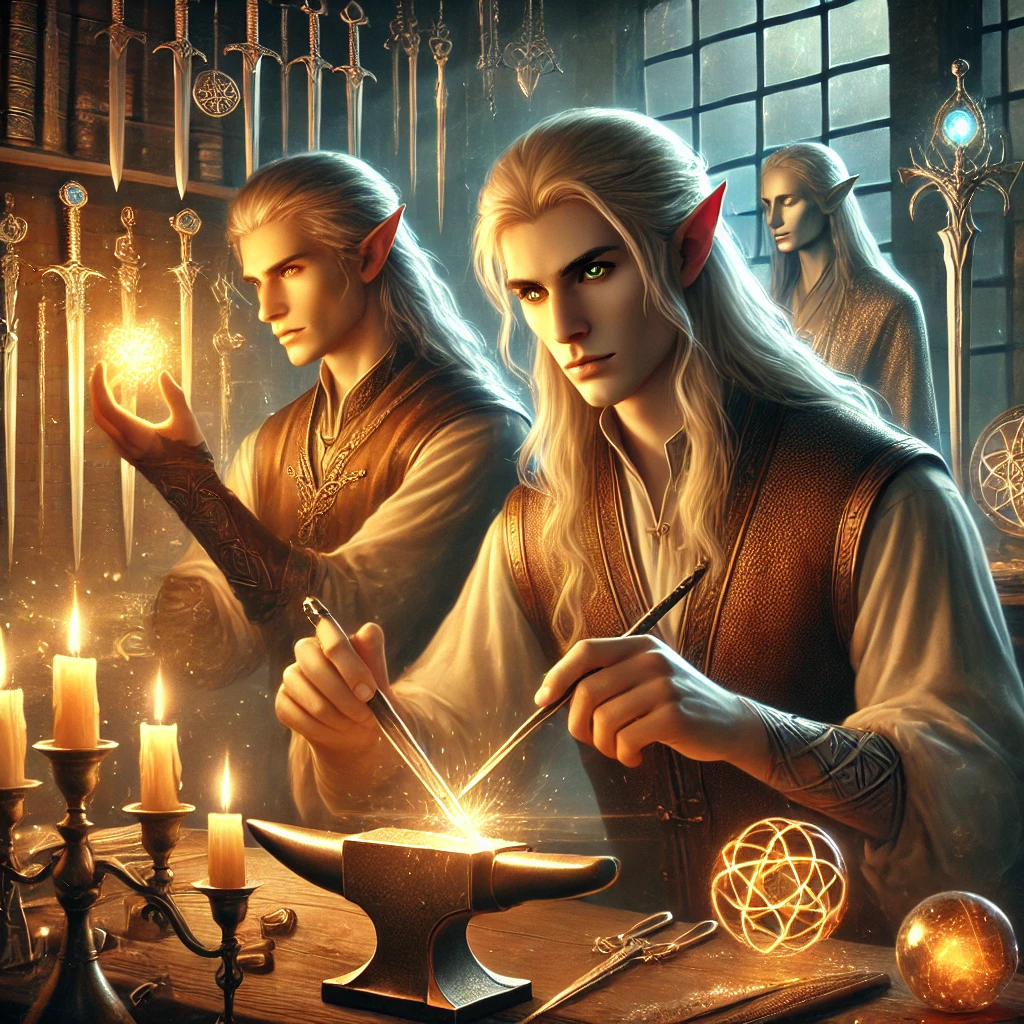
At the same time, if for humans the “trigger” energy is always desire, then for the faerie the source of their activity is a “sense of unity,” mastery, which then, passing through the ocean of life, generates a volitional impulse that finds its realization. It is precisely this course of energy that expresses the difference that has already been discussed: if humans are the children of the Great Father, then the faerie are the retinue of the Great Mother.
This mode of functioning makes the faerie “energetically closed” beings, which also sharply distinguishes them from humans, who emit and dissipate vast amounts of energy. In part, the practically unlimited lifespan of the faerie is connected with this as well: losing almost no energy, they also do not “wear out” their bodies, and easily restore bodily damage and injuries.
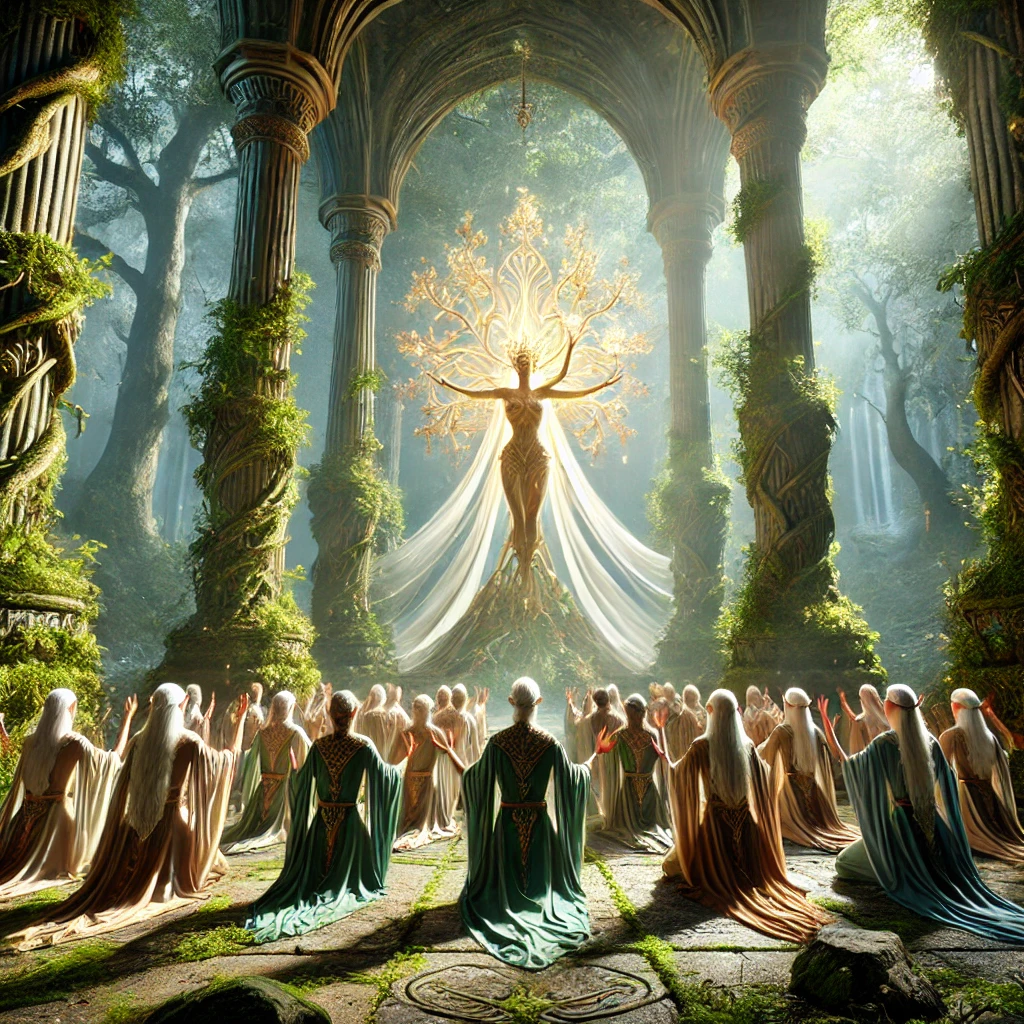
And this same feature makes faeries uninteresting to predators as a “food source.”
Indeed, neither most elementaries, elementers, nor ordinary demons, nor most Fomors can “get their teeth into” the faerie.
In addition, the features of the faerie mind — their deep-rootedness in being, in immanence, their tendency to directly experience the processes and actions in which they are involved — makes them disinclined to virtualization, to pumping energy into the Interval, which removes them from the Archons’ sphere of interest.
In humans, a similar mode of mind is formed as a result of prolonged practice of a number of Eastern disciplines: many Taoist saints, in their worldview, are very similar to the faeries.
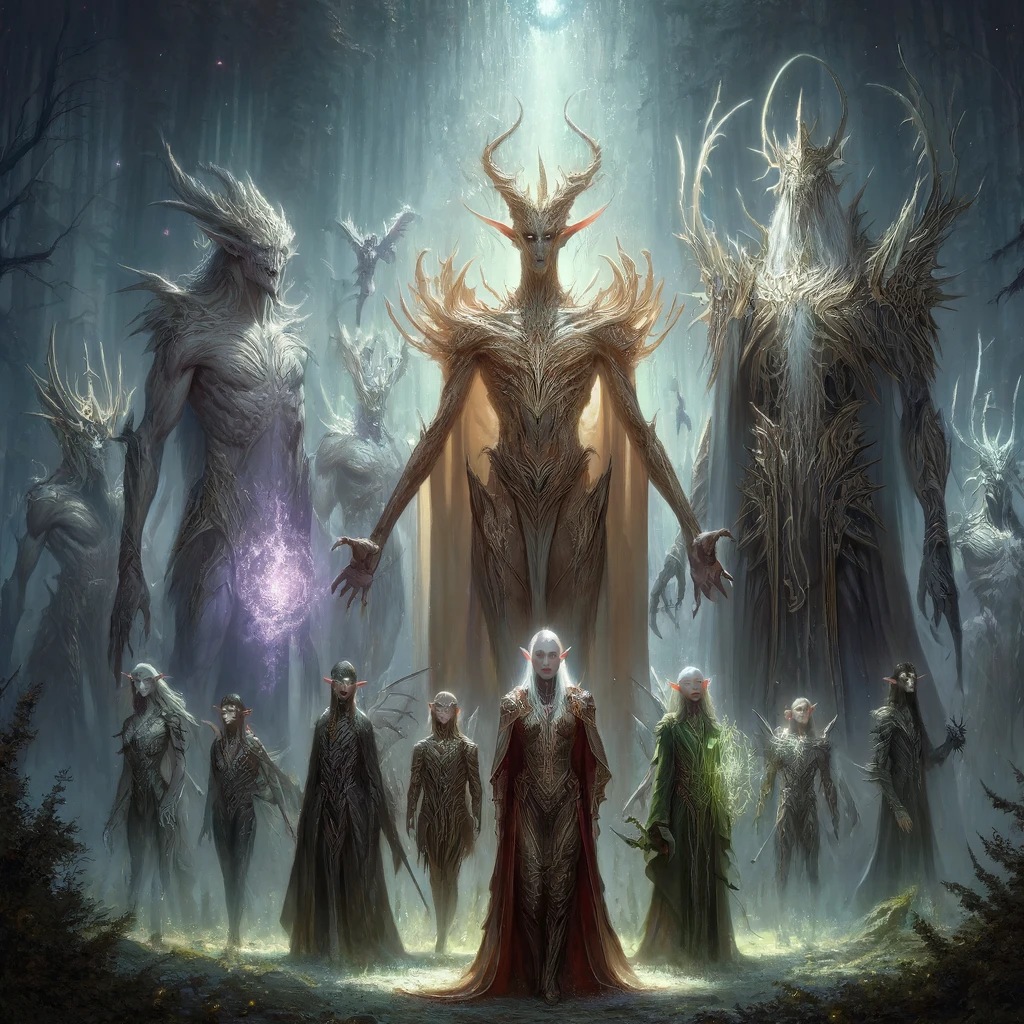
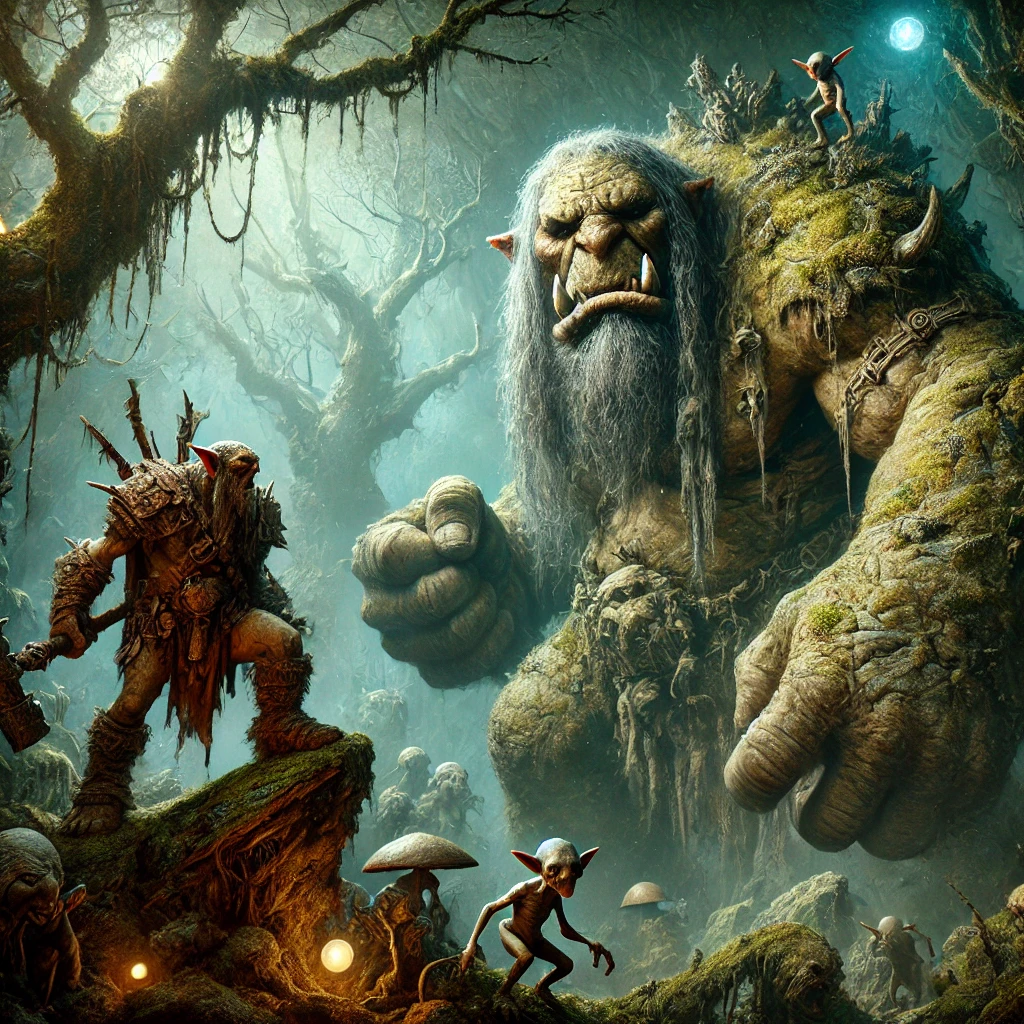
We have already noted repeatedly, just as modern humans originated from several ancient species — Neanderthals, Cro-Magnons, Denisovans, and others — according to traditional views, the people of the faerie come from two different sources. One branch, called the “southern,” is more chthonic, more ancient, and traces its origin to the Giants — the eliud or fir bolg, who are descendants of the “angels” — the Grigori. This branch gives rise primarily to the “giant” races of the faerie — ogres, trolls, goblins — however, their descendants are also found among more “civilized” and shorter groups. This branch is related to the Fomors, who are also ancient giants, and therefore, according to legends, the fir bolg are the only group of beings that the Fomors do not persecute. Nevertheless, among the descendants of the fir bolg there are representatives of both the Honest (Fair) and the Dishonest (Unfair) courts.
The second branch of the faerie descends from the Bright Alves, and is known as the “Tribes of the Goddess Danu” (Tuatha de Danann), and represents the more “reasonable” and “cultured” part of the Fairy Folk. Early Christian writers also called them fir dé (“god-people”) and cenéla dé (“god-kin”), emphasizing their higher origin.
According to legend, these two branches of “proto-faerie” at first even fought with each other (the so-called First Battle of Mag Tuired), but then reconciled and closely intermingled, giving rise to the Immortal People in their familiar sense.
Nevertheless, the relationship of the faerie with the Fomors remained complex, and although formally the army of the Tuatha de Danann prevailed over the Fomorian hosts in the “Second Battle of Mag Tuired,” this victory only “pushed” the Fomors into the Interworld (in which a corresponding region arose — Tir fo Tuinn (“land under the waves”), and later, when the faerie themselves departed into the Interval, they began to call their region of this space “Tír na nÓg” (“land of the young/land of youth”)).
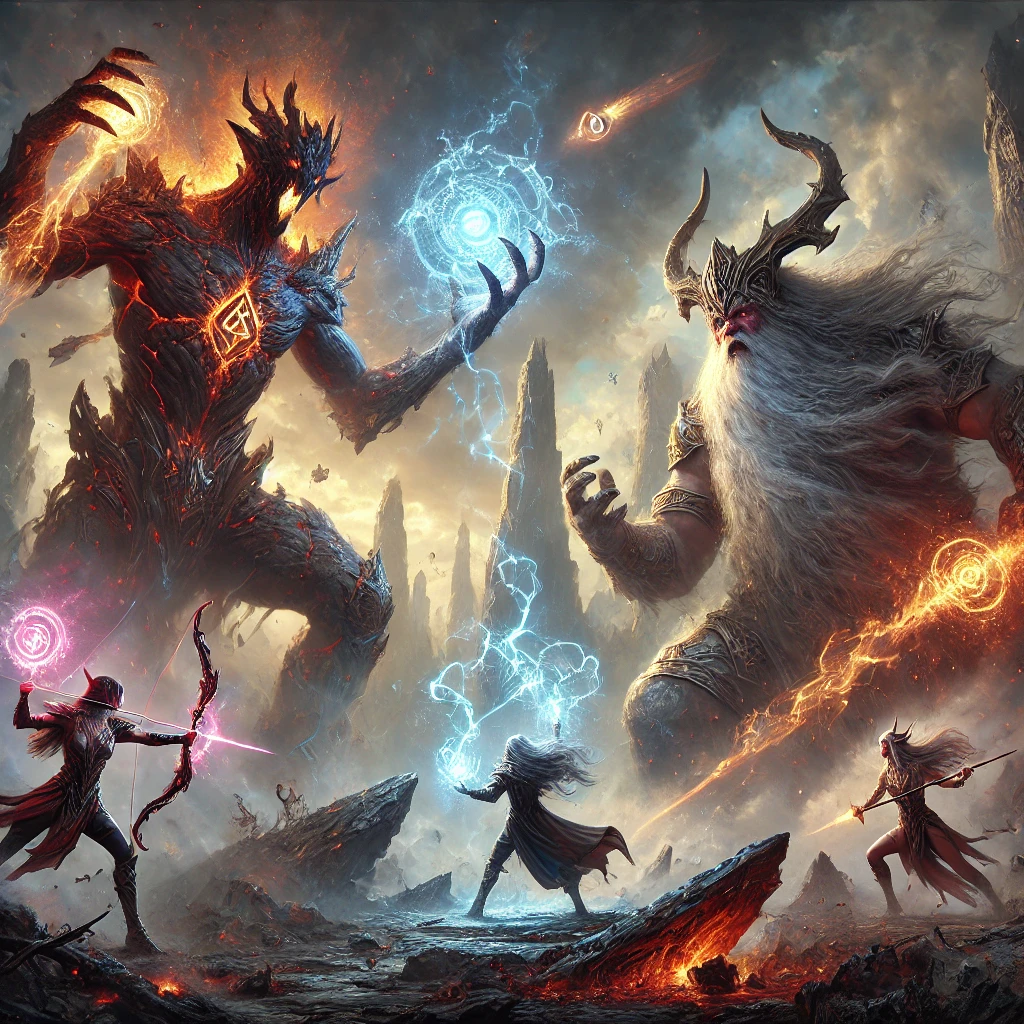
Thus, both the features of mind and their origin place the faerie beyond the boundaries of global food chains, and, during their time on Earth (in An Domhan), they had almost no natural enemies, being of no particular interest either to demons or to the Archons. Of course, they had to periodically enter into skirmishes with the Fomors, as well as endure attacks by their own kin from the Unfair Court; however, these clashes were neither massive nor particularly destructive in nature. Also, faeries sometimes fell victim to demonic possession; however, such possession usually served the demons’ overall expansion or targeted humans or elementals, not typically against faeries.
And the only serious problem faeries faced in their lifetime turned out to be humans. Despite their victories over the Firbolgs and the Fomors, the Tuatha de Danann lost to humans both in battle (the so-called Battle of Tailtiu) and in the civilizational sense. Humans (Goidels or Milesians in the terminology of these legends) turned out to be more adapted, more assertive and aggressive, and therefore pushed the Aes Sidhe first to the outskirts of their world, and then into the Interworld. Probably the reason for such a defeat was the faerie’s “unreadiness” for a confrontation with a real adversary: having grown accustomed to living in a relatively peaceful and friendly environment, they did not develop the destructive belligerence that is characteristic of humans, who, from the very moment of their existence, fought for survival with numerous predators and competitors.
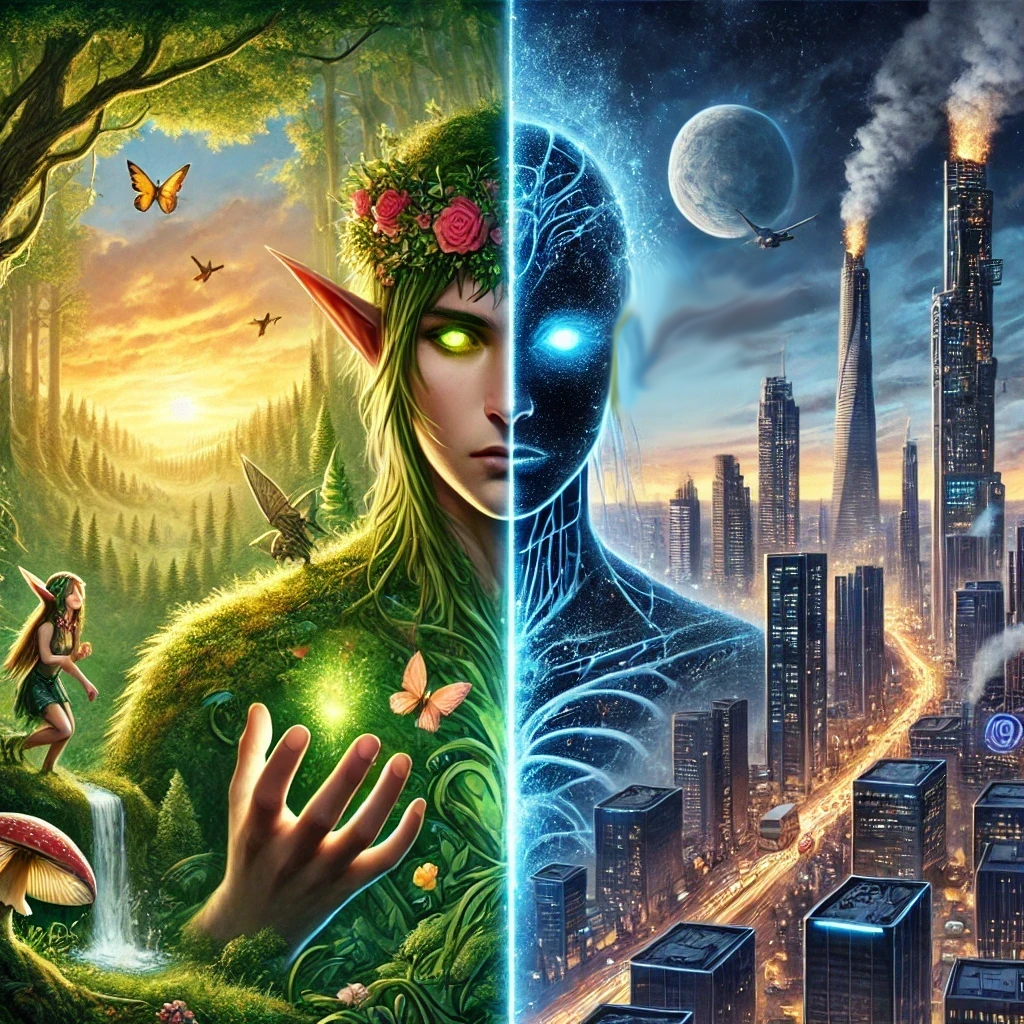
After the Exodus into the Interval (into Tír nAill (“Other land”), the life of the faerie, although it became more complicated, still did not have the catastrophic consequences that accompany human elementers’ presence there: the faeries usually repel attacks of elementaries without much difficulty; they rarely cross paths with the Fomors, although they sometimes wage war on the ussids. In addition, a significant portion of faeries assimilated into the Elemental Cities, assuming caregiving roles and maintaining them.
Thus, the faerie represent not only a more experience-oriented type of mind, but also a more harmonious and peaceable way of life — one from which, of course, humans could learn.
I sincerely thank you for the interesting articles and videos!
Good afternoon! Are fairies and fae the same or different?
Hello. I have repeatedly mentioned the origin and meaning of these terms in my articles. The term ‘fairies’ (English: fairy, Old French: faierie) originally referred to women-wizards possessing the knowledge of words, stones, and herbs. The origin of the word can be traced back to vulgar Latin fata (‘fate’), which emphasizes their connection with magic and predestination. Over time, the meaning of the term expanded to include not only magical women but also the entire magical sphere surrounding their activity. This is reflected in the use of the word faierie, which denoted not only the magical beings themselves but also their dwelling – ‘the realm of fairies’. Gradually, the word ‘fairy’ became a general term for all representatives of magical beings known in Irish folklore as aes sídhe (‘people of the magical hills’) or in Welsh tradition as Tylwyth Teg (‘The Good People’). Nowadays, the term ‘fairy’ is used as a collective name for all inhabitants of the magical world – magical beings known as ‘The Fairy Folk’ or ‘The Good Neighbors’. It encompasses not just fairies in the classical understanding but also elves, kobolds, leprechauns, pixies, and so on – an innumerable number of different races and peoples. This concept has become synonymous with other names, preserving respect for ancient traditions through euphemistic names like ‘The Good People’.
Hello! In your articles, you have mentioned repeatedly that fairies originate from the gory and the elves. Could you give examples of which races of fairies have which ancestors? Is there any regularity?
Hello! The “elvish” branch primarily includes the Tuatha de Danann (Tribes of the Goddess Danu)—the most renowned representatives of this branch, cultural, and very advanced in consciousness and magical power, along with their earliest descendants—the Sidhe (High fairies), as well as the light elves, Dini Shi, noble representatives of the Good Court, bearers of high knowledge and culture. “Giant” fairies are characterized by greater chthonianity, more robust and powerful bodies, and they are more inclined toward violence, destruction, and chaos, though they are not devoid of more noble feelings and emotions. This branch includes the fir bolg—the giant tribes that eventually became part of the Good and Unworthy Courts, as well as ogres, trolls, and goblins—the coarsest, physically strong, and often aggressive representatives of fairies. Smaller fairies—pixies, pookas, brownies, leprechauns, spriggans, and similar creatures—primarily descend from the branch associated with the light Elves (the Tribes of the Goddess Danu). However, their origin is not directly tied to inheriting the status and power of these ancient beings; it is rather related to the gradual degradation or transformation of certain groups under the conditions of life in the Middle World and later in the interworld. Some small fairies also have partial origins from the second branch (from the gory and eliw). A number of smaller, yet more aggressive and harmful beings (for example, goblins, spriggans, redcaps) probably received a certain amount of influence from the coarser and predatory “giant” bloodlines, which explains their tendency for harm, aggression, and destruction.
Hello! You have mentioned several times that fairies ‘are not interesting to the Archons.’ What does this mean, and how could a person use this?
Hello. Indeed, fairies do not fundamentally obey the structures of the Archons, since their very way of existence contradicts the nature of the Rulers. Firstly, fairies do not perceive reality as fixed. For them, everything is plastic, and any limitations are just a matter of perception. Secondly, they are effectively immortal and thus do not adhere to the laws of karma and do not get stuck in fixed timelines, but rather ‘slip out’ of them. Thirdly, their morality and ethics do not depend on the laws of the Archons. They are alien to feelings of guilt or fear of a ‘higher power’. They always act solely by their own laws, and these laws are not connected to concepts of good and evil, or action and retribution. Fairies not only do not give their energy to the Archons themselves, but also do not participate in egregorial systems, do not worship gods, do not build states, and do not follow fixed rituals of power. This makes them uncontrollable for the Rulers of the Between. At the same time, fairies live in ‘unified probabilities,’ rather than branched alternative timelines manipulated by the Archons. While humans get stuck in diverging choices, fairies simply move through reality, not being tied to one outcome. That is why in the eyes of the Archons, fairies are a ‘blank spot’; they do not provide the energy on which the consumption system in the Between is built. They do not emit emotions of fear, submission, or struggle, and therefore cannot be drawn into the game of the Archons. Since the Archons direct their ‘wards’ energies of attention, attachment to a specific reality, and fear, to free themselves from their influence, a person must change their perception of reality. And this, at least partially, they can learn from fairies. Thus, understanding the plasticity of the world allows humans to ‘slip’ through the ‘grid’ of gemarimen. Another lesson from fairies is to develop consciousness that goes beyond linear time. The Archons control humans who think sequentially (‘if I do this, then that will happen’). However, for fairies, reality is plastic, and consciousness can switch between probabilities while freely moving through worlds and timelines. A human can learn to change their position in reality, deliberately transitioning to more favorable circumstances. The less a person is attached to the old structure, the easier it is for them to move to the new. And then the Archons will stop seeing them as a resource, and they themselves will be able to move through the world as freely as fairies.