
The Dream Body and the Postmortem Body
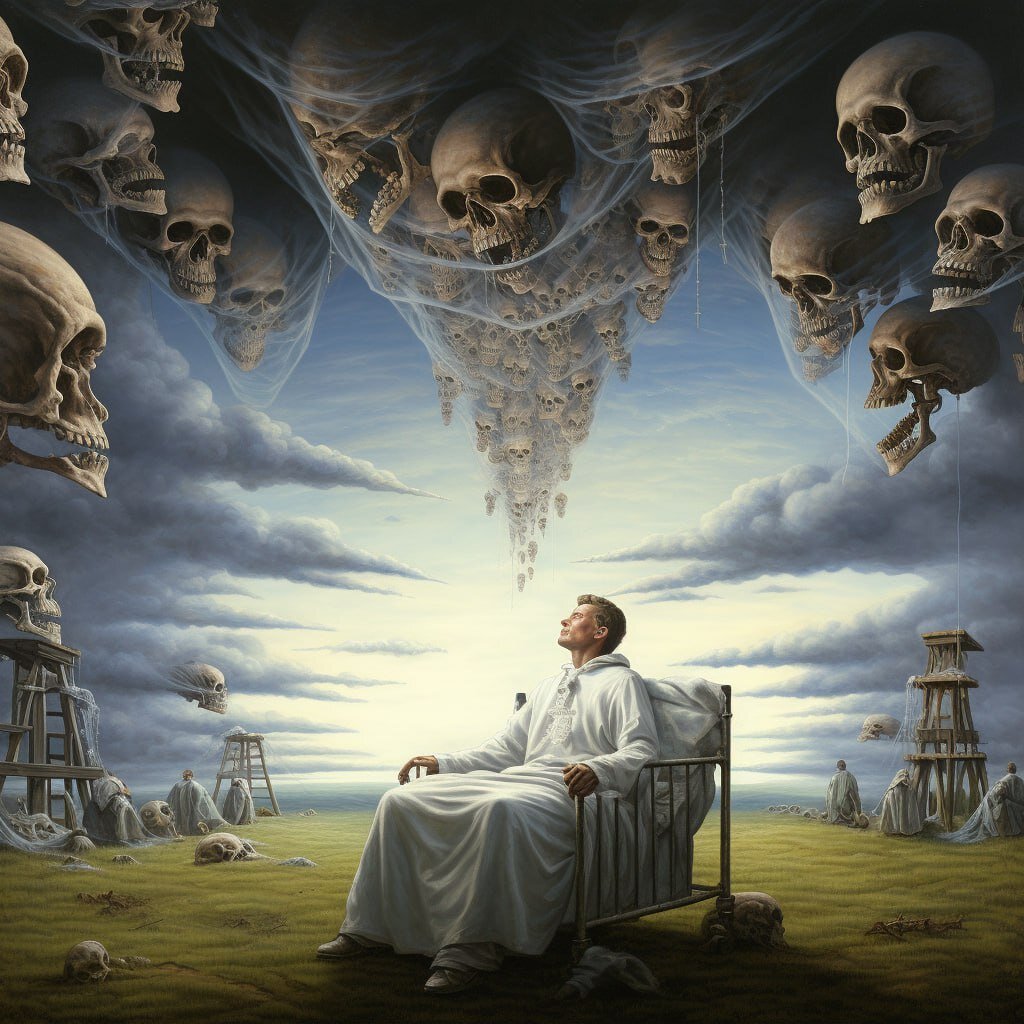
We have noted that the experience of the Interworld mind is in many ways similar — both in form and in essence — to dreaming.
Indeed, both states arise as a result of the “exclusion” of the mind-integrating component, namely the physical body.
At the same time, as we have already said, there is also a very serious difference between them: the energy for the dream body comes from a living, though inactive, physical organism that continues its life processes, whereas the body of the interval is sustained by its own energetic reserves. In this connection, as we have also discussed, these two “bodies,” though similar, are formed through different mechanisms: the basis for the formation of vedogonya is the thought body, which is “clothed” in sheaths of the desire and life bodies, whereas the body of the interval (“ka”) is formed from the desire body, more precisely, its most “subtle” part, to which the life-body energies are added, nourishes it, while the mental body (“ba”) in the postmortem state follows its own path, aimed at its purification and the integration of the mind’s “inner experience.”
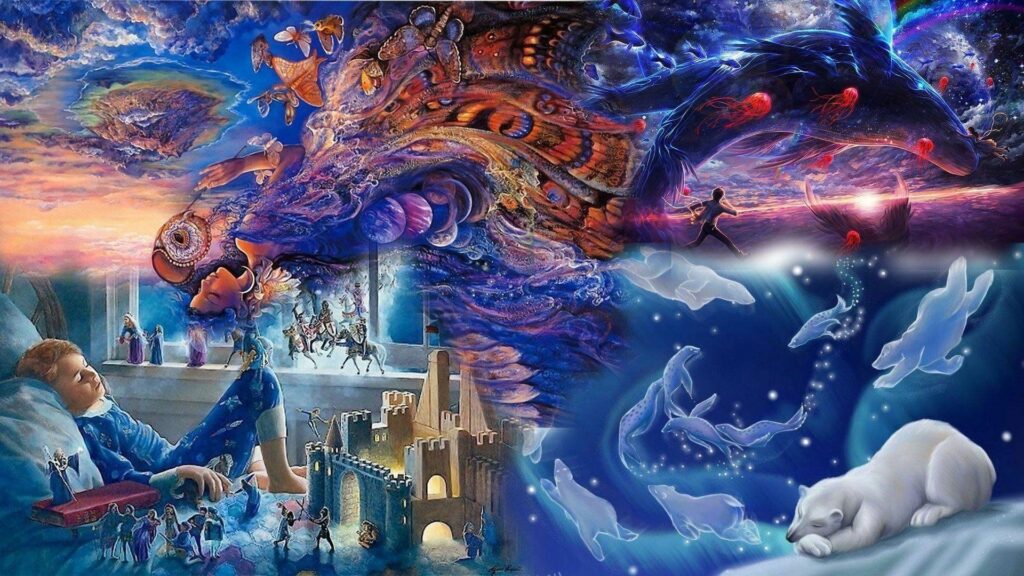
This difference is primarily due to the different tasks performed by dream and postmortem experience: dreaming is a way of discharging those impulses, desires, and psychic tension that, for some reason, cannot occur in waking life, whereas postmortem wandering is a path for integrating accumulated experience and clearing accidental energetic accumulations. And although formally these two kinds of experience take place in the same virtual space of the Interval, their energies, the images perceived, and their interpretations differ significantly.
In a certain sense, one can say that dreaming is a “rehearsal” or “training” for postmortem experience; however, even the most advanced dreamers are not immune to all the dangers and difficulties of the path through Duat.
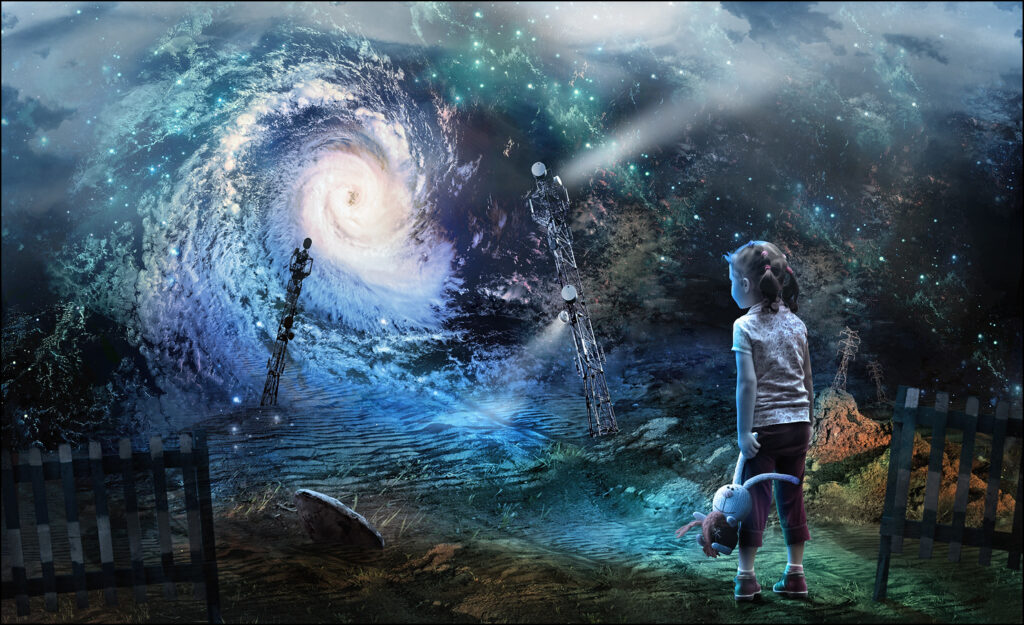
Indeed, as we have seen, dreaming is guided by the mental component: it is precisely it that “decides” which impulses, desires, drives, and attractions should be “discharged” in the dream. It also creates interpretations of the experience received, comparing the interactions carried out in the space of dreams with the pictures known from “daytime life.” Therefore dreams are often populated with images and figures “familiar” from “daytime” life. At the same time, as we have already discussed, these images are merely “interpretations,” clichés imposed on the experience. In other words, if we dream of some familiar person, this does not necessarily mean that in the dream we came into contact with them or their energies; most often it means that our mind (under the guidance of ba, the mental level) describes certain interactions in the potential space as similar to those we experienced when interacting with this person. That is why it is so easy for predators in a dream to mask themselves, passing themselves off as someone we know and trust.
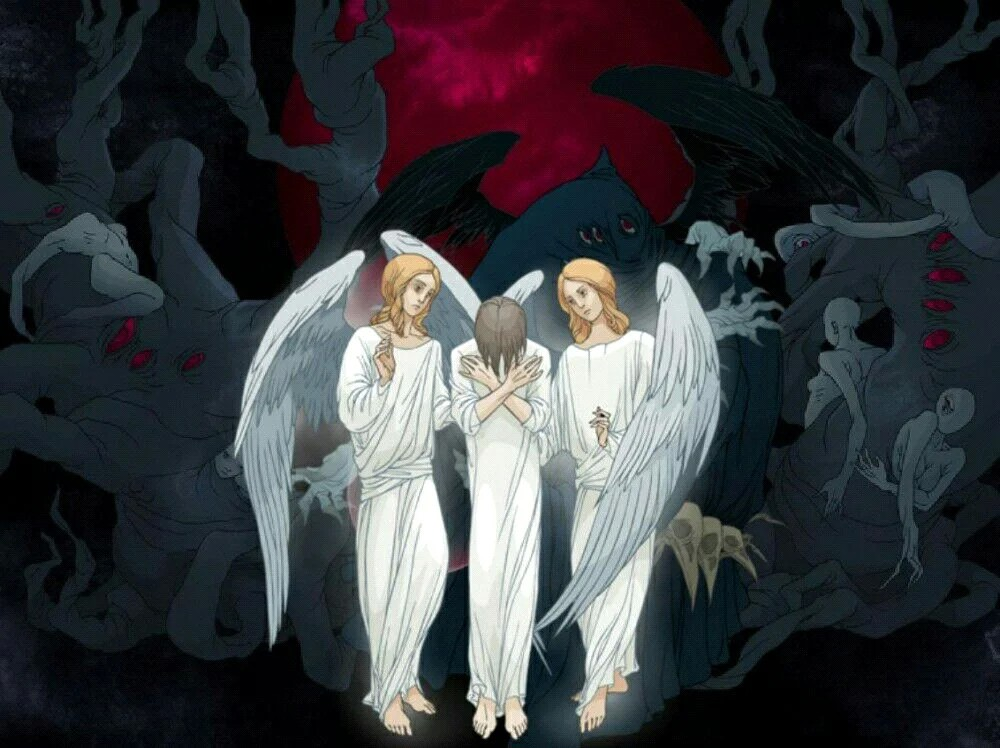
At the same time, postmortem experience is much closer to direct and immediate perception and is much more free of such “substitutions.” Although at the first stages of disembodiment, when the separation of vehicles has not yet fully taken place, a person can also perceive clichéd interpretive images as relatives or acquaintances and the like, as ka sinks into the Interval, its perception becomes ever more “pure,” and it increasingly sheds patterned interpretations. It is clear that it still cannot completely free itself from interpretations, however, the ability to recognize predators and alien energies increases significantly, which aids traversing Duat for successfully traversing the path through Duat. The situation is further complicated by the fact that, as we have already discussed, the same person at the moment of death can “give rise” to several “parallel” ka, each with different subjective experiences, at least one of which must pass the entire path through Duat and meet with ba. If the state of mind in the postmortem state were the same as in dreaming, hardly anyone would reach the final point — the reintegration of the mind; all energies and resources would be consumed, and every elementary spirit would turn into an utukku. So, although the “departure of ba” is aimed at fulfilling other tasks — the integration of reflexive experience — it also has an additional protective significance.
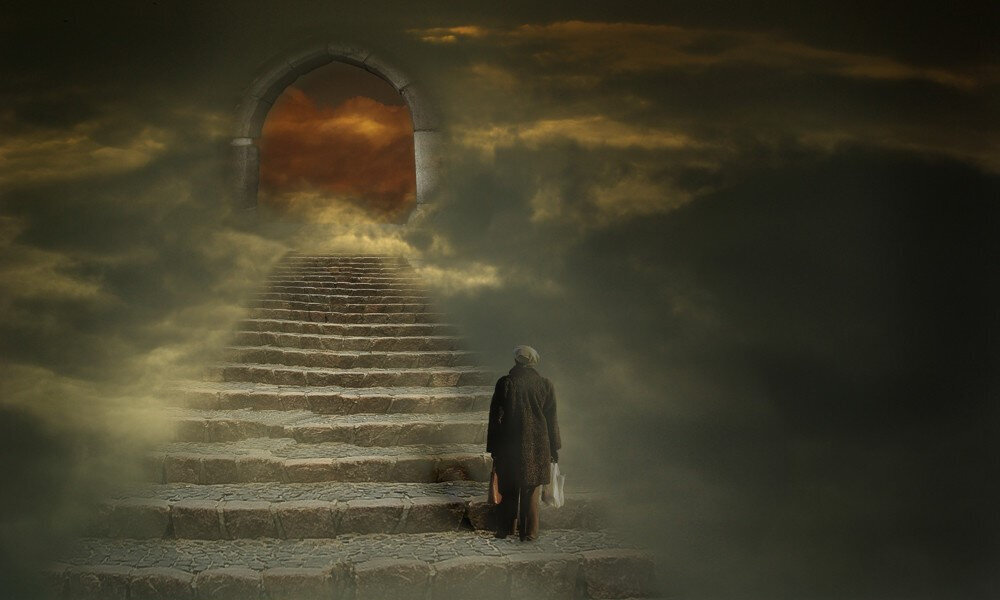
Thus, it is clear that a developed “dream body” is only an “added benefit” in the form of a habit of “out-of-body experience,” but not a guarantee of successful disembodiment.
We have discussed that both “bodies” or “souls” — “ka” and “ba” — are not “innately perfect”; on the contrary, they are continuously formed and developed throughout life. However, if the formation and “training” of vedogonya take place over roughly a third of life — during each dream — then the creation of a functional “body of the interval” is most often carried out after the death of the physical body, in the first hours of disembodiment.
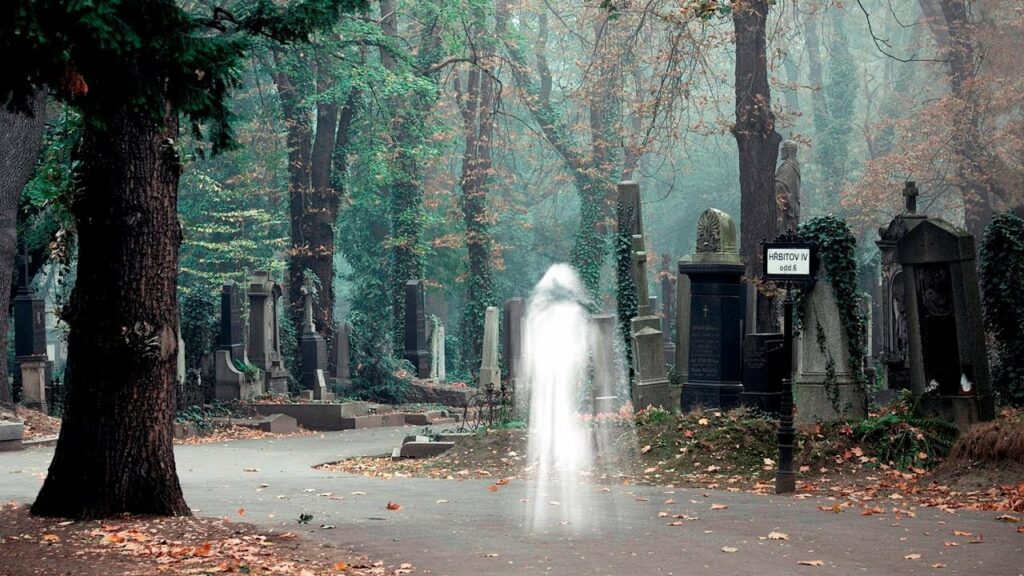
Therefore this process often goes wrong, leading to the formation of “additional entities” in the form of “ghosts,” or even becoming stuck in the Interval. The probability of such a botched disembodiment is especially high in the case of sudden death, when the mind has not formed even the rudiments of readiness for “renouncing” the manifested world and the physical body.
Therefore it is so important to study the postmortem state; although this topic can be frightening and uncomfortable, this discomfort is nothing compared to the horror experienced by a being torn from life and the familiar world, pursued by predators and gradually losing coherence. It is important for a person to honestly acknowledge their mortality and the inevitability of the transition process, accompanied by a radical change in the way the mind functions, the loss of supports, memories, and identifications, with the preservation of only those tendencies and habits that have become deeply woven into it. And this, of course, is a completely different training than simply “astral flights” or lucid dreams, which do not experience hunger thanks to the support of the body; it emphasizes different energies and ways, and another way of obtaining and interpreting experience.
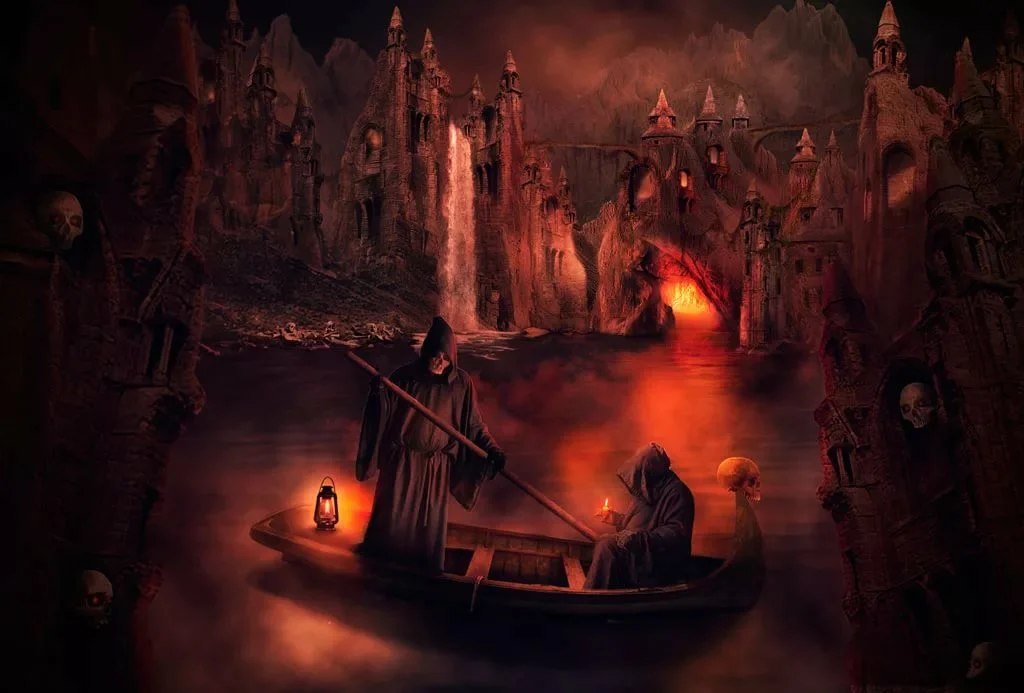
It’s sad to realize that many close and familiar people are awaiting such a conclusion, judging by everything.
In your opinion, is it possible for a part of consciousness to become partially stuck in the space of the interval while simultaneously being in earthly embodiment?
Yes, such cases occur, just like there are cases when the flow of consciousness, embodied in one person, is then embodied in several.
And this is already a sign of self-deification of one who was able to distribute their consciousness to several people.
All these bodies of dreams, thoughts, feelings, etheric, mental, and whatever else exists, does any direction cover them all? Not only in description but also in working with them. And I’m also curious, what’s bad about being an uttuku?
As has been noted more than once (https://en.enmerkar.com/magus-way/telo-i-soznanie), the word ‘bodies’ is not entirely correct because all mentioned conduits of consciousness are not separate entities, not separate structures, but manifestations of the principle of support of consciousness. In other words, it is correct to speak of two foundations: Consciousness and its Support, Conduit. However, depending on how consciousness functions, which aspects it manifests – it leans on different conductors. For example, if we highlight in consciousness its ability and process of generating desires and willful impulses, we say that it leans on the Body of feelings; if we consider consciousness as a collection of thoughts and mental processes, we see that it leans on the Body of Thought, and when we describe the functioning of consciousness in the Interval – we say it leans on the Body of dreams or the Body of afterlife. However, just as thoughts, feelings, and so on are not ‘separate consciousnesses’ but different manifestations of one psychic Stream, ‘bodies’ are also aspects of the principle of Conduit.
Hello Enmerkar!
I experienced a strange incident; please help me understand it.
I lay down in bed preparing to sleep, and at some point, I felt all my energy being drawn from my heart upwards into some kind of sphere, pulling upwards as if it was about to leave my body… I got scared and barely managed to rise from the bed to grab my phone and call for help from a familiar person, then I heard another gadget ringing… I struggled to turn my head, saw my room and window, turned to see what was ringing… and suddenly I felt that this sphere was being drawn back in, and I saw myself waking up… I had no phone in hand and no gadget on the nightstand either…
Please advise what happened to me and what to do about all this, as the state felt as if I was splitting or relaxing. Thank you in advance for your response.