
Archons and Epiklets
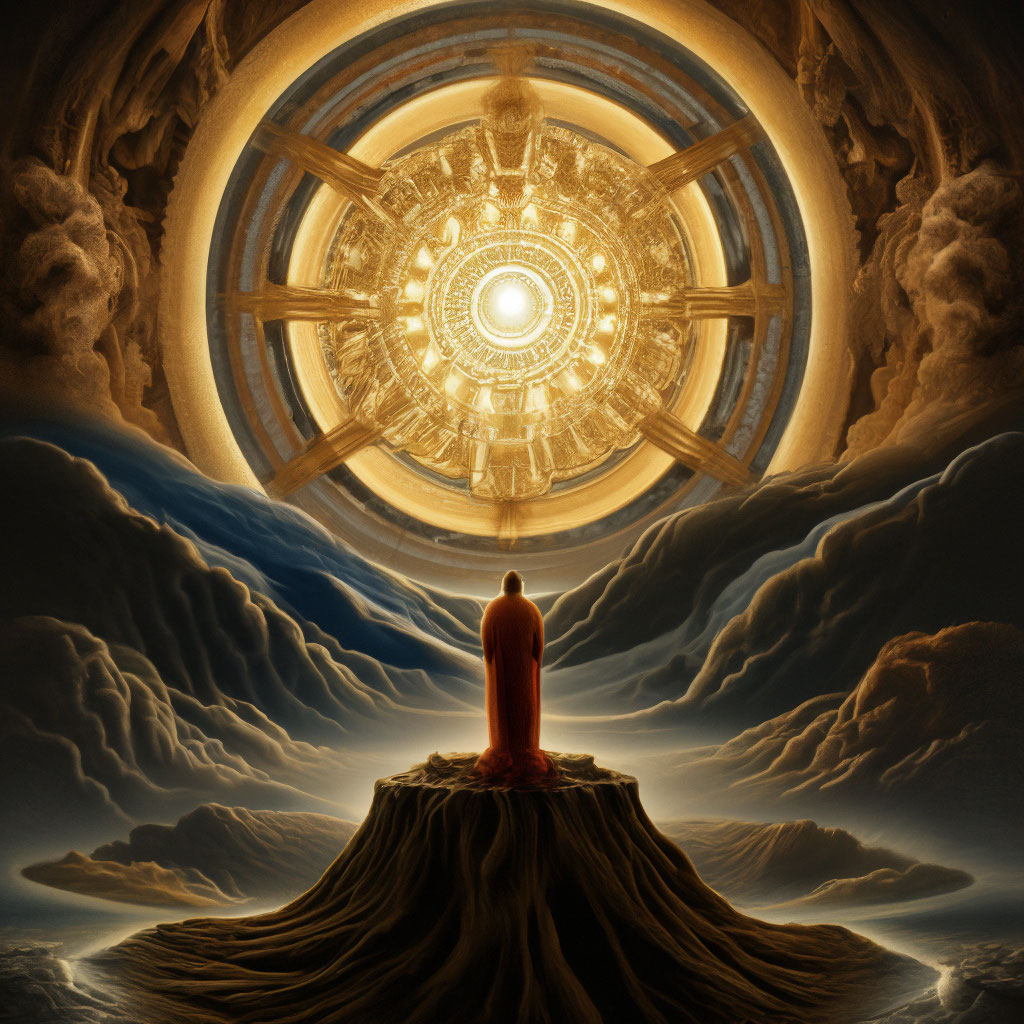
As we have already mentioned, the main forces supporting the flow of energy between the worlds and the Interval are the Rulers, or Archons.
At the same time, we noted that the energy that enters the Interval can either flow out into the gloomy depths of the qlippoth or remain in the Interval itself, nourishing its inhabitants.
Thus, we can distinguish two “engines” that “suck out” energy from the worlds and form the energetic basis for beings’ destructive behavior: 1) the “hunger” of the qlippoth, Black demons, and 2) the “hunger” of the inhabitants of the Interval themselves, for whom the Archons “care.”
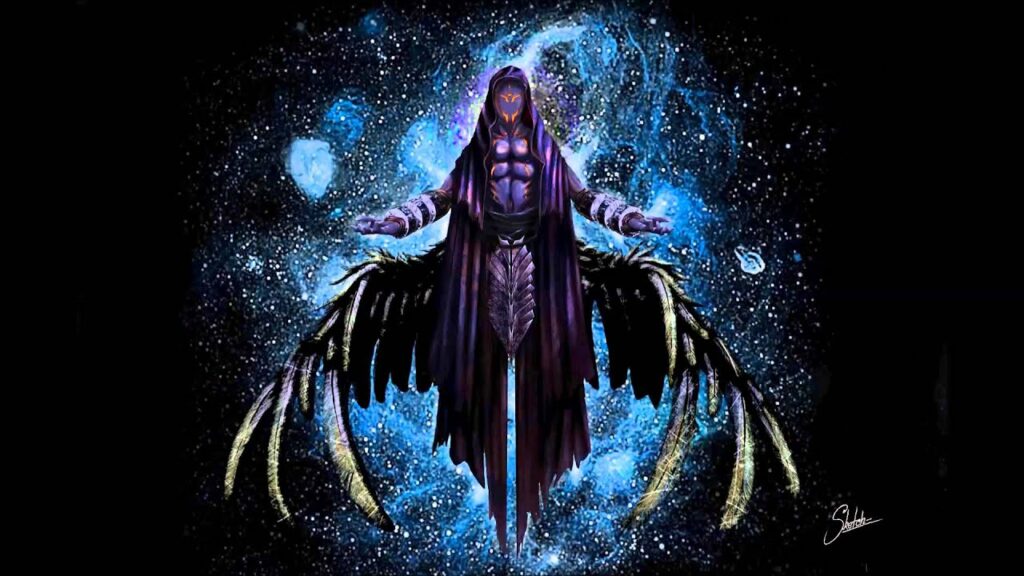
Accordingly, there also emerge two “service” hierarchies that ensure these two currents: the Gatekeepers (“Kidemons” or “Goetic demons”), who are “responsible” for “feeding” the qlippoth, and the Epicletes (or, in Gnostic terminology, “Powers” (or “Potestates” — from Lat. “potestas,” “power” or “force”), who are “auxiliary” in relation to the Archons.
Hermetic discourse introduces a division between these two groups of actors, assigning them, respectively, to the “edge” or to the “space” of the Interval; however, in fact, the difference between them is deeper and more substantial.
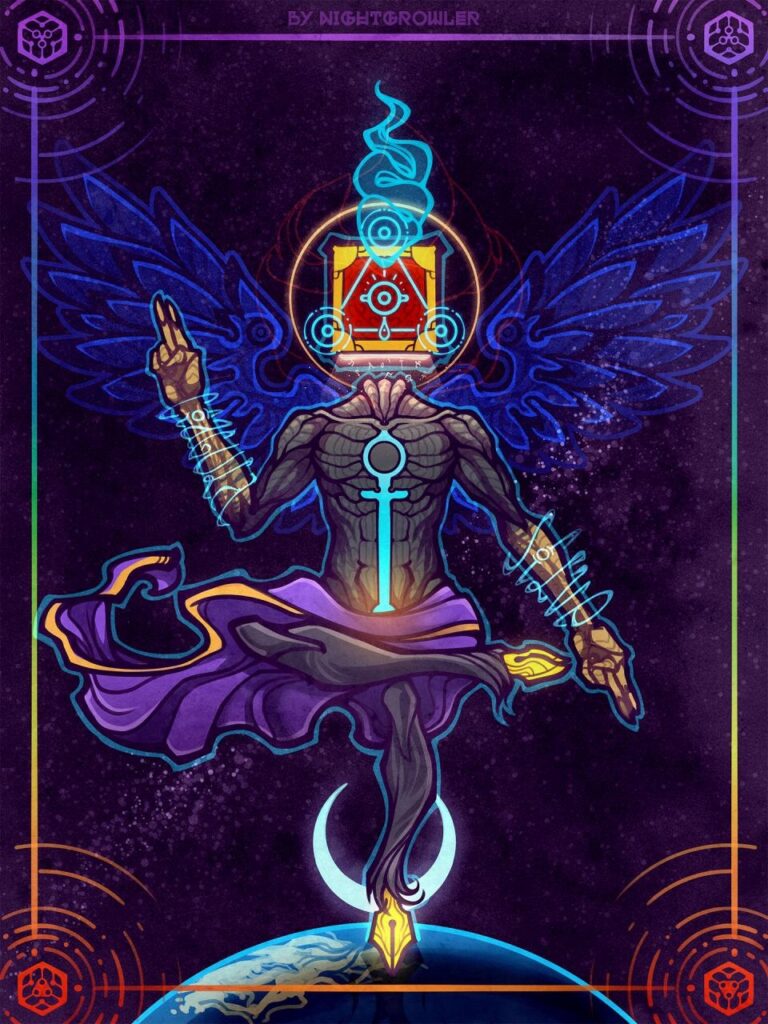
Indeed, in numerous Gnostic texts, the term “Potestates” denotes entities no less important than the Archons, which are connected with the concept of governance and power. From this cosmological perspective, the Potestates closely interact with the Archons in maintaining heimarmene and governing the world.
A large corpus of goetic literature is devoted to issues of classification and interaction with epicletes, while views of their nature and aims are limited and contradictory.
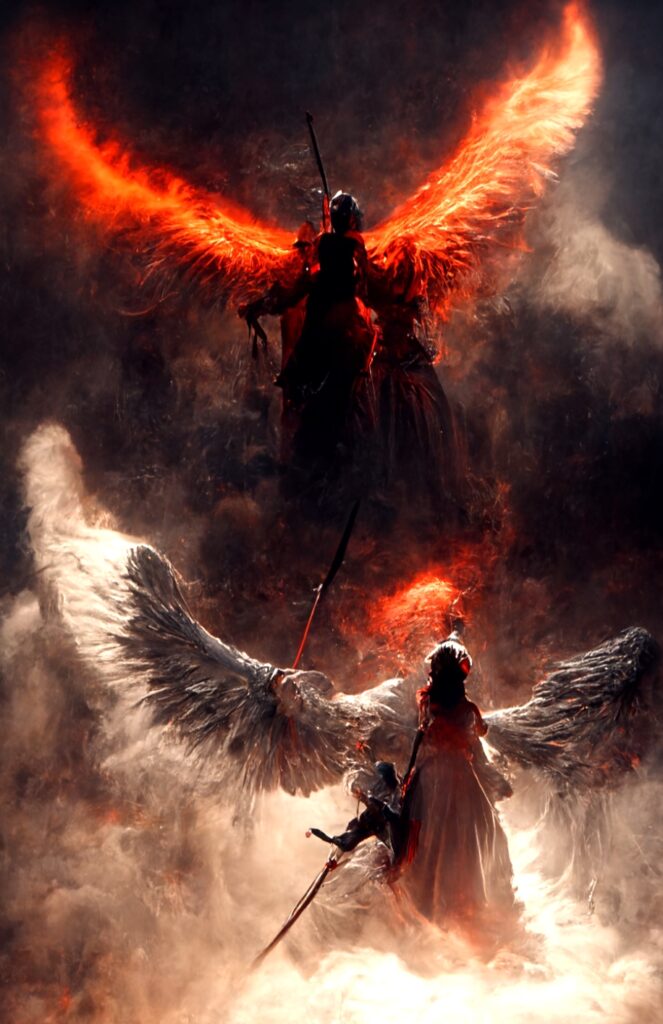
Unlike the Archons, whose nature is opposed to spiritual evolution, the Potestates can be either benevolent or hostile. They can also be considered intermediaries between higher spiritual entities and the material world. The Potestates govern various levels and aspects of the material world but also closely interact with the Archons, who control planetary spheres and influence the processes of the manifested world.
In the “Apocryphon of John,” the “Powers” are described as parts of a cosmological system connected with the creation and governance of the world. They are subordinate to Yaldabaoth, the chief Archon, and help him maintain order in the material world. They may also be perceived as additional aspects of the Archons or as servants who carry out the orders of Yaldabaoth.
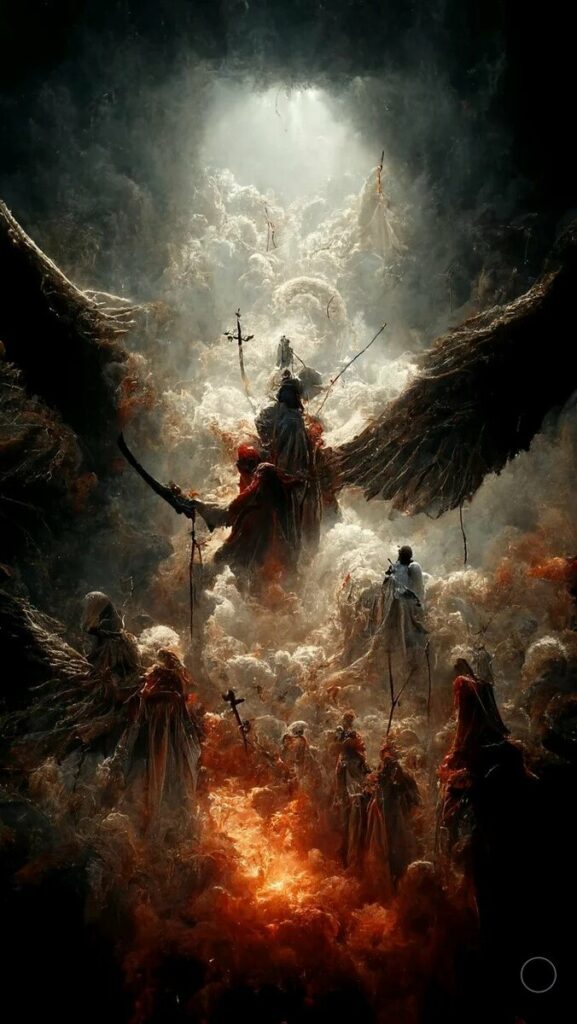
In the “Pistis Sophia,” the Potestates are described as entities that act in astral spheres and can affect souls. They influence the path of Pistis Sophia and other souls who strive to return to the Higher Light. This text emphasizes how the Powers, interacting with the Archons, try to keep souls in the material world.
In the “Hypostasis of the Archons,” on the contrary, the Powers are often regarded as higher or more powerful entities than the Archons, and they can govern various aspects of cosmic reality. They serve as assistants or subordinates of Yaldabaoth, carrying out tasks of control and maintaining order in the material world.
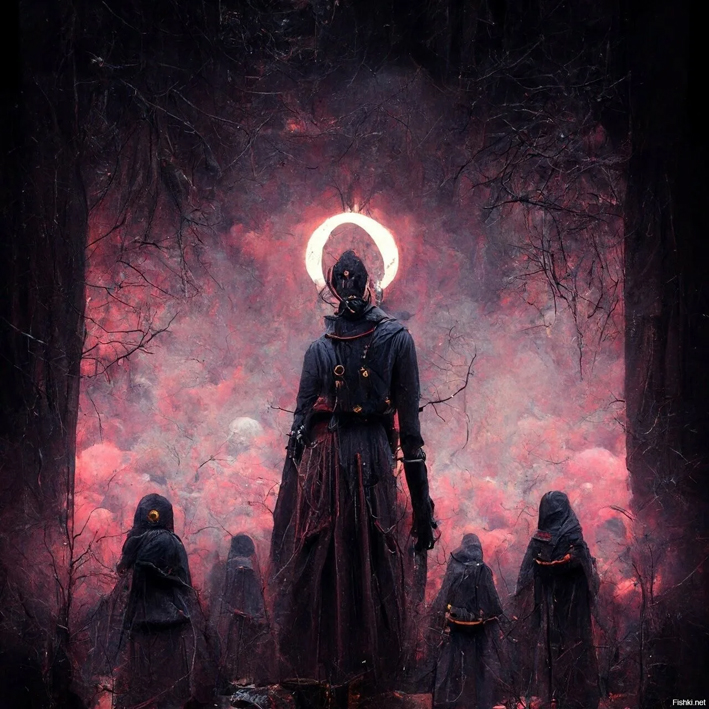
As quoted from Epiphanius we have cited, “They (the Gnostics) say that the soul is the food of the Archons and the Powers, without which they cannot live, because it is from the dew above and gives them strength. When it is filled with knowledge… it ascends to the heavens and provides protection before each Power and thus rises above them to the highest Mother and the Father of All, from where it descended into this world.”
From this text one can conclude that, like other “Grey” spirits, the Epicletes have a predatory nature, consuming at least part of the energy dissipated by beings inhabiting the worlds. At the same time, unlike many other “obligate” predators, the Epicletes can not only “take away” energy or cause its dissipation but also “lure” or even “buy” it by offering knowledge or material benefits in exchange and (sometimes) contribute to the evolution of beings (guided by the strategy “more development — more energy”).
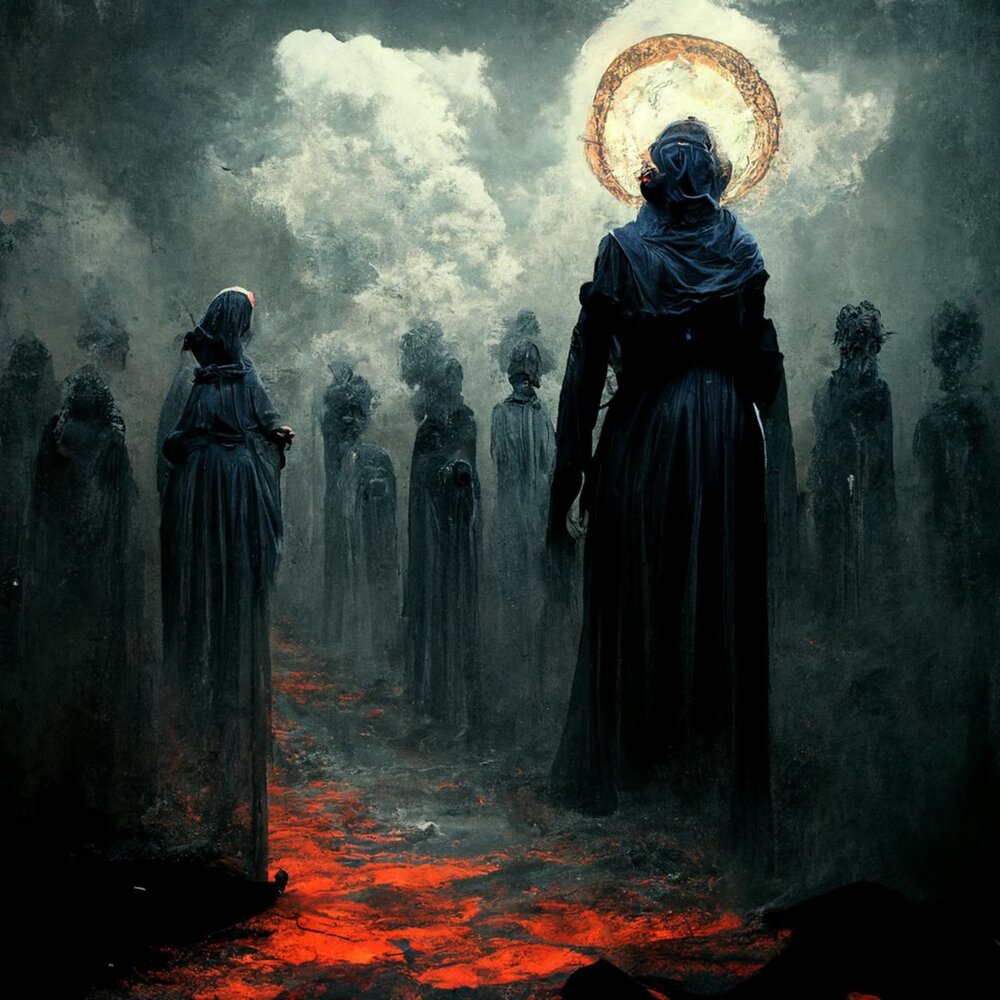
From the point of view of Gnostic cosmology, the Potestates can perform several functions:
- Governing astral spheres. Epicletes regulate various levels and aspects of the material world and astral spheres;
- An enslaving and restraining role. Like the Archons, the Epicletes can keep minds captive in matter and hinder spiritual advancement. In this sense, the Potestates are a kind of “demons of heimarmene,” forces participating in the “enslavement” of the inhabitants of the worlds and turning them into a food resource for the Interval;
- They can act as intermediaries between higher spiritual spheres and the material world.
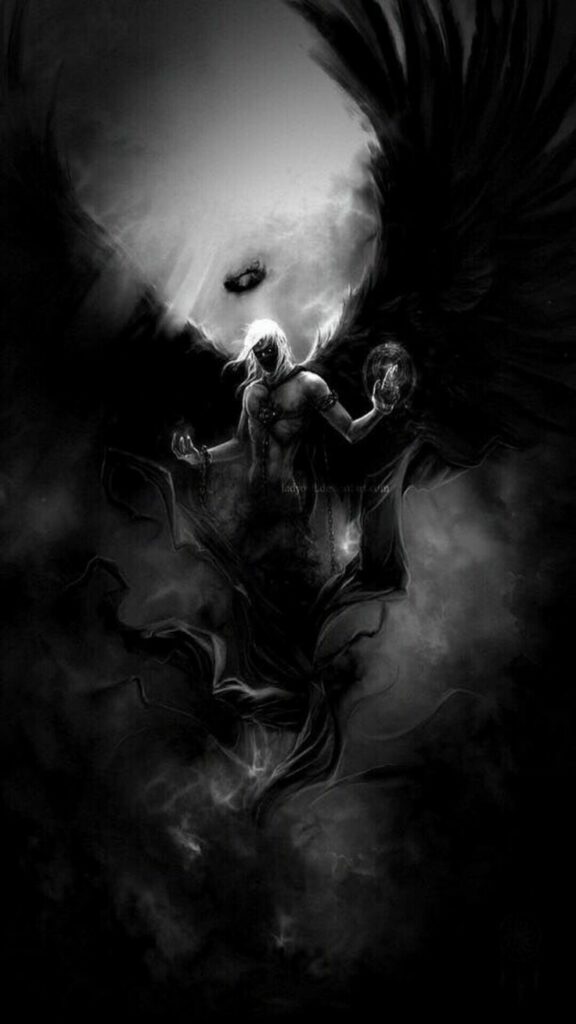
At the same time, Gnostic ideas about “Grey” spirits that take an important part in governing the material world are not unique. Some parallels can be drawn between descriptions of the Potestates in Gnostic texts and similar images from other mythological and religious systems.
For example, in ancient Greek mythology, spirits and forces are described that govern various aspects of nature and fate. Among such beings, one may mention the Charites, who were most often described as goddesses of beauty, grace, and elegance. However, although they are mostly associated with these positive aspects, in some sense their functions, as governing aspects of nature and human behavior, may be similar to the descriptions of the Potestates, who also govern various aspects of the cosmos and human destiny. The Charites also govern aspects of human experience and aesthetics, which may be comparable to the power of the Potestates over spiritual and material reality.
Another group of beings, who also share functions with the Potestates, are the Ephions or Aethers — spirits associated with the elements and astral spheres, which, according to tradition, govern various aspects of the universe.
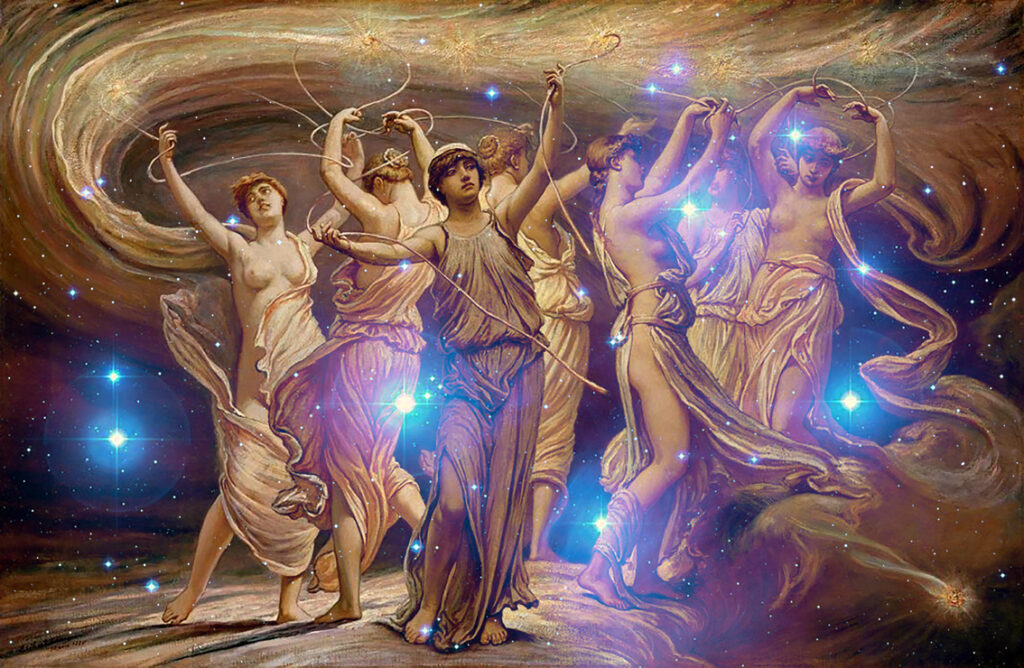
In part, the Moirai, who rule destinies and control aspects of life and death, can also be compared with the Potestates.
In Egyptian mythology, deities and spirits control aspects of the afterlife and the destinies of people, for example, the gods Shai and Maui. These are figures connected with fate and fateful governance.
In Zoroastrian ideas, Zoroastrianism distinguishes between good (Yazaats) and evil (Devans), which can be compared with the Gnostic Powers that perform roles in supporting or obstructing the spiritual path.
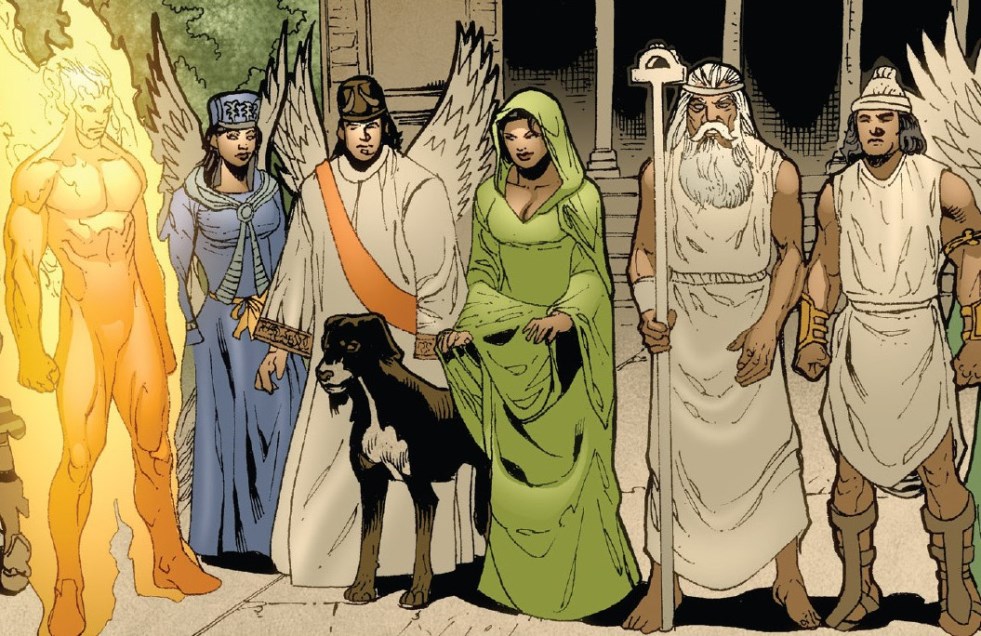
Thus, the Potestates, as they are described in the Gnostic tradition, play an important role in the cosmological system, governing various aspects of the material world and astral spheres. They interact with the Archons and can both help and hinder incarnated beings and souls on the path of evolution and liberation from the bonds of heimarmene. Their functions and energetic, symbolic manifestations resonate with concepts of governance and power in other mythological and religious systems.
Accordingly, the role of the Epicletes, “spirits of the air,” is not reduced to simple “wanderings” through the “subcelestial” space. They are active participants in world processes, taking part both in maintaining heimarmene and in the current of energy from the worlds into the Interval.
Very deep/interesting/useful. Thank you dear En