Botis and the Entrapment of Choice
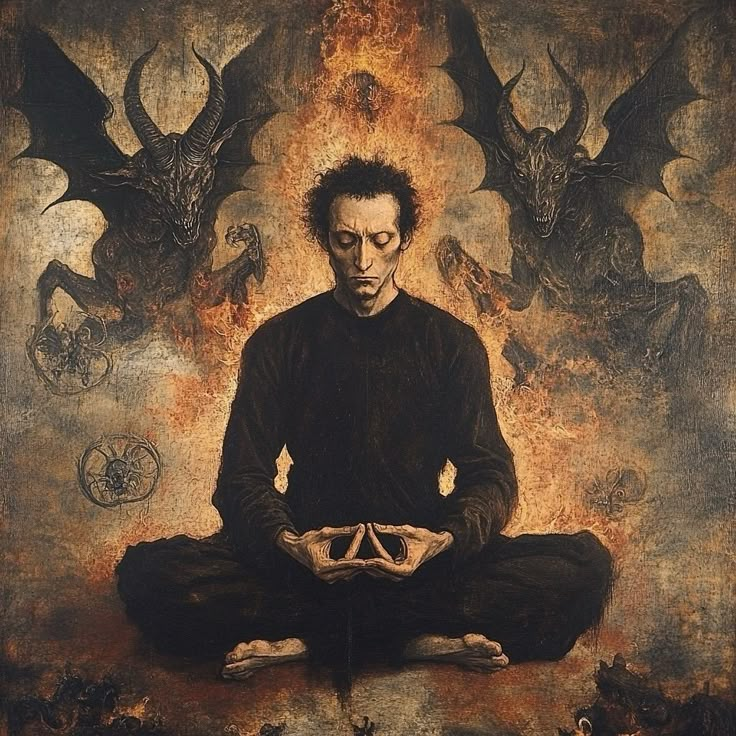
We have already discussed that among the destructive forces that lock the mind into a single reality, depriving it of flexibility and ability to choose, the archdemon plays an important role Agaliarept and his retinue, in which the “Great Duke” Botis especially stands out.
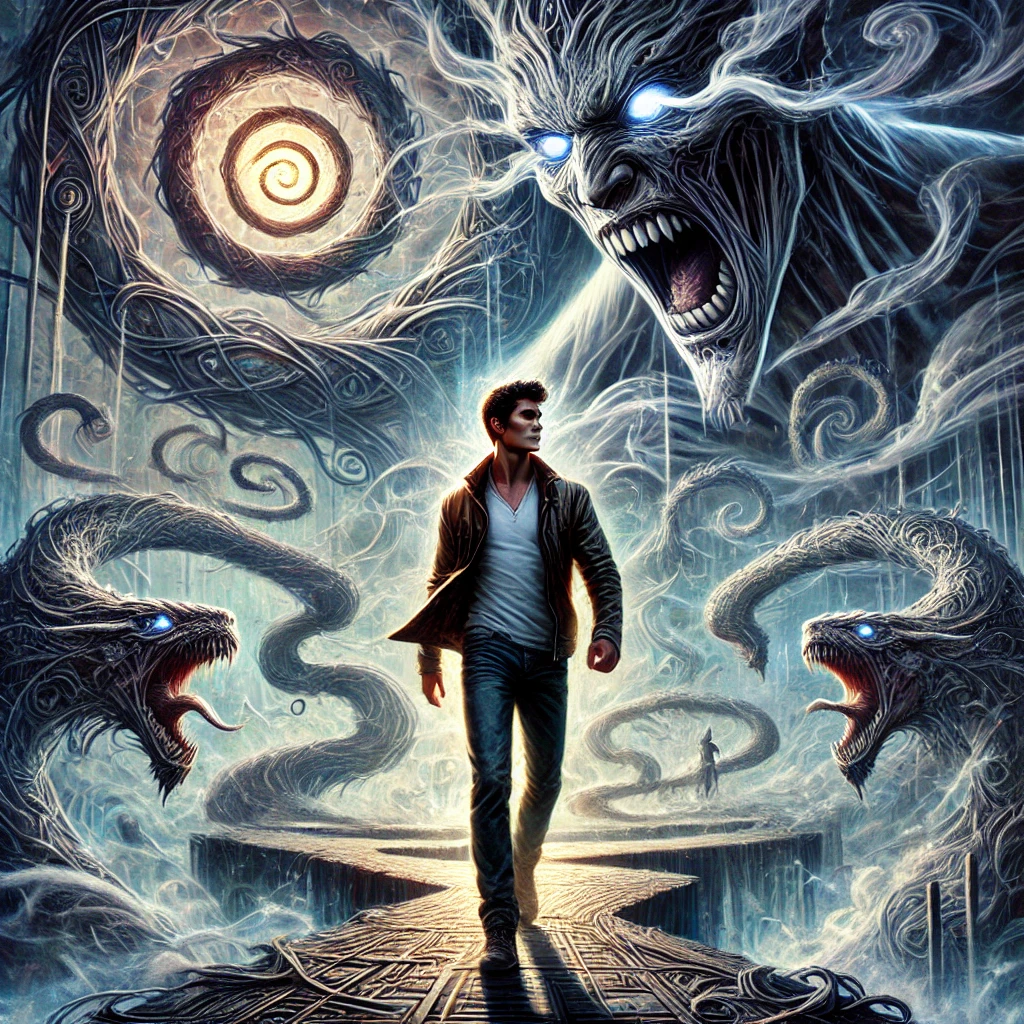
Botis is a destructor that causes the mind to become stuck in an endless process of searching for the “right decision,” yet never allows it to make a choice, to commit to a decision. His influence is an enslaving vortex of indecision in which the energy necessary for action dissipates into endless reasoning, analysis, and fear of making a mistake.
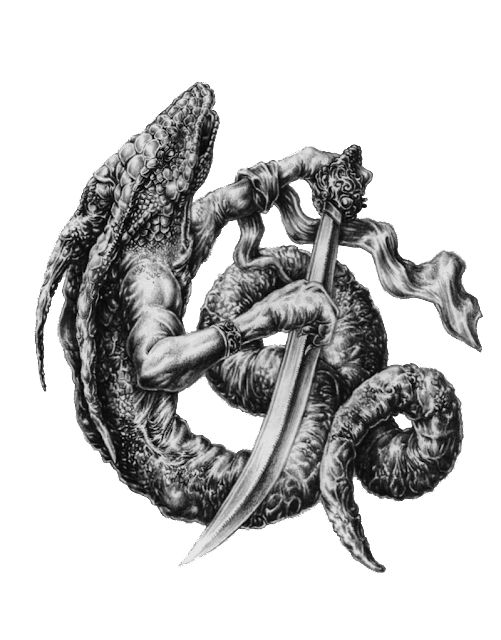
If the matrix of Botis is active in the mind, the mind hesitates endlessly between options that prevent action, while believing that it is seeking an “ideal choice,” which in reality leads to stagnation and inaction. In this way the mind tries to cope with the fear of making a mistake, which leads to rejection of risk and weakening of will, and indecision is disguised as “being deliberate” and “thoroughness.” As a result, the mind under the influence of Botis may spend years thinking about how to move forward optimally, yet never take a single real step.
While the Logos defines the ideal path to realization, Botis blurs this understanding, creating endless logical loops in which the mind gets confused instead of moving along the Path. This is what makes the demonic Duke a force that obstructs the flow of development, does not let the mind gain sufficient momentum and move toward the goal.
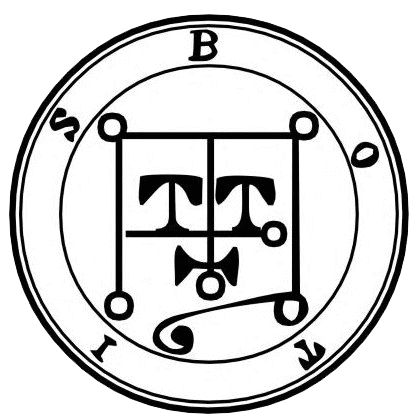
We said that the sigil of Botis resembles scales — a symbol of the illusion of ideal balance, but in reality it is only a looping mechanism.
On a deeper level, Botis blocks the formation of probabilities, because he prevents the mind from shifting — for the choosing a probability always requires the completion of a decision. Botis creates the illusion that there is still time to think — although the longer one thinks, more energy dissipates, which is what feeds the predator. In addition, the demon fixes the mind in a state of uncertainty, not allowing it to consolidate intention and advance along the necessary path. While Agaliarept leads the mind into the past or the future, causing regret and missed opportunities, Botis prevents the mind from settling on any probability, not allowing it to take even one step.
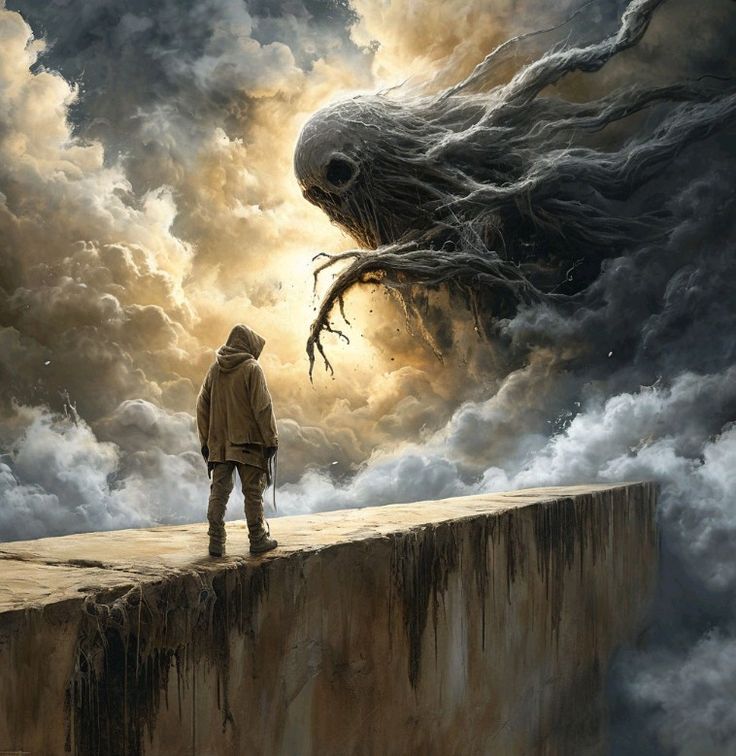
As an embodiment of indecision, Botis interferes with any strategies for working with probabilities, paralyzing the very mechanism of choice.
It is clear that in order to consciously change probabilities, it is important to be able to direct one’s desire; however, Botis blurs this intention, creating the illusion of the need for endless analysis before making a decision. Thus, Botis prevents the mind from leaving an established probabilistic flow, forcing it to get stuck at the point of choice.
We said that, from the point of view of Magic, a chance is a moment of temporal instability in which a sharp break in the cause-and-effect chain and a transition into a new stream of events is possible; however, it always requires immediate action — otherwise it disappears.
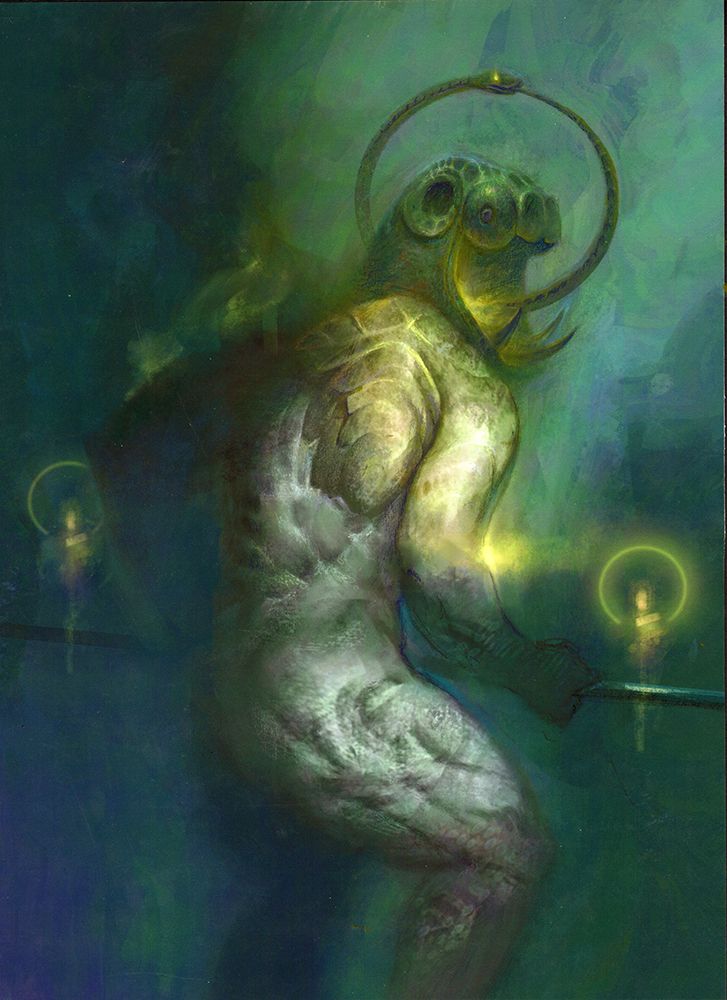
And it is precisely then, when worlds and timelines touch, Botis usually activates his influence. He instills the thought that there is still time to think, and thus provokes “false deliberation,” in which the mind, instead of choosing, only endlessly analyzes possible outcomes. At the same time, he offers the illusion of control: “Wait a little longer, until you are sure that you have chosen exactly the right option.” As a result, instead of quickly using the chance, the mind begins to weigh the “pros” and “cons,” and in the end does not move, remaining at the starting point. Thus, Botis does not take away the chances themselves — he simply prevents one from daring to use them.
The active matrix of Botis does not allow the mind to perform even a shift, because in order to perform a conscious shift, it is necessary to fully accept a new version of oneself and reality. However, the Duke of Doubts creates a barrier between the mind and the new reality, forcing one to doubt the possibility of transition. He provokes fear of change, calling to hold on to the old version of reality, instills doubt in the reality of the new version of oneself: “What if it’s just a fantasy?” Botis also induces mental attachments to the past chain of events, not allowing one to go beyond it. As a result, the mind remains in the old flow, although inside it was already ready for the transition.
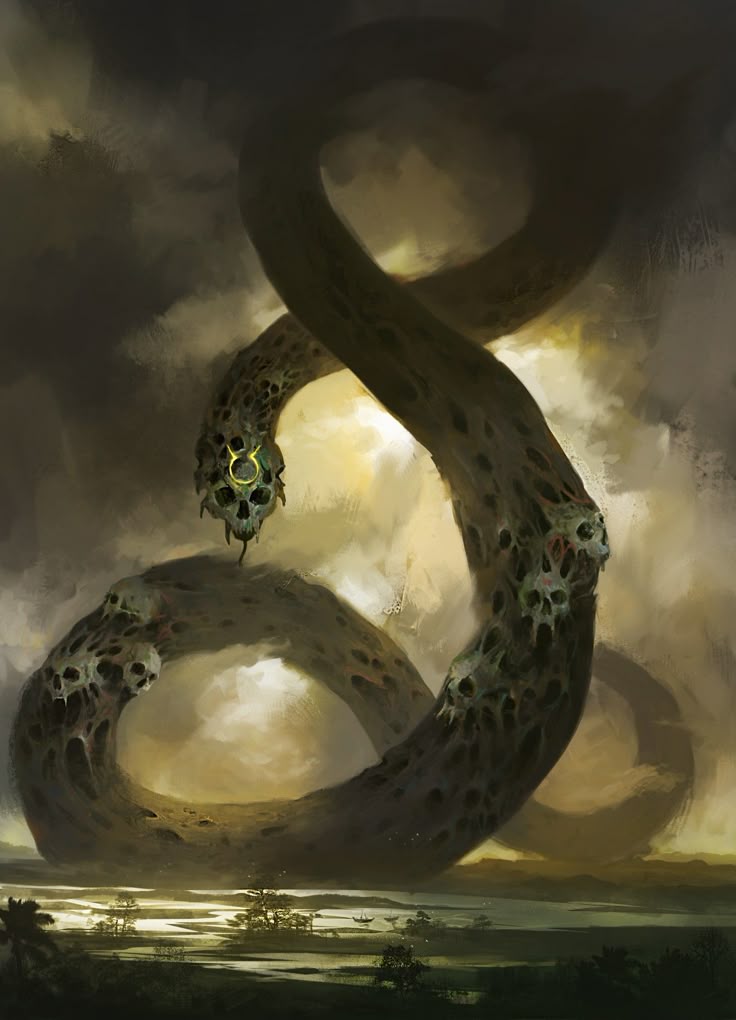
The king of Botis — Agaliarept — creates the illusion of temporal infinity, and the Duke uses this infinity to induce indecision in his victim. At the same time, both demons make aware control of probabilities impossible, though by different methods: Agaliarept “confuses” the mind between the past and the future, suggesting: “You can always try later,” not allowing it to fix itself in the moment, while Botis paralyzes the mind at the point of choice, creating the illusion that the decision “has not yet matured,” whispering: “But what if there is a more correct path?” not allowing any action at all. When these forces act together, the mind finds itself in a trap — it can neither move forward nor return.
To counter Botis, it is necessary to realize that an “ideal” choice does not exist, and therefore direct action is always better than endless deliberation. Mistakes are a practically inevitable part of any action, any process, and therefore they are not a reason to avoid decisions. Only direct intention, awareness, and decisiveness make it possible to overcome the influence of the Duke of Doubts and begin to truly control probabilities.
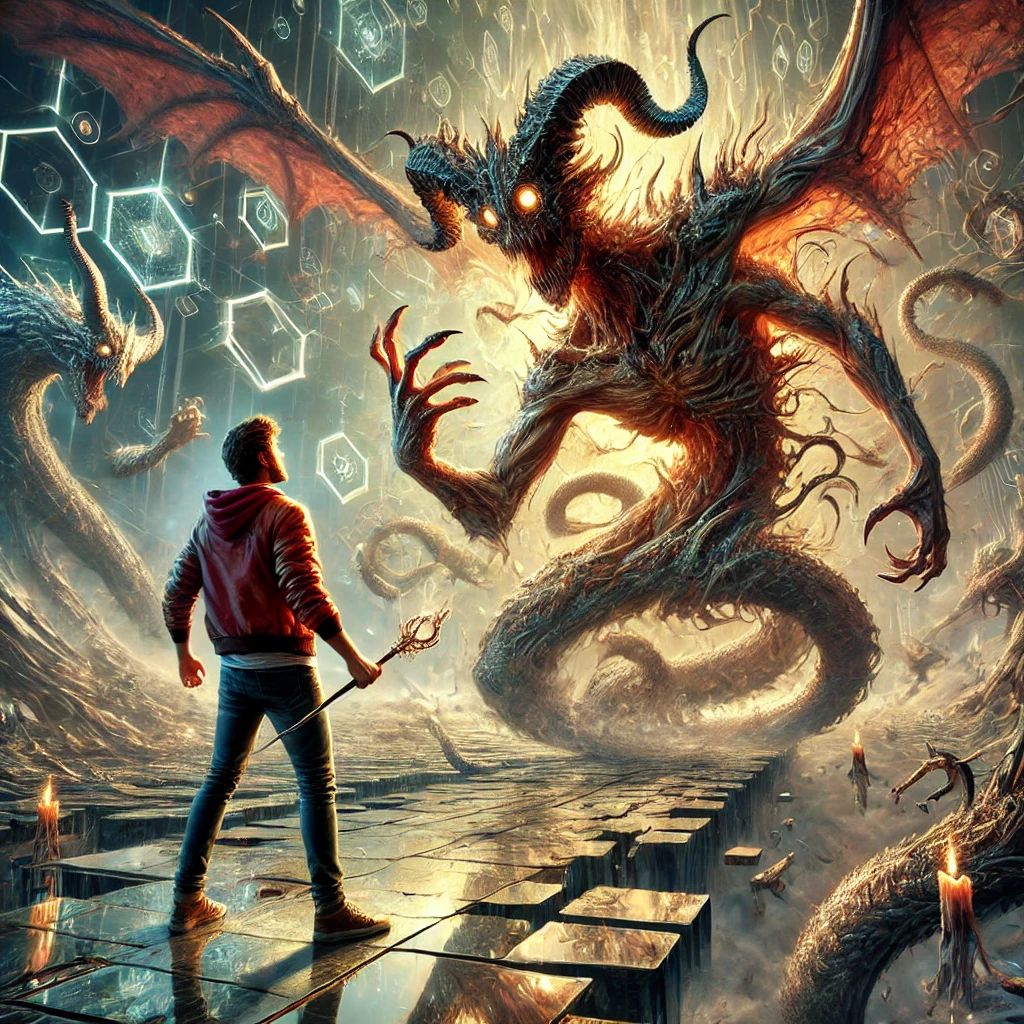
Each time the mind postpones a decision “for later,” Botis receives energy; he feeds on the fear of making a mistake, forcing one to endlessly weigh options. But the Magus must withstand the fog of false paths and choose clarity instead of endless hesitation.
Since Botis is a force that keeps the mind from transitioning between probabilities, to counter him one can intentionally create a mechanism of conscious yet automatic choice, in which hesitation becomes impossible. This is exactly how the imprinting of mental changes works: they are “imprinted” into its very fabric and then it acts “from essence,” not “from reflection.” This mechanism manifests as “instant action,” when a decision is made before conscious thought arises, and therefore it is useful to develop, support, and cultivate it.
Thank you.
Hello! Thank you for the information! The article spurred a number of reflections and questions. I agree that there is no perfect choice, and action is always better than inaction, but then what is the correct path in managing probabilities? Is the very act of choosing contemplation, or is it merely a fixation on a certain line of probabilities? Can consciousness choose in such a way that it never doubts its choice? And if instant action is a way out of the trap of Botis, does this not turn the consciousness into an automaton, depriving it of the awareness of the very process of choosing? After all, if doubt is eliminated, is the very possibility of making a meaningful choice lost?
Choice is both cognition and fixation of probability simultaneously, but in different aspects. When consciousness recognizes choice as a process of cognition, then choice is its tool for exploring reality. In this case, consciousness reviews each possible path, “calculates” its consequences, and makes a conscious move. This is choice as development. When consciousness perceives choice as fixation of a line of probabilities, the decision is the result of filtering all options and anchoring to one. This is choice as self-definition. Here, on the one hand, choice itself fixes reality, but on the other, it is precisely the process of choosing that expands cognition. That is, the more we choose, the more we cognize the very structure of probabilities. Choosing without doubts is theoretically possible, but it requires a radical change in the essence of perception itself. Doubt exists because consciousness always has a more or less strong attachment to other possible options. If consciousness not only chooses but also fully accepts its choice, then doubt disappears, as the “point of comparison” disappears. This is a special vision where a being realizes that a choice has already been made, and there was no other option. However, the deeper the awareness, the fewer doubts, but also the greater the responsibility for the choice. Complete absence of doubt is possible either with complete confidence in one’s Path or with the loss of the ability to see alternatives. If alternatives are no longer visible, can we even consider this a choice? Regarding the third part of the question—it is important to understand that action “from essence” is far from unconscious automatism. If the magician develops a mechanism for instant action that comes from the depths of awareness, then this is not mechanical behavior but, on the contrary, super-conscious movement that simply happens faster than thought. Such conscious action in the moment does not arise from logical analysis but from a full understanding of the situation at the level of the entire structure of consciousness. However, when instant action turns into automatism, consciousness loses its plasticity. If the magician begins to act out of habit rather than awareness, they merely substitute one trap of Botis with another trap—mechanical behavior (this is the matrix of Marbas). Consequently, the most effective strategy is a balance between instant action and deep awareness. The magician must not only strive to make the right choice but also fully immerse themselves in the process of choosing, perceiving it as an act of revealing reality.
Greetings. What is the fundamental difference between Botis’s influence (in the indecision of choosing one of the options) with the special “non-choosing” and “awareness of the process of branching” https://enmerkar.com/en/observations/the-breath-of-the-interworld Because, at first glance, the first case appears to be where in indecision we do not choose and lose energy, while in the second we “intentionally, deliberately, ‘like a man’ do not choose anything,” focusing on the very moment of choice.
Hello! Indeed, at first glance, both states may seem similar: in both cases, a person “does not choose.” However, there is a very significant difference in the point of control, awareness, and the state of energy. When under the influence of Botis, consciousness gets stuck in endless reflection, losing energy since choice becomes not a means of moving forward but a trap. Botis dilutes the impulse to act, pushing to continuously seek the ideal option that is never discovered. Meanwhile, the demon creates an illusion of control—”just wait a little longer, maybe a better path will appear”—and fixates consciousness not in the moment but in the fear of making a mistake. Accordingly, energy dissipates, and time passes. This state is NOT active—it is a slow energetic paralysis. In the case of conscious “non-choosing,” consciousness is purposefully held in a state of branching, not out of fear but out of desire to see the mechanism of choice itself. In this case, energy does not dissipate but concentrates at the point of fixation. Conscious retention at the moment of choice allows one to discern the process of branching in reality, thereby providing understanding of how probabilities are formed, and in its most optimal variant—allows one not just to choose one of the options but to step beyond the system of choice. Thus, the key difference is that while the influence of Botis is a loss of control, a loss of energy in fear—the idea of “I do not know what to choose, and therefore do not choose”—conscious “non-choosing” is complete presence, concentration of energy at the point of the possible, “I am aware of the moment of branching and focus attention on it.” The magician always chooses, and does so as consciously and responsibly as possible, but the magician also recognizes the process and mechanism of this choice—and thus transcends its illusion.
Among the Jews, there is a common rule: “You must choose the best of what is available; if you cannot make a choice because you do not know or are afraid—choose anything.” Retrospectively, we know what a “stage of life” is; probably the best decision would be the ability to separate one stage from another and to begin with studying the laws of the “new world.”