
Cosmic Fatum
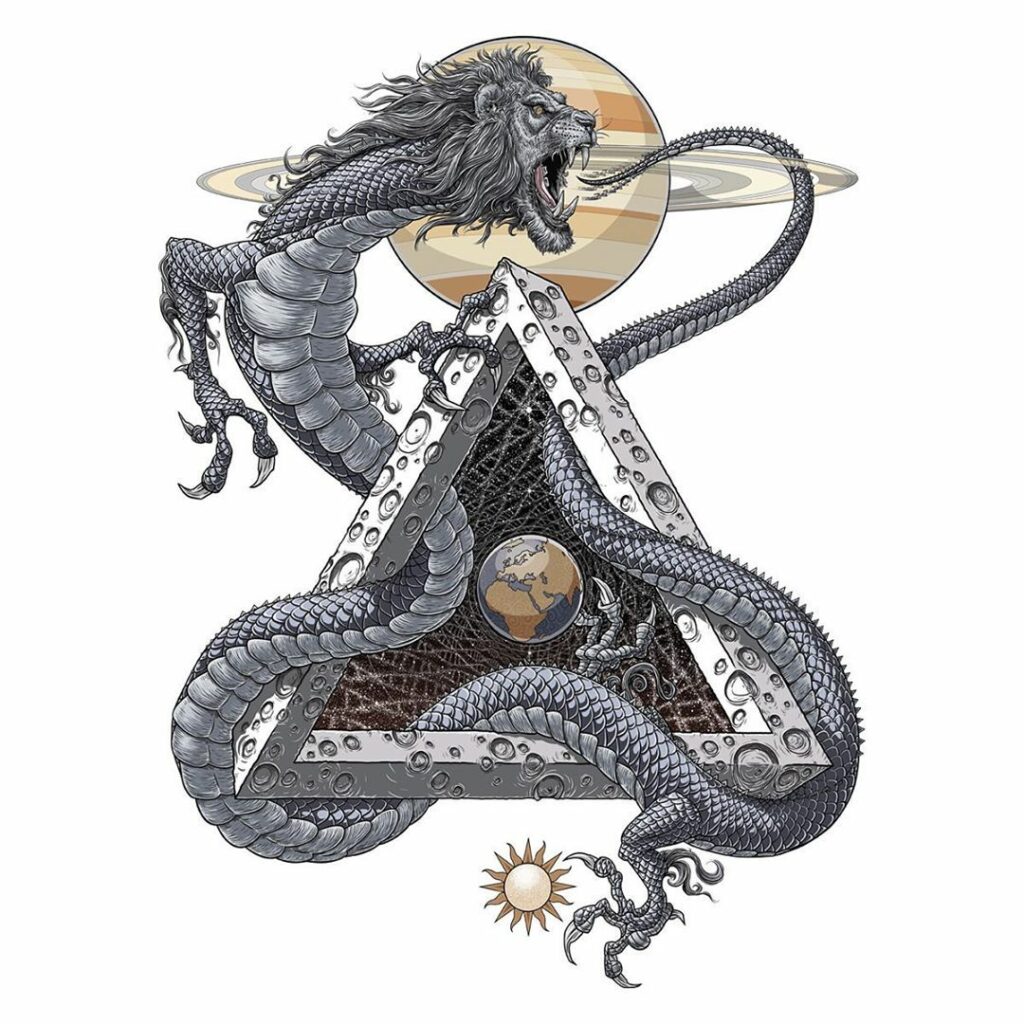
As we already said, one of the key Gnostic ideas was the notion of “enslavement,” the lack of freedom of the soul in its incarnated state. The Gnostics believed that the soul is subordinate to cosmic forces, since it originates from these cosmic forces. At the same time, the cosmos itself was perceived as an evil creation, and since the soul represents the psychocosmos, through the soul the “world” itself manifests in the human being, while the human psyche is a natural arena for evil activity, and the self is under the control of forces it cannot control.
These forces can be regarded as acting externally, but they can act in this way only because they have an analog in the space of the human mind, capable of being subjected to their influence.
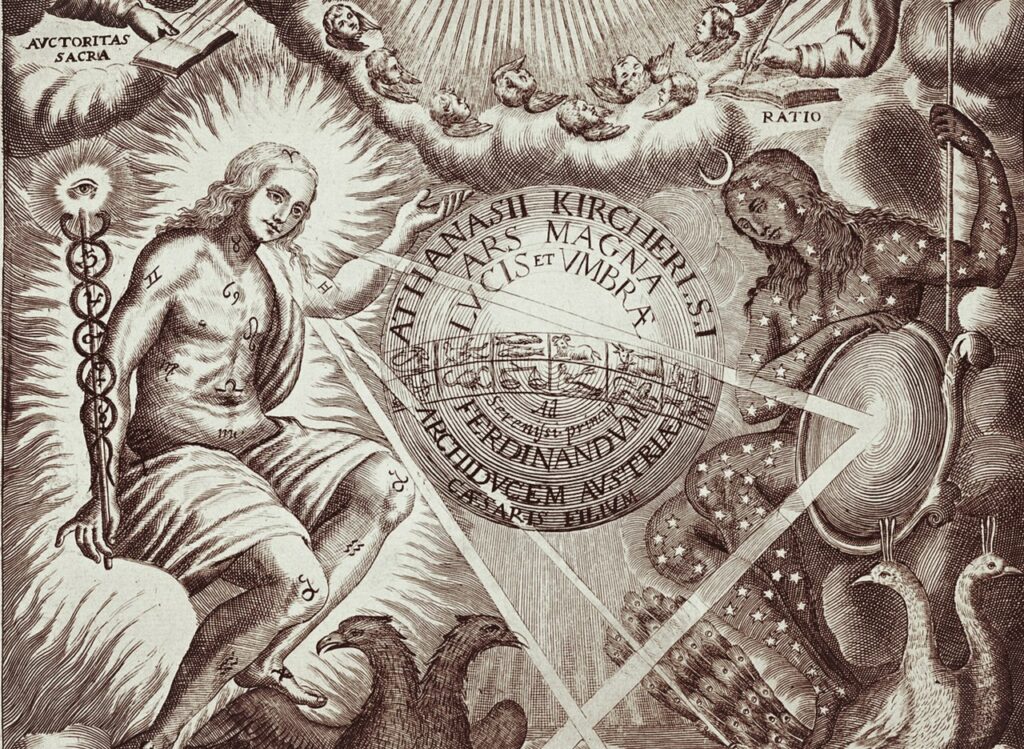
This tyrannical rule of evil forces is called “heimarmene” (Yμαρμηνη, from “Εἱμαρμένη” — “Fate”) or Universal Fate. It is expressed in the laws of nature and, as a rule, affects a person negatively, enslaving him in the “lower” worlds and levels of existence. Heimarmene is a rule that cosmic rulers impose over people through the people themselves, and it manifests as human vice in any form, while its general idea is the “bringing down” of the spiritual, divine “spark” into the world and enslaving it there.
In Gnosticism, “heimarmene” is the force that governs the Universe and the fate of all things. The term itself is formed from the participial form of the Greek verb μείρεσθαι (meiresthai, “to receive one’s share”), which comes from the same root as Moira (“fate”).
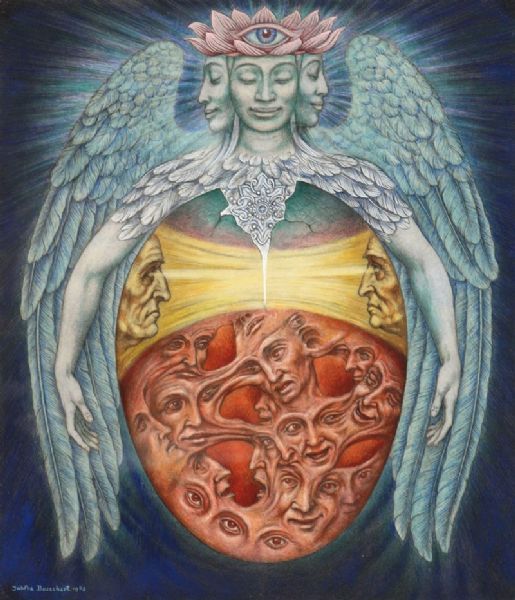
One might say that heimarmene is the the mind’s conviction of the world’s reality of the material world and in the power of being — over mind. Every time mind “solidifies” the world, awakens, defines the laws of its existence and the boundaries of its incarnation, it falls under the power of Universal Fate. This is why the Gnostics said that heimarmene is realized through the laws of nature: it is precisely the conviction in their reality, inviolability, finality that creates the “world of waking reality,” which is simultaneously the field of manifestation of the “Divine spark” and its prison.
The development of the Gnostic concept of heimarmene was evidently influenced by several sources, in particular, Stoic philosophy, which emphasized the idea of a universal and deterministic cosmic order governing the fate of all things. The Stoics believed that everything that happens in the world is predetermined by fate and that a person cannot avoid fate. Another possible influence was Hellenistic mystery religions, which were popular in the Mediterranean world at the time when Gnosticism emerged. These schools often included complex cosmologies and mythologies which may have given the Gnostics a basis for their own ideas about the nature of the Universe. In addition, Jewish and Christian notions of fate and predestination, which were also widespread in the ancient world, could have influenced the concept of heimarmene.
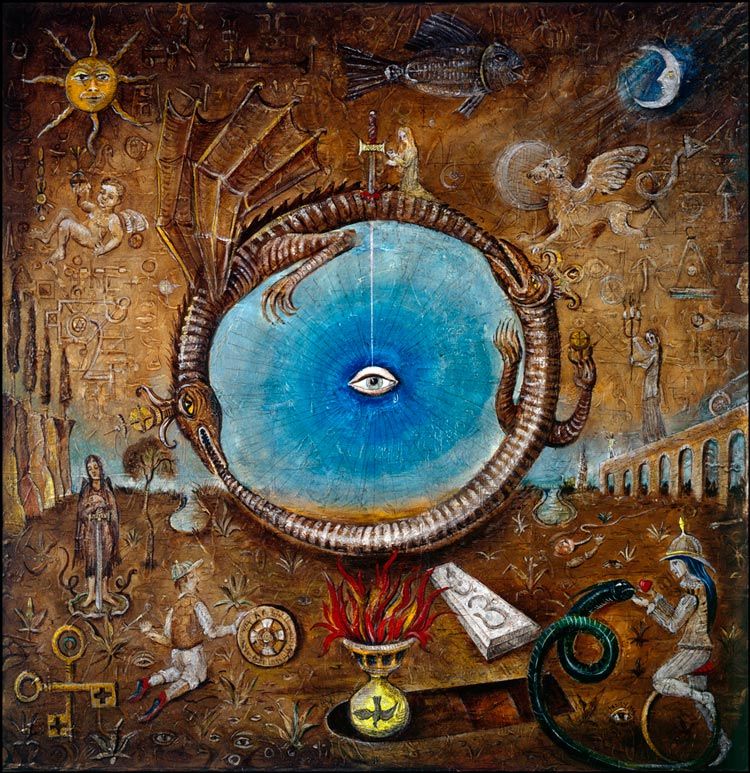
In Gnostic thought, heimarmene is viewed, first and foremost, as a cosmic force or phenomenon operating independently of any specific deity or creator. It is regarded as a natural aspect of the material Universe that governs the fate of all beings and things. Heimarmene is a “force of reality,” the solidity of manifested existence sustaining itself.
Whereas some Gnostic groups held that heimarmene was one of the instruments used by the demiurge to maintain control over people, others saw heimarmene as a neutral force acting according to the laws of nature.
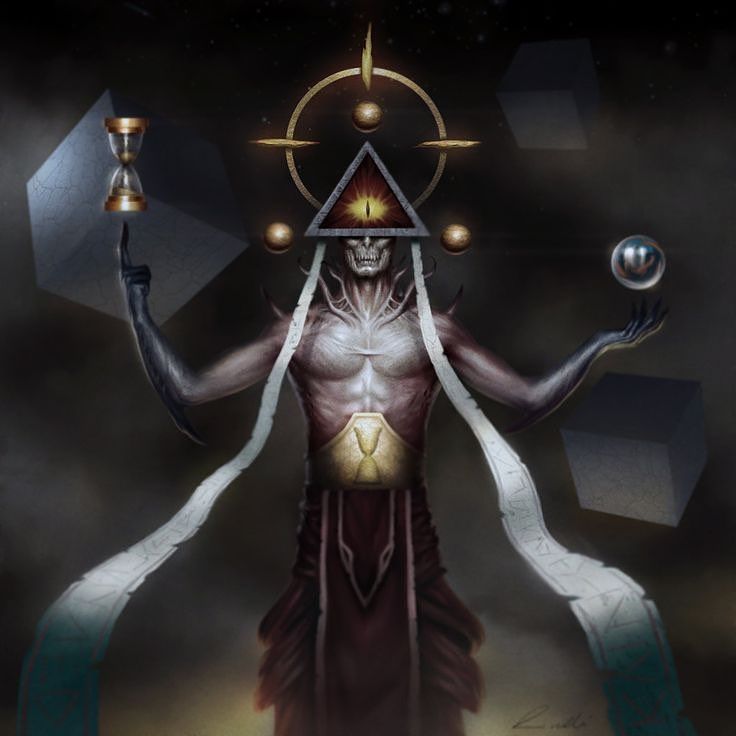
Some schools believed that heimarmene was not created by any particular being or entity, but rather is a fundamental aspect of the Universe itself. At the same time, heimarmene is usually regarded as a negative force that keeps people trapped in the material world and prevents them from attaining spiritual enlightenment. The Gnostics believed that people have the potential to free themselves from the limitations of heimarmene and attain a higher and freer level of mind.
However, most Gnostic schools considered heimarmene to be a product and instrument of the archons — malevolent spiritual beings, rulers responsible for maintaining the material world and trying to keep people bound to the physical realm. The archons are regarded by all Gnostics as a negative force that actively works to keep people in a state of ignorance and slavery. One might say that the archons translate certain aspects of virtual space into reality precisely by means of heimarmene, instilling in people the idea of “reality,” its solidity and objectivity.
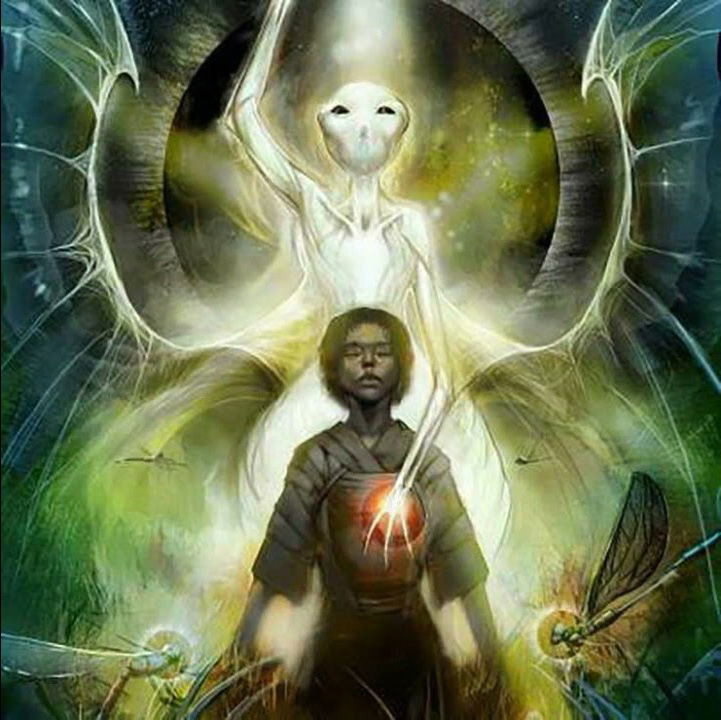
According to such a cosmology, heimarmene is one of several lower forces or means of enslavement created by the archons to control and govern the material world. These lower forces were seen as the source of suffering and disorder in the world, and it was believed that they oppose the divine spark or spirit that dwells (more precisely, is hidden, imprisoned) in people.
According to the text “The Reality of the Archons,” “The Evil God,” the demiurge Ialdabaoth
“wanted to gain power (governance) over the capacity to think… He made a decision together with the archons: they produced Heimarmene, and through measures, periods, and times they fettered the gods in the heavens [planets and stars], angels, demons, and people, so that all of them fell under its bonds, and it [Heimarmene] rules over everything: an evil and perverted design!”
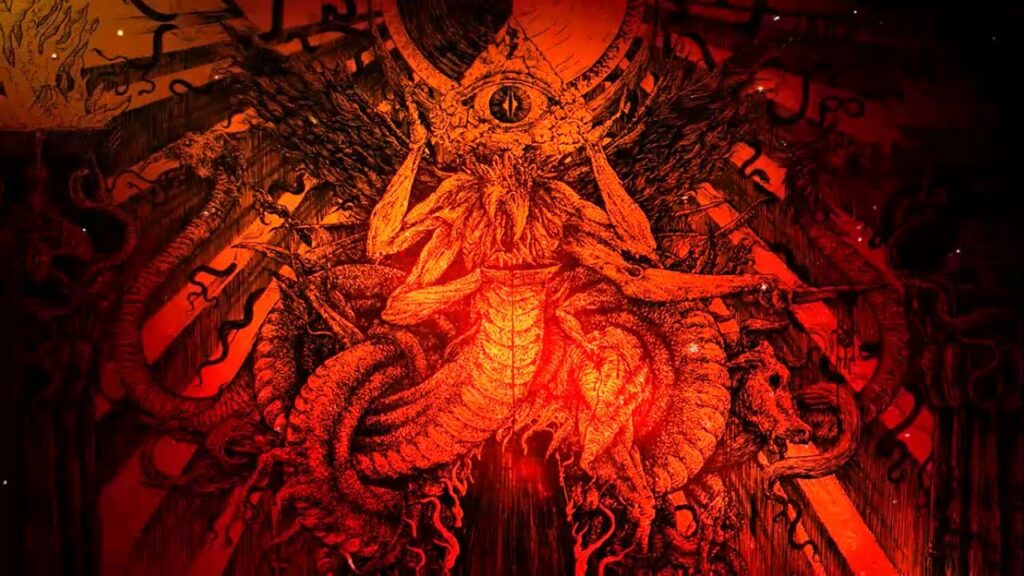
In this system of views, it was believed that the archons use heimarmene as a means of maintaining their control over the material world, through the forces and agents of nature binding people with fate, predestination, doom, and not allowing them to attain spiritual liberation.
At the same time, the idea of pleroma was a concept fundamentally opposite to heimarmene. We have already mentioned that the term “pleroma” comes from a Greek word meaning “fullness” or “abundance.” In Gnostic thought, pleroma is the divine realm, characterized by perfect unity, harmony, and spiritual fullness, and seen as the highest level of existence. Heimarmene, as we have understood, represents the forces that bind people to the material world — forces that people must transcend in order to achieve salvation — whereas pleroma represents the “primordial” and “goal” ideal spiritual state.
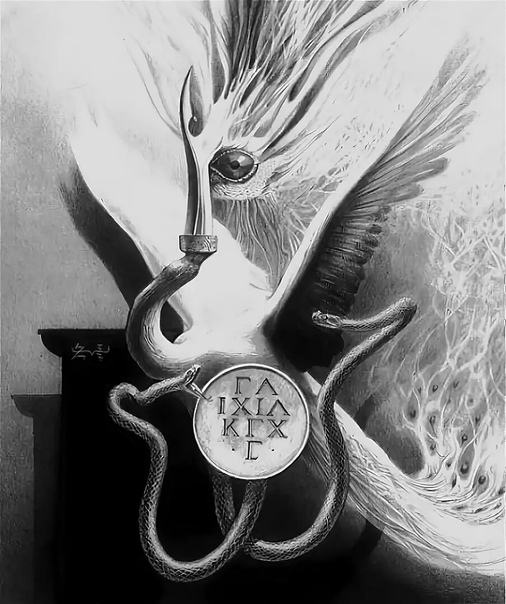
One might say that just as pleroma represents the totality of all creative, enlightening, and liberating forces, heimarmene expresses the sum of all enslaving and binding influences on mind.
In a number of Gnostic texts, pleroma is directly depicted as being in conflict with heimarmene, with the former seeking to liberate people from the latter. Pleroma is seen as the source of salvation, while heimarmene is the source of suffering and ignorance.
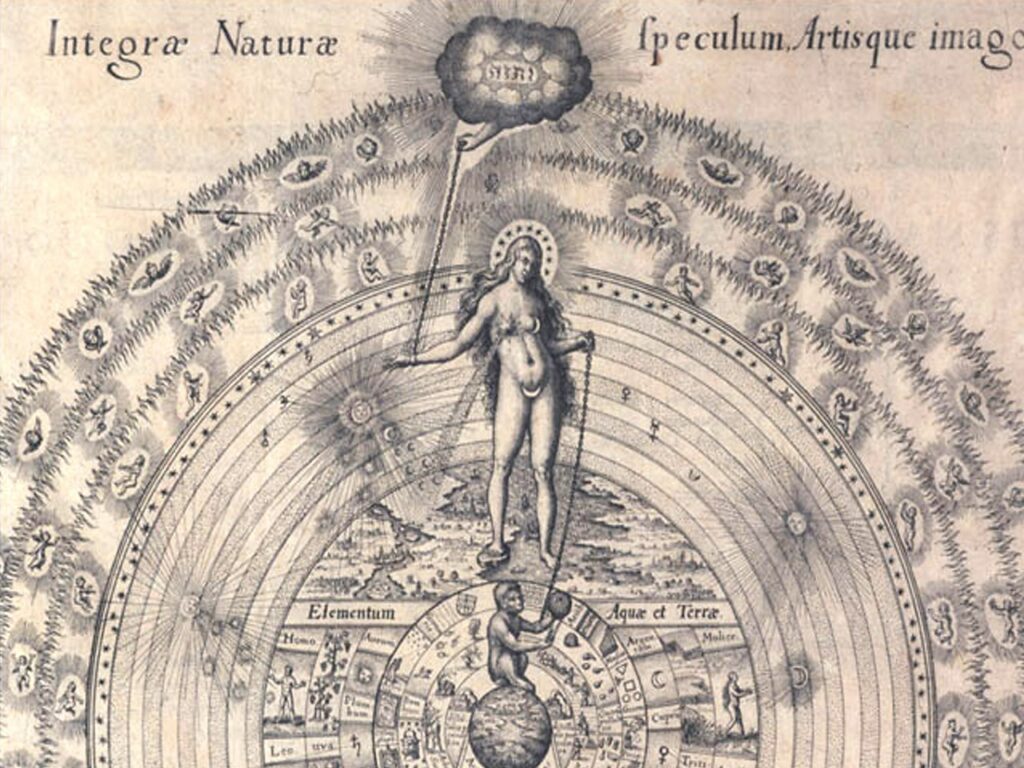
Note that the term “heimarmene” is sometimes also used in astrology to denote the concept of fate or fatum. In this context, heimarmene is seen as a predetermined aspect of a person’s life, reflected in the positions and movement of the planets and other celestial bodies at the moment of their birth. Some astrologers believe that heimarmene represents the influence of the past on the present and that it is connected with the idea of karma or the law of cause and effect. They may interpret heimarmene as a reflection of a person’s past actions that led to his present circumstances and problems. However, it is important to note that the notion of heimarmene in astrology is not necessarily identical to its use in Gnosticism or other philosophical or religious traditions.
At the same time, in astrology “heimarmene” is not a common term; the term “hamartia” is used more often, deriving from the Greek word for “error” or “transgression.” In astrology, hamartia means a pattern of behavior or circumstances that make a person repeatedly make the same mistakes or experience the same problems in life. Clearly, this is connected with the idea of karma and is viewed as the result of past actions and choices.
In Gnosticism, however, “hamartia” is an analog of the concept of “sin.” Although it is not a central concept in Gnosticism, a number of teachers and schools used this term in their teachings, and ideas about sin, imperfection, and the limitations of the material world certainly relate to many aspects of Gnostic philosophy and practice.
Although the concepts of hamartia and heimarmene in Gnostic thought are not identical, there is significant similarity between them. Both include the idea of predetermined fate, doom that is formed by past actions, beliefs, and choices. At the same time, just as in astrology hamartia is seen as something that can be overcome or transcended through awareness and personal growth, in Gnosticism heimarmene is regarded as a negative binding force that can and must be overcome.
The Gnostics believed that the path to overcoming heimarmene lies in acquiring divine knowledge, or gnosis, which would allow a person to transcend the limitations of the material world and attain spiritual liberation.
We have already discussed that this divine knowledge, or gnosis, is not something that can be obtained through traditional religious practices or study, but rather through direct revelation from a higher spiritual “dimension.” This revelation was often regarded as a form of mystical experience or spiritual awakening that enables a person to see the world anew and understand the true nature of existence.
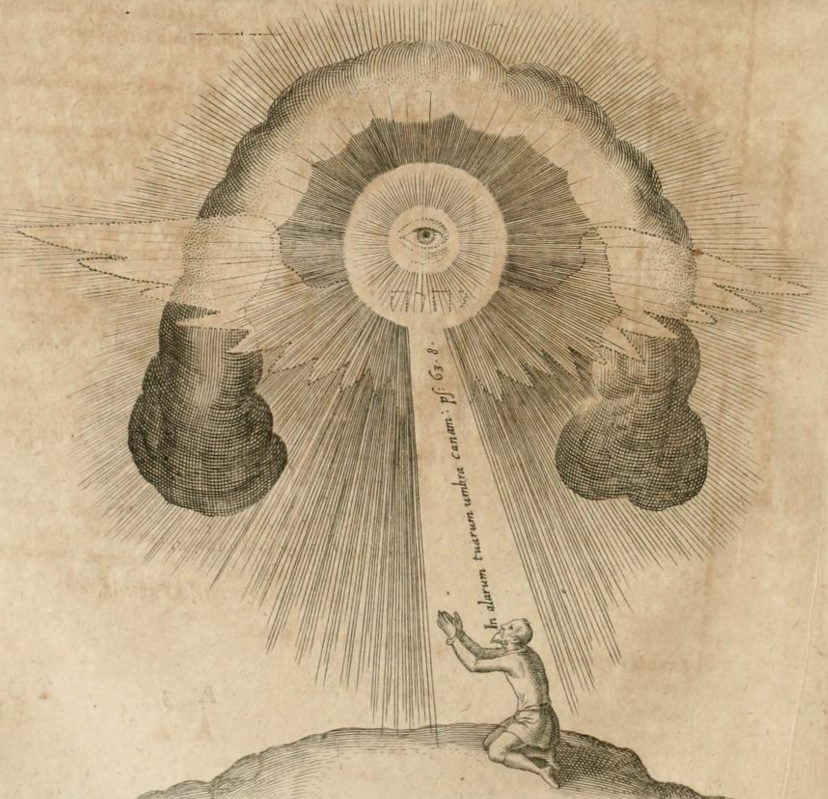
It was believed that through this process of gnosis and spiritual awakening, people can overcome the negative influence of heimarmene and attain a state of spiritual liberation or enlightenment. This was often considered the ultimate goal of Gnostic practice and was viewed as a way to escape the cycle of reincarnations and reach a state of eternal bliss in the spiritual world — pleroma.
In Gnostic schools, many practices and views were developed that were seen as a means of acquiring the divine knowledge, or gnosis, necessary to overcome heimarmene and achieve spiritual liberation.
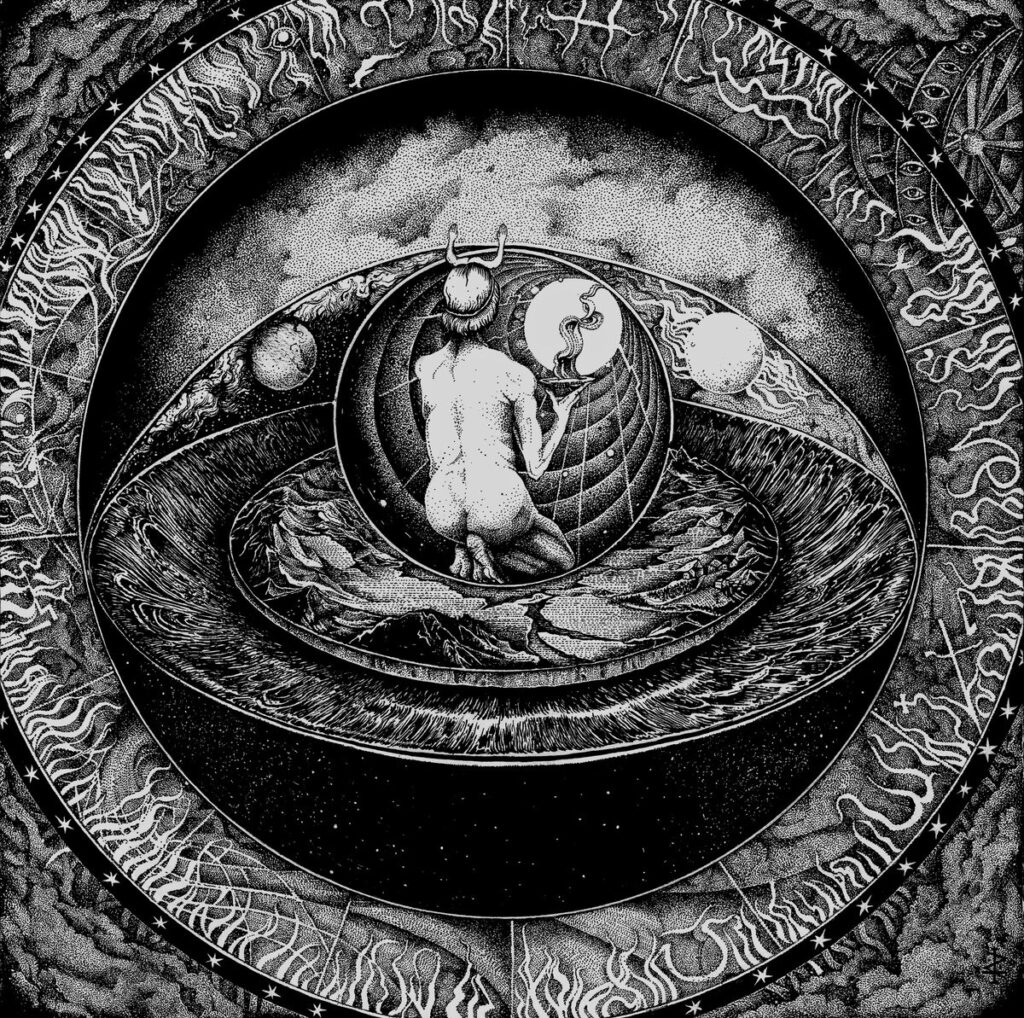
Among such views and practices:
- Dualism: the material state was seen as inherently defective and imperfect, while the spiritual realm was considered perfect and divine. This dualistic worldview formed the basis for many Gnostic practices and beliefs, including the pursuit of spiritual knowledge and rejection of the material world.
- Mystical experience: the Gnostics believed that direct revelation from the higher spiritual realm is necessary to attain gnosis and spiritual liberation. This revelation often took the form of mystical experience or spiritual awakening that enabled a person to see the world anew and understand the true nature of existence.
- Asceticism: many Gnostics believed that striving for spiritual knowledge requires renunciation of material desires and strict observance of ascetic practices. This often included fasting, celibacy, and other forms of self-denial, which were seen as a means of purifying the soul and attaining a state of spiritual purity.
- Rituals: the Gnostics practiced many rituals and ceremonies that were seen as a means of connecting with the divine and attaining a state of spiritual enlightenment. These rituals often included the use of symbolic objects such as candles, incense, and sacred texts, and were performed privately or in small groups.

In general, Gnostic practices that were seen as a means of overcoming heimarmene and attaining gnosis were diverse and complex and often included a combination of spiritual, ascetic, and mystical practices.
One example of such a practice was the use of contemplative prayer or meditation. This practice involved focusing the mind on a certain mantra or phrase and immersing oneself in the experience of prayer or meditation. Thus, the Gnostic teacher Valentinus taught a form of contemplative prayer called the “Bridal Chamber,” which was designed to help people unite with the divine and attain a state of spiritual enlightenment. This practice involved visualizing oneself as a bridegroom or bride who is led into a mystical room where one can unite with the divine presence. Valentinus believed that through this practice people can overcome the negative influence of heimarmene and attain a state of spiritual purity and enlightenment. He also believed that this practice is necessary to attain a deeper understanding of the divine nature of oneself and the Universe.
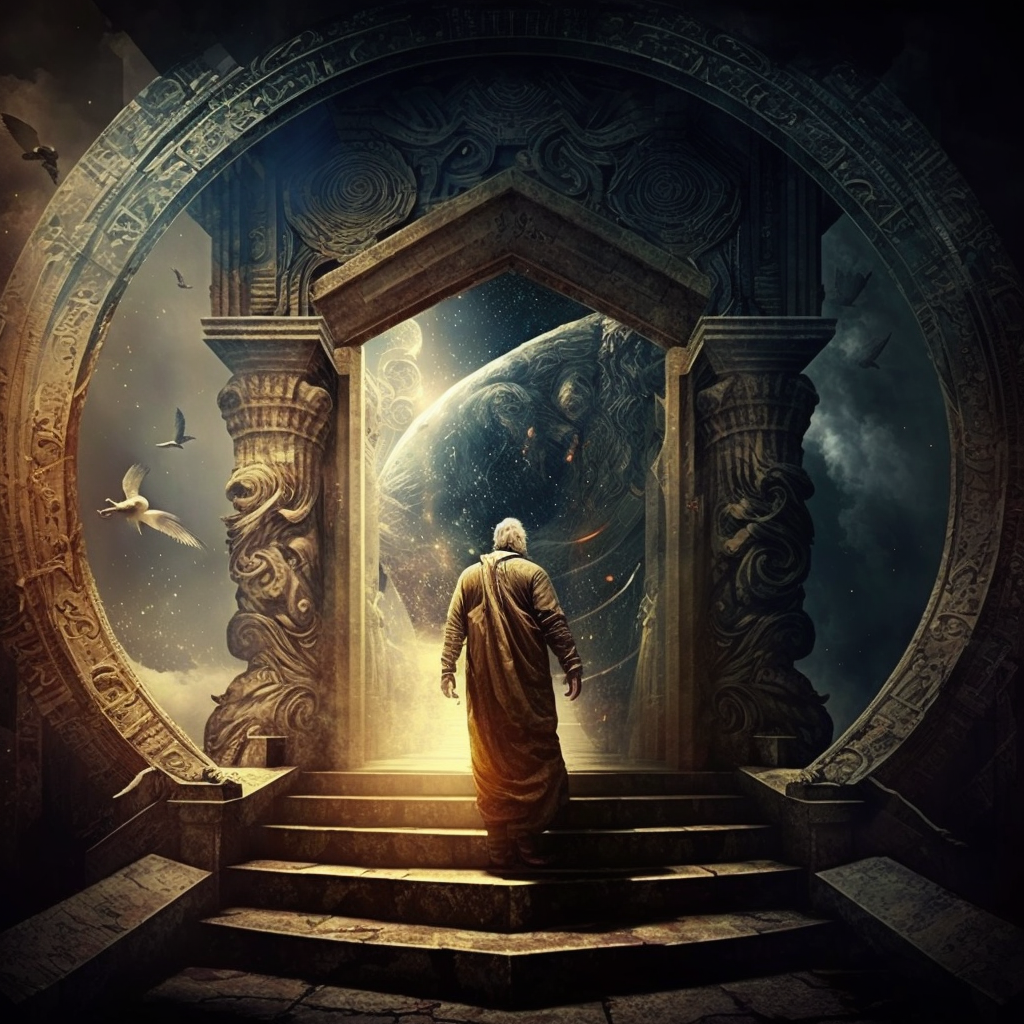
The use of such visualization as the “bridal chamber” technique bears some similarity to tantric practices in Hinduism and Buddhism. In both the Gnostic and tantric traditions, the use of visualization is seen as a means of accessing the divine and uniting with it, as well as attaining a state of spiritual liberation or enlightenment. In both traditions, this often includes visualizing oneself as a particular deity or archetype, often with sexual allusions, and such visualization is used as a focus for meditation or contemplation.
At the same time, the use of contemplative prayer or meditation was only one variant of practice used by the Gnostics to overcome heimarmene and attain gnosis. Other practices included asceticism, mystical experience, and the study of esoteric texts and teachings. The rituals used by Gnostic groups also varied greatly, and there was no single Gnostic ritual aimed at acquiring gnosis.
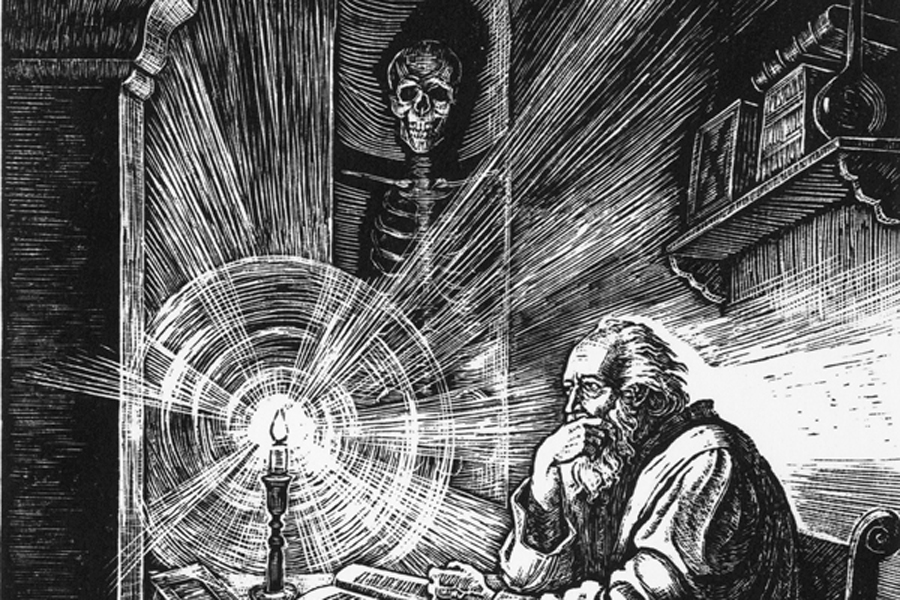
One example of such a ritual was described by the early Christian writer Hippolytus in his work “Refutation of All Heresies.” This ritual was practiced by the school of Sethians and included a complex system of actions, visualizations, and spells aimed at achieving a state of spiritual enlightenment and union with the divine. According to Hippolytus, the Sethians believed that the soul is locked in the material world and that with the help of their ritual practices they can ascend through various levels of reality until they reach the highest spiritual realm. The ritual included the use of various symbolic objects — lamps, mirrors, eggs — as well as the reading of certain spells and prayers. Participants performed various physical movements and gestures, in particular rotating and stretching out their arms, to facilitate the flow of spiritual energy. Through these practices, the Sethians attained a state of spiritual enlightenment and union with the divine. They believed that this state of gnosis is characterized by a profound sense of unity and inseparability with all things, allowing one to transcend the limitations of the material world and attain a higher state of being.
Thus, in many ways the concept of gnosis is similar to the concept of enlightenment in other spiritual traditions. Both terms refer to a state of spiritual insight or awareness that goes beyond ordinary knowledge and understanding.
Gnosis is direct experiential knowledge of the divine, which is considered the key to spiritual liberation and salvation. This knowledge is not merely intellectual, but also empirical and transformative, allowing a person to peer beyond the illusions of the material world and see the divine reality that lies beyond it.
This idea of a state of spiritual insight or realization that goes beyond ordinary knowledge or understanding is a common thread running through many spiritual and religious traditions, but the Gnostics brought it to a maximal practical expression.

This text when ‘The Evil god’, the demiurge Ialdabaoth ‘desired to gain power (control) over the ability to think… He made a decision together with the archons: they gave birth to Gemarmen, and through measures, periods, and times they bound the gods in the heavens [planets and stars], angels, demons, and people, so that all of them fell under his bindings, and he [Gemarmen] reigns over all: an evil and perverted design!’ It somehow resembles how the world is created in the book Sefer Yetzirah (Book of Formation), where the world is created by sefer, sfar, sipur, which various translators translate differently (often as book, number, narrative) and symbolizes the creation of waves (sounds, vibrations) of the space-time continuum. It’s like 3 dimensions of ‘reality’: • Sefer (book), the material space of the world in which letters manifest; • Sfar (number), the immaterial space indicating time; • Sipur (narrative), as ‘intermediate space’, the sound of the ‘book’, the psychic dimension. It is surprising that ‘measures, periods, times, by which the gods, angels, demons, and humans are bound’ resemble these 3 ‘components’ of the actualization of creation – measure to book, number (sfar) to times, and periods to sipur (narrative)! Buddhists also have an understanding of body, speech, and mind (which is similar). And the gods, angels, demons, and humans themselves resemble vessels, for letters, numbers (sphirot), and narratives are vessels for Light. Oh, my thought got twisted, of course. But perhaps, gemar-men here was understood by the Gnostics as an imperfect world that needs to be ‘corrected,’ gmar tikun, and the vessels of sefer, sfar, sipur must be corrected for the unlimited conduction of Light (cube), and for the unbounded conduction of it?
It’s interesting that in Ancient Egypt, people were understood as tears flowing from the eye of God. And the eye as the energy of the creator, as the organ of creation of the world. The Ancient Egyptian myth itself is built on the return of the eye of Horus, torn away by Set, to its place, and the same is mentioned in Sefer Yetzirah ‘return the Creator to His abode’… but these are just thoughts out loud…
Hello, Enmerkar. Could you draw a parallel between the archons and the gods of any pantheon, including the Asami and the Vani?
Yes, Hrimtursh
https://enmerkar.com/en/myth/archons-and-fomori
Giants
https://en.wikipedia.org/wiki/Giants_(Greek_mythology)
Gods of Duat
https://en.wikipedia.org/wiki/Duat
What is the Divine Reality that lies beyond our world? In my current understanding, stemming from my, so to speak, spiritual experience – it is the Void, immeasurable and empty Void, All and Nothing simultaneously, half-illuminated Darkness, “non-visual” and unembodied, in a word, lifeless.
Gods are also different, just like realities. In my understanding, the highest meta-reality cannot be described in the words and images of ours, and therefore cannot be perceived in our current state.
We take what is given.))) Yes, and states vary for everyone. “…And could you perform a nocturne on the flute of drain pipes?”
“… and darkness over the abyss, and the Spirit of God moved over the waters.” This is roughly what I saw. Since I am not the first to witness this, one can assume that it is a constant exhibition.) Perhaps a prelude, so to speak.)
Hello, Enmerkar. If we accept the coordinate system described by you in this article, in which the powers of the gemar are endowed with full authority in the world, and any agents of the pleromic forces in opposition to them are forced to act secretly, akin to Sophia hiding from Ialdabaoth, then one consequence of this is that many things named by the gemar forces as bad and evil, that is, opposing them, are not in fact such. After all, it is said that the archons have endowed good things with bad names, hiding them from the world. In that case, only gnosis will allow us to discern what is from the pleroma and what is from the archons. If the world is not good, then the attempt to separate from such a world must be good, an attempt to escape from the prison of the archons? But precisely such a worldview, according to which our world was created by a blind and incompetent god, the church considers satanism, and the attempt to escape from the creation, as a manifestation of the force of separation – is seen as the emergence of primordial evil. After all, Lucifer’s pride consists in believing that this world is not good enough for him. In this case, Lucifer, as the light of the pleroma, scattered in the world and seeking to leave this world, precisely embodies the original source of all evil in the world according to any forces serving the gemar. Thus, this intent is ‘evil’ only from the perspective of the forces controlling the prison, while from the perspective of the pleromic forces, this striving for absolute freedom is a striving for the higher light of the pleroma. Therefore, the second consequence of such a worldview is that a person will never be able to fully accept life and accept a world that he considers fundamentally evil and wrong, seeing himself as a prisoner in such a world. As a result of such an attitude, he will inevitably be thrown out of the flow of life. In this case, this attempt to escape from the world will act as a primary distractor from the original force of separation, and Lucifer will manifest as the true evil. For having rejected the world and being expelled from the flow of life, a person involuntarily turns into a servant of death, as we can see in various satanic cults with all their skulls, bones, and darkness. In this case, it turns out that the force of separation can be transformed from evil and destructive into good not by trying to escape from the world and its archons, seeing them as evil, but by trying to find those scattered sparks of the pleroma contained within this world – attempting to search for the Sophia concealed within the world. Then the force of Lucifer, as the force of primary separation from the world, will be balanced by the force of love for Sophia – a love for the world and existence. This sacred marriage will become the path to liberation from the shackles of gemar!
The term “сбегать” (to run away) is meant in a metaphorical sense, at the level of consciousness, rather than literally. It refers to changing one’s worldview, way of thinking, and endowing one’s existence with new values and meanings that stand in opposition to the social matrix. Both sides are right in their arguments, because to be honest, there are a lot of degenerates inhabiting this planet. A platform is necessary for the development of “positive people.” The other question is, how should we relate to degenerates?
The tendency to “see” “degenerates” in the world around oneself defines exactly that stage of consciousness development when a person is going through the process of separating themselves from the world, the process of distancing themselves from their environment. The danger of being in such a state is that one becomes an open gateway for particular forces that are responsible for separation and rejection, including their most negative demonic manifestations. And as long as the stage of albedo is not fully realized, a person continues to be inclined to see only themselves as wholly pure and everyone else as “degenerates.”
As Paul wrote: “If I speak in the tongues of men and of angels, but have not love, I am a noisy gong or a clanging cymbal. And if I have prophetic powers, and understand all mysteries and all knowledge, and if I have all faith, so as to remove mountains, but do not have love
There are beasts, people, and humanity. It is necessary to clearly separate them. Degenerates are those who have the potential for humanity but do not unfold it, hence they degenerate.