
Elves and the Art of Feng Shui
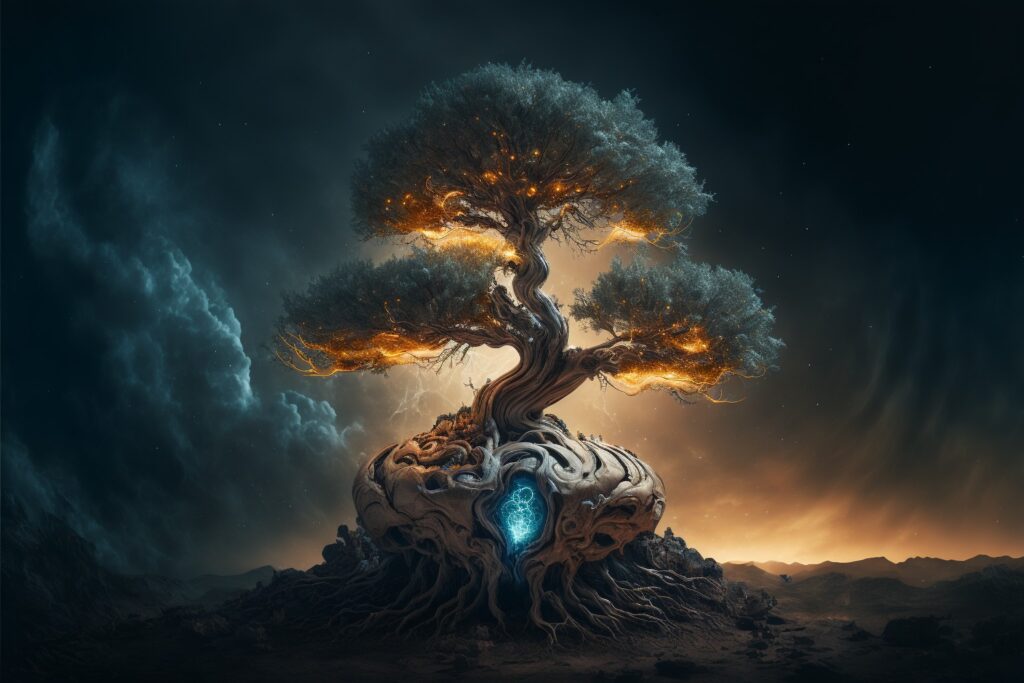
In the Western world, people often treat organizing and structuring of the space around them too lightly, although even the ancient Egyptians postulated the importance of the “Middle part” of the Great Arcanum.
A home, a plot of land, a workplace — these are all “external vessels” for the manifestation of consciousness, and therefore their condition affects both one’s vitality and the mind of a person who relies on them.
It is precisely the immediate environment that, by forming stable flows of attention, routes of movement, patterns of interaction, and the overall background of life, becomes the direct medium in which the mind functions and develops — and therefore it is, of course, firmly imprinted on the mind. In other words, how freely we feel in our dwelling, what objects surround us, which routes we take, influences who we are.
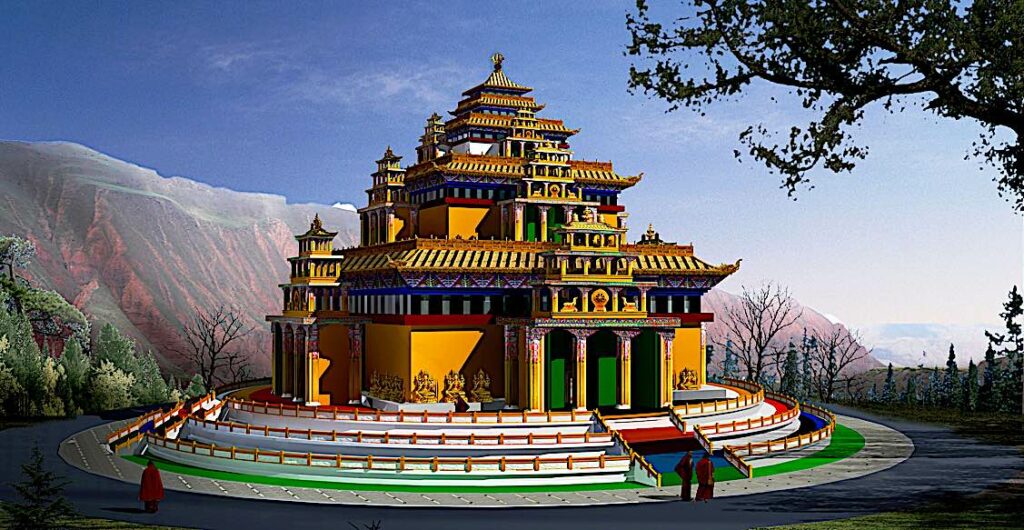
Such influences can be of three kinds:
1) psychological. The items and objects around us can (more or less consciously) activate certain memories, experiences, states, which affects our overall well-being and the level of consciousness. These influences can touch both personal and archetypal associations, be more or less acute and saturated; yet they are always quite numerous.
2) physical. Objects in our environment can be more or less practical, more or less comfortable, and if there are “chronic irritants” nearby, this also affects both the mind and well-being.
3) energetic. Objects around us can be carriers and conductors of one or another energy — zhiva, baraka, hamingja, etc. — and depending on their placement, create a special pattern, an “oscillatory profile,” of energy, interaction with which is also imprinted on the health of the body and mind.
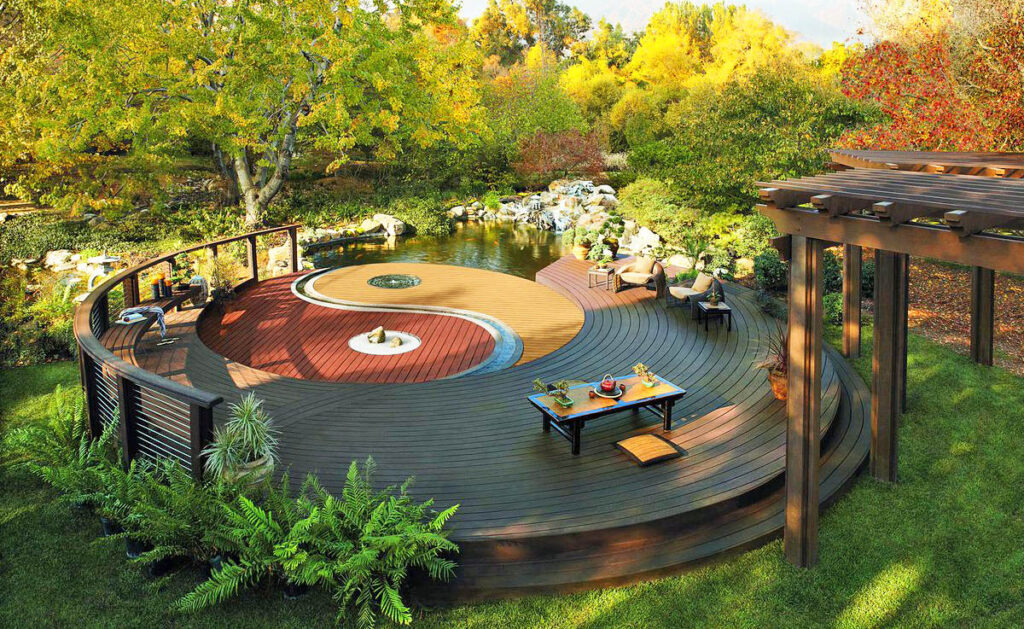
In each specific place, all three types of influences are present, although their contribution to the overall picture can differ significantly. Accordingly, any environment leaves its imprint on the body and mind; and if during a short stay this effect can be small and easily reversible, then during a long stay (as well as with a significant intensity of experiences) this contribution becomes very substantial. Accordingly, neglecting the arrangement of one’s living and working space is not only frivolous but often dangerous.
Specialists in organizing space have always been the alves; moreover, the Light Alves possess the knowledge and skills of designing the very medium of being, while the Dark Alves are well-known masters of filling this space. In other words, the Ljosalves structure the system as a whole, and the Tvergi work on creating its support points, elements, and components.
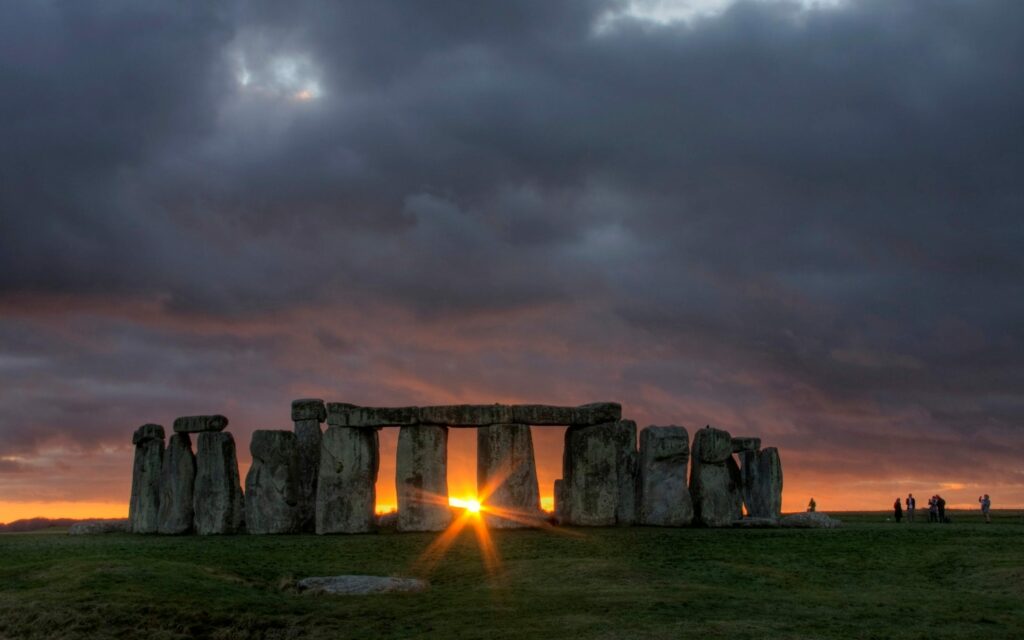
“Earthly” Faery Magic was once a major factor that determined both the outward appearance and the energetic structure of spaces and subspaces of the “physical” plane.
Menhirs, dolmens, cromlechs placed under the guidance of the alves in special places, planted trees, and even altered river channels — all of this is part of the work of organizing space on a global scale and bringing it into an evolutionarily suitable state. Unfortunately, after the departure of the faery and the “darkening” of the alves, the attitude toward the habitat became greatly distorted, more consumerist and superficial; however, even today the work of structuring space must be carried out, albeit on a smaller scale, at the level of the individual environment of existence of each being.
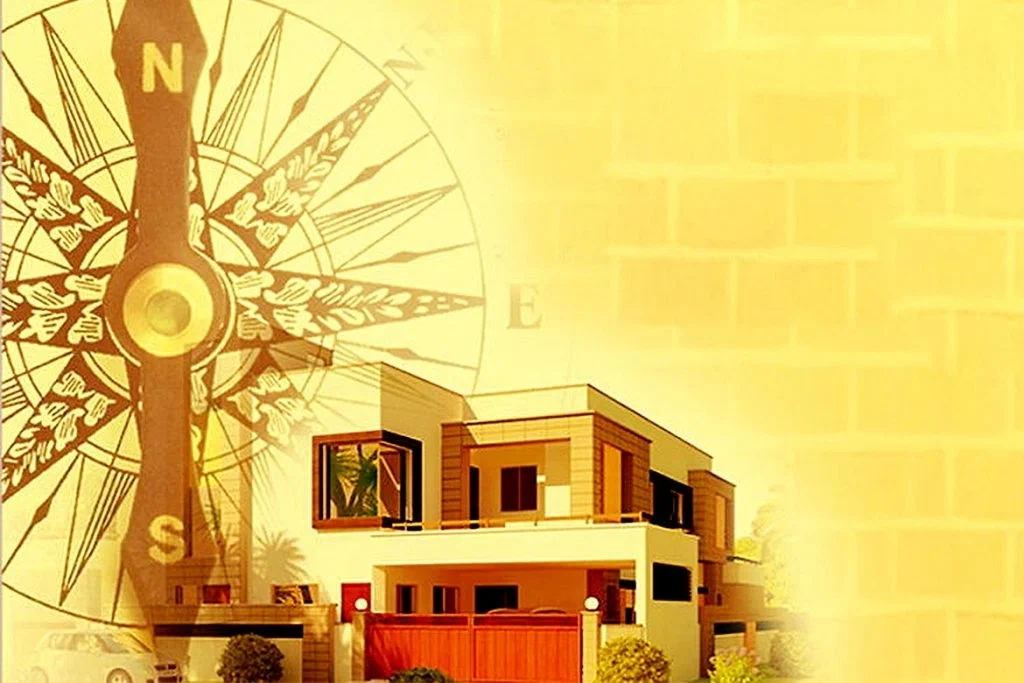
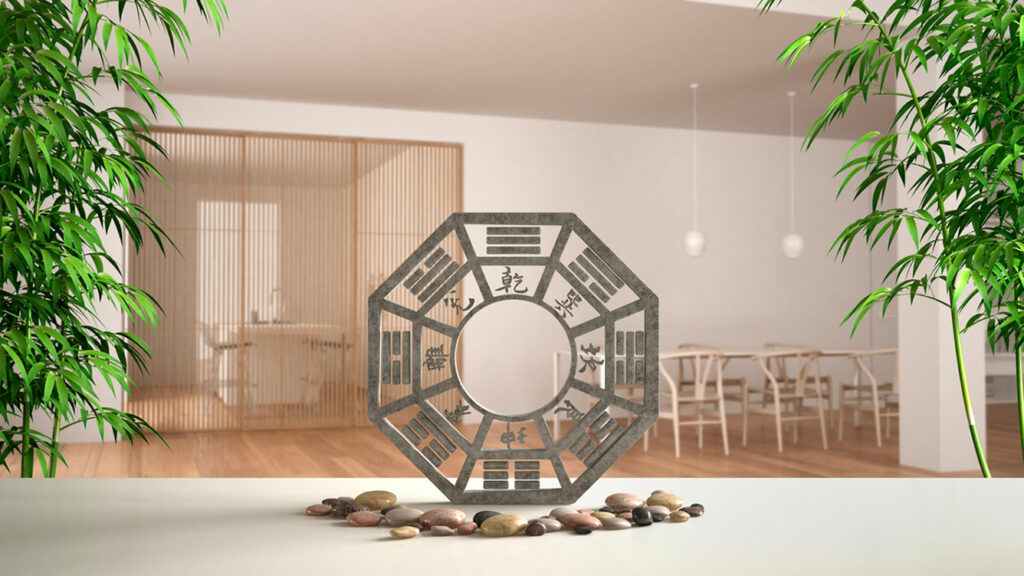
Among people, such knowledge, in particular, was part of Daoist wisdom and led to the creation of an extensive set of views and techniques known as “Feng shui” (“Winds and Flows”). Of course, like most other teachings, feng shui was trivialized and often misunderstood, and its practitioners are not infrequently outright charlatans.
However, the very idea that space can and should be structured and transformed, and that the flows of energy through it should be controllable, of course, deserves great attention, diligent study, and careful application.
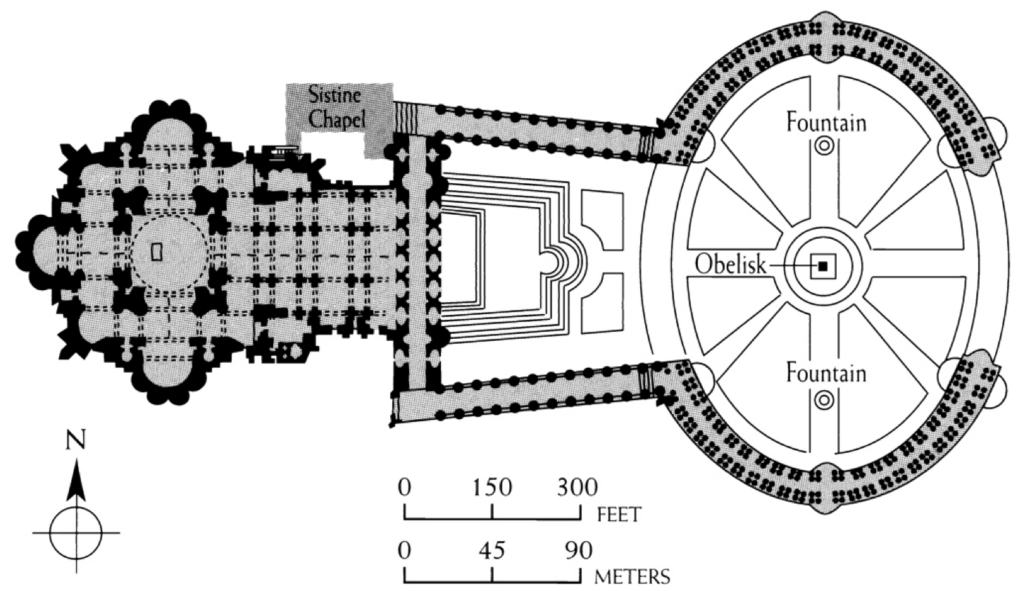
Whenever arriving at a new place, preparing housing for any prolonged stay, it is important to “measure” its “energetic state” by all three criteria mentioned above. Having found the strong and weak points of this place, one should work to organize them, if possible neutralizing or weakening negative influences, and reinforcing those on which it is currently possible (and necessary) to rely. Space should not only become more “friendly,” it should become more suitable, matching the nature and needs of the one who will rely on this space. It is clear that this requires both significant attention and specific skills; however, otherwise we risk both bodily and mental health.
Thank you for the article, I often think about how to make my home a fortress. This is probably a large separate topic where I have identified three components for myself – comfort (in an energetic sense, when everything is in its place), purity (i.e., absence of negativity in any form), and protection (well, that’s already in the magical realm, rituals and certain objects). Although I try to pay attention to these three elements, I still feel chaos (perhaps only because I bring it within myself).
Sylphs usually love to play stringed instruments… In the dolmens of Crimea, my friends and I were lucky to overhear their Fen-Shu. They settle where Water (Shu) and Air (Fen) are.