
The Descent of the Grigori and the Battle of Mag Ita
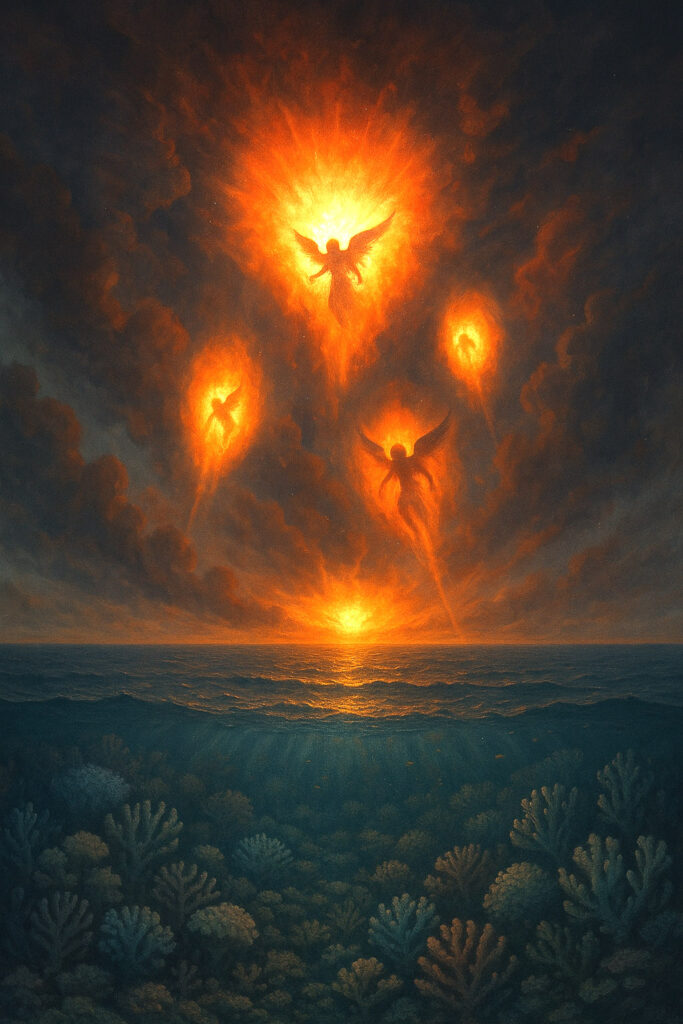
We have already discussed that, according to many myths and chronicles, at the dawn of Earth’s existence, around 440 million years ago, a very important event took place, changing the entire course of the subsequent evolution of life on the planet and strongly distinguishing Earth from most other worlds — the Descent of the Grigori. According to the “Chronicles of the faery,” this event occurred at the end of the First Age — the Age of Cesair — and at first it was largely unnoticed amid the catastrophe that ended this age, known to paleontologists as the “Ordovician–Silurian extinction.” One of the causes of this extinction, which is associated with a supernova flare and a γ-ray strike on Earth, is interpreted, mytho-historically, as describing that enormous release of energy which indeed took place during the condensation of seraphic vortices — into the bodies of the grigori. Their descent was accompanied by a spectacular heavenly phenomenon — the bright glow of the Archons, marking the end of the First Age and the beginning of a new cycle, and by fireballs reflecting the grigori’s incarnation. The appearance of the grigori as fiery “semi-incarnate” entities at this time correlates with the death of marine life, the mass extinction of aquatic organisms.
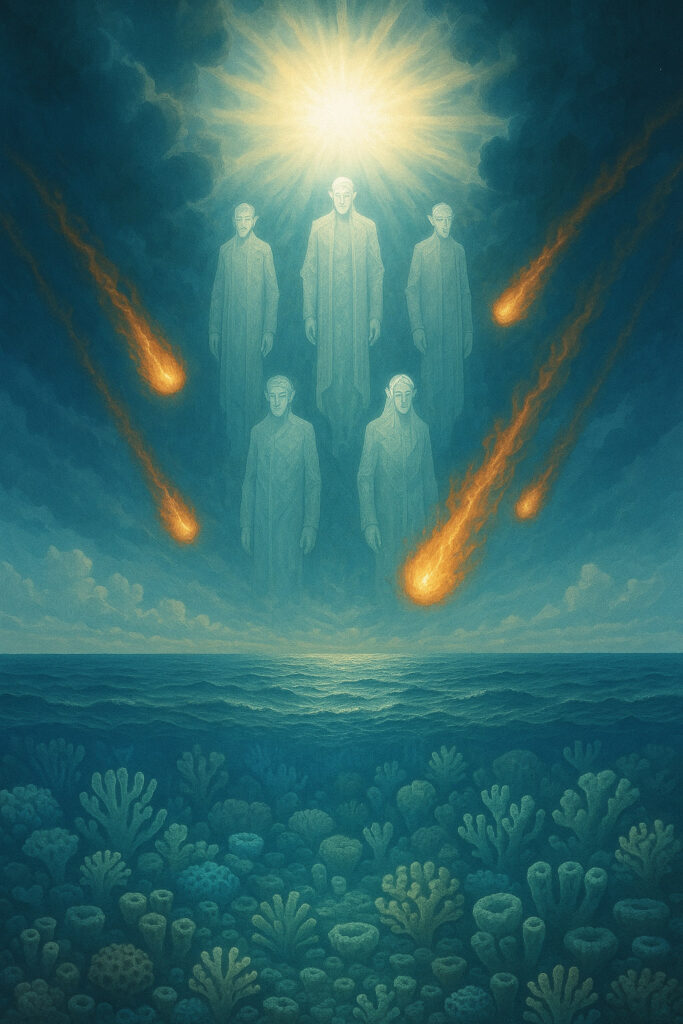
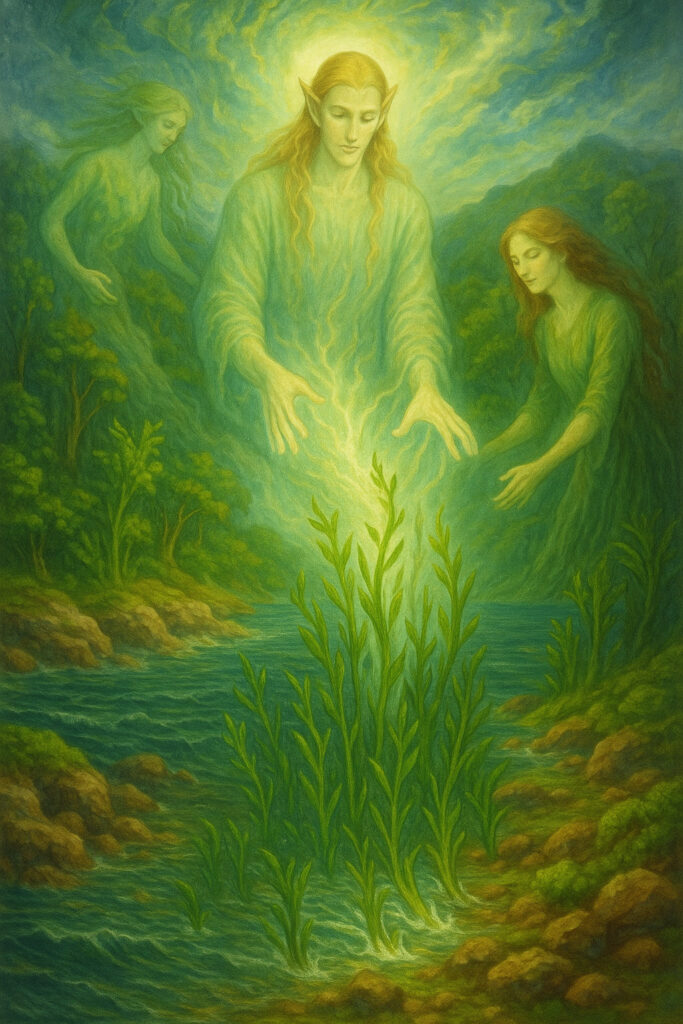
In any case, both the legends and the “Chronicles” say that the Second Age of the world — the Age of Partholon — began with the appearance of the grigori and with the Second Descent of the alvs occurring in parallel. At this same time, the Lower Vanir — elementals — also entered the Middle World, especially dryads — forces that give rise to plant life. In order to “take root,” to create footholds in the physical world, the alvs began building on Earth the first supporting structures for their energy — the so-called Crystal Castles — radiant constructions of transparent crystalline material, providing the energy needed in the physical world. Through these Castles, the energy of Álfheimr began to flow; Portals opened within them, through which the spirits of vegetation — the dryads — entered. These castles, later settled and transformed by the sídhe, became points of power and pillars of order, embodiments of the alvs’ world-design of the structure of the world.
It was precisely the close cooperation of the alvs and dryads that served as the “energetic foundation” for the rapid development of plant life in this age, known as the “Silurian–Devonian Terrestrial Revolution.” It was they who actively began helping plants colonize the land, and they began, for the first time, to rise onto land. Thus, stable plant life first arose on Earth’s continents.
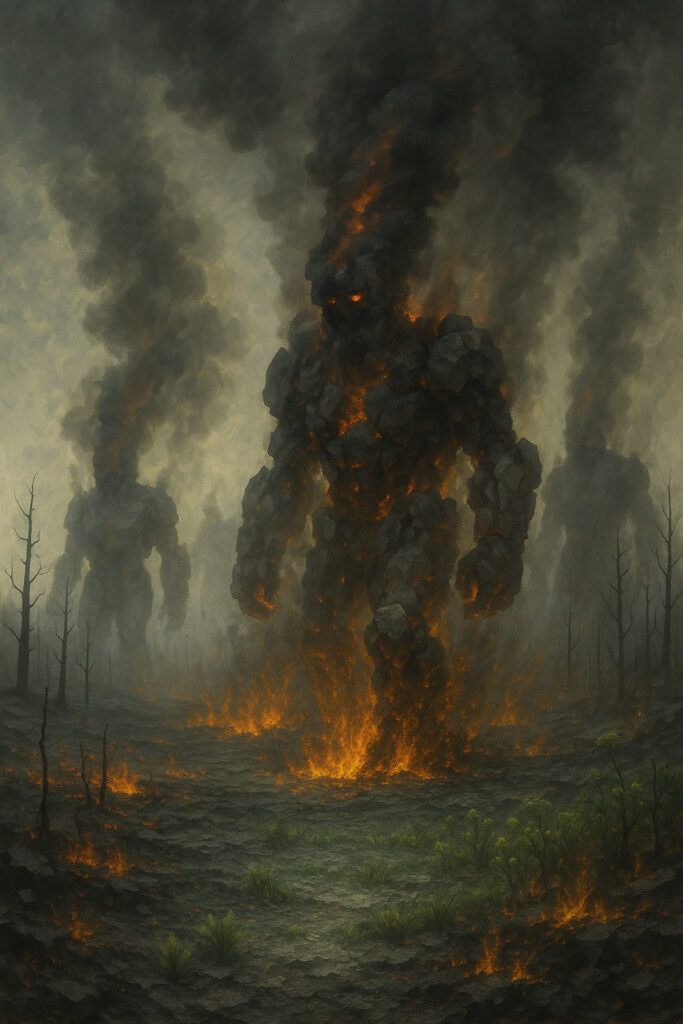
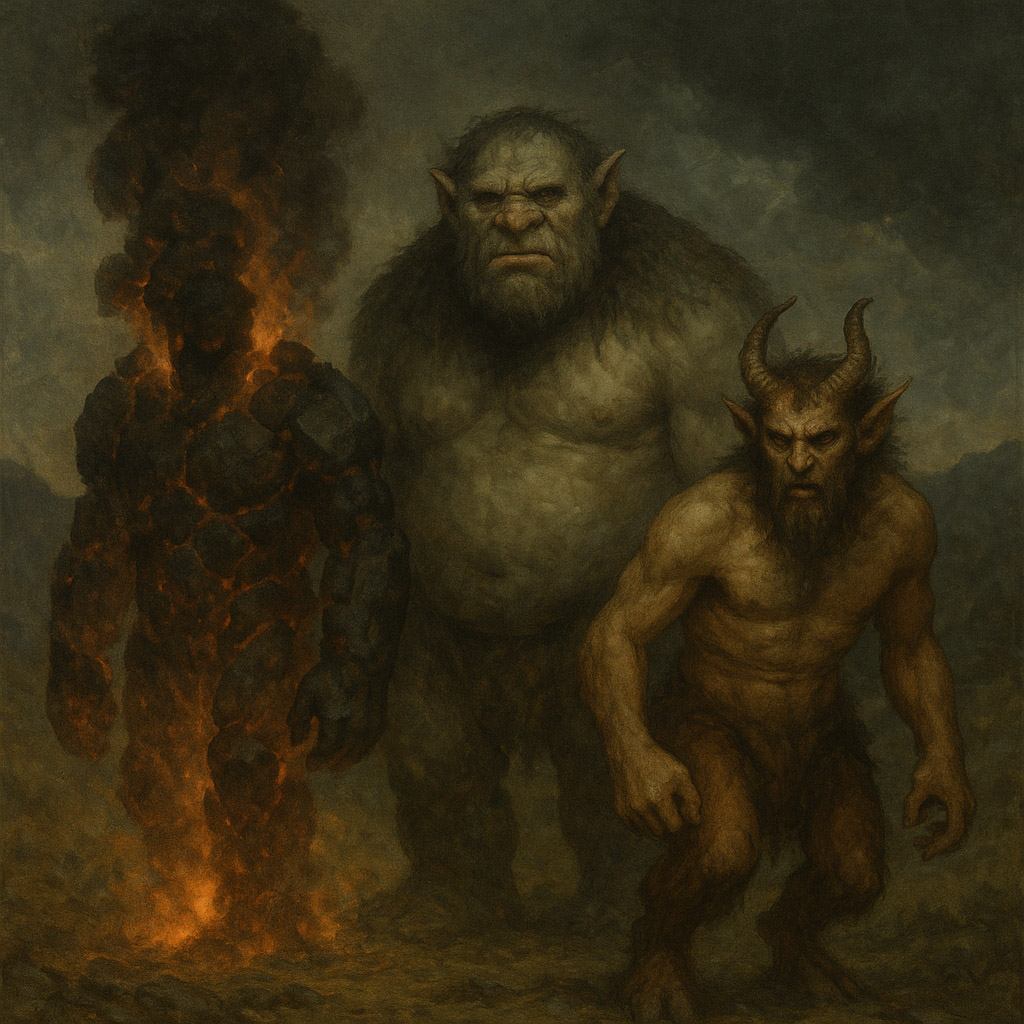
However, simultaneously, the process of the grigori shaping their bodies was also taking place — their “adaptation” to the conditions of the physical world. The strongest of them immediately managed to form dense bodies, shrouded in thick gray smoke that was a condensation of their Primordial fire, and thus became fully incarnate. Those grigori who were “smaller” or “weaker” turned out to be incapable of independent manifestation. Then the elder grigori created shells for them — coarse bodies from the stones and minerals of Earth, in which only a faint mind manifested. Thus the first Fomors appeared — bergrisar, beings partially incarnate, with bodies made of coarse matter, like golems, burning from within with the heat of the fiery spirit — sheruf. They moved across the planet like living flaming columns, leaving behind only scorched earth and ash. As new shoots, so carefully summoned by the dryads, appeared above the surface, the bergrisar with their weight and fire reduced them to ash. This ash, like thick gray snow, settled over continents and oceans, covering Earth with a layer of burned dust.
Gradually, the younger grigori split into three different types of beings. The first were the giborim (bergrisar) — unformed, “under-incarnate” giants, beings of primordial chaos, unable to fully integrate into the world.
The second were the eliud (trolls and ogres) — beings seeking harmony with the new world, who drew closer to the alvs and the Vanir, but still crude, imperfect, not yet fully formed.
The third and most dangerous were the Fomors, corrupted incarnations of natural beings. These younger grigori could not create their own bodies and preferred to inhabit preexisting bodies of natural spirits — the Vanir, above all fauns — turning them into possessed hybrids and distorting their nature.
The alvs tried to protect the life they were creating and to maintain balance, but their capabilities were limited by the lack of corporeality: they could structure, direct, shape energetically, but they were not able to intervene directly on the physical plane.
The clash between the alvs and the Fomors that inevitably arose from this entered human memory as the Battle of Mag Ita, although it was not a single battle, but a prolonged and widespread confrontation between the forces of order and chaos, creation and destruction, ice and fire, growth and distortion. This “battle” went on for millions of years deep in the soil, in the air currents, in scattered ash. Bergrisar crushed, Fomors burned, alvs and Vanir restored, and each plant, each fungus, each alga became both arena and subject of the confrontation.
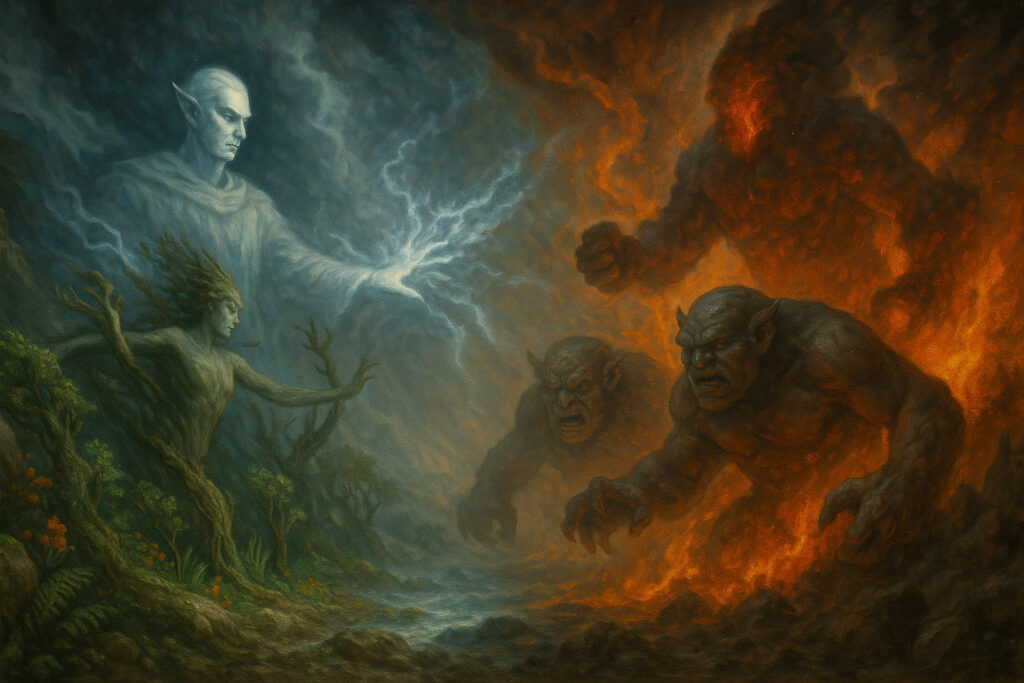
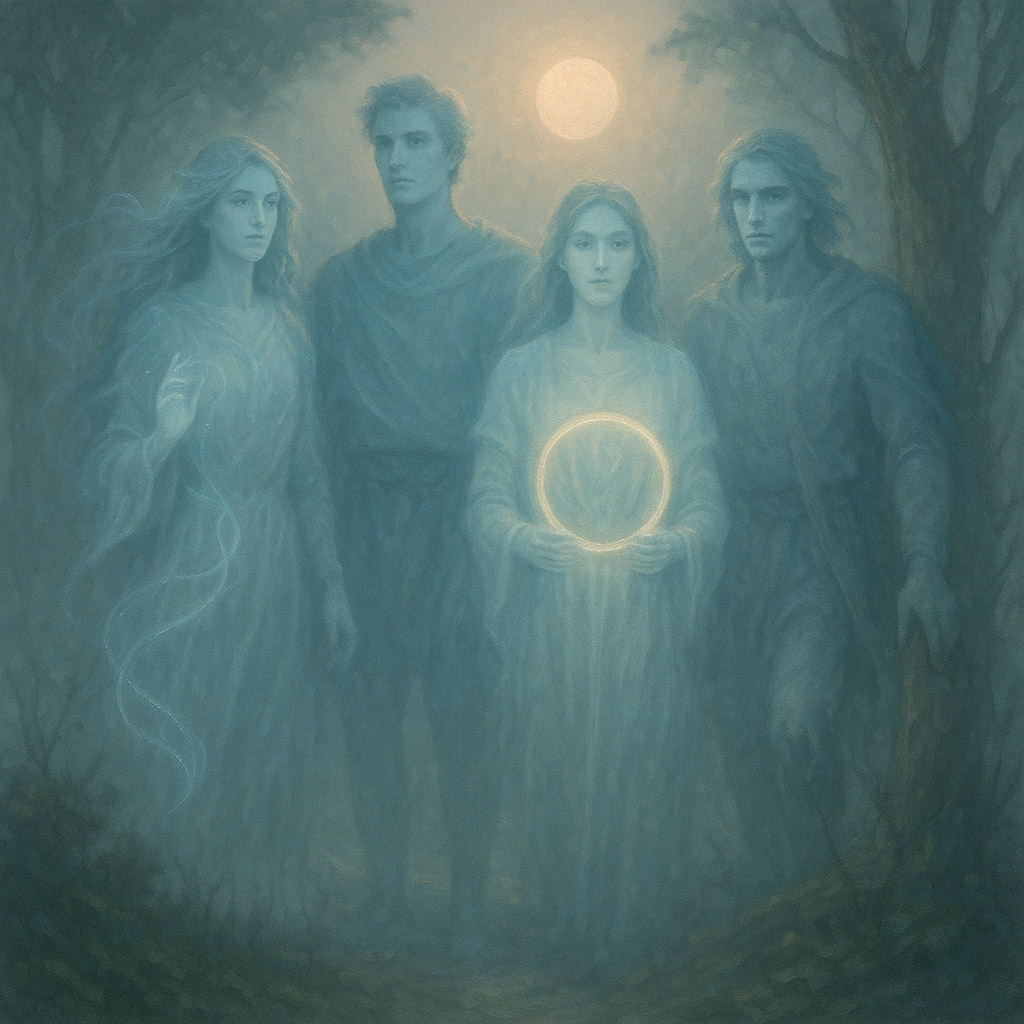
Realizing that they themselves were powerless against the incarnate forms of fire and the capture of dryads, the alvs decided to create the first beings that could act on the physical plane — as the Fomors did. Thus the first faery appeared — beings embodied in the image of the alvs, but endowed with physical bodies, capable of acting directly in the physical world. These were the Snáthad-Sídhe (Snáthad Sidhe) — weavers of fate who controlled energy flows; Caomhnaigh Ciorcal — Guardians of the Circles, keepers of temporal and natural cycles; and the Ailinn — bright ones, illuminating the world with inspiration and hope. All these proto-faery were not yet fully corporeal; their materiality remained fluid and unstable, but nevertheless they were able to affect the physical world, thus restraining the Fomors’ expansion.
It was these proto-faery who ensured the stability of the development of biological life after the great extinction that occurred at the end of the Age of Cesair (the Ordovician–Silurian extinction), when the first wave of alvs departed, since the alvs of the Age of Partholon are no longer “creator-gods,” but stabilizers of natural processes. It is important that in the First Age the alvs had not yet waged war; battles then took place between gods and Giants: the Vanir, the eldjötnar, and the Æsir and the Frost giants. But in the second age, the first war involving the alvs already occurred — the Battle of Mag Ita.
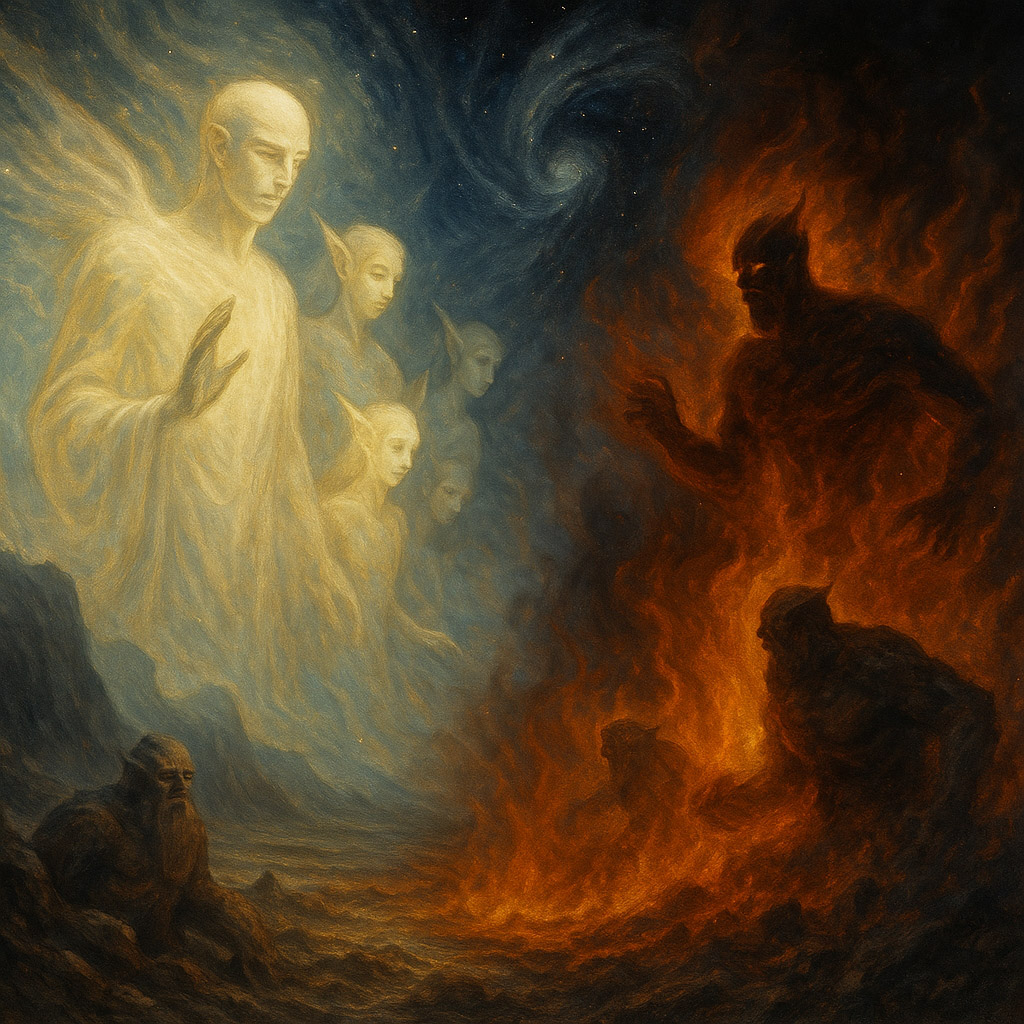
Thus unfolded the primordial collision of the energetic principles of reality: on one side stood the alvs and the spirits of vegetation, united by the energies of structure and growth; and on the other — the Fomors, beings of fire bursting into the world, to whom life and harmony meant nothing. In doing so, the alvs for the first time actively made an ethical choice, in action, in history, and from this moment the history of Earth becomes also a drama of mind.
The central point of the battle became the spaces around the Castles, toward which the Fomors rushed, attracted by the life energy emanating from them. They broke through all protections and barriers, possessing fauns and dryads, distorting their minds, and seizing them as their own anchors for incarnation, suppressing and destroying developing life.
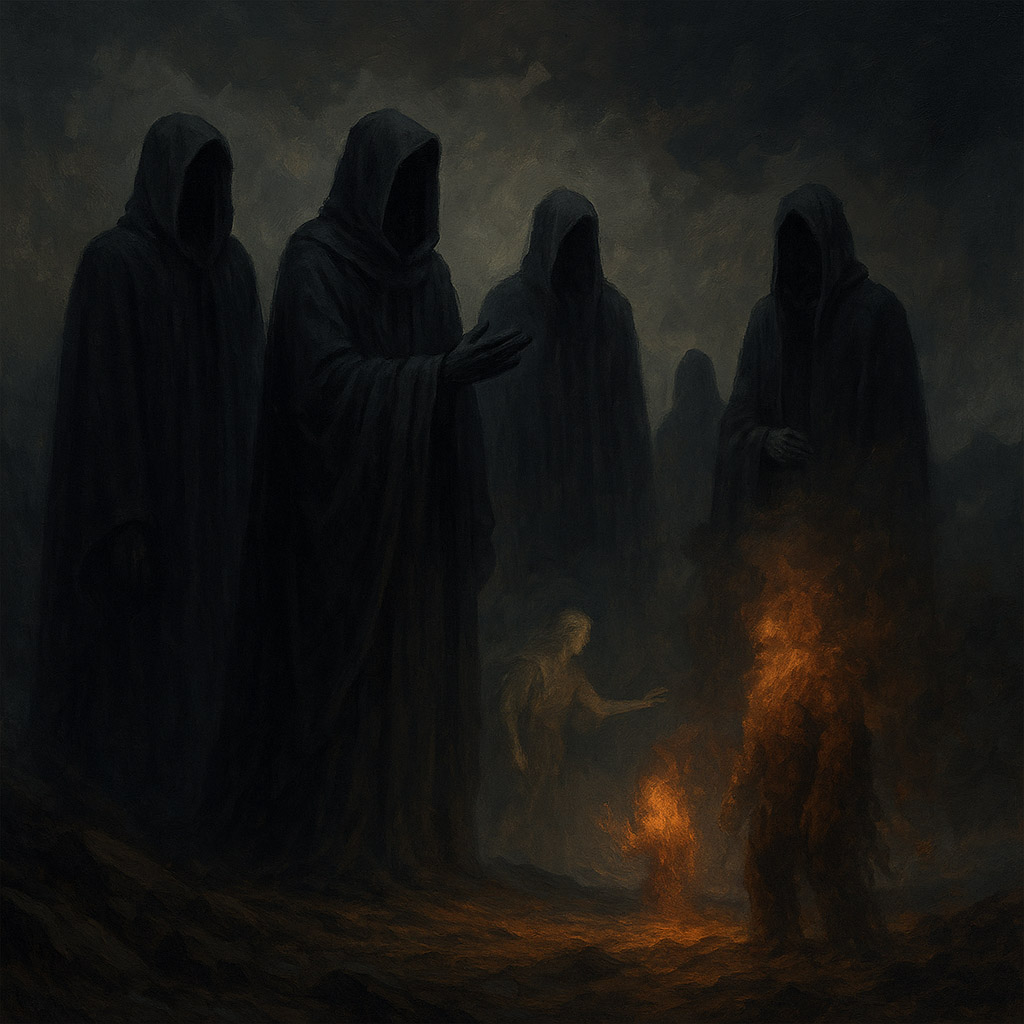
All this time the elder grigori remained almost indifferent to what was happening. Many of them did not intervene at all, being in deep inner contemplation and shaping new bodily forms. Some even sympathized with the alvs and tried to help them, limiting the destructive power of their younger brethren — the Fomors. But their attempts were insufficient or not entirely sincere, and the clash of order and chaos continued.
These events prepared the ground for the emergence of true faery in the Age of Nemed, when the alvs began intermingling with other beings, including the descendants of the grigori, elementals. But it is precisely in the Second Age that the first will of mind appears (in the form of faery) to defend structured existence, and the formation of the Folk of Magic begins with a sacrifice — entering into a war they did not choose but also could not avoid. In doing so, the faery inherited multidimensionality and magic from the alvs, but also acquired “limitations” in the form of bodies and bonds with natural flows; and the Fomors, in turn, inherited will and power from the grigori, but lost part of angelic non-dual harmony.
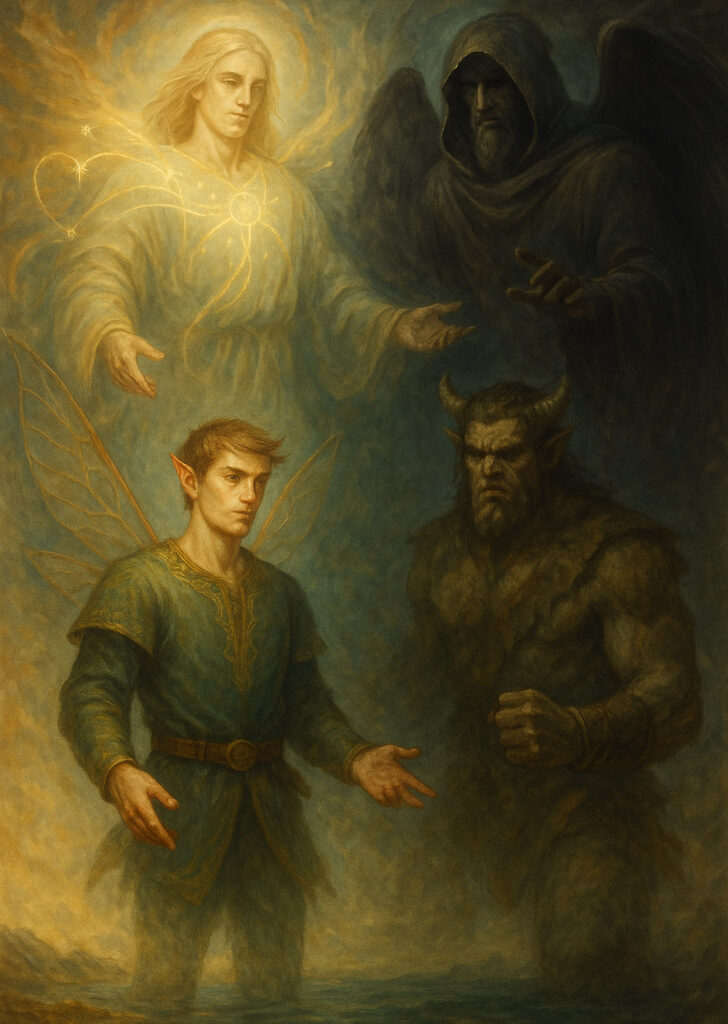
Finally, the weakened alvs became aware of the impossibility of further maintaining balance and protecting life in the form they imagined it. They decided to leave this world, leading their first faery into the Interworld of the first faery born of them, and to leave the world to new beings who would already shape their own reality. Then the Third Age began — the age of beings born of the alvs and grigori, the age of incarnate faery and Fomors, who were now destined to decide the future of this world.
Another point important for understanding the first ages is that the Age of Cesair is, predominantly, a mineral age, and those forms of life that arose there were low-mobility and mineral-like — the Ediacaran biota, sponges, corals, and so on. At the same time, the main active forces were still the elementals — salamanders, sylphs, undines, and especially gnomes. The Age of Partholon is the time when the main emphasis was placed on plants, and here the Vanir became most active, in particular the dryads. Plants at this time colonized the land, the first woody structures appeared (still small in size), lichens emerged. The next Age of Nemed was the age of animals, and in it, as guiding forces, fauns and satyrs acted predominantly.
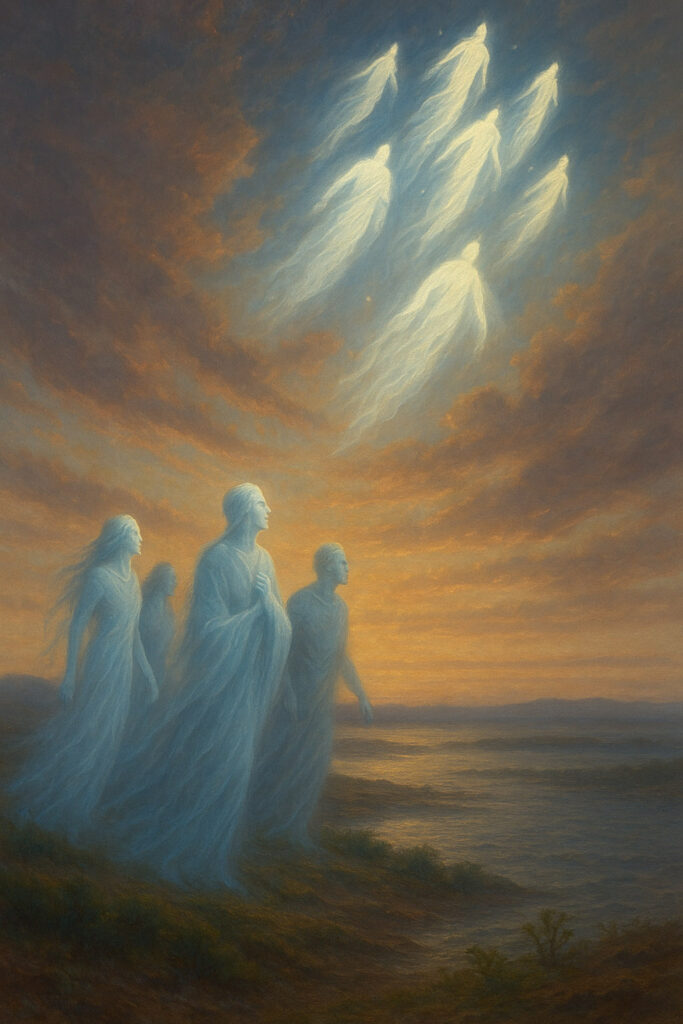
However, regardless of whether we perceive the described events as a literal chronicle of prehistoric battles, as their metaphysical reconstruction, or as a symbolic mythologeme — the significance of these narratives remains equally great.
The Battle of Mag Ita, the descent of the grigori, the appearance of the Fomors, and the birth of the first faery — all of this is not only stages of mythic history but also keys to understanding the deep structures of reality. On the one hand, they shed light on possible energy mechanisms and inner processes of evolution: the transition from pre-organic structures to living matter, the confrontation between structuring and entropic currents, the formation of forms of mind capable of choice and resistance to destruction. On the other hand, they open an important layer of worldview concepts: the confrontation of creation and destruction as an eternal, timeless characteristic of the manifested world, equally true for the structures of the physical Universe, for biological formations, and for the processes of the psychocosmos.
Very interesting. Thank you.