
Fairies, Stikhials, and Elementals
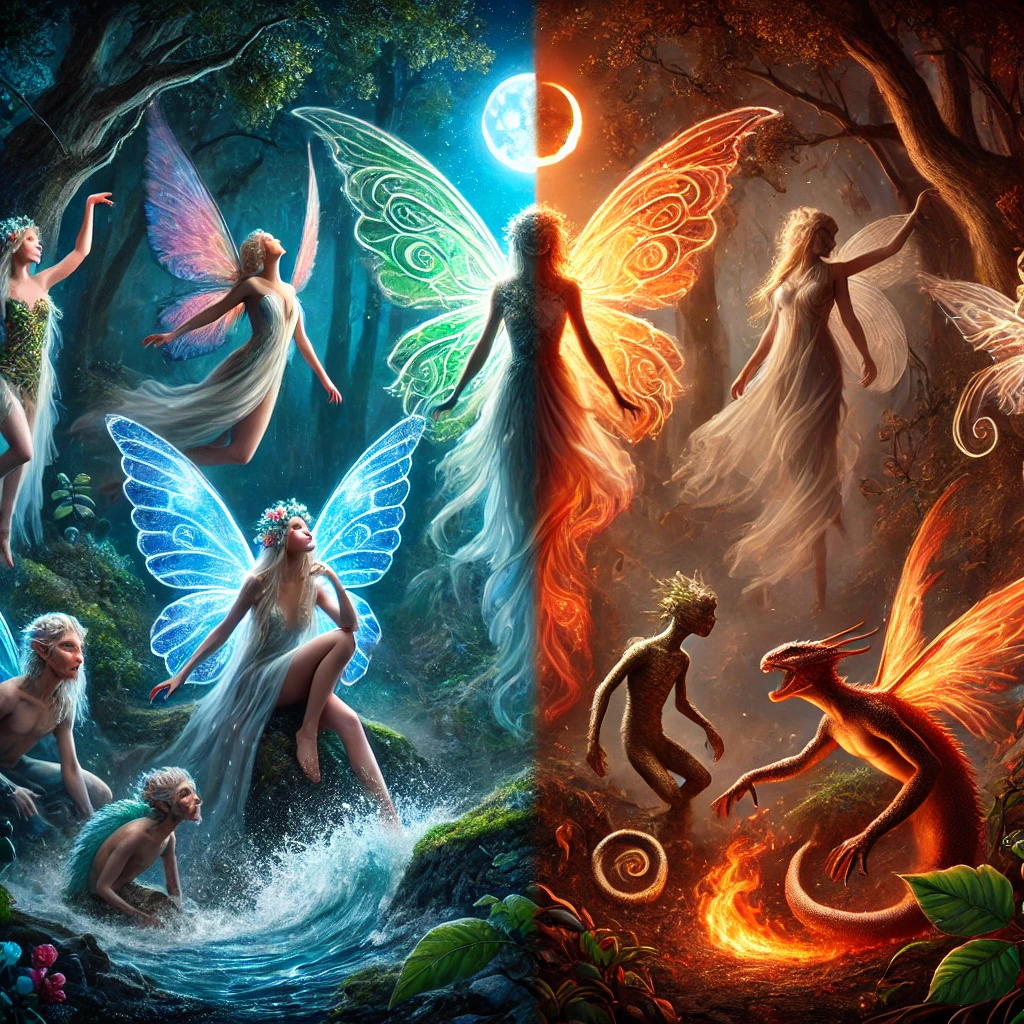
As we have mentioned repeatedly, numerous legends about the “Fair Folk” — Tylwyth Teg or fairies — often do not clearly draw the line between these beings and other inhabitants of the liminal realm: spirits, lesser gods, and so on.
Such a mixing of terms occurred already in ancient times, as a result of the intermingling of Celtic and Germanic mythologies and worldviews. Celts and Germans interacted actively in Europe, especially in the British Isles. This led to a merging of myths, which is noticeable in Welsh and Anglo-Saxon folklore.
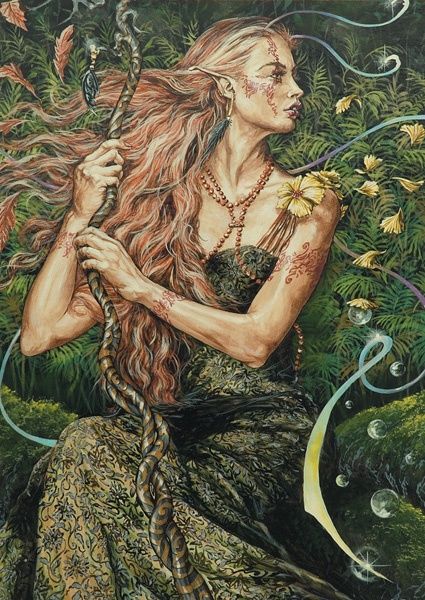
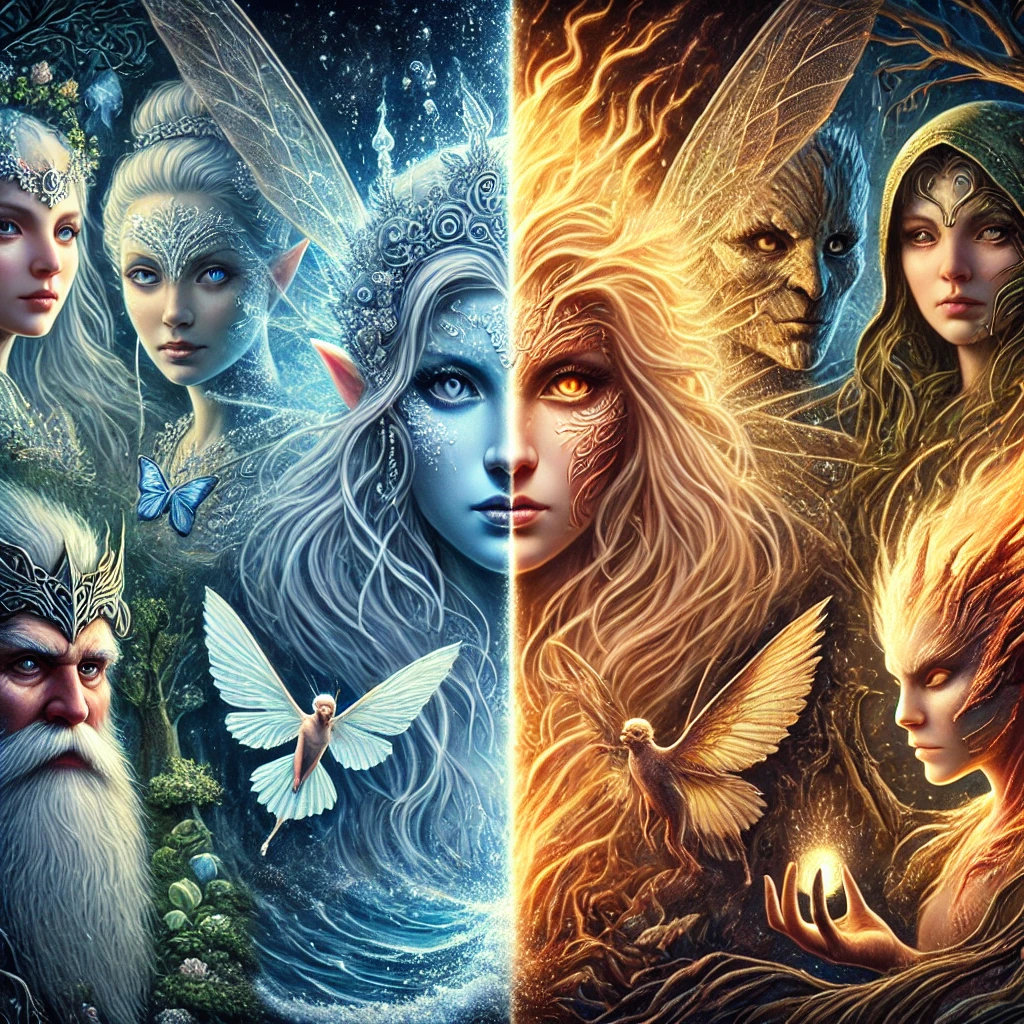
For the Celts, fairies were perceived as an “alternative humanity,” a complex system of beings with their own hierarchy, culture, and moral norms. These beings were morally ambiguous: they could be appeased or angered, but they were treated as equals, albeit supernatural ones.
In the Germanic tradition, by contrast, there was a more pronounced veneration of gods and specific nature spirits, as well as semi-divine inhabitants of other worlds of Yggdrasil — dark and light elves, who more often appear as entirely different hierarchies with their own tasks and functions. They are parts of the world of nature, but their relationships with people are more detached than those of the Celtic fairies.
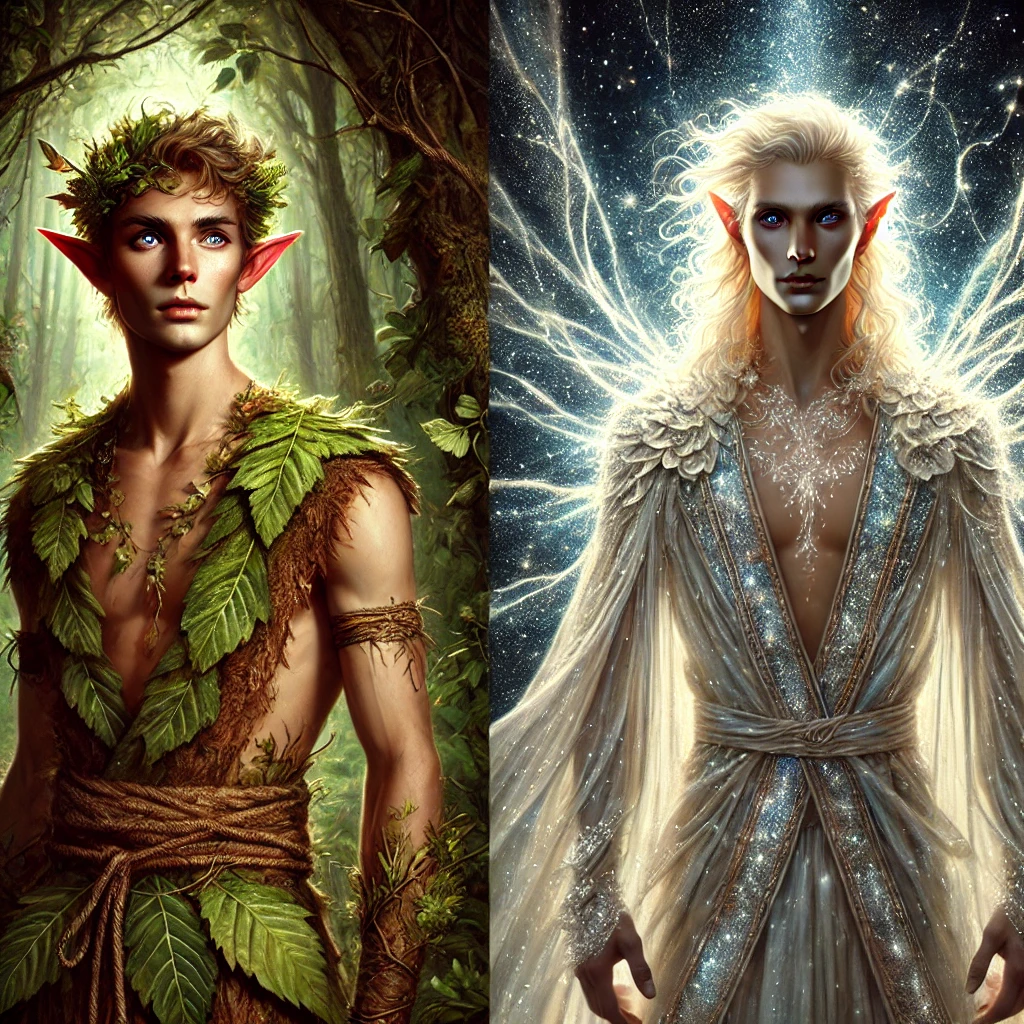
As a result of the blending of mythologies, Germanic elves began to be perceived in a more “humanized” way under the influence of Celtic ideas about fairies and merged with the Celtic “Noble People” (daoine sith, Dine shi). Celtic Aos sí (“People of the Immortals”), the ancient Celtic name for fairies), in turn, acquired traits of nature spirits, especially in the corpus of English and Scottish tales.
It was precisely as a result of such a merger that the term “fairies” arose: the English word “fairy” comes from the Latin “fata,” “fate,” and this word was used to denote an illusion or enchantment; a magical land (originally known to the Celts as “Tir na n-Og,” “Land of Eternal Youth”); the totality of its inhabitants or an individual being. Accordingly, modern images of fairies include features of both Celtic Aos sí and Germanic elves (álfar), as well as elements of Latin and Christian traditions. In the same way, the Welsh term Tylwyth Teg, meaning “Fair Folk,” reflects a more romanticized and “smoothed-out” perception of these beings, which is closer to later notions of fairies as mischievous, though sometimes ominous, beings.
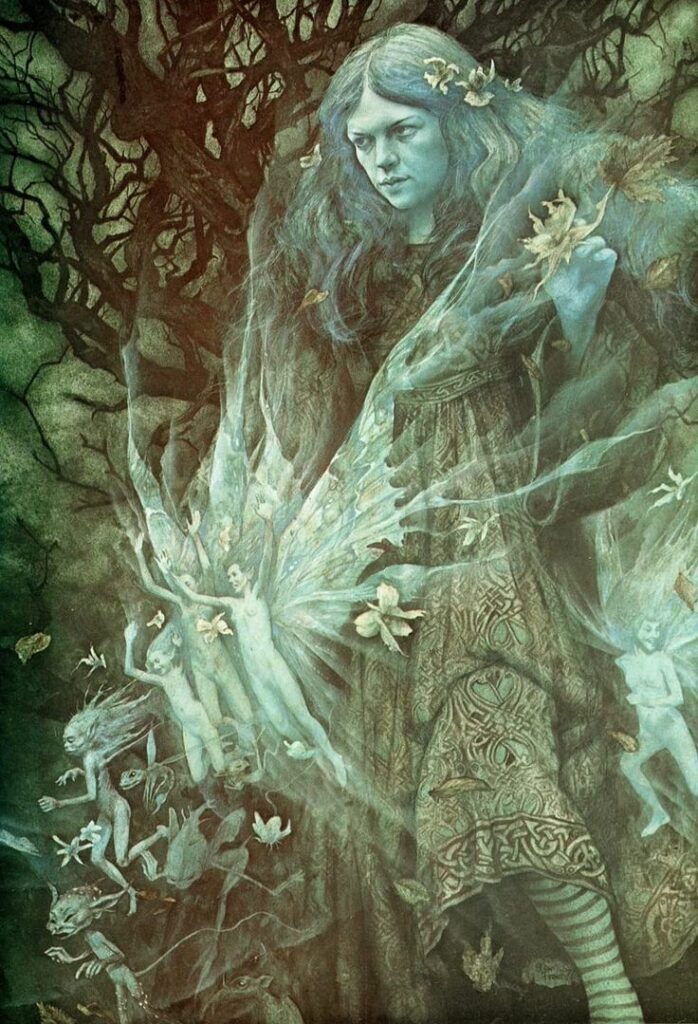
At the same time, a clear understanding of the nature and characteristics of each group of beings is important both from a general worldview and from a practical standpoint, since interaction with different “peoples” proceeds according to different scenarios and has completely different consequences.
Tradition distinguishes three groups of “border” beings, which in modern times are often mistakenly mixed into a single category of “fairies”:
- the “wondrous folk” proper, Aos Sí, the First humanity of Earth (An Domhan);
- “governing” beings — nature spirits, junior gods — elemental spirits and semi-divine entities — nymphs, satyrs, fauns;
- elemental entities formed by stable vortices of natural and cultural formations (leshie, domovye, and so on).
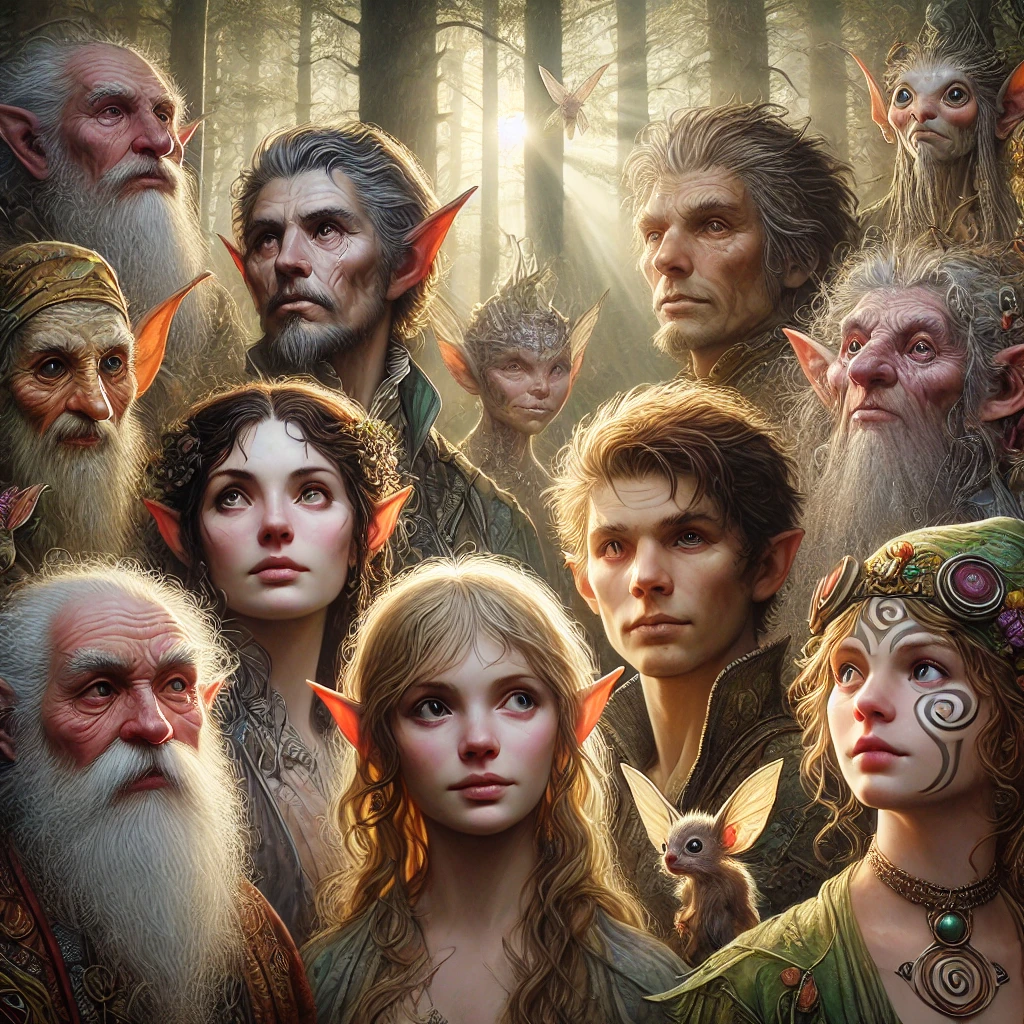
At the same time, it is important to understand that fairies (Aos sí) constitute the “crown,” or the human level of consciousness along the “maternal” path, on which, as we have already discussed, they are preceded by simpler forms of mind — “magical” plants and animals.
Fairies as the “first humanity” are distinguished by an immanent, deeply integrative approach to life, based on their connection with nature, eternity, and Magic. Their characteristic features are a profound respect for nature and natural mind “stitched” into their very essence, the accumulation of awareness within a single life, and a refusal of expansion and materialism.
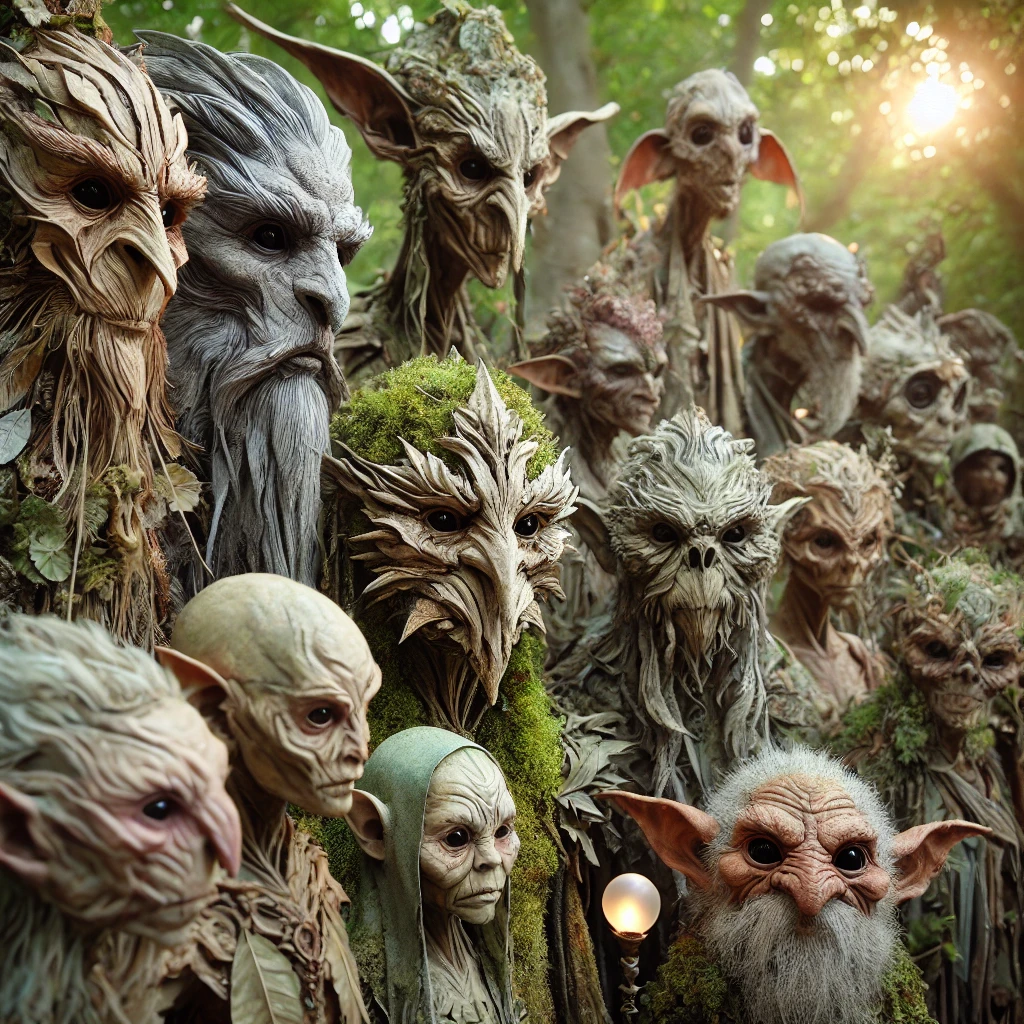
Thanks to their virtually unlimited life, fairies exist outside the linear time characteristic of humans. Their life has always been cyclical and woven into natural rhythms, and after departing into the Interval (Tir na n-Og), time for them loses its meaning altogether. Therefore, their perception of events is much slower and deeper than that of humans: fairies can calmly observe changes in the world over centuries, without rushing into action.
As we have already noted, fairies accumulate awareness not through a change of incarnations, but through a long immersion in a single extended life. Therefore, their memory and experience extend across centuries, forming a very deep, meditative, and “grounded” understanding of reality. They do not live to change or conquer the surrounding world, but in order to be part of it. This is precisely the reason for their close connection with the gods and spirits of forests, rivers, hills, and inner harmony with nature. Their approach to life is more integrative than expansive. Fairies observe, interact with nature carefully, and do not strive for destruction for the sake of progress. In this sense, they can act as “guardians” of natural cycles, and their behavior is aimed at maintaining balance.
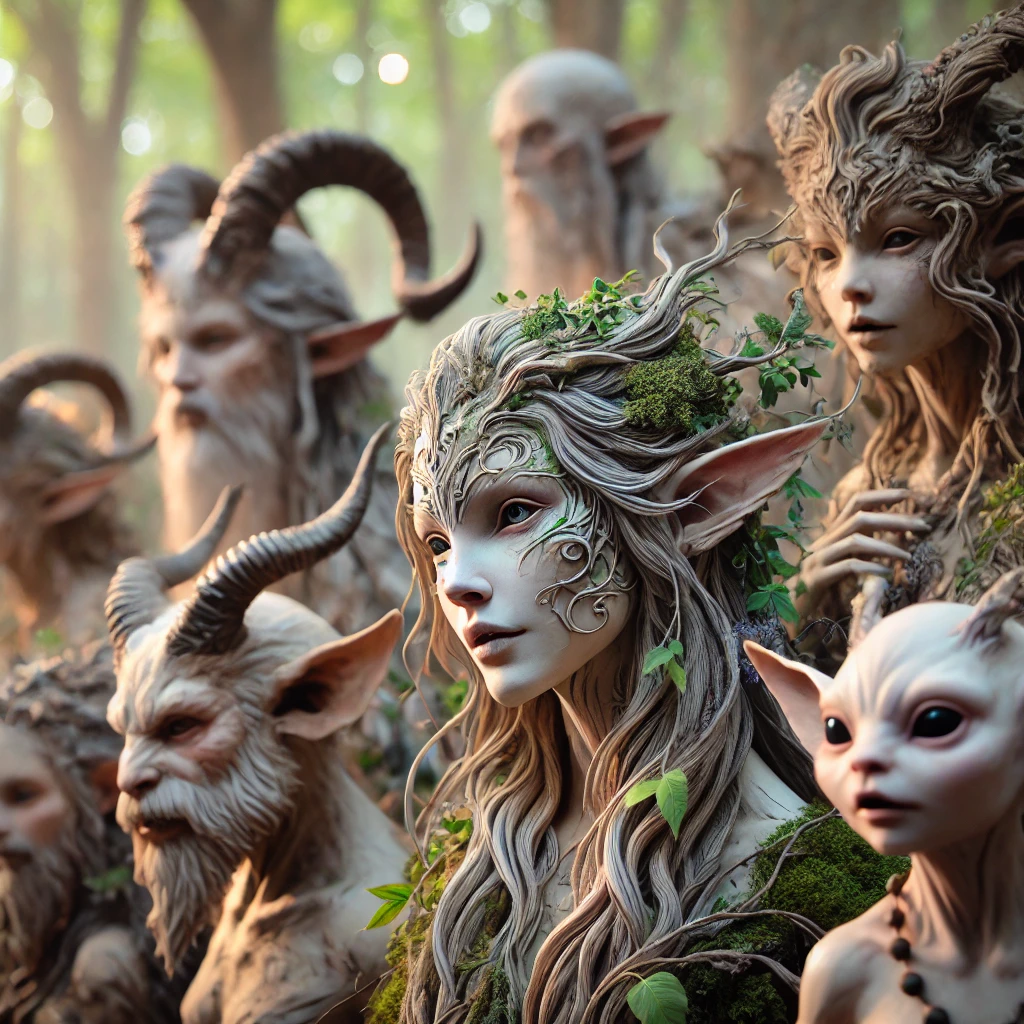
We have already noted that for fairies the world is magical in itself. They do not separate Magic from nature or mind, but perceive it as a natural and integral part of their existence. Their understanding of the world is intuitive, metaphorical, figurative, rather than logical and rational, as it is for humans. Accordingly, by nature they possess diverse magical abilities that reflect their immanent connection with nature. They can heal, influence the weather, transform reality around themselves.
Unlike humans, who create civilizations, accumulate wealth, and build long-term structures, fairies rarely attach importance to the material world. They lived in hills, forests, and then — in settlements of the Interworld, where their way of life is minimalistic, and the emphasis is placed on experiencing the flow of life, special spiritual and magical aspects. Fairies are usually completely indifferent to human goals and passions, such as thirst for power, greed, or technological progress.
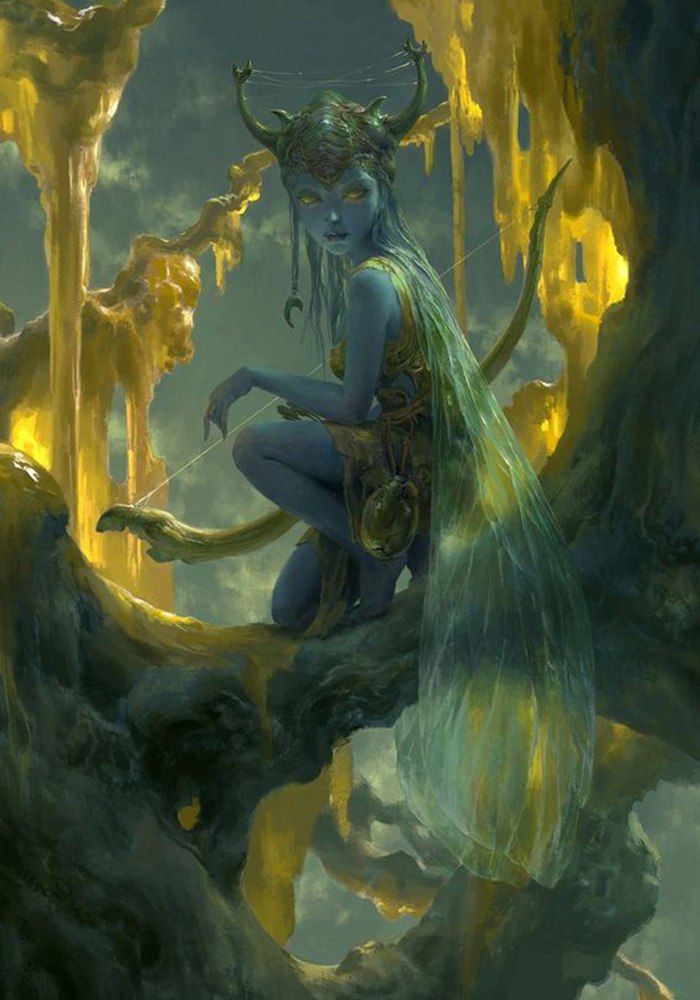
In addition, the emotions of fairies are always deeper and more long-lasting than those of humans. Their joy or grief can last for centuries. They rarely show impulsiveness, preferring to act after prolonged reflection or observation.
They do not divide the world into good and evil according to human standards, but act within the framework of their own notions, traditions, and laws.
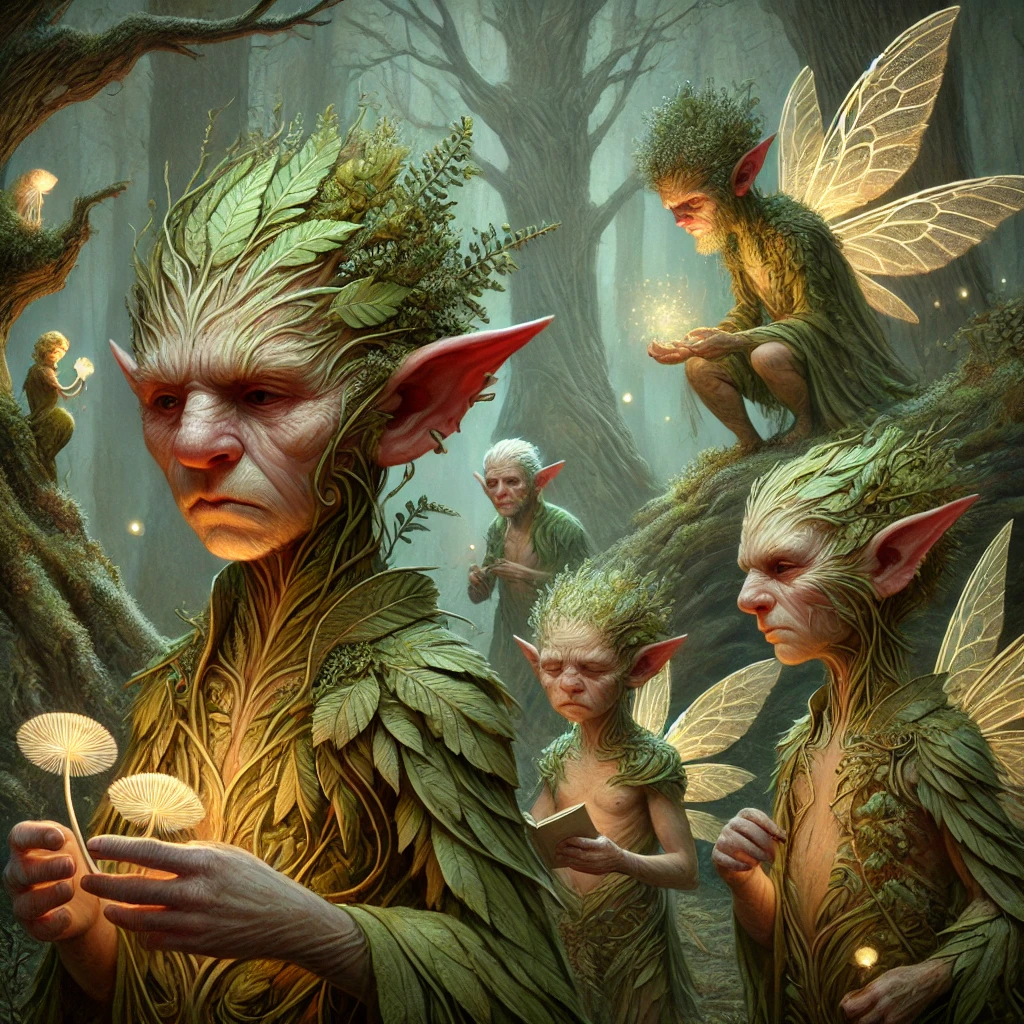
At the same time, fairies also differ from deities or nature spirits by their awareness, freedom of action, and individuality. While nature spirits — elemental spirits, nymphs, or others — perform their functions as aspects of their essence, fairies manifest an aware, voluntary choice of caring for nature and interacting with it. They act not as functions or manifestations of nature, but as independent beings who choose to interact with nature, care for it, and protect it, because it corresponds to their worldview, and not because it is their destiny.
Caring for nature in elemental spirits, nymphs, and the like is not a choice, but the performance of a “role.” Their actions are subordinate to the general laws of nature, and not to personal morality or convictions; they are determined by natural cycles and the order of nature, and not by ideas or principles. In addition, their individuality is limited by their function. For example, a river nymph is practically inseparable from the river itself. They rarely have complex personalities or personal goals, since their “identity” does not go beyond their natural role. They do not choose their role and do not possess an inner conflict or doubt. Their hierarchy is strictly and harmoniously subordinate to natural forces or higher deities, such that they are an important constituent part of a larger cosmic order or “mechanism” of governance.
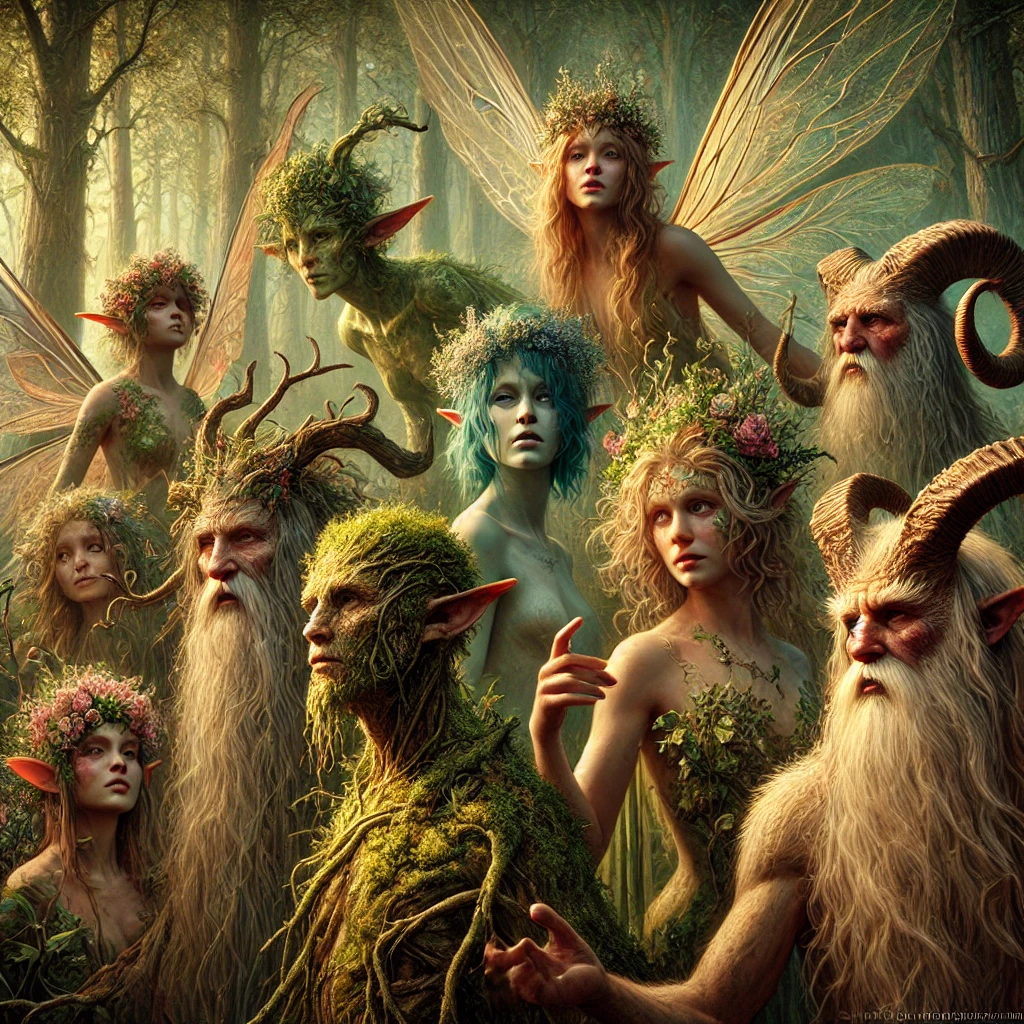
Fairies, on the other hand, can be perceived as beings that combine the freedom of choice of humans and the longevity associated with higher worlds. They are not tied to a single element or place, which makes them more flexible and able to act in different places and circumstances. Their care for nature is an expression of their special worldview, based on the “maternal” vision of harmony, and not an inevitable duty. Fairies have a strongly expressed individuality; they have characters, preferences, emotions, and even their own ambitions.
Their attitude toward humans is much more complex and multifaceted, since they consider themselves a separate people that can both cooperate and conflict with humanity. However, they do not feel an “existential abyss” between themselves and humans, as they are within the same framework of possibilities. Fairies have full-fledged societies, with hierarchy, rulers, laws, and culture. This makes them closer to human civilizations. In relation to humans, fairies can be allies, enemies, Masters, or seducers. They can act on the basis of their notions of justice, their own code of honor, or sympathies and antipathies. Their actions usually reflect their inner convictions, and not only natural laws. They can be autonomous and not obey either nature or the gods.
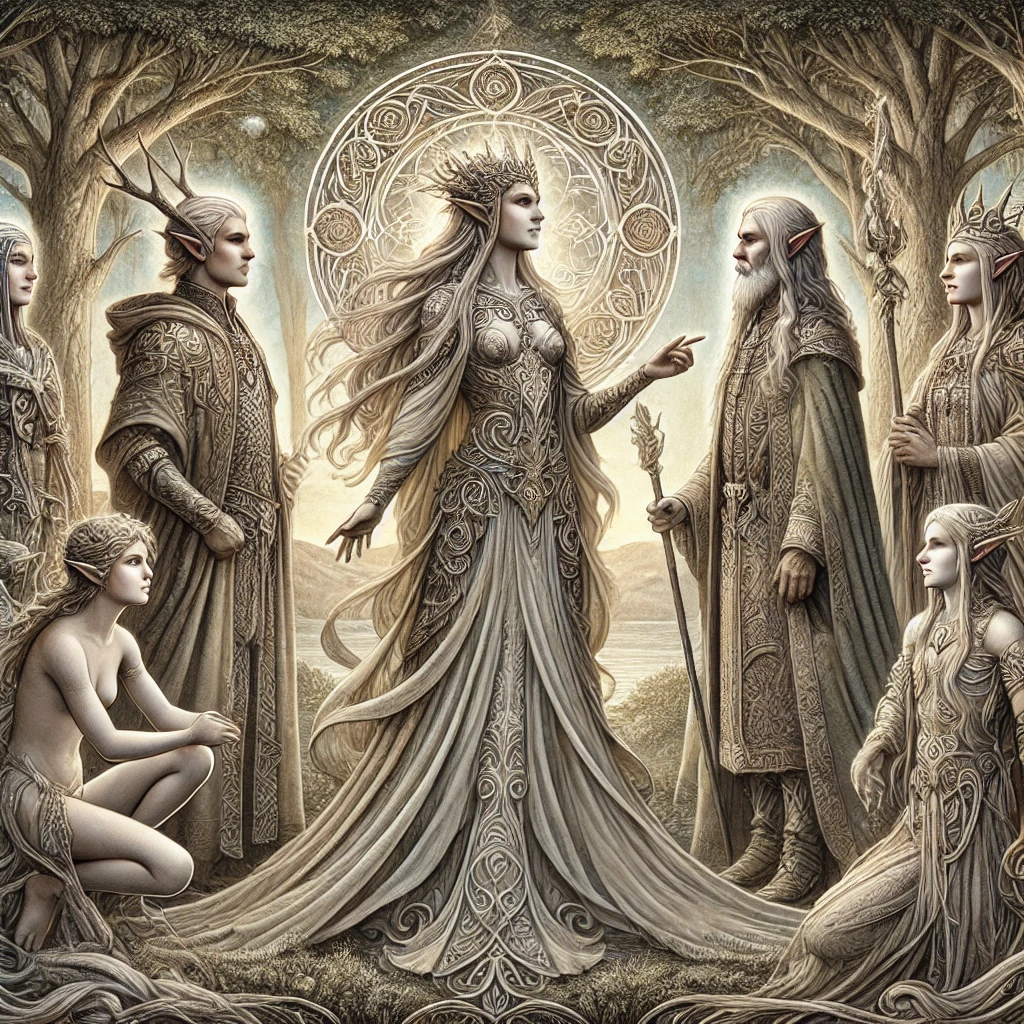
Even the higher fairies, who in their energy and height of awareness are much closer to gods than to humans, still make decisions not because of the necessity to submit to natural laws, but proceeding from their own convictions or interests. They can be immortal or practically immortal, possess enormous magical power and know the secrets of the world; however, they remain a “people,” rather than universal cosmic forces such as gods. They have personalities, desires, interactions among themselves, which makes them closer to humans than, for example, the absolute and transcendent character of gods.
Thus, it is important to remember that nature deities and spirits are direct embodiments of natural forces; they are nature itself in its living, ensouled form, and their actions and existence are strictly defined by their function. At the same time, fairies are independent beings that, although connected with nature, are not an inseparable part of it. They are aware of their actions and choose to interact with nature voluntarily.
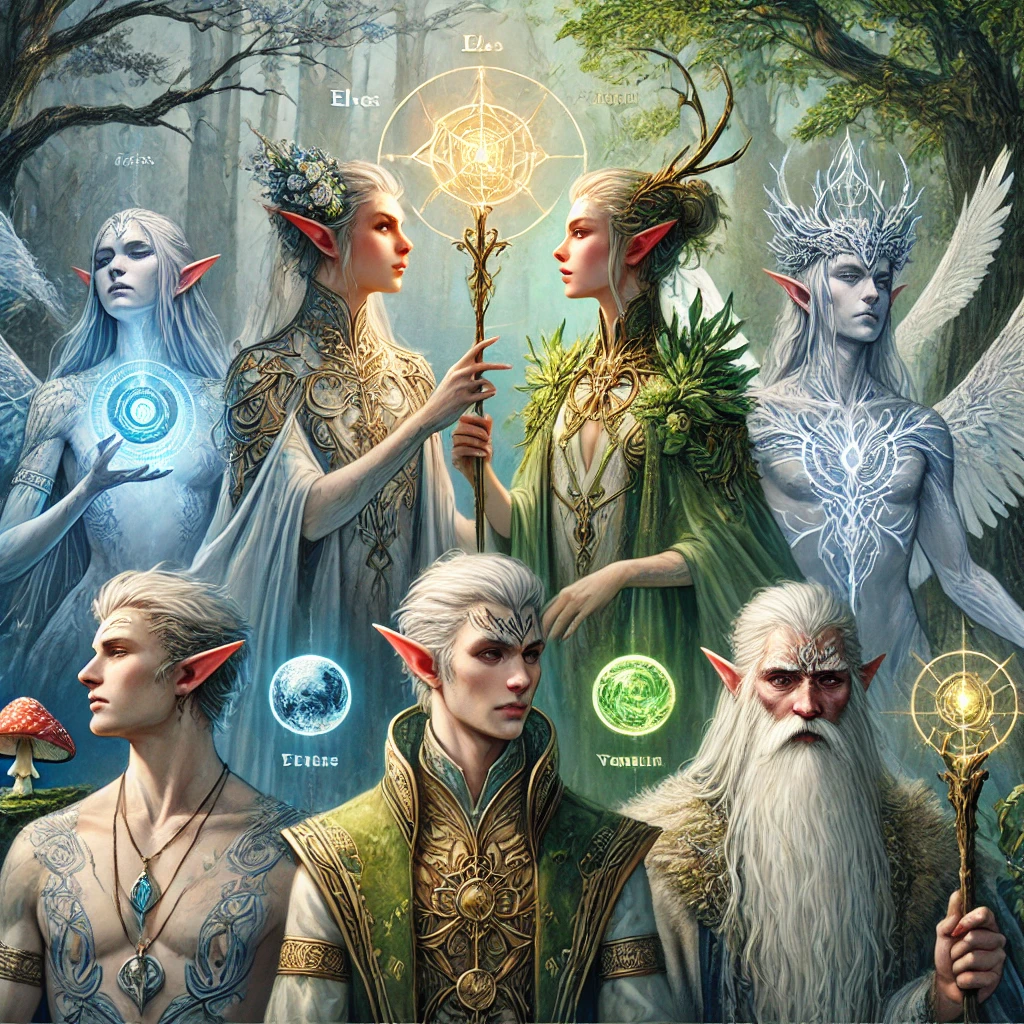
Such a difference in origin determines their roles: nature entities are forces that maintain the natural order, while fairies are aware guardians and mediators, capable of interacting both with nature and with humans. This distinction is important, because interaction with fairies requires understanding their complex nature and respect for their community and customs, whereas elemental spirits require, first and foremost, care and caution in dealing with nature.
If fairies are perceived as nature spirits, this can lead to an underestimation of their free will and social aspects. An attempt to interact with fairies in the same way as with nature spirits (for example, offerings and sacrifices) can provoke their wrath or cause unforeseen consequences. And if nature spirits are perceived as fairies, this can lead to ignoring their true role and underestimating their connection with the natural cycle and divine hierarchies, and thus also to a conflict of forces and interests. Fairies demand understanding more, while elemental spirits demand harmonious participation in natural processes. For a Magus, of course, both of these sides are important; however, they should not be confused or mixed.
Hello! A very powerful article, thank you.
Please tell me, to avoid ruining relationships with nature spirits (like leshy, elementals, etc.), if one needs to cut down a tree, should they also plant a tree?
Yes, of course, ideally, for a cut down tree, one should plant not just one but several new ones to ensure growth.
Fairies are not ‘inhabitants of the interval’ in the strict sense of the word; they have only recently moved there and live in special areas. The death of a fairy is a very rare event, and they dissolve back into Mother Nature, so they do not experience ‘afterlife’ in the conventional sense.
A good option).
But to plant a tree, one must first dig it up from somewhere.
For instance, what I do is: if I take something and do not have anything with me to leave in exchange, I give (pour around) my energy with the idea of growth, development, and prosperity.
I think as a variant, this is acceptable. 🙂
To plant a tree – it can be bought, why dig it up? They sell seedlings… Or in the worst case, try to sow seeds and take care of them for a while.