Images and Forms
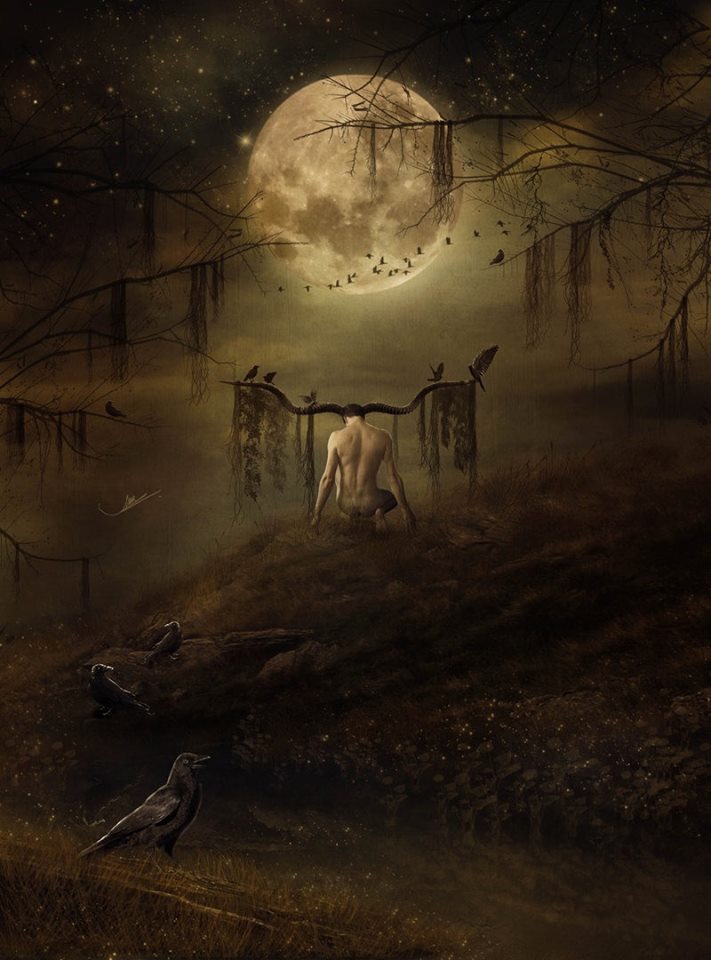
In magical practice that involves perceiving Power/energy in one form or another, the question often arises about the nature of that form and the degree to which it is arbitrary or meaningful. In other words, if a Magus sees a god as a man with the head of a hawk or a demon in the form of a spider — is this merely a historically established symbol, an arbitrary mode of description that can be easily discarded or replaced?
Contemporary practitioners trained in analytical psychology tend to regard such images only as a psychic reality, merely a product of the mind, whereas traditional Magic views them from a more physical standpoint.
Magic has long been characterised by a holistic approach in which the “physical” and the “psychic” realities are perceived as interdependent yet equally valid perspectives, describing analogous laws that manifest both at the level of being and at the level of the mind.
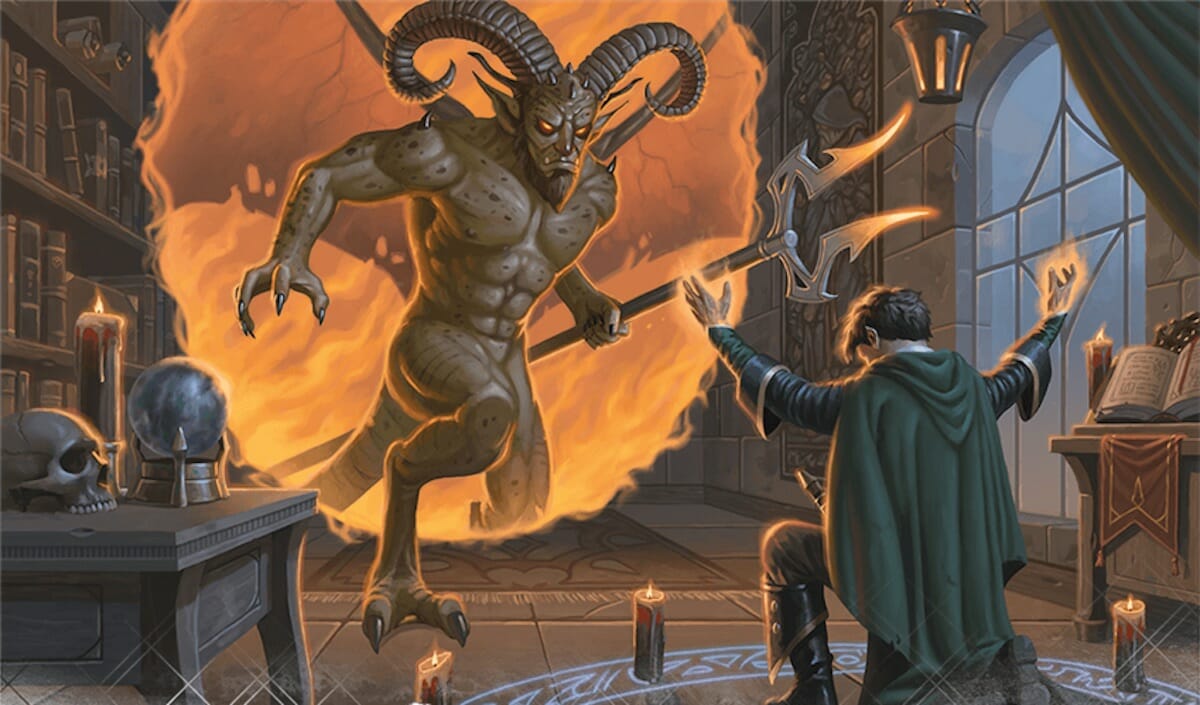
This view implies that the image assumed by a given power (and likewise a given matrix of the mind) depends both on the nature and condition of the perceiving mind and on the nature and condition of the power itself. For the Magus this understanding is important in both directions: on the one hand, by understanding the nature of the perceived Power and his own state of mind, he can predict in what image that power will appear; on the other hand, by observing the manifested image he can draw conclusions about the nature of the power and his own state.
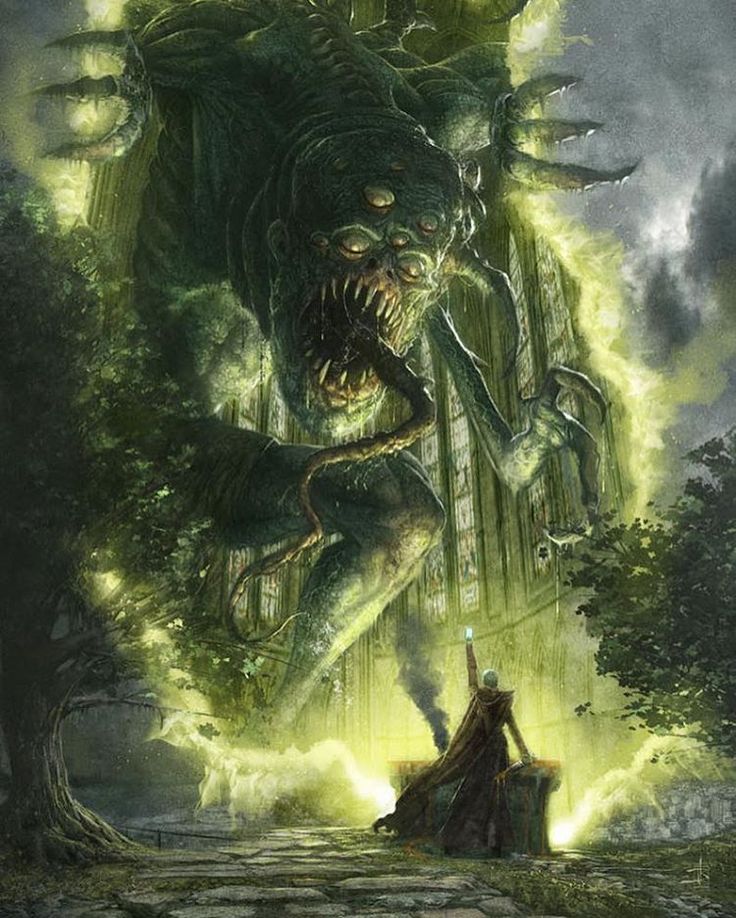
This perspective is of crucial importance in goetic practice. Grimoire literature rightly devotes much attention to the images of demons and spirits: the images a summoned entity assumes reflect both its own nature and the character of its influence on the victim and on the summoner.
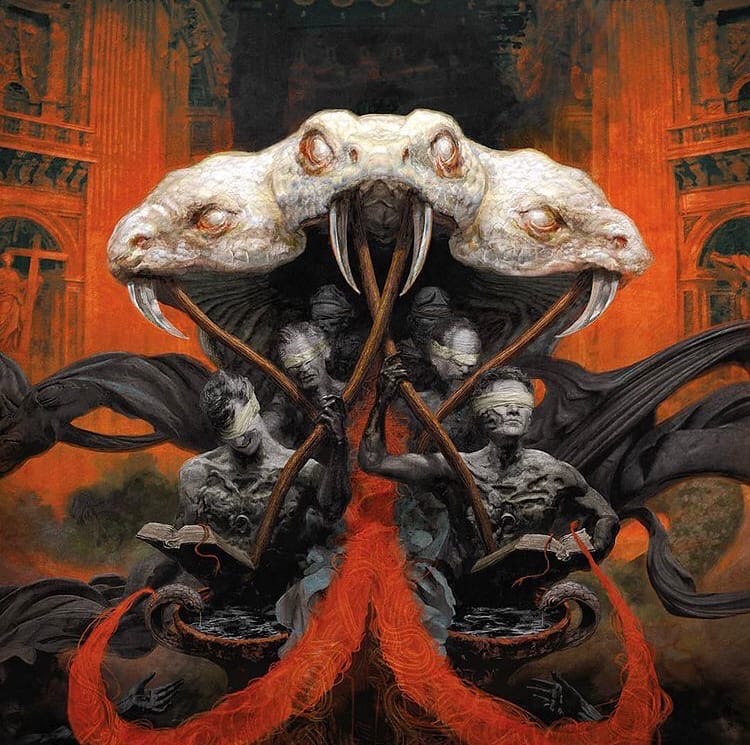
Particular attention is drawn to mutable or ambivalent images of demons: it is not uncommon for a demon to change its appearance during a ritual, which can reflect the process of aligning its vortex with the operator. Accordingly, the operator should change his manner of interacting with the fluctuating power, and a change in the operator’s state may be accompanied by a change in the form in which the summoned power takes. Alongside changes of appearance, the name often changes as well, reflecting (and governing) each mode of manifestation of the power, so the operator must also adjust his spells. Equally worthy of attention are the many‑faced demons, whose different faces and heads reflect different aspects of their nature and effect: depending on which aspect the operator directs attention to, one guise or another is engaged, and often different names, seals and sigils are used.
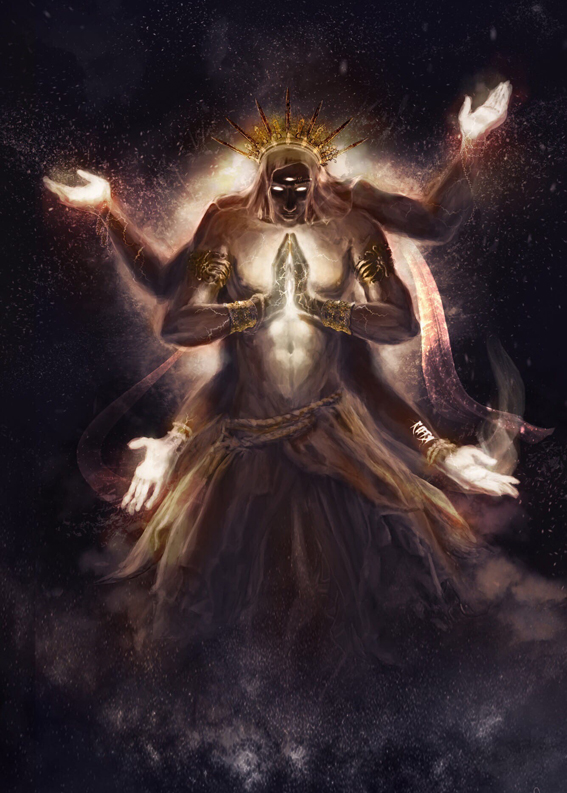
In theurgical practice the images of the deities invoked also play a key role: contact with a deity is all the more successful the more attributes of that Power are engaged in the Ritual. In deity yoga, the “adoption of divine forms,” a clear understanding of both the features of the deity’s image and the connection between the form and its nature and functions is also necessary for the practice’s effectiveness. The more precisely the vessel is constructed, and the more aspects it takes into account and embodies, the purer, more stable and more perfect its contact with the requested power or activated matrix.
The study of the forms assumed by powers that contact the Magus is no less important in the magical art than the study of their names, seals and sigils. Insufficient understanding of the interrelation image–nature–mind in all its aspects can not only reduce the effectiveness of the Ritual but also lead to serious errors.
Leave a Reply