
The Celestial Lord Ariel
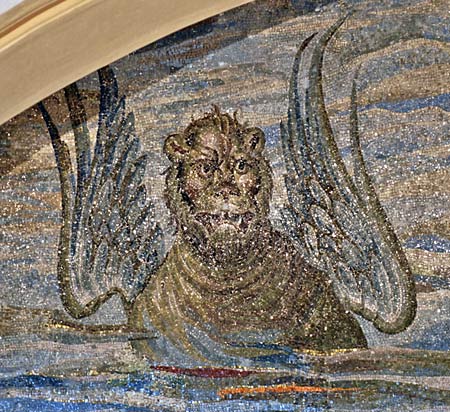
Since antiquity a deity — lord of the material world — has been venerated in Egypt. Gnostics named him Ariel and regarded him as one of the Archons — spirits who rule the world, create the material cosmos, and embody the secondary causes. Some Gnostic movements even identified Ariel with the God of the Old Testament, viewing him as a Demiurge. The Judeo-Christian tradition considers Ariel an Angel who rules Jerusalem, underscoring his special intermediary position between the Higher and Lower worlds.
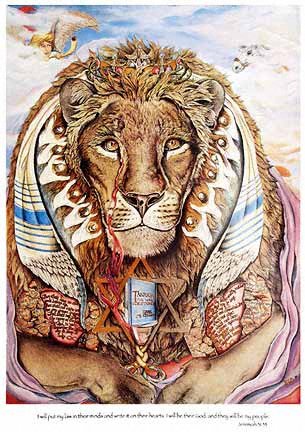
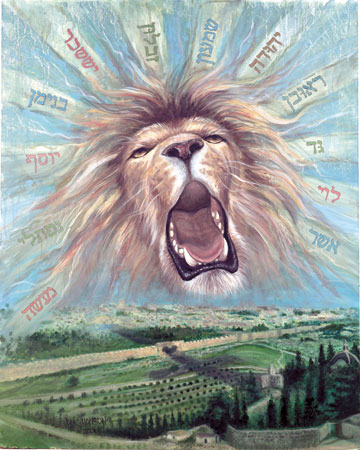
The name “Ariel” (אריאל) means “Lion of God,” or possibly “Hearth of God.” Both associate Ariel with the principle of Fire. This, however, is not earthly fire but the “fiery ocean” — Shamaim — the principle of primary creative activity. Such a view corresponds to Ariel’s originally demiurgic position.
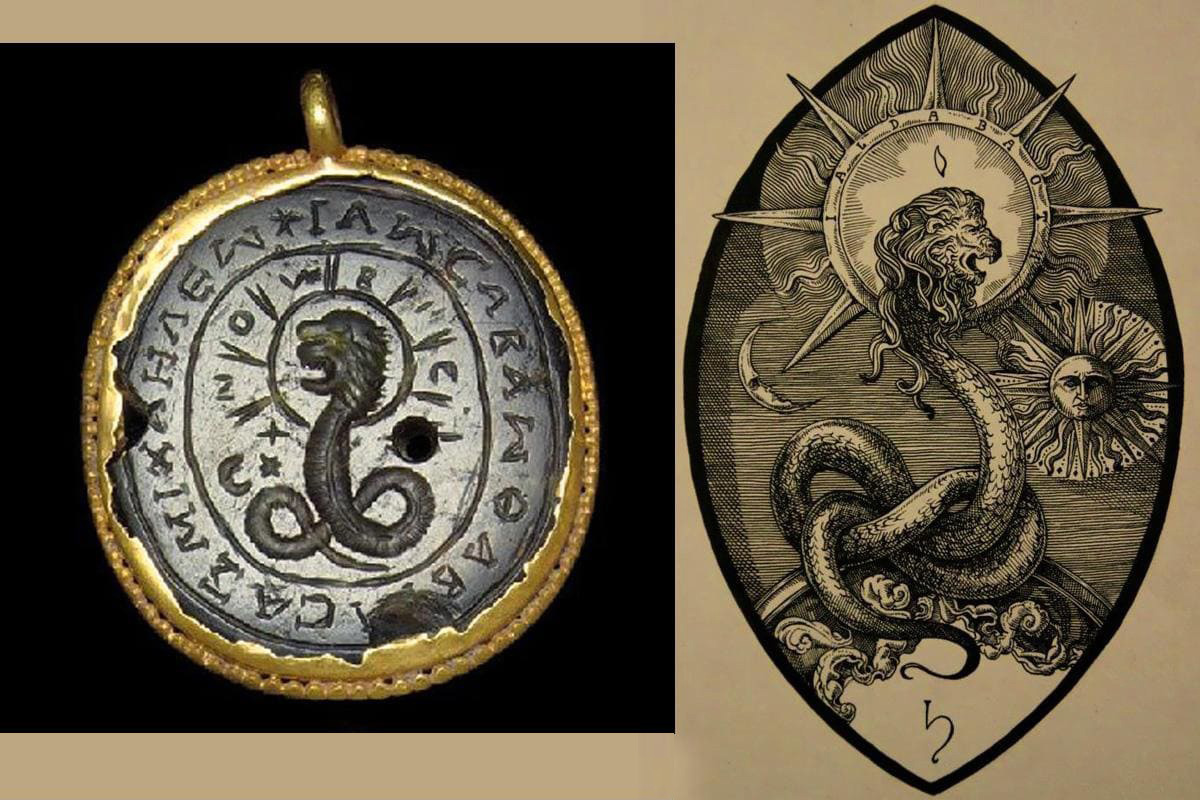
Gnostics often used the name “Ariel” to denote the Demiurge, calling it his ‘perfect’ name; in some teachings “Ariel” is given as the ancient or primordial name of the First Archon — and sometimes of the Demiurge — Ialdabaoth. His name was also inscribed on amulets as “Ariel Ialdabaoth,” and the figure of the Archon in many images is labeled “Ariel.” This affinity aligns Ariel with another Gnostic deity — Abraxas, who likewise personifies an ideal image of wisdom whose fallen form is represented by Ialdabaoth.
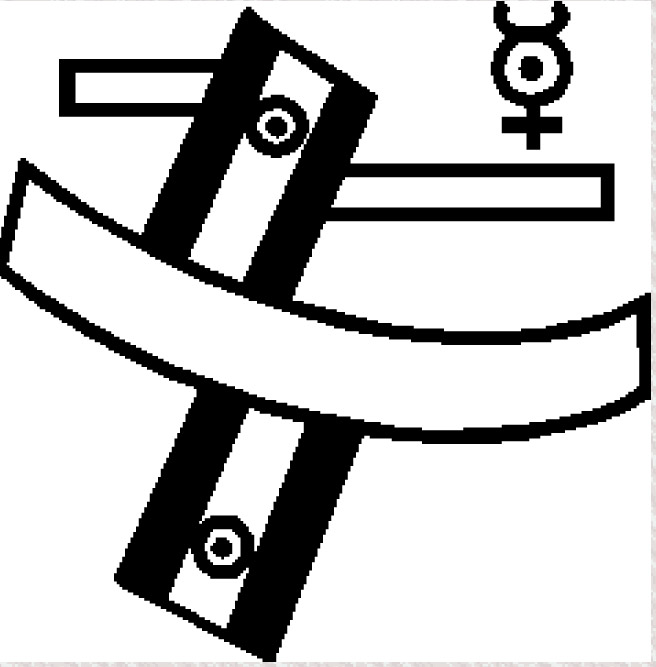
Ariel is often mistakenly equated with Uriel, the Angel of Venus and the principle of the earth, yet their names differ in their original spellings, and the name “Uriel” means “Light of God.” This confusion has produced many goetic errors in magical literature. Placing Ariel in the North — Uriel’s place — not only renders ritual work ineffective but can also introduce serious dangers.
In Doctor Faustus’s “The Black Raven” and in the grimoire “Spiriti-commando,” Ariel is one of the seven Great Dukes (Princes) of Hell. In “The Black Raven,” Ariel is said to “rule over all above and below the earth” and is called the “Persistent Spirit.” In “Magiae Naturalis et Innaturalis,” Ariel is an “elector” (ruling spirit) of Mercury.
Such correspondences are, however, ritually mistaken: Ariel corresponds not to the Principle of Mercury itself (the Second Androgyne), but to the principle that gave rise to Mercury — the principle of fire’s densification. Hence the futility of invoking Ariel among angels where Uriel should be named. It is no accident that grimoires insert Ariel’s name among the names of God in conjurations and consecrations.
Ariel’s association with the heavens, air, and fire makes him a highly active creative figure within the cosmic order. He appears to preside over the shaping of the descending flow of power, expressed in the formation of the “Limit,” the “Screen” of the material world.
All the more striking is the transformation of this masculine, active image into a female spirit-ruler of nature in contemporary occult literature. Even starting from the mistaken identification with Uriel’s more passive image, such a reinterpretation strips the world ruler of the essential characteristics of the active lord of the primary fire that the ancients attributed to Ariel.
Thus Ariel represents creative activity throughout the cosmos. It is in this figure that creative activities unite with formative ideas, which are then used to form material reality. The Lion of God, Ariel, stands guard over the principle of materiality — embodied actuality — and its relation to potentials destined to manifest.
After reading about Ariel, I immediately recalled the Slavic god Radogost; the similarities in their external descriptions and both express one of the aspects of the Most High, perhaps even the Slavs and Egyptians described one Power?
I heard about the similarity of Ariel and Prince of Hell Arior. Is it true or is this false information?
Ariokh (אריוך), “Savage Lion” – is a biblical character who has been identified with a demonic ruler at a rather late date. Most often, this name is considered to be one of the epithets of Alastor – “Hell’s Executioner,” and, thus, Ariokh is one of the expressions of wrath and cruelty, which, to some extent, may align with the Fiery nature of Ariel, but only in its untamed aspect.
So many nuances and important details. Thank you
Is Ariel simply inspiration?
Ariel is the creative desire poured into the world.