
The Magus’s Flexibility
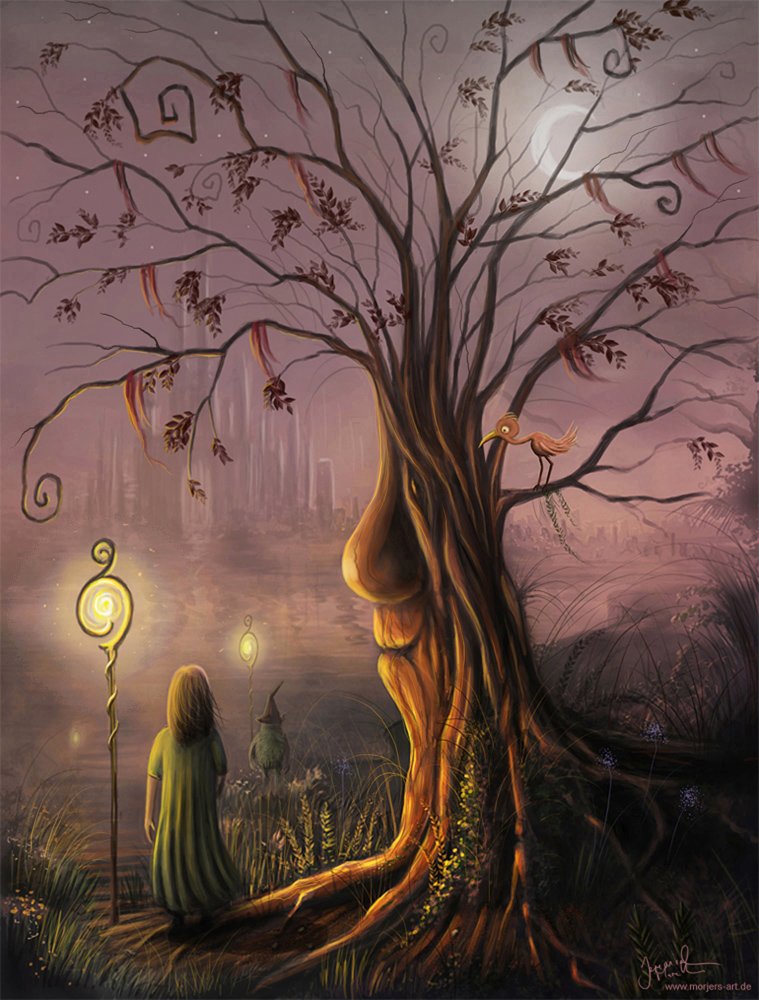
The mage-warrior succeeds when he accurately assesses the effective strategy and tactics of his battles.
Sometimes he must throw all his strength into an assault; sometimes he must retreat.
While retaining an unbending will to win, he nevertheless does not charge headlong; he chooses the most effective course, the best path forward, advance.
It is precisely the paradoxical combination of assault and withdrawal, of maneuvering and unyieldingness, of caution and recklessness that most distinctly marks the magical warrior.
Having entered the Way of Magic, the warrior has already made the principal choice of his life, and all other choices are merely consequences of that great step. Having entered the Way of Magic, the magus already dies to the world, and thus ceases to fear death (though, of course, he does not begin to seek it).
Therefore the magus’s mood is the mood of a warrior who understands that battle is everything he has in his life, and yet that it is merely a battle; he treats it with the utmost seriousness without becoming solemn for even a moment.
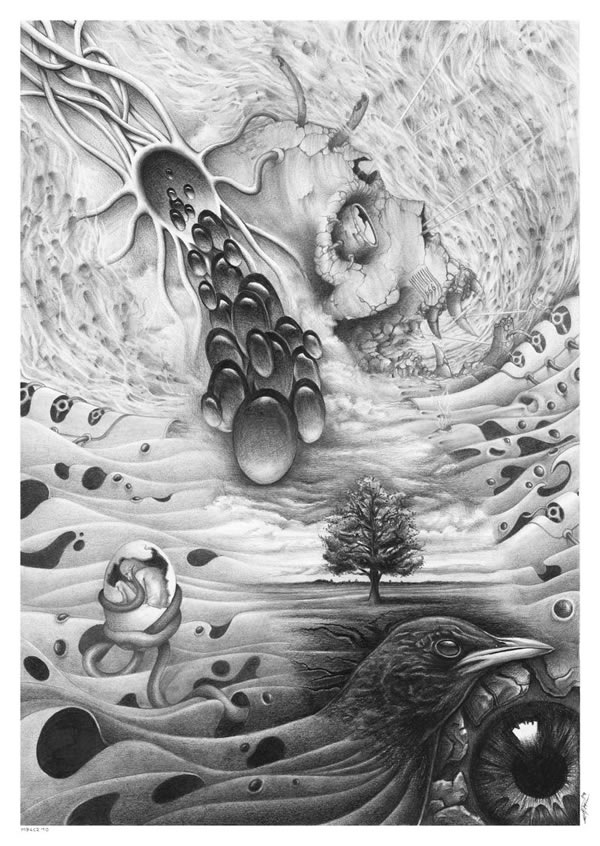
We have already said that for the magus life is a game in which the stake is infinity, and yet it remains a game. As soon as the magus begins to “work,” he ceases to be a magus and becomes a mere craftsman-paffer. Battle is the name of that game, and the game is the essence of battle.
It is precisely the ability to be serious and composed, never forgetting that it is only a game, that is the magus’s flexibility.
At the same time, among contemporary magi it has become fashionable and even “respectable” to get carried away, to turn the Game into a grotesque farce. The slang tricks so common on fringe magical forums are a case in point.
This extreme is by no means better, and sometimes even more dangerous, than the final seriousness of “grown-ups.”
The magus must avoid complete desacralization just as he must avoid pompous self-righteousness.
If excessive seriousness renders movement impossible by its rigidity, excessive derision makes it chaotic. Calcifying in “rules and principles,” the magus loses movement entirely; but indulging in buffoonery, he loses any sense of direction. The result is the same: there is no movement, because in chaotic motion, overall movement cancels out.
Leave a Reply