
Dark Fantasies
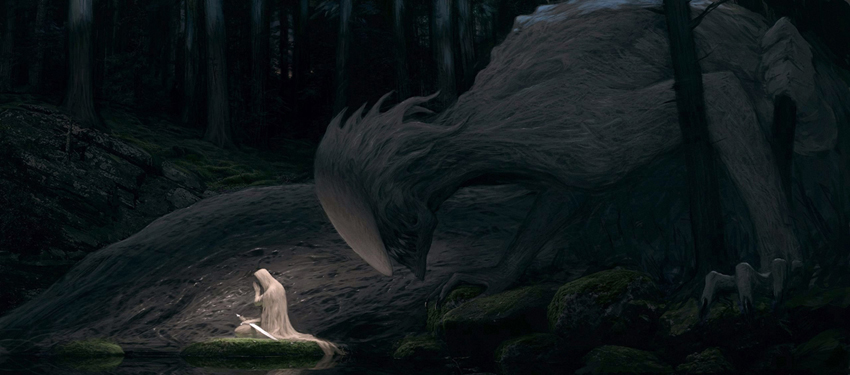
Dissolution and transformation of the shadow is one of the most important tasks on any path of development of the mind, including magical practice.
Since the shadow is not merely ballast, not simply a repressed part of the psychocosm, but a constant drain on energy and a source of destructive impulses, and also the dwelling-place of predators and parasites of the mind, the importance of working with it can hardly be overestimated.
Because macro- and psychocosms are structured similarly, it is entirely legitimate to consider the shadow of the mind as the space where destructive forces arise and dwell, including both the shadow of the soul itself and external manifestations: Lamassu and Demons.
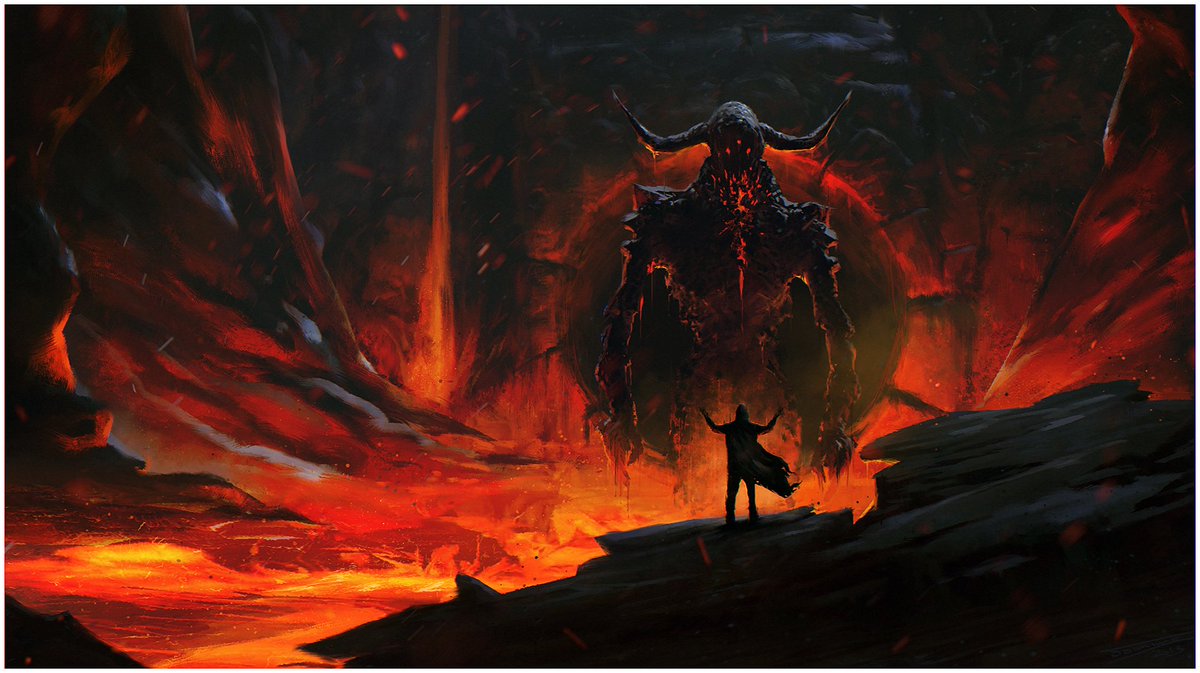
Accordingly, the “cleansing” of the psychocosm — its integration and harmonization — must include all three kinds of purifying work: assimilation, transformation, and banishment.
In other words:
that which is unfinished, unacknowledged — must be resolved;
that which is distorted — must be corrected;
that which is corrupted — must be removed.
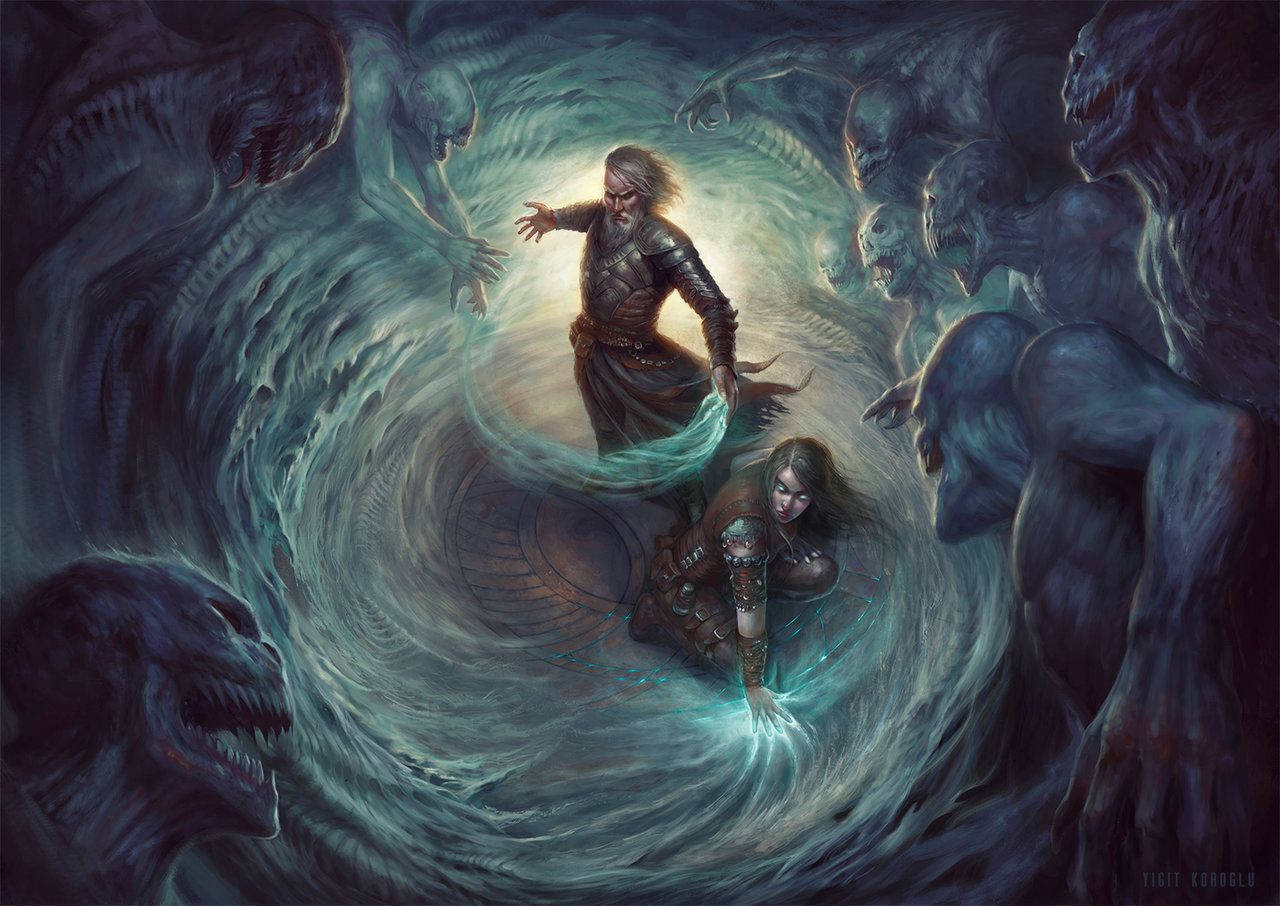
Each of these types of inner work encounters its own difficulties and resistance:
in order to complete what has been repressed, one must acknowledge it to oneself, and it is often difficult to bring shameful impulses into the light;
in order to transform — one must reach the original impulse and return the energy to its original channel, which also requires great inner honesty and persistence;
in order to expel, to banish an alien impulse (often masquerading as something virtuous, useful, or ascetic) — one must loosen attachment to one’s acquisitions.

Strangely enough, practice shows that for travelers advancing on the path to self-realization the greatest difficulty is precisely experiencing the shadow: the face-to-face encounter with it and the assimilation of the principles that produced it. Indeed, faced with dark impulses, destructive urges and “vicious” desires, the developing mind will often try simply to brush them away, to ignore them, refusing to allow the possibility that these “unworthy” components could exist within its “luminous stream.” And here lies the main danger: the shadow becomes “sealed off” like a cyst or abscess, encased in a tough shell that prevents the inflammation from resolving. If such a “shell” is strong enough, travelers can rid themselves of destructive impulses in this life and even attain certain high degrees of sanctity and piety without feeling any inner disturbance.
However, disembodiment inevitably frees the shadow, which will lead to problems both in traversing the interspace itself and in the subsequent birth. It is well known that many saints — tulkus, recognized rebirths in the Buddhist tradition — turned out to be more flawed than in previous incarnations precisely because of a “breakthrough” of a previously hidden shadow.

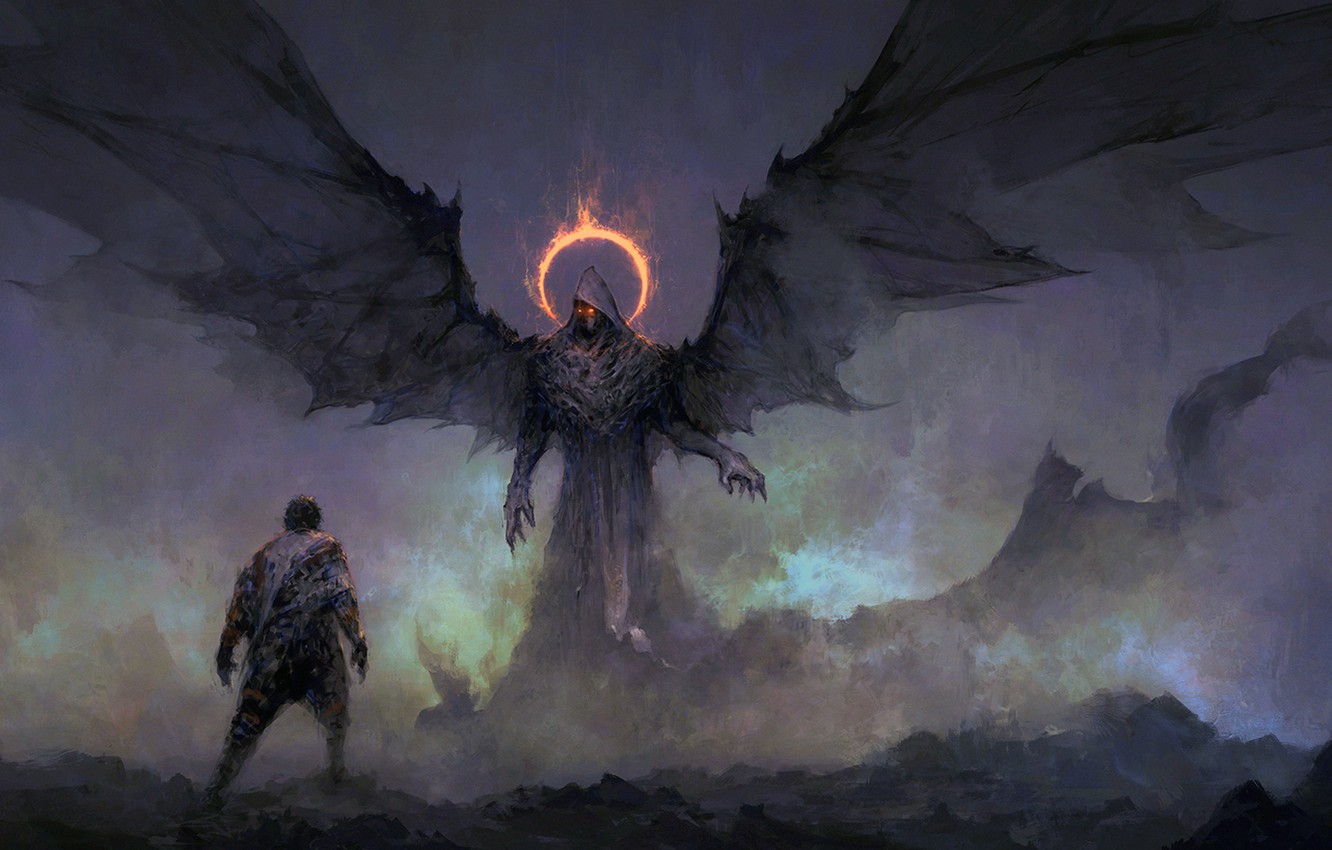
This is why the Magi devoted so much attention to seeking out and analyzing their dark impulses, and why the practices of wrathful deities in Vajrayana are so important. On any genuine path of development, the search for and neutralization of the shadow involves confrontation not only with demons and parasites but also with one’s own dark double.
We have already mentioned that assimilation of the shadow can occur in two ways: 1) its discharge — that is, controlled release — and 2) sublimation, i.e., the removal of the energetic component which is then transformed.
The first method is achieved either by assuming the forms of wrathful deities or by special sexual practices. In the first case the shadow-energy is expelled in the form of destructive visualizations; in the second it is experienced physically. In fact, dark sexual games, strange as it may seem, are often an effective way to discharge shadow energy, although, of course, quite frequently they act in the opposite way — significantly feeding it.
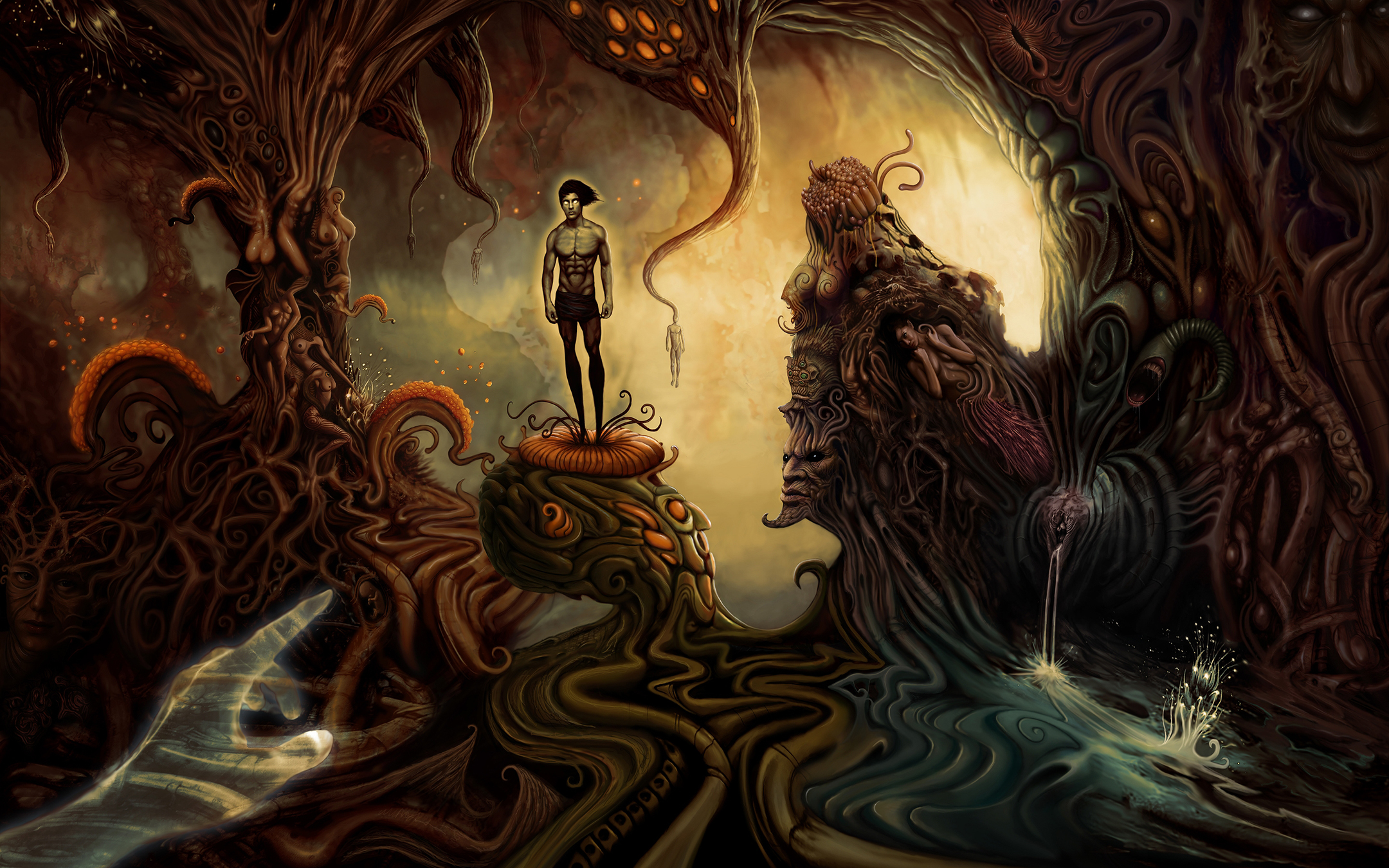
The second method is implemented by deobjectifying the shadow, depriving it of direction and objecthood, and extracting its energy during vision-seeking or competitive rituals. In this process the mind descends to its lower levels in an animal or other lower form and reaches the source of nourishment of the shadow, which is then withdrawn for subsequent transformation.
In any case, a Magus must never brush aside the dark impulses that arise in their mind; they must always be very attentive to them, because no matter how developed and self-controlling they may seem, the effectiveness of any being is never absolute: part of the energy always and inevitably slips into the shadow, and denying this is to create problems for oneself later. Dark impulses must be detected and worked through thoroughly, however much that may wound one’s pride and cause disappointment in oneself.
Leave a Reply