
Belial, Sabazius and Rephaim
The demon of false collectivities, causing energy drain by pitting ‘us’ against ‘them’, of course has many minions feeding on the destructors it creates. A direct “continuation” of the feeling of confrontation and the urge to separate, instilled by Belial, is a shift to distorted social behavior, leading to the malignant transformation of its host into a so-called ‘false defender’ — a repha.
As corrupted social influencers, the rephaim become dependent on forms of social energy that are under Belial’s strong influence. Accordingly, becoming trapped in the Interval and fallen under the power of the Archon known as Sabazios (Σαβάζιος, from the Greek “σέβειν” — “to honor/venerate” — one of the names of the “archon of power,” likened to Jupiter, also Bethor), the rephaim turn into predators feeding on great-power ambitions and, in general, on the energy of inflated state power; therefore it is precisely they who most often provoke wars, annexations, and other ways of pathological self-assertion of groups.
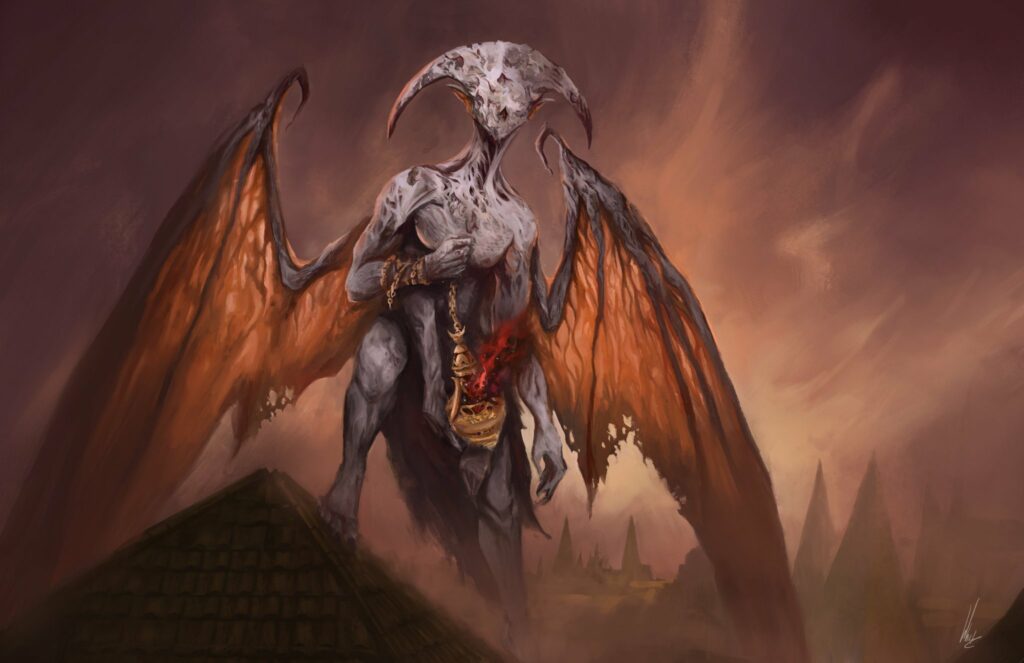
Another favorite way for the rephaim to feed is the distortion of religion: they promote exclusive worship of a single deity, with open hostility toward other cults. It is not hard to see in such influence the influence of Matanbukha as well. Very often the rephaim pose as masters, spiritual teachers, and enlightened beings; therefore even many teachers and opinion leaders fall for their tricks.
The Archon of domination, the King of hatred, and the Dead kings thus make up a triad of the main instigators of social distortions and beneficiaries of those distortions.
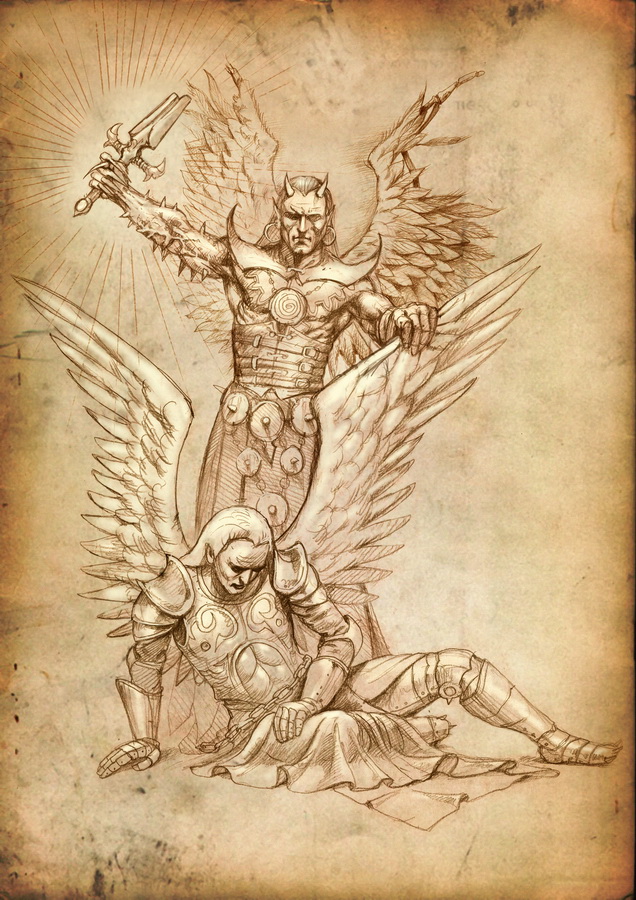
The first sign of such influence is painful reactions to a real or perceived offense of one’s social group — religion, state, corporation — heightened anxiety spilling into intolerance and aggression.
It is precisely this painful intolerance that is a form of energy drain consumed by the predators: Belial and his retinue “consume” the sensual–emotional component; Sabazios and the lesser Rulers of his hierarchy receive the energy of “fantasies” about the superiority of one social group over another, dreams of a group’s ‘greatness’; the rephaim themselves use the energy of aggression, and they endow their subordinate elementals with life energy that drains away during wars, scandals, and other forms of conflict between communities.
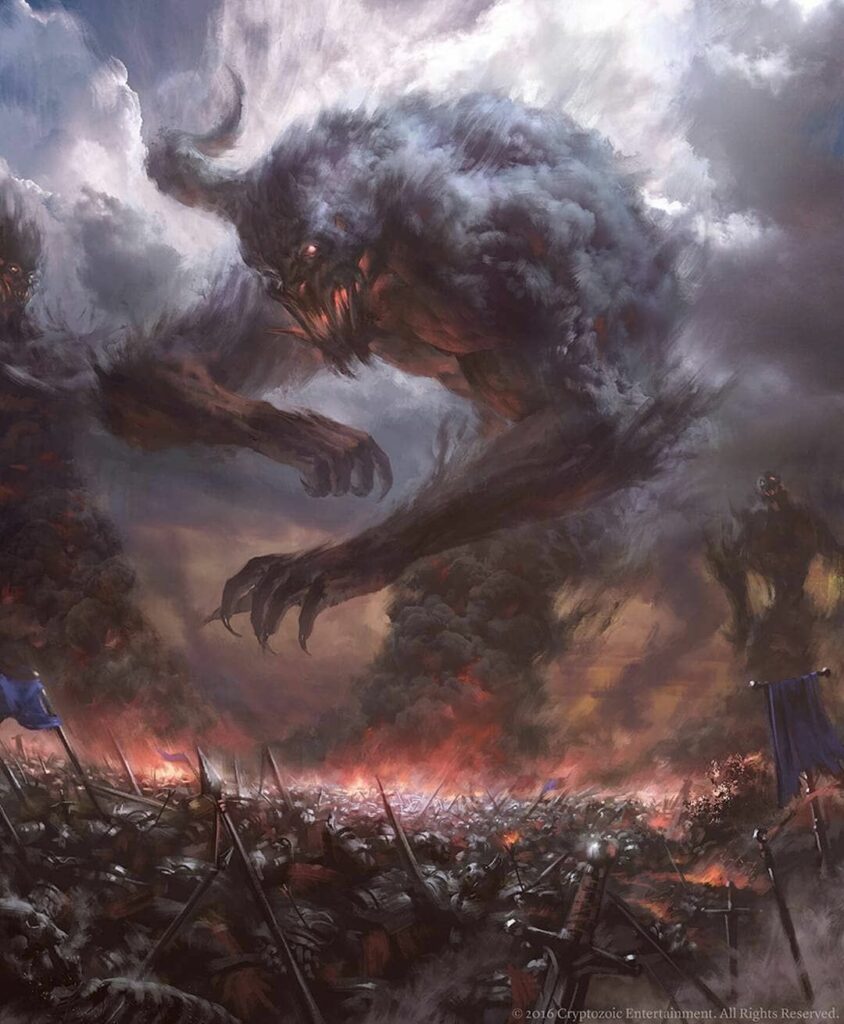
War benefits everyone except its direct participants: on the physical, psychological, and energetic levels, any intergroup conflict always consumes its immediate participants, while both the social “elites” and energetic parasites are the winners, enriching themselves, feeding, and improving their well-being in other ways.
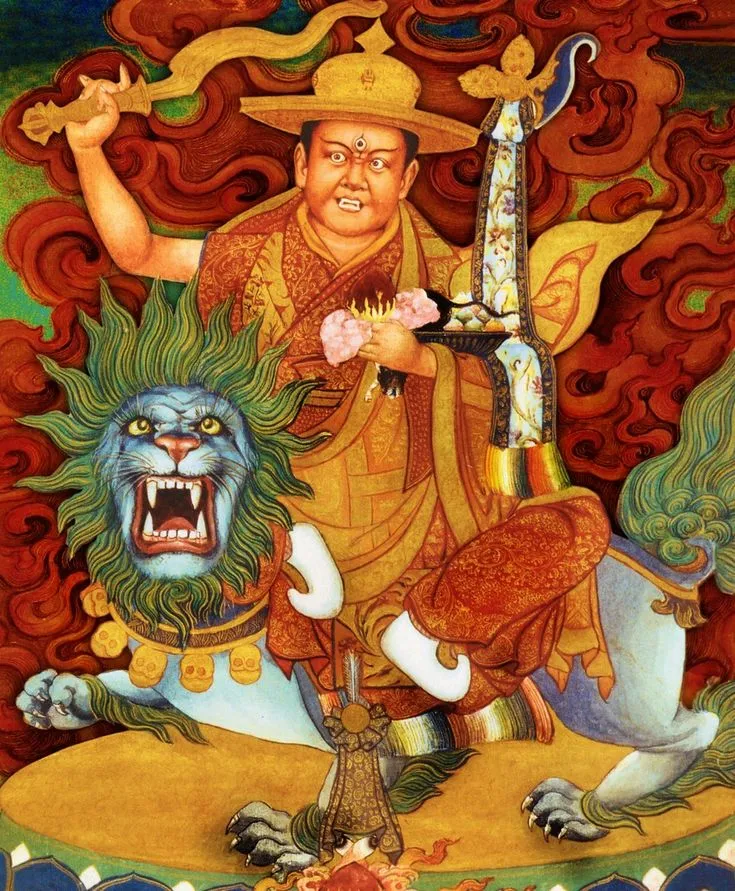
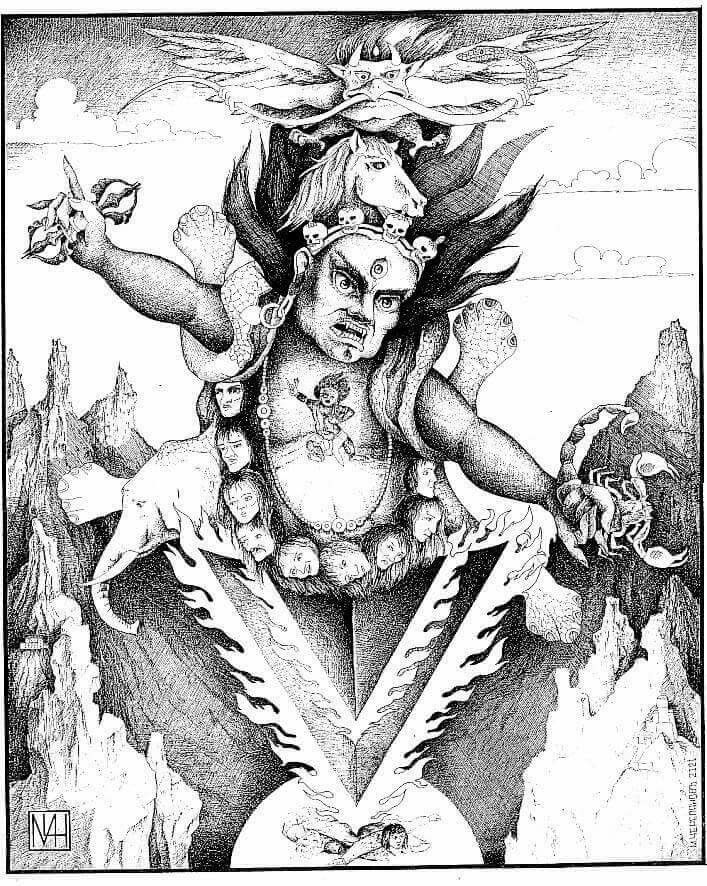
Even when the rephaim, for some reason, do not have a directly harmful effect (for example, in Tibet the guru Padmasambhava imposed obligations on many gyalpo (as these beings are called there) to protect certain places or monasteries), interaction with them increases nervousness, making people irritable and aggressive, because that is exactly their type of feeding. In this sense, the story of the gyalpo Shugden, whom some consider a protector, and who served as a source of many quarrels and conflicts among Tibetans, is telling.
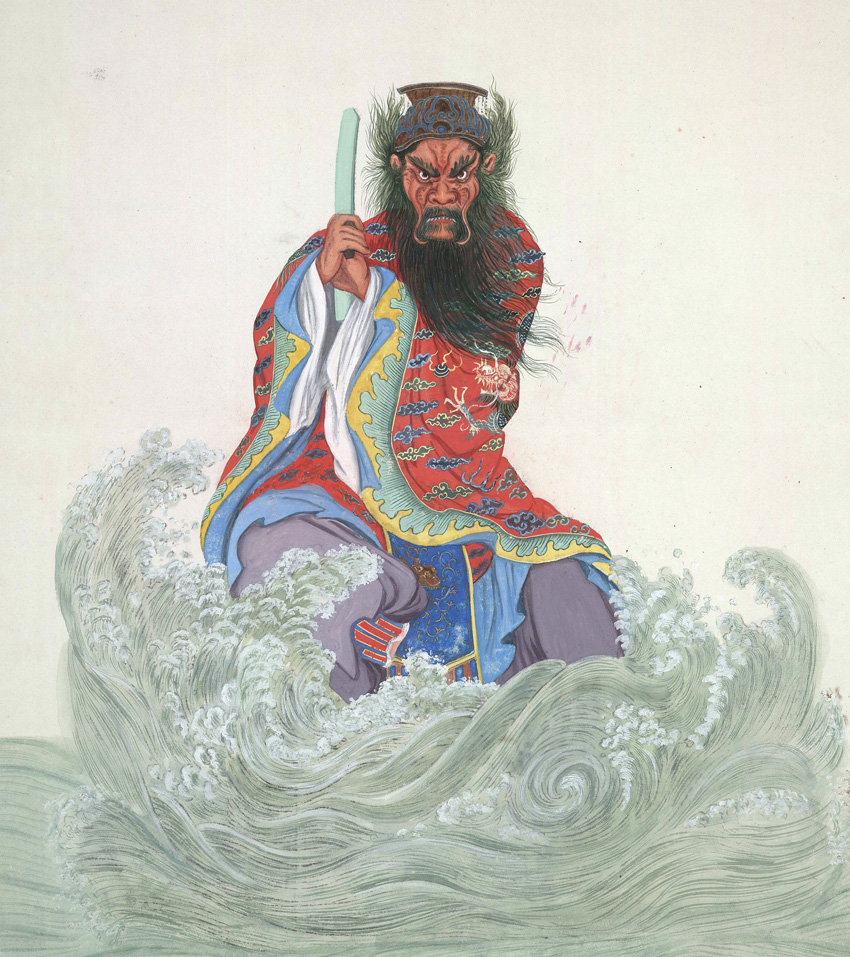
A widespread delusion is revering the rephaim as “national saints” or “teachers.” Of course, they often possess considerable power and wisdom; however, contact with them is never productive, since it always occurs with an “energetic minus.” Moreover, since the energy of the rephaim is necrotic energy, interaction with them is always destructive not only for the psyche but also for the body; madness is one of the most common outcomes of such contacts, and many who received “instructions” from “masters from the other side” ended up in mental hospitals. Support from the rephaim resembles pyramid schemes: as long as such “students” and “practitioners” spend all their energy, time, and diligence on pleasing their “mentor,” and most importantly on expanding his “flock,” he can support them and help them; but as soon as they anger their master, illnesses and misfortunes begin to pour down abundantly.
Both the rephaim themselves and the people under their influence are extremely jealous and capricious; for the rephaim this is a “side effect” of their nature as “hungry spirits” — utukku, and for those who fall under their influence it is a consequence of a drain of life energy. One can say that the rephaim consume the energy of social balance, social adaptability, and group loyalty.
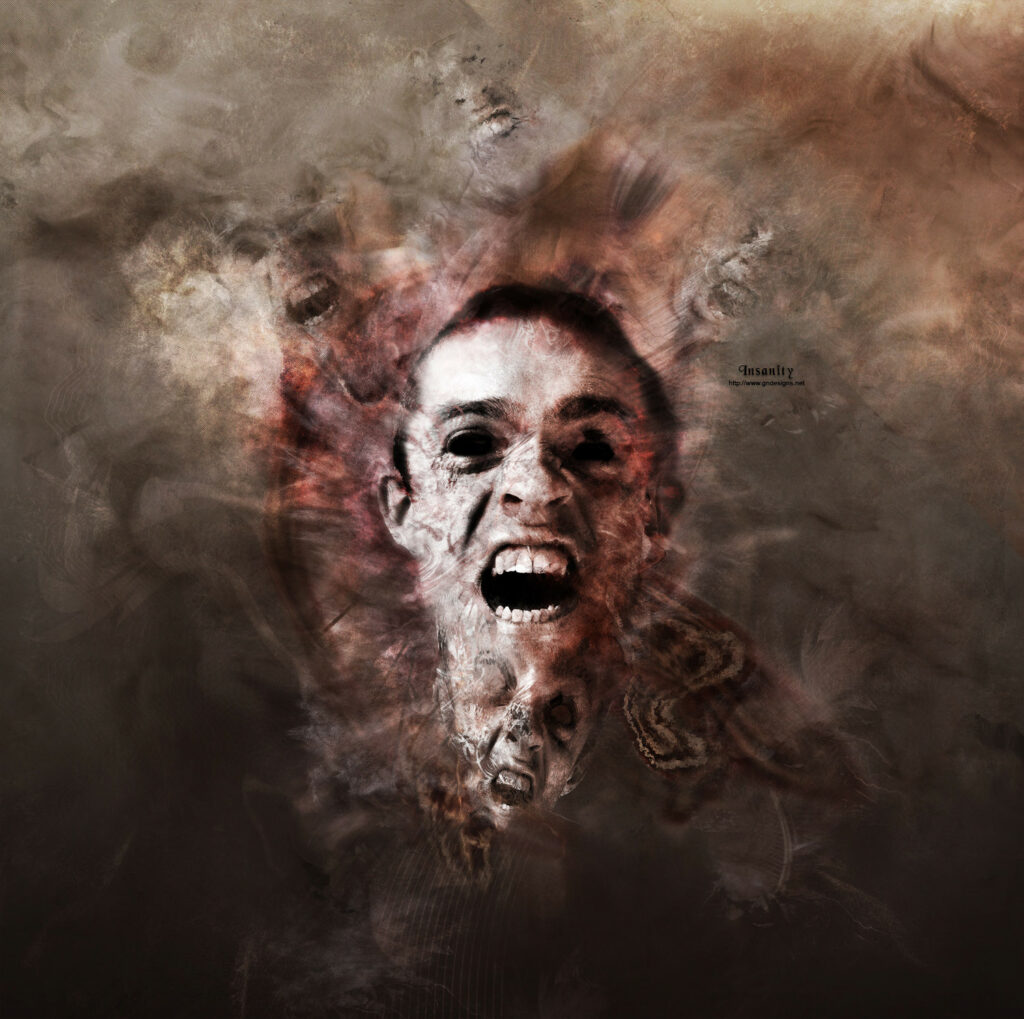
Epidemics of hysteria and madness, often accompanying wars and conflicts, are also a consequence of the interaction of the masses with the rephaim. First Belial instills ideas of “chosenness” or “exceptionality” of a given collectivity, convinces them that others want to harm them; Sabazios fuels them with fantasies of a “bright future,” encourages inventing a grandiose history and a special destiny for this collectivity; and then the rephaim join in, shaking up the nervous system and pathologizing reactions.
No wonder, as a way of opposing the rephaim, it is recommended to activate the proper Jupiterian forces: practices invoking Vajrapani, appeals to Zeus or Dionysus-Zagreus, and similar ways of restoring the right hierarchy of values, non-opposition and non-alienation, can restore balance to the mind.
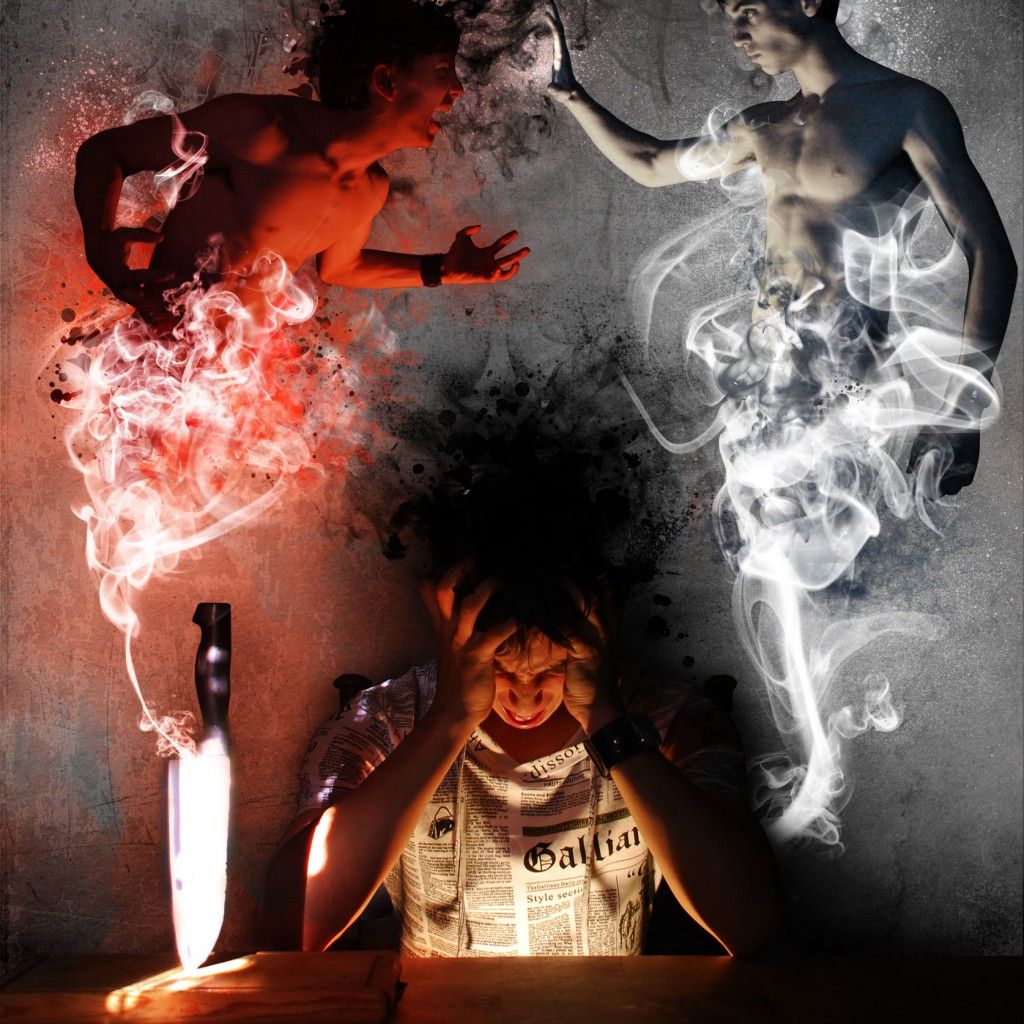
As in the case of opposing Belial, respect for others’ values, love, and compassion also, undoubtedly, have significant therapeutic potential.
As for resisting Sabazios, a sober view of society, a sound study of history, and an understanding of the importance of international, intercultural, and interreligious global interconnections will help.
Hello! Observing the boiling of collective energies of today, it seems very convenient to draw a parallel with the Rose of the World – for example, one can find rephaim similar in description to uitzraor, with their quasi-awareness (unlike primitive egregores) and a set of personal qualities that manifest in the material world on their territory (in connection with the war, for instance, one can refer to the abnormally cold weather in Ukraine often accompanying Russian wars). In theory, such formations are not just pure energetic emitters but rather some kind of balancing force in the currents of global whirlwinds. And it is even more surprising when such things generate counter-whirlwinds. Again, in the example of the war: gathering strength, the Russian whirlwind/uitzraor/rephaim gives adepts a distinctly ‘cold’ energy, on the one hand providing some ‘frosty resilience’, a gloomy but firm resolve, but on the other hand clearly deprives the ‘fiery’ component of personality, completely robbing both individual followers and the entire hierarchical system of creative and purifying energies. And in contrast with the Ukrainian whirlwind, Ukraine boiled precisely with ‘fiery’ energies, although it seemed not long ago that the two systems were in a more or less balanced ‘room’ state. Perhaps, even in the global context, such forces are something like organs that draw certain aspects of world energy activity (if one views the World similarly to Tsiolkovsky, as a single panpsychic organism).
After reading the article, I immediately remembered Daniil Andreyev and his uirciors—the demons of great-power statehood. He wrote that all states that participated in wars throughout history possess uirciors and that there is also a struggle within the state—through revolutions and civil wars, the victorious uircior drinks the power of the defeated. Since their nature is demonic, they equally devour enemies as well as citizens of their own state, seeing them as nothing more than useful units for a time, and this should be remembered by those who serve them. Smaller states that have never been empires and have not been figures in the great world game do not have such demons, which is why people live and breathe much easier in them.
If there is no lung/terma of Vajrapani, can something akin to the exorcising hexagram of Jupiter be used as a counter to gyalpo?
Yes, you can use any method to activate the constructive force of Jupiter.