
Archons and Dopamine
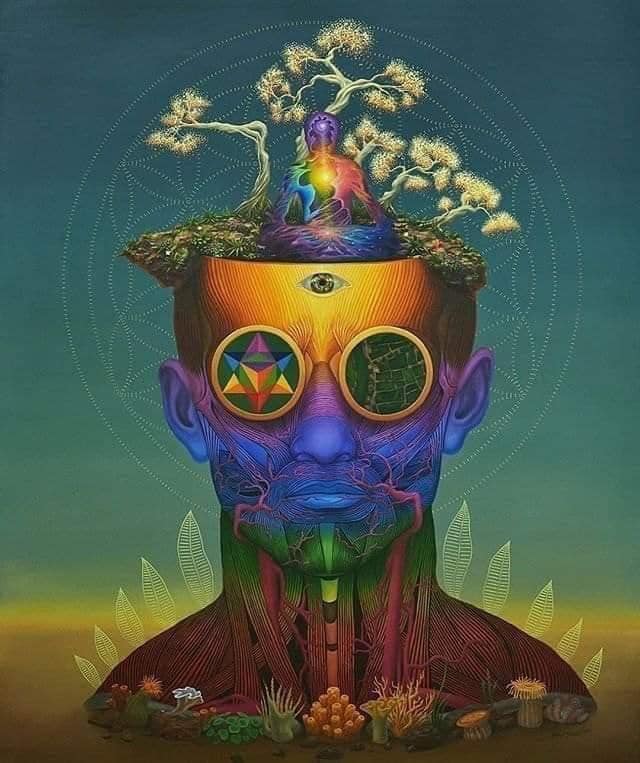
The idea that pull toward virtual reality “grounds,” anchors you in real life, depriving the mind of plasticity and “flattening” it, seems counterintuitive and often prompts objections.
Indeed, at first glance it seems that computer games should “encourage magical thinking,” develop imagination, and reduce the mind’s fixation on material goods.
And this is precisely one of the Archons’ artful traps: what seems “anti‑everyday” is, on the contrary, yet another set of shackles binding one to that very everydayness.

Let’s figure out how this trap works.
Although at first glance it may seem that digital virtual reality technologies are built on stimulating imagination, learning, and development, in fact they are based on a system of simplified reinforcement: the player is kept in virtual spaces not so much for the sake of establishing new neural connections as for the sake of receiving instant gratification, an illusory reward, earned not by “blood and sweat,” not by efforts requiring significant restructuring and adaptation, but by a few mouse clicks.
Thus, in effect, the digital environment replaces social hierarchy with a virtual hierarchy: here an utterly worthless person, incapable of elementary self‑care “in real life,” easily becomes an “alpha male,” a knight and hero trampling villains and dominating the less skilled; and an aunt unwashed for weeks turns out to be a beautiful princess, for whom entire kingdoms fight.
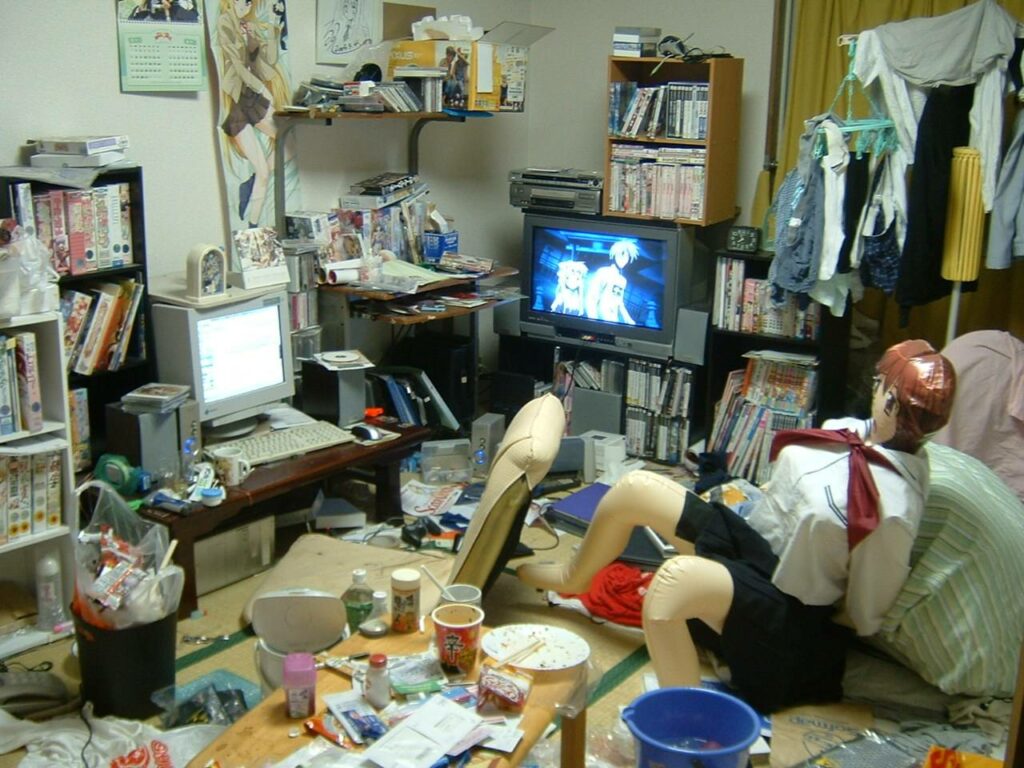
It is clear that in order to truly rebuild oneself, to truly enable the mind for adequate and effective actions, great efforts are required and different resources and regulatory systems must be engaged, whereas what one lacks energy for “in real life” is perfectly handled by electricity in “the virtual.”
It turns out that instead of seeking ways to expand its perception, the mind turns to virtual stimulation, and therefore becomes accustomed to receiving “cheap” reinforcement and does not strive for other paths and modes of functioning.
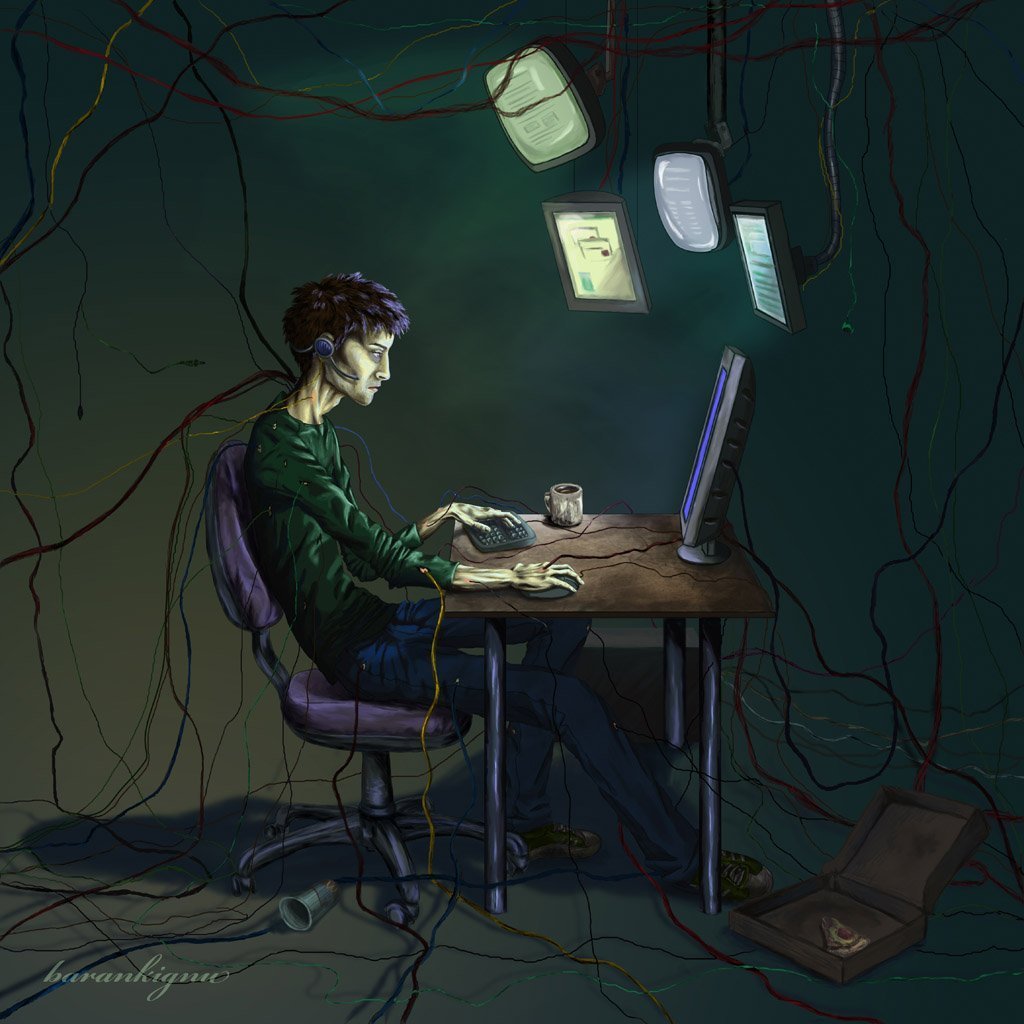
What will a gamer, “grown” to his computer chair, choose — a long journey through mountains and plains, hunger and cold, in order to glimpse through a Portal at other worlds, or pressing the button to launch the game with the beautiful visuals it provides and a dopamine hit? The answer is obvious and easily observed.
Thus, virtual reality is the opposite of Magic; it does not “help” to develop magical thinking, an “expanded” view of reality, but, on the contrary, hinders it by addicting you to cheap but easily accessible imitation.
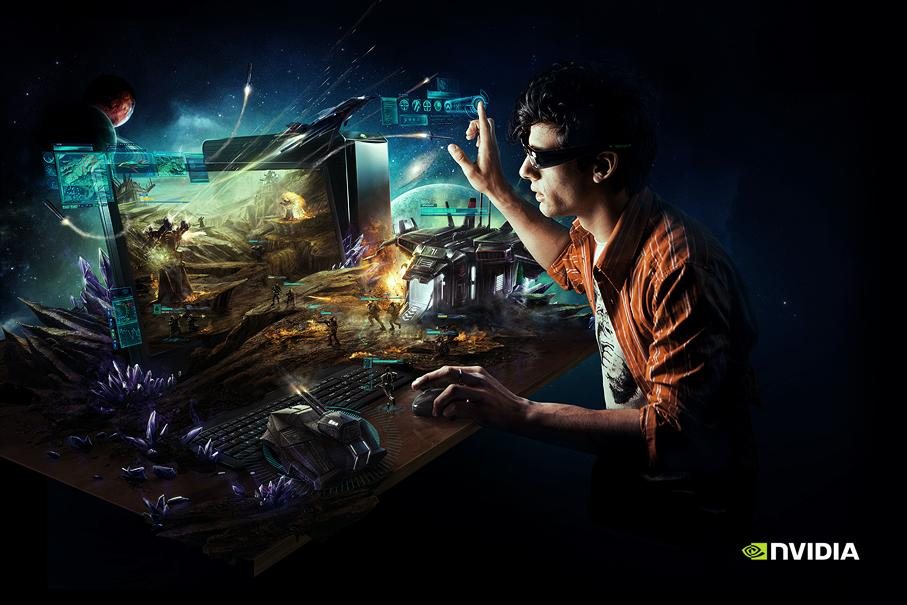
Accordingly, no matter how magical and enchanting the images of digital reality may seem, in fact they don’t take you beyond the boundaries of the ordinary world; but by drawing one away from developing social and practical skills, they, on the contrary, “fix” one in “ordinary” reality: the gamer is dependent on “food delivery,” he needs an income that doesn’t pull him away from dopamine streams, and therefore he creates his own digital products, expanding the possibilities of Heimarmene. Not being adapted to operating in the “real” environment, such a person needs additional life‑support systems, and therefore loses freedom of thought and movement.
Of course, this is exactly what the Lords of the Interval want: a person receives an abundant stream of impressions, easy rewards, but at the same time hardly expends energy, doesn’t try to build stable channels for functioning, jumping from image to image, from script to script, and all these “awakened,” but not really directed anywhere, energies are drained into the Interworld. Thus, two of their goals are achieved: 1) the mind fails to crystallize, does not become cosmic, and 2) energy goes to feed the Fomorians and elementals.
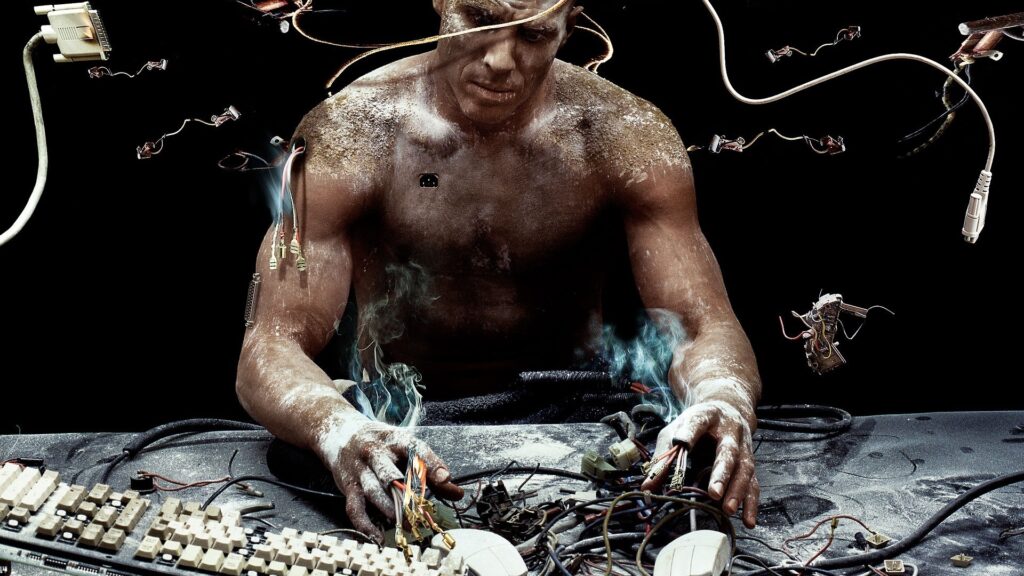
Even past generations of “dreamers,” raised on great fantasy books and role‑playing games based on them, were poorly adapted to real battles and the real search for Power and Freedom because they were captive to an ultimately simplified and “lightened” description of the world and its harsh laws. And therefore, even from this milieu, successful Magi rarely emerged. In the modern situation, there are incomparably fewer such opportunities.
No matter how comfortable the digital environment may be, no matter how inevitable its expansion may be, it is important not to lose the connection with reality either: to develop skills of operating in “boring” actuality, to be able to sustain prolonged, often fruitless efforts, to train the mind to endure blows and falls, for pain and for the necessity of walking through darkness.
Only such a tempered and adaptive mind is capable of withstanding confrontation with predators, not playing by their rules and not providing resources for them, and, perhaps, going further than a simple “escape from the coop,” and reaching the heights for the sake of which it “dived” into the conditioned world.

I started like everyone in the article. Then I realized that these are false goals and a waste of resources. I began to study spaces and possibilities, reached the management of large groups of people, strategic planning, then this grew, now I study social models of various groups, mass psychology, without active interference.
Saen, the point is that your training relates to magic indirectly. The magician studies the politics of forces, and it differs from human thinking. No one says it, but a magician gradually loses humanity over time. This is one of the sacrifices we make for choosing this path.
Yes, I agree with you. At first, I observed people, now I observe forces. No matter how cynical it sounds, ordinary people are very little different from those moving in the same flow. With their private, little influential features. Destruction doesn’t interest me; I direct my activity toward maintaining balance. Generally, where I observed destructive forces, they gradually fade away, but with them, the activity decreases significantly.
If one pays attention to the main motive, a red thread running through the majority of all games – it is destruction and annihilation. This behavioral pattern is implanted into consciousness, but controlling it later requires time.
And if a person does not get stuck in the virtual, but creates digital products (products with applied functionality, not entertainment), how does this affect the programmer in particular and the world in general?
It depends on the motives and energy invested. If a person creates a product that helps in enslaving consciousness, then they are, in fact, an accomplice of the enslavers.
Hello, dear Enmerkar. Allow me to ask you a question somewhat off-topic, but regarding interaction with Archons. In a half-dream, I found myself in some space. The picture: I am standing in a place familiar to me from reality and watching, as cows come from afar. They are ugly; one is a Siamese twin with another. I realize I am still with a crowd of people; it’s like a tour, as in a zoo. Ugly Siamese horses come out. One suddenly finds itself right next to the wall of the house beside which I was standing. It leaned against it because it was standing on a very long and massive bone covered with white skin. This creature was about 3 meters tall, with two horse heads, a small single body, human muscular arms, and an enormous, towering bone instead of legs. I was in front of the crowd and stepped forward. I touched its bone on which it stood. It turned out to be hairless and warm, like a living being. This ‘horse’ grabbed me by the hand and hugged me. It came to the understanding that these uglies are the offspring of human suffering and pain. Suddenly behind me stood a being with a harmonious human appearance. The word ‘prince’ came to mind. Yes, it was felt that this was some authoritative being for that space. He let my hair run through his fingers as if exploring me. He said I had interesting hair and that the ‘horse’ liked me (which did not make me happy at all). I felt no danger from this ‘human’ and no creeping sense of deception. But upon waking, all the feelings and disgust remained with me, even the warmth on my hand from the ‘horse.’ And in my still half-awakened head came the thought: ‘He will teach you’ (about this ‘prince’). Time passed, but this experience resurfaced. As someone with experience, I would like to consult with you. Is it worth believing this ‘prince’? What can he teach? I wouldn’t want to get caught up.
Hello. I would generally not advise interpreting dreams literally. The Interval is not a space where one can talk about causality and certainty. Accordingly, it needs decoding, which requires understanding the individual language of each subconscious.
You cited the Dark elves as examples of those who fell for the Archons’ strategy. What about the Light elves? How did they manage to fend off?
The Light elves also did not particularly ‘fend off’. Their relationships with the Progenitors are generally more complex.
Good evening. The topic of dreams is very interesting. Your quote ‘I would generally not advise interpreting dreams literally. The Interval is not the space where one can speak of causality and certainty.’ I saw the Valknut for the first time in a dream. They said about it – either the Beginning of Beginnings or the Beginning of the World, but the very word Valknut was not mentioned. I later found it by googling ‘three triangles’. Does this experience indicate that literal perception can sometimes be? Or is it something else? And what does it mean if you keep finding yourself in the same place in your dreams? Shouldn’t that require some certainty?