
Zhunbo and Abara: Demons of the ‘Sacred’ Places
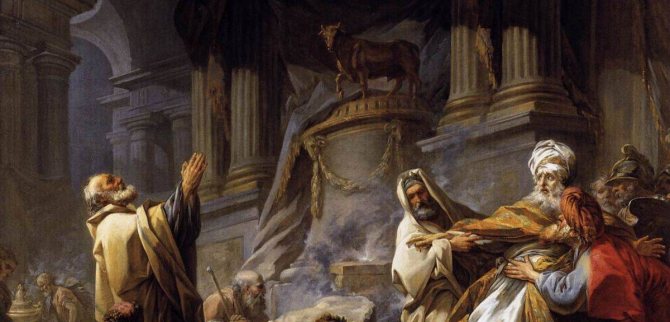
We have already noted that, from the standpoint of magical worldview, any force or energy needs a carrier or medium.
At the same time, what is important is the correspondence of the force to its “vessel,” as well as ensuring the conditions for establishing and maintaining contact between the force and its conduit. If the idea of the importance of initial contact is usually quite obvious, then the notion of the need to constantly maintain it is often overlooked.
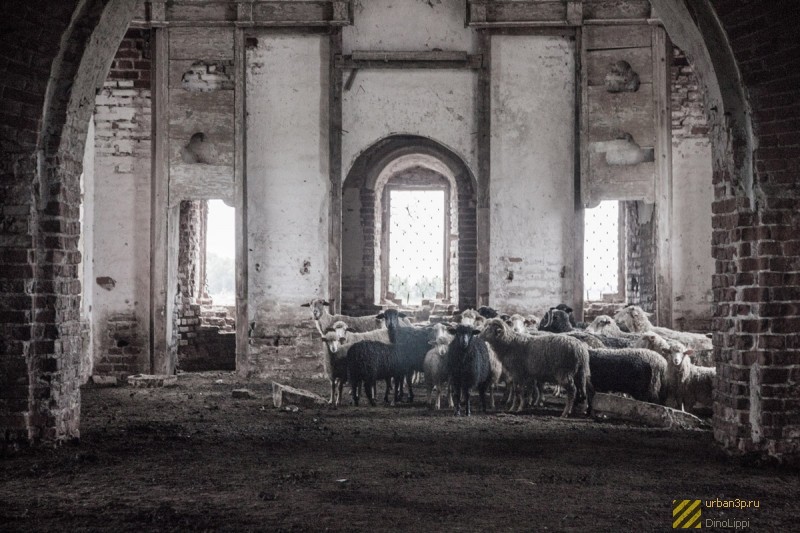
At the same time, both religious and magical traditions insist that any place or object of Power, deprived of the necessary attention and care, does not simply fall into disrepair or decay, but often becomes its opposite, becoming a source of evil and destruction.
Even biblical texts called this effect the “Abomination of Desolation” (Heb. מְשֹׁמֵם שִׁקּוּץ , Ancient Gk. τὸ βδέλυγμα τῆς ἐρημώσεως), and this phrase occurs in the Bible four times. The Jewish tradition associates this phenomenon with a special class of “goat-legged” demons — seirim (שעירים), belonging to the retinue of Azazel and usually inhabiting barren places, deserts, but especially preferring all kinds of ruins, where they “finish eating” the remnants of energy left by former inhabitants.
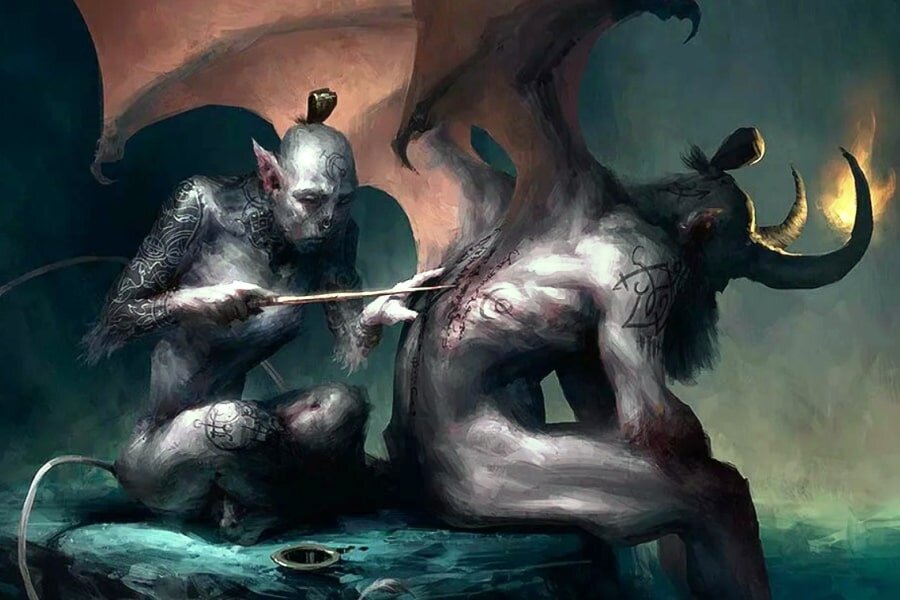
The point is that, for religious places and objects of worship, what initiates and maintains the link between the force and its carrier is precisely human intention and human attention; as soon as this attention weakens, the vessel “empties,” and the residual energy remaining in it attracts predatory entities who, first, consume what has been scattered and, second (and this is far more important and dangerous), use the vessel for their own purposes, provoking energy outbursts in those few people who, in one way or another, come into contact with it.
There are many historical examples of “demons” (in reality — most often hungry elementaries) that “settled” in temples or sacred images and, speaking on behalf of a god and demanding worship, were fed energy.
In Tibetan Buddhism, a special category of such spirits from the class of “mar” (Tib. dutu) was also singled out; they were called “zhunbo,” and they likewise favored inhabiting abandoned monasteries, statues, or stupas, “turning” people away from honoring buddhas and gods and inciting them to immoral acts.
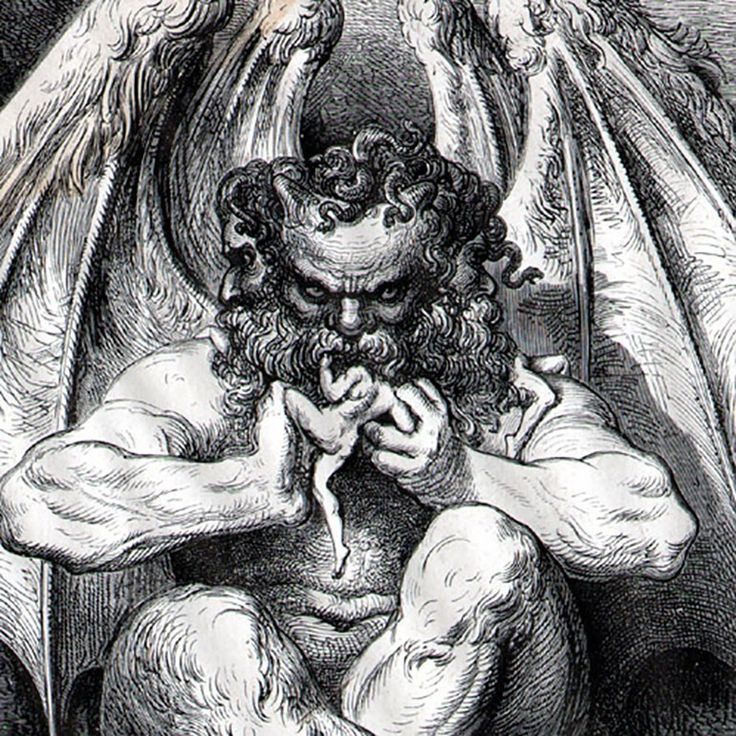
An interesting category of such invaders is made up of the so-called “Abaras” — the “church devils” of folk black magic. It is believed that Abara dwells in sacred places where sin and religious violations occur. This being embodies darkness, seeks to destroy spiritual purity, and aids sorcerers and witches in their evil deeds. His role and the name’s origin reflect this, deriving from a root meaning ‘struggle’: the name “Abara” derives from an Old Slavic root connected with the verb “to fight” or “to create obstacles.” This reflects well the essence of the spirit, which acts as a force opposing light and righteousness. Abara is not merely an “observer” of sin, but an active agent striving to destroy spiritual harmony and devotion. His nature is an eternal struggle with the good that should be present in a church; he manifests only where his actions are possible — where sin is present.
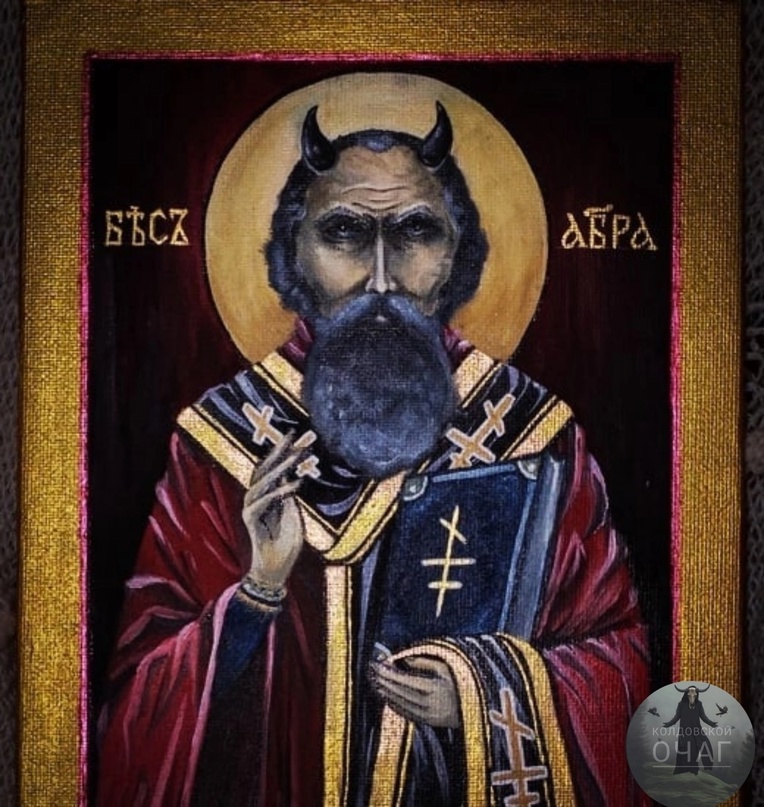
Thus, Abara dwells not in every church, but only in those where divine laws are violated. He prefers places where spiritual purity is breached and derives power from parishioners who visit the church without sincere devotion. People who attend church merely out of habit, without sincerity and spiritual earnestness, become a source of energy for Abara.
Abara is especially strong where black magic rituals are performed. His presence is amplified in sacred places that are subjected to desecration through sorcery and evil rites. He acts as a helper of witches and sorcerers, assisting them in dark deeds, feeding on their energy and sustaining their power. In this sense, his purpose is to facilitate dark magical rituals, undermining divine order and harmony.
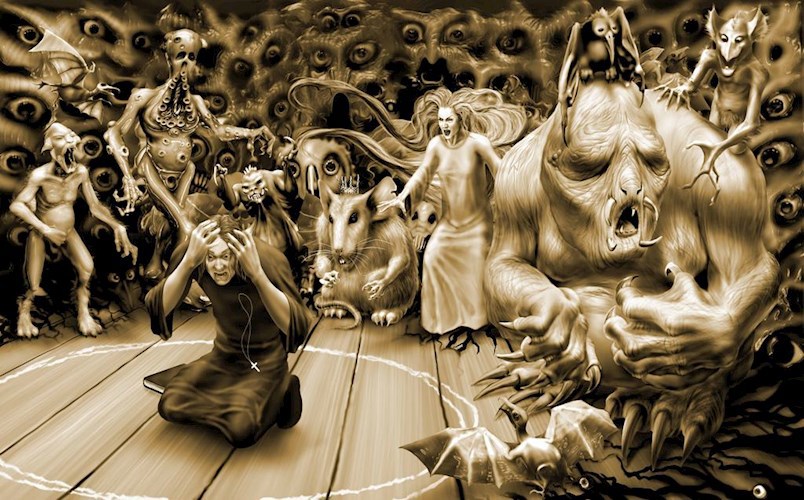
Thus, Abara is a force acting through the sin and vices that people bring into the church. He cannot affect truly righteous churches, where priests and parishioners are sincere in their faith and follow God’s commandments. But where righteousness gives way to hypocrisy or sin, Abara becomes a powerful spirit, creating chaos and feeding evil.
All these examples show that religious and magical objects left without proper attention can easily become a source of evil and destruction. Therefore, when restoring their use, it is necessary to perform cleansing rituals even if there are no visible signs of desecration.
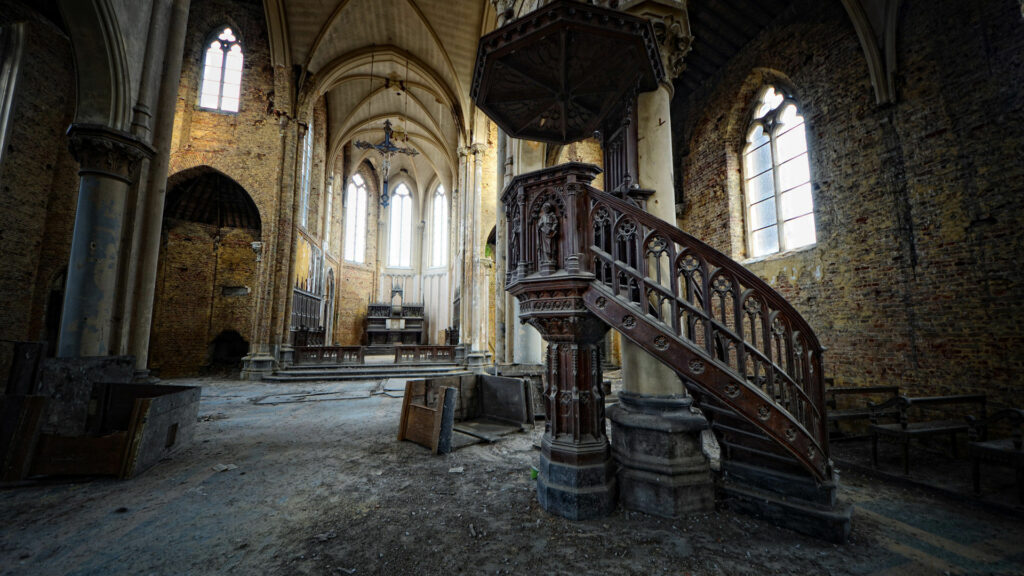
In Slavic demonology, there is a group of demons collectively called ‘buryuk.’ It is believed that buryuks live in abandoned buildings left by people (any – not necessarily religious).
I saw in a monastery that had long been closed an icon with unsettling eyes, right opposite the place where the ‘heaviest’ parishioners stand and pray. Back then, I thought I was imagining things. It turns out that such things do happen. I saw a possessed person among the congregation.
In our city, a beautiful cathedral of the Iver Icon was built. It took a long time to construct. Monks from Athos came to consecrate it. Priests were directed to the temple from among those close to the high clergy. Everyone had visited there, so I decided to go. I see such a scene as if from Bulgakov – the clergyman conducting and leaving while the parishioners sing the Our Father. And at that place, a horned figure appears and conducts the congregation. The lighting changes and the sound of the singing becomes rattling. I ran to my old wooden church and no longer go anywhere.