
The Magus’s Destructions
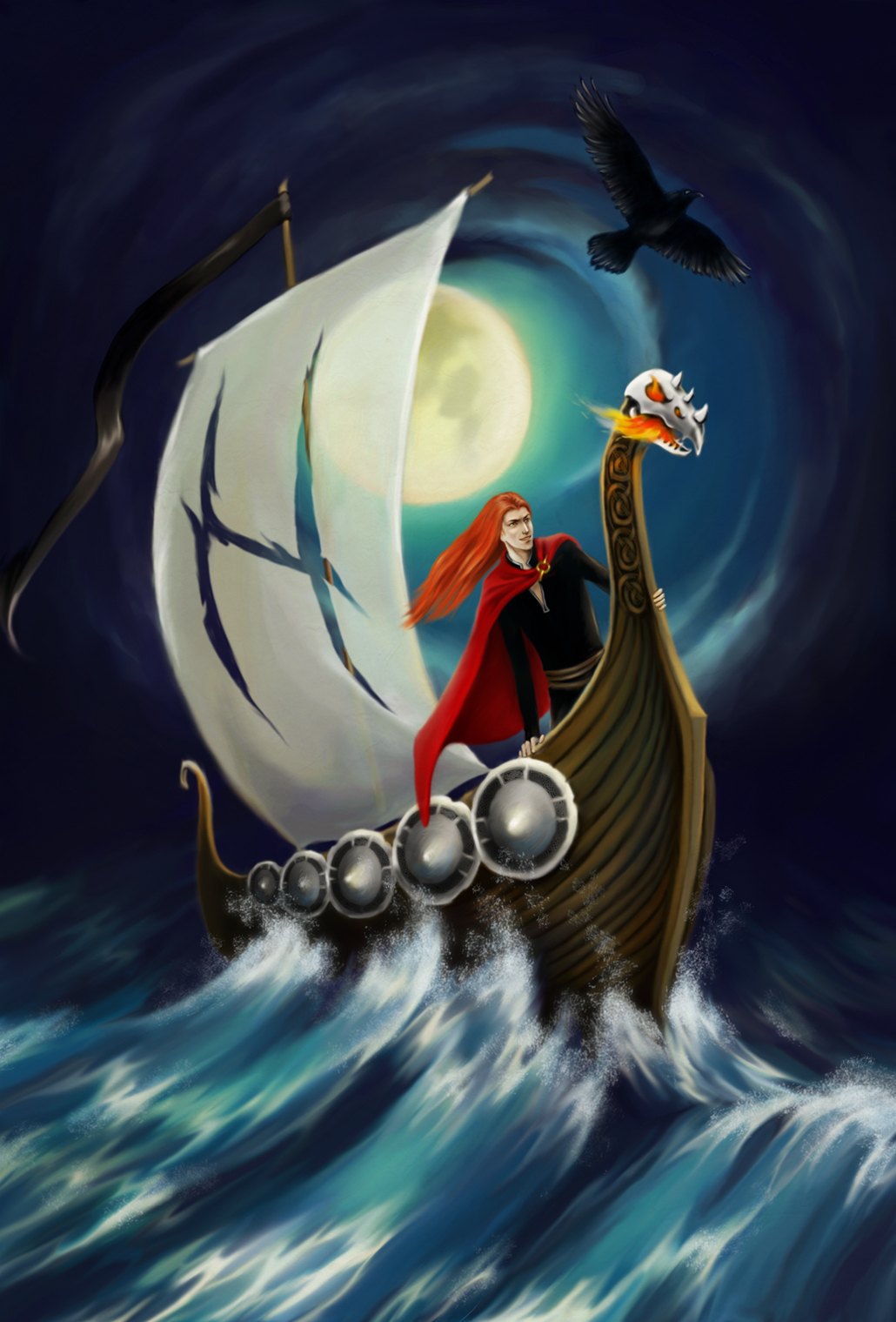
The development of awareness — whether considered on a micro- or macrocosmic scale — includes two distinct periods: creation and destruction destruction.
Great gods-destroyers — Loki, Shiva, Semargl — are also unifying gods, and it is precisely their destructive activity that is a necessary condition for creation. No wonder, in Einstein’s words, the dancing Shiva-Nataraja is the finest iconographic image of God.
The principle of Fire, expressing the same idea, is equally ambivalent — it both warms and scorches, provides nourishment, yet can also destroy possessions. The Hagalaz rune likewise crystallizes this idea.
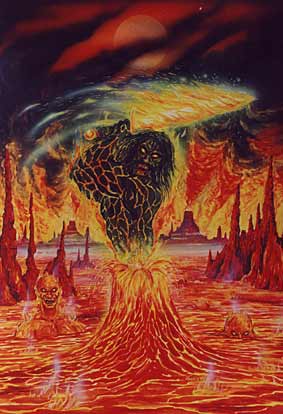
We have often observed that the development of any system proceeds in a zigzag pattern, and the accumulation of elements periodically requires substantial reconfiguration that cannot occur without severing some links within the system — which, in effect, involves partial destruction, freeing space for further creation.
At the same time, it is crucial to distinguish such “constructive destructions” from destruction in the strict sense. The line between them is very thin and sometimes hard to perceive, yet it is decisive. Without awareness of this line, destruction easily crosses the threshold and turns into Qliphothic death for the sake of death.
Where, then, is this threshold to be found? It is usually thought that it all comes down to the goal — why the destruction occurs: for further creativity, or for destruction’s own sake. Yet neither Loki, nor, still less, Shiva, in their destructive acts contemplate future creation, although it nevertheless inevitably follows. This is the difficulty: “constructive” destruction potentially contains creation, while purely destructive acts are deprived of such potential. If Hagalaz is, properly speaking, hail, then potentially it is life-giving water; but if it is stones falling from the sky, they bear no vitality. Similar potentials can be discerned in every action of Loki — even Baldr’s death hints at rebirth after Ragnarök.
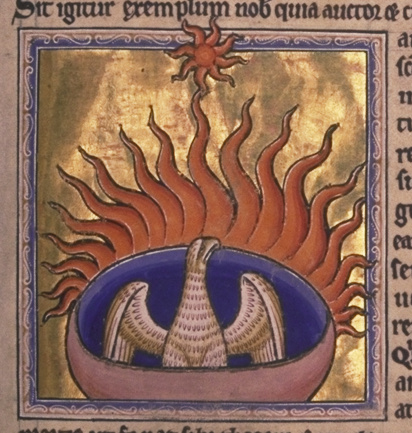
In other words, “constructive” destruction is always lawful; it is the natural and logical continuation of the process. Moreover, the refusal to allow destruction in such a case is itself destructive — it leads to degeneration, to the system’s decay.
At the same time, if destruction does not follow from the development of the system — if it is arbitrary — then it is merely destructive.
It is very difficult to trace the dynamics of a system’s development well enough to decide unequivocally whether the time for destruction has come. Many temptations attend such decisions, but avoiding it means resisting the inevitable: what has outlived its usefulness will collapse anyway. The question is only how safe that destruction will be for those around it — for, unlike a rapid collapse, slow decay is dangerous because it can spread to neighboring systems and domains.
No less a problem is the “purity” of destruction — it must not be timid or halting; like any battle, it must be final and irrevocable, allowing no retreat.
The Way of the Magus is the Way of such leaps, initiations, transcendences. And every battle of the Magus is not only creation but also destruction.
Therefore it is crucial for the Magus not to cling to worn-out forms, ideas, and concepts, but to find within themselves the strength to destroy the familiar worldview — so as to be able to rise to a new level of development. Without this, he risks suffocating in a cramped, overcrowded system that has lost its harmony and freedom.
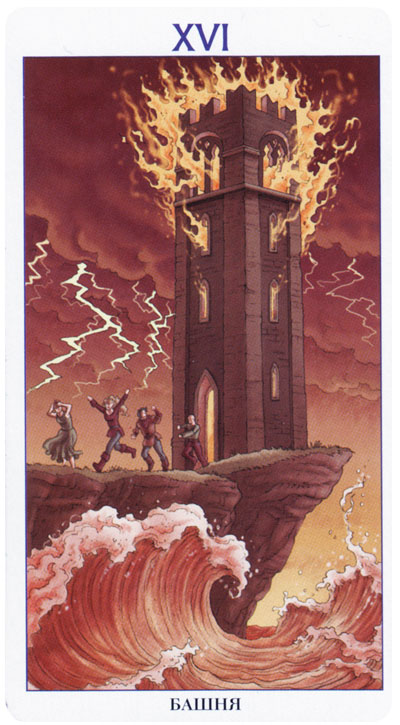
Sometimes you cause destruction quite naturally and powerfully simply because you cannot help but do it. It’s like an element. And you have no doubts about its rightness and necessity. But creation must follow in response. And it already happens with one’s own efforts. With one’s own labor. And it is no longer a sudden surge of the element, but small steps—step by step. Often difficult and slow. Is that normal? Or should mature creation also come as a breakthrough, elemental, as if prepared?
If destruction is elemental, then creation must be inspired. This is a binder that is realized only when its poles reflect each other most fully.
Here is the translation to English:
When, climbing the Tower, she steps on her dress,
And the fine brush in the satin catches on the joints of the railing,
With each step, the heart binds her forever,
And with each step, the heart says goodbye forever.
When she dissolves the heavy old doors
And takes a step onto the roof where there are neither cats nor birds,
When she touches the strands and stands still
Then you will see the wind in her darkened eyes.
Tower = catapult. It’s been a long time coming.)))