
The Magus in the Thick of Events

The Western Magus has never been a monk fleeing from life; on the contrary, he has always met his battles where they found him, understanding that his Way, his destiny, lies in the overcoming obstacles, not in avoiding them.
Whenever the current situation becomes unbearable and the temptation to leave is almost irresistible, the Magus must find within himself the courage to answer honestly the question – is this battle his battle, does it follow from his previous actions, and if the answer is yes, he is obliged to stay and fight, since fleeing from one’s battles means accumulating unfinished business, and therefore – increasing the burden and reducing the effectiveness of the Way.
Nevertheless, for the Magus it is very important not only not to flee, but also to not become absorbed in activity, to participate without being consumed by it.
The Magus understands that, by avoiding battle, he flees not only from possible defeat but also from victory, and thus from Power.
At the same time, he must not forget that activity contains a powerful destructor: by plunging into battle, the mind may dissolve into it, and the Magus may be transformed from “a Magus immersed in battle” into merely one of the elements of that battle.
Put differently, activity itself can be a narcotic, imitating life but not the same as it.
Therefore, however great the warrior’s commitment to battle, there must always remain in him an element of control, detachment, without diminishing dedication, yet standing guard over the integrity of the mind and preventing the personality from becoming a mere sum of its actions.
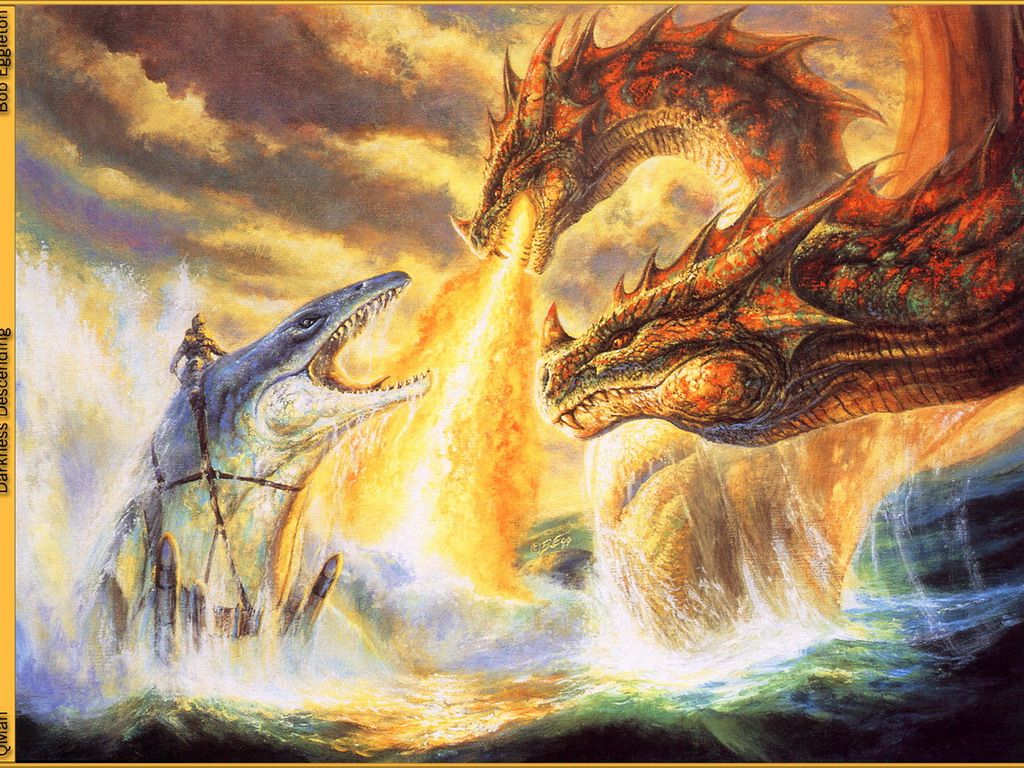
This is a very fine line – to be in the thick of events without looking around, and at the same time remain whole.
Like a seabird that dives into the deep water for fish yet remains an air-dweller, its oiled feathers prevent it from getting wet and drowning. The Magus, plunging into the turmoil of life, remains separate from it, always understanding who and where he is.
And this does not mean that the Magus “pretends” to act. Although he regards actions as an illusion, he treats them with the utmost seriousness, resisting only their dissolving effect.
Being fully immersed in action, the Magus never becomes a slave to that action and can always leave it if his impeccability requires it.
It is precisely such a battle that becomes a quest for power, leading to an expansion of awareness and victory over the limitations that stand in the way of the full realization of one’s potential.
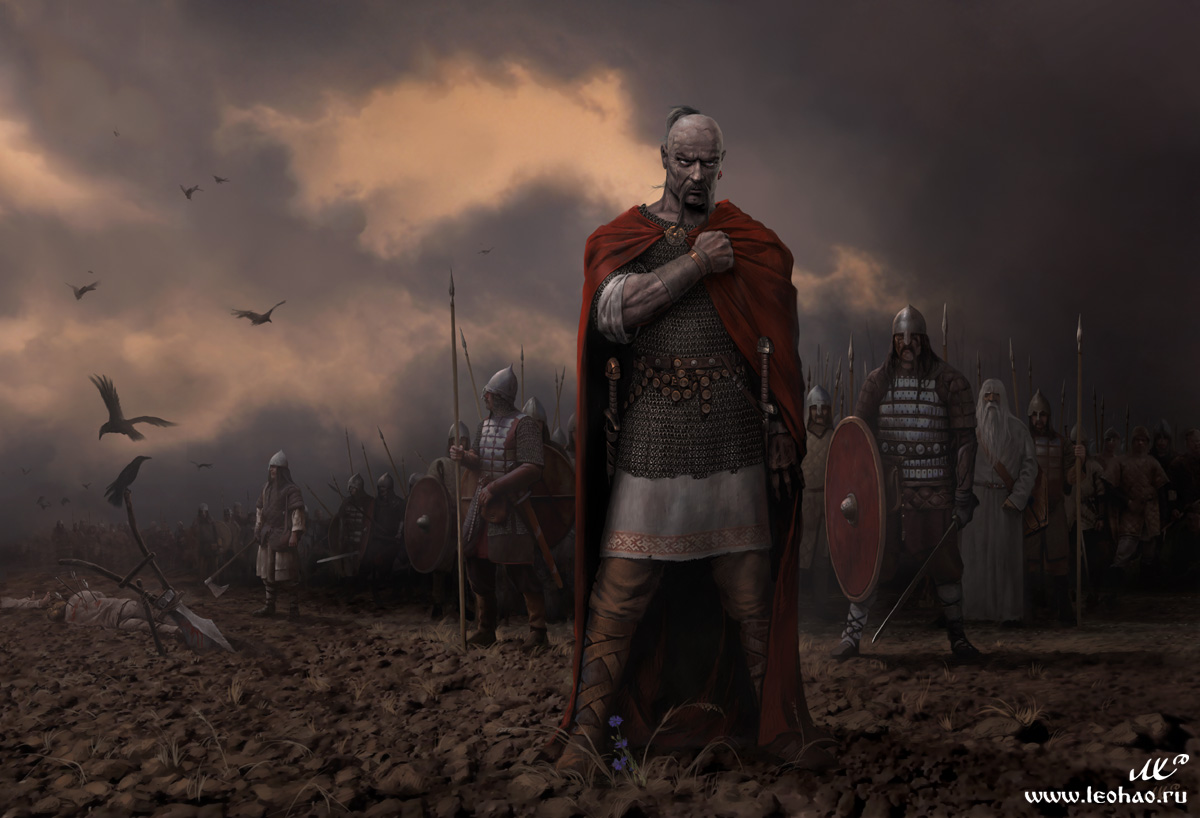
The thicker the events, the more skillfully the opponent reminds of themselves. An event or silence that the Magician relates to the opponent and/or battle is a clear signal that it is time to choose.
Hello.
Control and detachment directly depend on the depth of the magician. The more rooted a magician is in themselves, the thicker their roots, the more centered and balanced they are.
In other words, the more light of awareness is in a vessel, the more protected and calm the magician is.
Having a lot of light within is one thing (let’s say a person received it at a power place), but being able to protect that light within is quite another.
As far as I understand, we lose our brightness when we excessively step out of ourselves—excessively love, excessively hate, excessively pity, excessively rage…
It turns out that we are protecting ourselves with the Light, which, in turn, we must protect with that same Light…(that’s how it twisted…)
It’s hard to find words… but I will try to formulate the question this way:
What methods do magicians of the western tradition use to protect their light within themselves?
Do they replenish it in a protected place through meditation, contemplation, breathing practices like eastern mystics, or are there other western practices…
I understand that this question cannot be answered… but perhaps there are simple practices (“levers”) that can still be talked about…
(And also—when will a forum appear? Or if it exists, please send the link)
There is no such thing as ‘excessive love’. Love provides self-replenishment and self-knowledge.