
Tears of the Magus
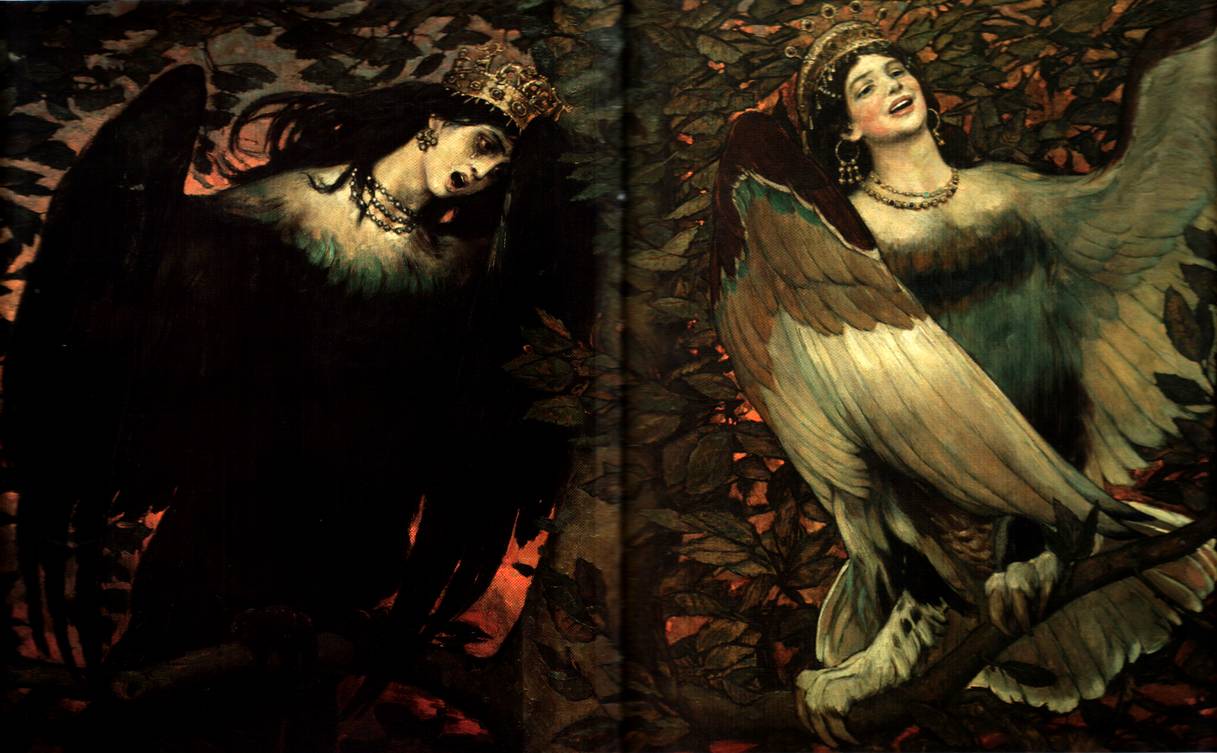
Although the Way of the Magus is the Way of the warrior, one must not be left with the impression that this warrior is an emotionless, indifferent ‘iron man’.
On the contrary, the Magus is overwhelmed by passions, and his passions are on a cosmic scale. Being a microcosm in the true sense of the word, the Magus embodies both the universal harmony and the universal drama.
His joy is the joy of a newborn supernova, and his sorrow is the endless longing of a black hole.
And, just as the magus’ laughter reflects an excess of unused forces, a lack of power is expressed in tears.
Since the perfect realization of one pole of a binary system is impossible without an equally perfect realization of the opposite pole, only someone who can truly grieve can truly rejoice. And, just as the feeling of joy reflects a state of fullness, sadness echoes emptiness.
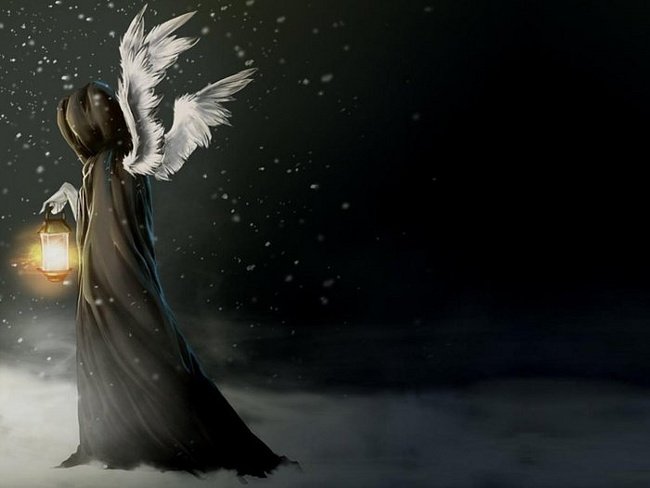
If the chasm between what is desired and what has been achieved is great, it is not always right to pretend it can be easily bridged, and if all is bad it is not necessary to pretend that all is well.
It is clear that the purpose of sorrow is to motivate change for the better: to achieve one’s goals and to eliminate the dissatisfaction born of desire. Because sorrow is unpleasant, it forces the individual to act, to remove its cause and thus get rid of it, prompting development and goal fulfillment.
In other words, sorrow in itself is a perfectly positive and productive feeling; it becomes negative only when it leads to persistent depression and reflects significant losses of power.
The work sorrow performs begins when the mind’s examination of current reality shows that the object of desire no longer (or not yet) exists, and the situation signals the need to curb the power expenditures associated with desiring that object. But resistance arises to that requirement — the mind does not easily relinquish its positions. This resistance can be so strong that a withdrawal from reality may occur. However, under normal conditions the intention to achieve the desired prevails, even though that demand cannot be fulfilled immediately. It is pursued partially, at great cost in time and energy. Each memory and expectation associated with the object is suspended, gains increased intensity, “stagnating” from the impossibility of realization. Such activity of the mind, applied to each individual memory and/or expectation, is accompanied by exceptional psychic pain, which, in fact, provides the impetus for movement.
The Magus understands that the world is by no means a paradise, and that he is no celestial being. And he grieves at this state of affairs. But it is precisely this sorrow that prevents him from sitting idly by; it propels him to action, to change the current situation and his place in it. The main point is that sorrow does not turn into despondency, indifference, or apathy, but remains a fruitful driving force on the Way of Power.

Enmerkar, thank you very much for the article! I couldn’t help but thank you, as it turned out to be very helpful to me today. When events suddenly occur that cause not just discomfort, but can really cost lives, it is very important to understand that there are not only hostile forces in the world but also probably some others.
It has always been this way. As a result, life goes on. We must live and create further.
And still. Are there forces that are meant to help people? And if yes, under what conditions/for what reasons do they do this?
The forces that are called to help you are, first of all, you in your higher aspect, your Spirit, and faith in it, these are your Kin Forces. And if you ask them for help, they will answer you – ‘You yourself!’. But in this ‘You yourself’ you feel their help and care for you.
When the awareness of one’s fate and place in the world comes,
when you no longer just intellectually understand that you are a part of the “great wheel” but feel it with every breath and live it,
sadness fades away, replaced by a quiet smile of the Buddhas,
and there is nowhere for it to return.
It seems to me that the author was writing about something slightly different than what has been touched upon in the comments. And I want to thank the author for the post. Until I read their words, I thought I was the only one feeling this way and couldn’t find the words to express these thoughts. Everything really happens as described. I don’t know what else to say, except that while reading this message, I felt like I was hearing myself. It’s described very accurately, very familiar.
With sadness on the face, the heart becomes wiser. Parables.