
Magic of Fire
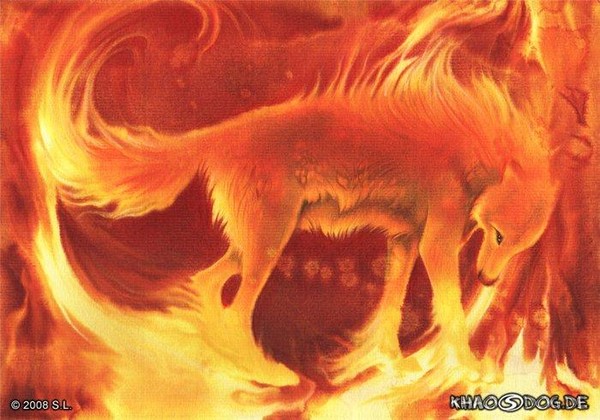
Material fire is employed in all magical and religious acts — sacrificial fires, church candles, candles for concentration and meditation, and so on — drawing into the field of consciousness the ascending activity of the fire principle.
Similarly, fire-gods were regarded as intermediaries between the lower and higher worlds in many religions — Agni, Semargl, and Loki enacted the cycle of life in the vertical dimension of the cosmos, and Abraxas also embodied the very nature of the universe’s creative activity.
Fire, as the principle that transforms matter, plays a key role in Alchemy — both in ‘material’ and in ‘spiritual’ transmutation.
On the one hand, this situation is connected to fire’s ability to rarefy matter, converting it into a more active and ‘lighter’, or, as is now commonly said, “subtle” state; on the other hand, it is tied to the connection of this macrocosmic principle with the active pole of the feeling principle in the psychocosm.
Accordingly, invoking fiery activity gives both an internal means to overcome the inertia of passive principles and an external resource for that overcoming.
This is what makes fire such a widely used component of spiritual ascent.
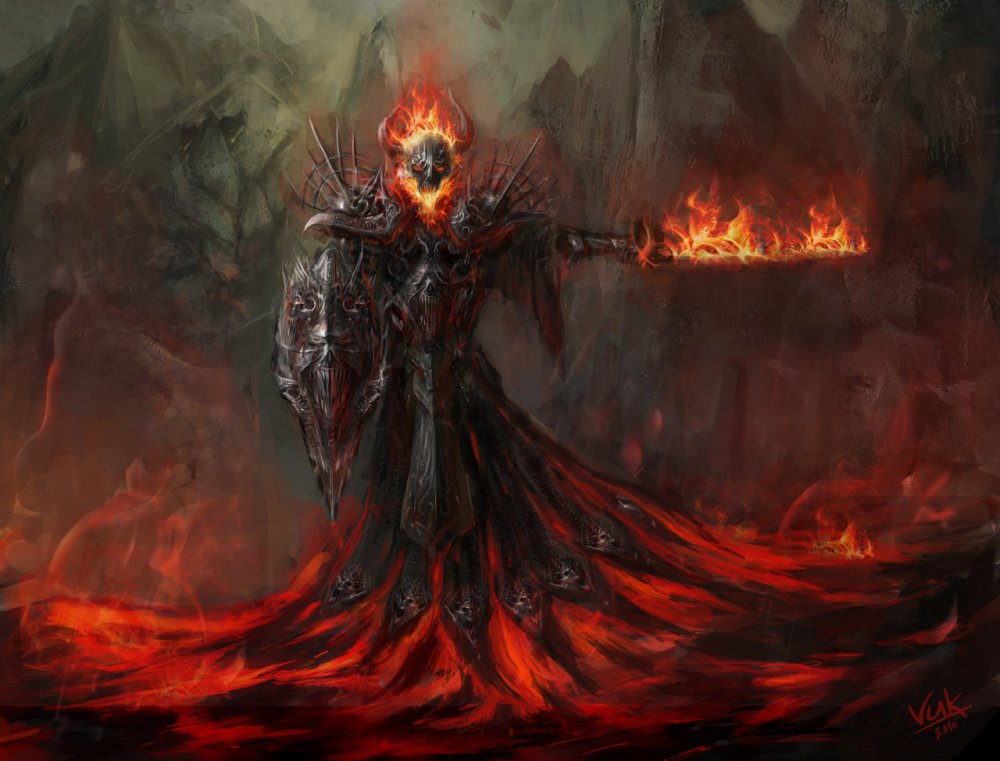
At the same time, full mastery of the possibilities of this principle, or even merely its control, is extremely difficult because of the principle’s pure activity, which by its very nature renders subjugation nearly impossible.
As the “lower” manifestation of Primary activity, Yara, earthly fire is expansive and hot, and the Magus’s capacity to work with it requires the Magus to develop within himself a corresponding frequency and intensity of creative desire.
A Magus striving for a deep, nontrivial use of the fire principle’s possibilities must understand that, on the one hand, by entering into contact with this pure energy of desire he gains an incomparable opportunity to activate and energize his inner processes; on the other hand, he must also grasp the dangers of this activation — the burning power of fire, capable of inflicting irreparable harm to both body and mind.
Interaction with Fire, both in its “impersonal” form and in the guise of “fiery” spirits — Salamanders, djinn, and even Demons — requires, on the one hand, intense inner ardor within the Magus, and on the other, the mind’s resistance to burning.
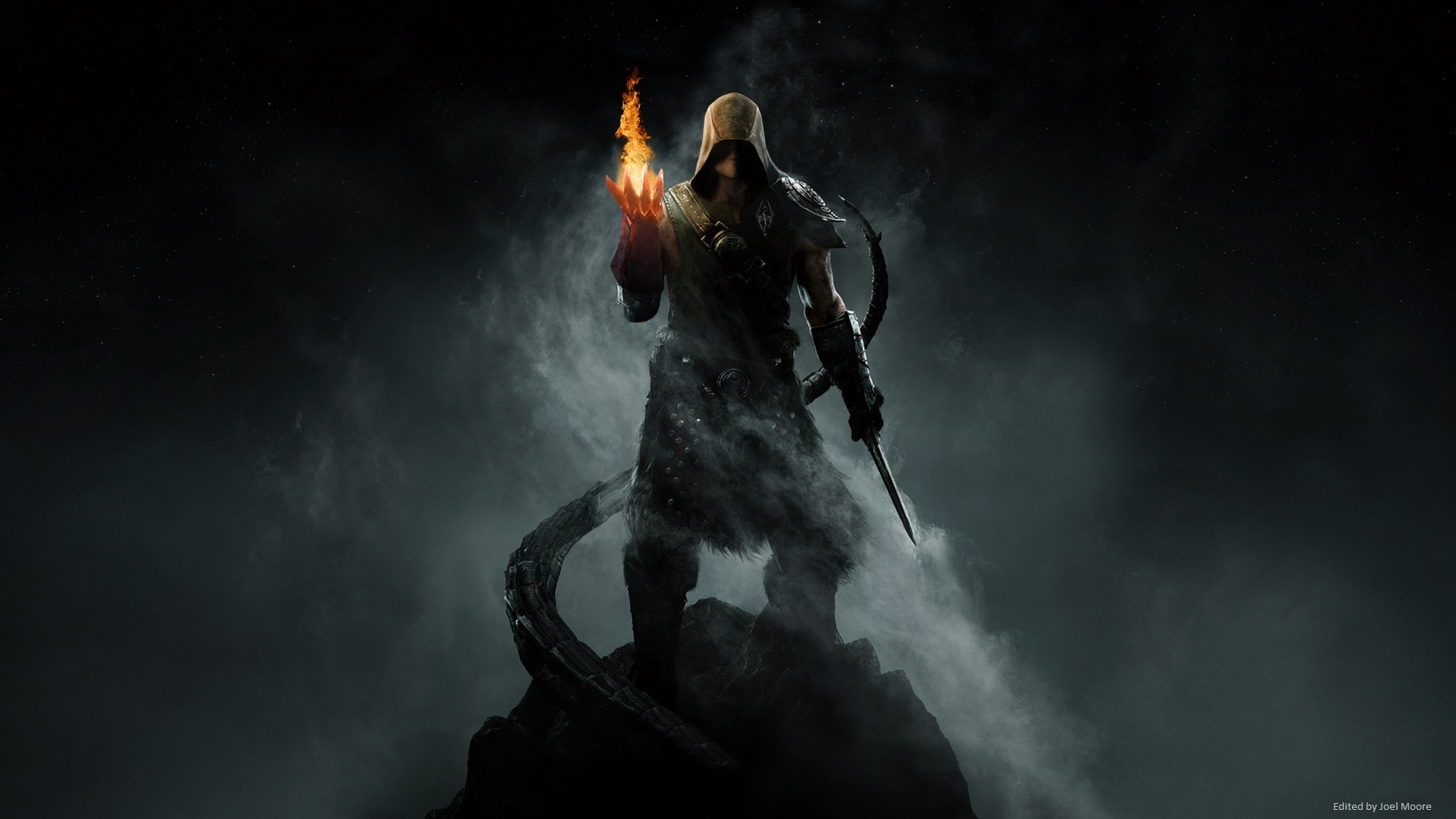
Before moving on to such close interactions, a Magus should learn both how to transform his psychocosm into a fiery state and how to prevent the Fire from seizing elements it might destroy for which its influence could be destructive (unless, of course, the purpose of the interaction is the burning away of unnecessary or obstructive mental structures). It is clear that the more inner fire there is in the mind, the easier it is to interact with external fire, and vice versa. The only important point is that the escalation of inner fire must not destroy the structure of the psychocosm.
By its very nature, fire does not submit to control; it can only be restrained, counterbalanced by indestructible mental elements. At the same time, excessive suppression risks extinguishing it. Therefore, it is very important for the Magus to find the optimal degree of burning in which his desires are aflame yet still under control, energy intense but not destructive. Achieving the subtle threshold where an effective, deep interaction with the energy of fire is possible allows one to integrate the creative and destructive activity inherent in this principle and to elevate the mind to a high level of functioning and creativity.
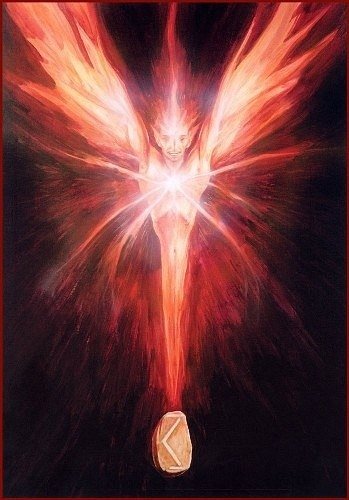
Kenaz is a torch of illumination, at the same time you can burn yourself with Fire, to prevent this from happening, Issa will hold the raging element of Fire, Fire and Ice are in opposition….
Hello, I have 2 questions on this always relevant topic:
1. How not to let the fire go out? What is the combustible material for the Fire of the Psychocosmos?
As I think, ‘into the furnace’ will work well achievements, losses, emotions (to avoid being attached to any of them). Please correct me if I am wrong.
2. In the article, you mentioned ‘indestructible elements of consciousness’, what could that be?
As I think, the indestructible ones in the Psychocosmos could be some principles that are the foundation of their system, but is it worth stopping the fire with them, since they can be subjected to destruction? Please advise?
1. The source of the fire of consciousness must be, first of all, the Primary Fire, that is, the very initial impulse of Desire that supports the world in a manifested state. But if there is something that needs to be burned, it, of course, also supports that burning.
2. The indestructible elements of consciousness are its essential elements that come from Monadic individuality. That is, the more the selfhood and individuality is manifested in consciousness, the stronger it is, or, as they say in the East, ‘more vajra-like’ this consciousness is.
Your site is just a find for me. A breath of fresh air. With your permission, I am copying this article with a link to the original source (to your site). Thank you very much for the amazing materials!
i.e., the magician must ignite the fire by increasing his activity in everyday life, but at the same time, he must not engage or associate himself with this activity, remaining detached and cold, like a salamander?
Enmerkar, you wrote this text in a special state, even shivers ran down my spine) and it seems I have caught the essence of pure fire, which is alas not easy to achieve in this world, truly not easy… This is an important entry, thank you Enmerkar.