Changelings and Half-bloods
As we have already mentioned, although the fae are “nominally immortal” beings who normally do not die of natural causes, their numbers decline over time: they can perish on the fields of battle or in clashes with other creatures, fall prey to especially ravenous predators, or fall into melancholy and “wither away.”
At the same time, the fae themselves rarely reproduce, because they usually lack the energy necessary to give birth; their bodies and minds are in a stable state of energetic equilibrium, which makes producing offspring difficult and extremely rare. Therefore they typically only maintain the stability of their form and energy, rather than divide it and pass it on. Moreover, by virtue of that same original integral nature, the fae are deeply woven into natural processes. For them, then, collective wholeness and the elemental balance matter more than the continuation of their own line.
Nevertheless, to prevent a sharp decrease in their numbers, the fae employ two strategies to “replenish” their ranks – 1) abduction and transforming members of other species into fae (including humans), and 2) “indirect” reproduction through the creation of half-bloods.
And yet half-bloods are the product of a “mixing” of peoples — natural and harmonious beings that combine the best qualities of two worlds. Changelings, by contrast, are temporary and artificial creations whose lives are usually short and tragic. Nevertheless, there are a number of important similarities between them, since both types of beings exist between the human and fae worlds — the human world and the world of the fae — so they struggle to identify with any single community. Both half-bloods and changelings are receptive to environmental energies, see the world differently, and perceive its subtle vibrations and changes more keenly than ordinary humans; yet they often provoke fear, rejection, or suspicion because of their incomprehensible, “alien” nature. Thus both types usually have difficulty socializing, and their behavior appears strange or unsettling to those around them.
At the same time, the differences between them are considerable. Half-bloods are born naturally and inherit traits from their parents, whereas changelings are created artificially; their existence is conditioned by Magic and dependent on it. Half-bloods live long and generally enjoy good health, while changelings are short-lived and sickly.
Consider these two types of beings in more detail.
As is well known, changelings are beings or objects that the fae leave in place of the humans they have stolen — most often infants and small children, less often young women and youths. These beings resemble humans outwardly but possess an entirely different nature. A changeling may be an old, weakened fae; a being fashioned from plant material (wood, roots, grasses); of animal origin; or even an inanimate object enchanted with specific Magic to look and behave like a person.
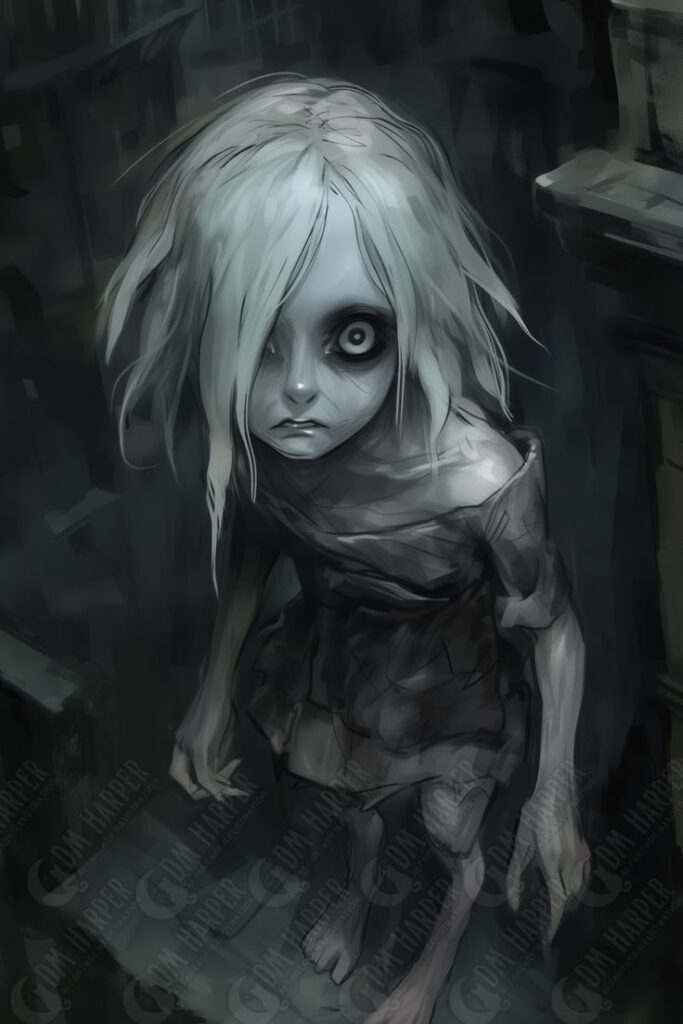
The fae use their powers of illusion, elemental magic, and natural energy to create a convincing disguise. However, over time the changeling’s true nature usually gradually reveals itself, and the illusion that created it weakens.
There are several known reasons why the fae steal children and replace them:
1. Maintaining the line. The fae may kidnap human children when their own line is weakening. Humans differ from fae in having a more expansive nature and a more active life-force, even though they are weaker and regenerate more slowly when wounded. On that basis, the fae sometimes attempt to “renew their blood,” raising a human child among their people, transforming them, and endowing them with fae magic and a bond to the powers of nature.
2. The need for human energy. Some fae with feeding needs require not only natural energy but human energy as well — emotions, creativity, and the drive to grow. A stolen human child raised among the fae radiates special life-forces that are lacking in their world.
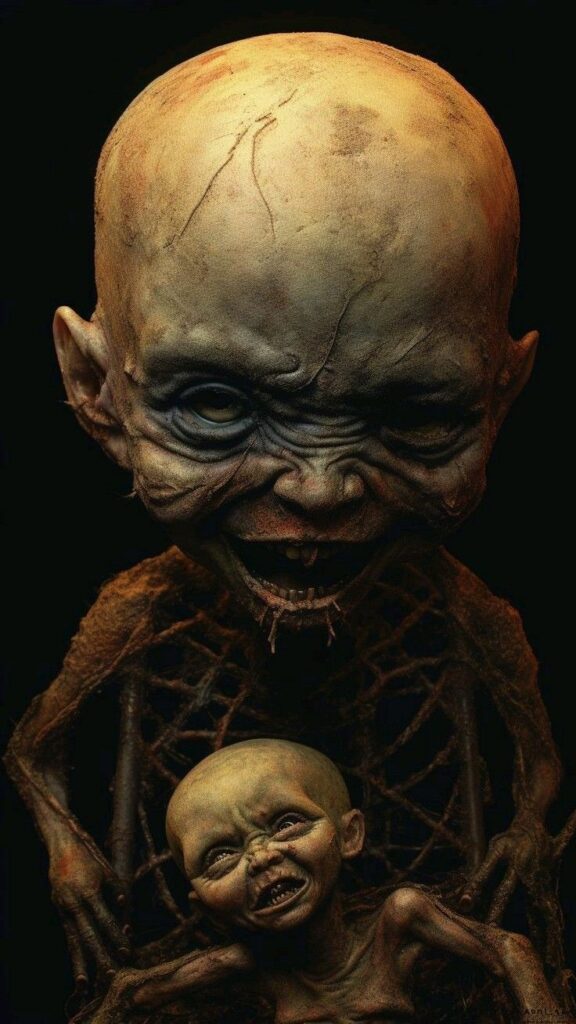
3. Vital energy for old fae. Sometimes old, weakened fae take the form of a child so that humans will care for and feed them. In this way these fae obtain warmth, attention, and human life energy they can no longer procure on their own.
4. Tribute or sacrifice. Some fae must give children as tribute to more powerful entities — such as the Unkind Court, the Fomori, Rephaim, or even demons. It is therefore unsurprising that they prefer to use humans for this purpose rather than their own offspring.
Typically the substitution is carried out at night or at other times when the person is undefended. Newborns are especially vulnerable in the first days and months of life, before baptism and protective rites. Pregnant women and young mothers are also at greater risk, since they occupy a liminal state that attracts the fae. Youths and maidens in periods of transition — entering marriage or undergoing emotional instability — are likewise prone to crossing the Threshold and therefore can be abducted.
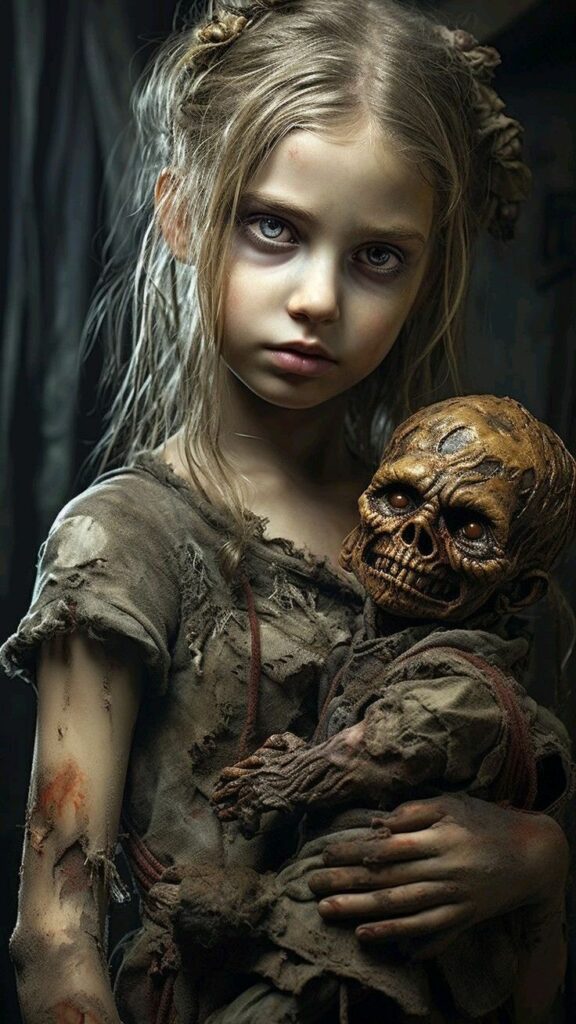
The created changeling is not a natural being and therefore lacks a full energetic body capable of harmoniously integrating into the human world. In addition to old fae who have altered their appearance, changelings can be made from plants (tree roots, branches, bundles of herbs) which the fae animate with Magic, from stones or pieces of wood enchanted with illusion and elemental energy, or from animals temporarily transformed into human form. Such a changeling exists as long as the fae’s illusion magic is maintained or until a human exposes its true nature.
It is clear that, lacking natural ties to the living world, a changeling cannot feed in natural ways and therefore actively absorbs human life-force, the energy of the family and its emotions. Accordingly, the appearance of a changeling leads to a significant disruption of the family’s energy balance. The affected family becomes exhausted and its energetic field weakens. At the same time the changeling usually affects its surroundings in a destructive and chaotic, always disharmonious way. Its presence distorts both the energy of its adoptive parents and that of the home itself.
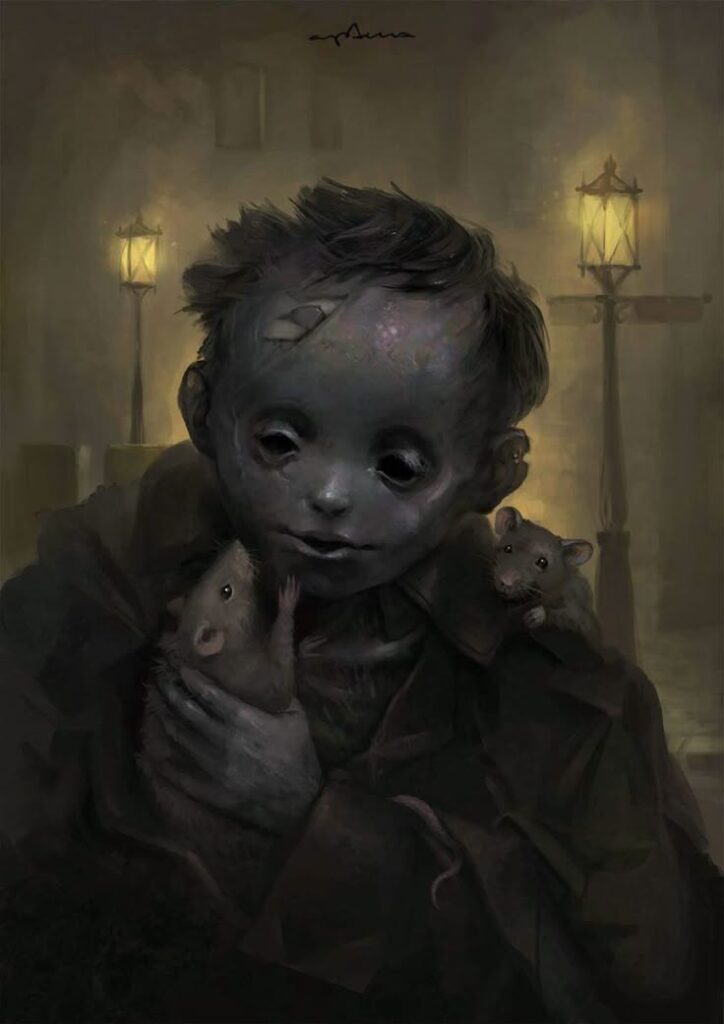
However, a changeling rarely lives long, because its artificial nature is usually unstable. The Magic-created energetic body gradually falls apart, leading to illness, weakening, and the creature’s death.
Changelings exhibit a number of characteristic signs: besides the already mentioned sickly appearance and lack of normal growth, they often show unnatural physical traits (early teeth, long nails, gray hair, an overly large belly, a misshapen head, limbs that are too long or too short). They also typically have an unnatural, too-intense gaze, often emotionless or, conversely, frightening. They are very capricious, constantly demanding food, attention, and warmth, literally draining the life energy of those around them. At the same time, as magical creations, changelings often possess knowledge or skills incongruent with their age (for example, an infant speaking in an adult voice, playing musical instruments, or discussing complex matters). They sometimes display unusual abilities such as telepathy, telekinesis, or foresight. Because a changeling carries fae energy, it fears iron and salt, reacting with aggression or terror on contact with them.
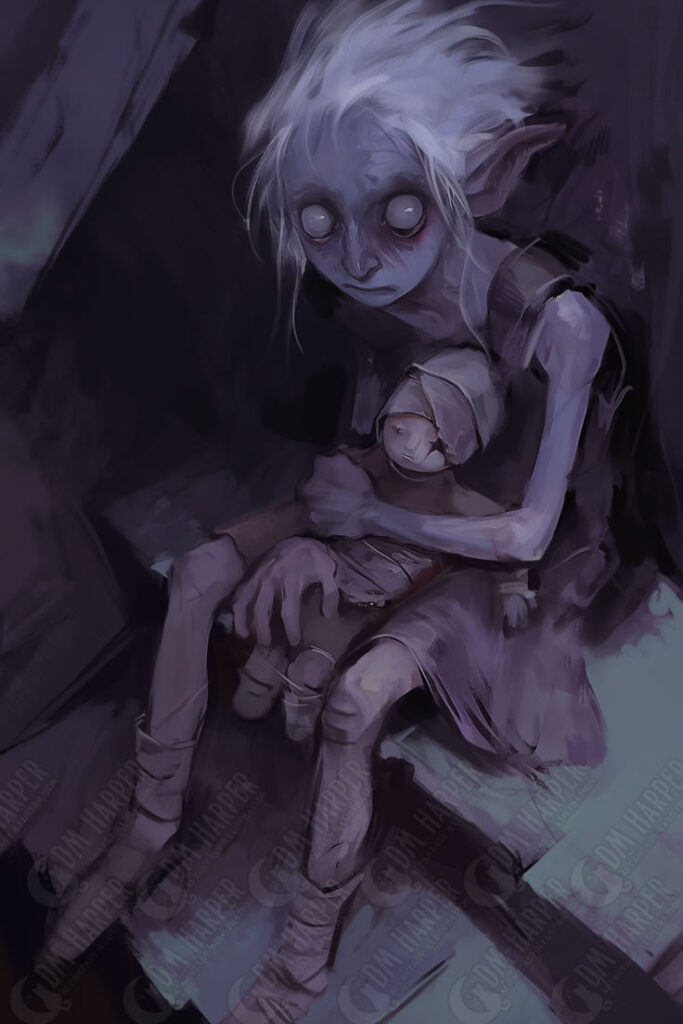
The lifespan of changelings can vary widely: if the changeling is an old fae, it may live in a family for years, gradually draining the energy and strength of those around it; if it is simply an enchanted object, a changeling quickly “fades,” falls ill, and dies within months. Sometimes a changeling returns on its own to the world of the fae, especially if it senses that its secret has been uncovered.
If a changeling does not die in childhood and reaches adulthood, its traits and behaviors become especially conspicuous. Such people look very unusual: either emaciated and sickly, or, conversely, extraordinarily beautiful but cold and aloof. They have an “unearthly” gaze — often deep, piercing, and anxious, or, on the contrary, fixed and expressionless. Their movements may be either very graceful and fluid or unnaturally jerky and impulsive.
Surviving changelings retain the ability to perceive the world differently, more deeply and acutely; they are sensitive to others’ emotions and to the energy of their environment. They often tend toward the arts — especially music, poetry, dance, and painting — anything tied to subtle vibrations and images. Their physical and mental condition can change sharply depending on how harmonious their surroundings are. If fae or other “visitors” from the interspace are nearby, they feel it especially strongly. Changelings can often influence their environment: attracting or repelling luck, affecting the moods of those around them, and unintentionally creating strange situations.
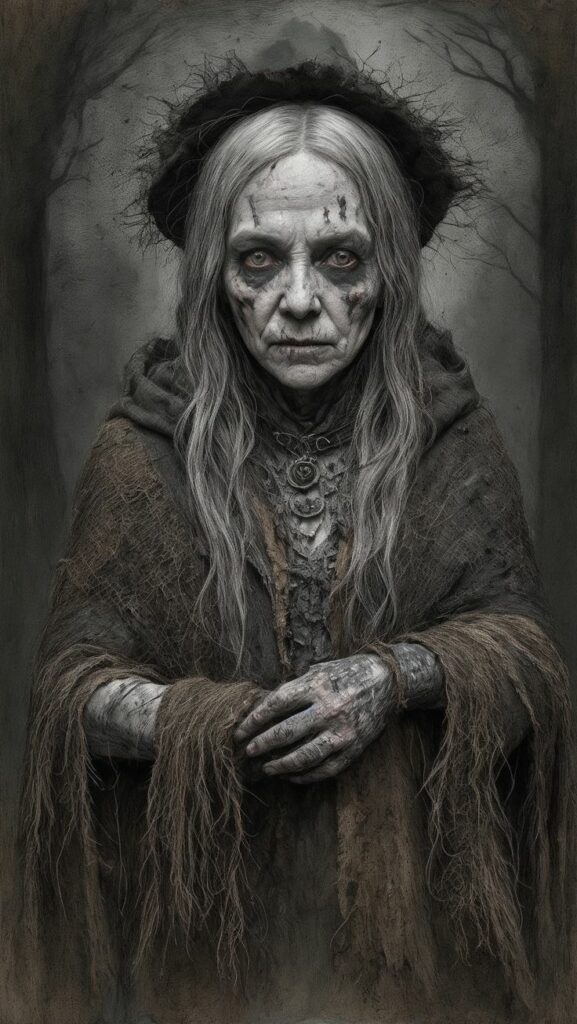
Adult changelings always struggle with socialization. They do not feel fully human, experience an inner emptiness and loneliness, and find it difficult to form deep emotional bonds with others; consequently they remain withdrawn, avoid noisy company, and prefer solitude or the company of animals, nature, and places with strong energetic presence.
Their health in adulthood is often weakened and unstable. Changelings require constant energetic nourishment from people or (less often) from nature. They frequently suffer from chronic ailments, weakness, or apathy. They are haunted by a sense of doom, the instability of life, and a feeling of the transitory and fragile nature of their existence in the human world.
Accordingly, their fate is usually tragic — they either return to the world of the fae (voluntarily or involuntarily), or perish young, often under mysterious or strange circumstances.
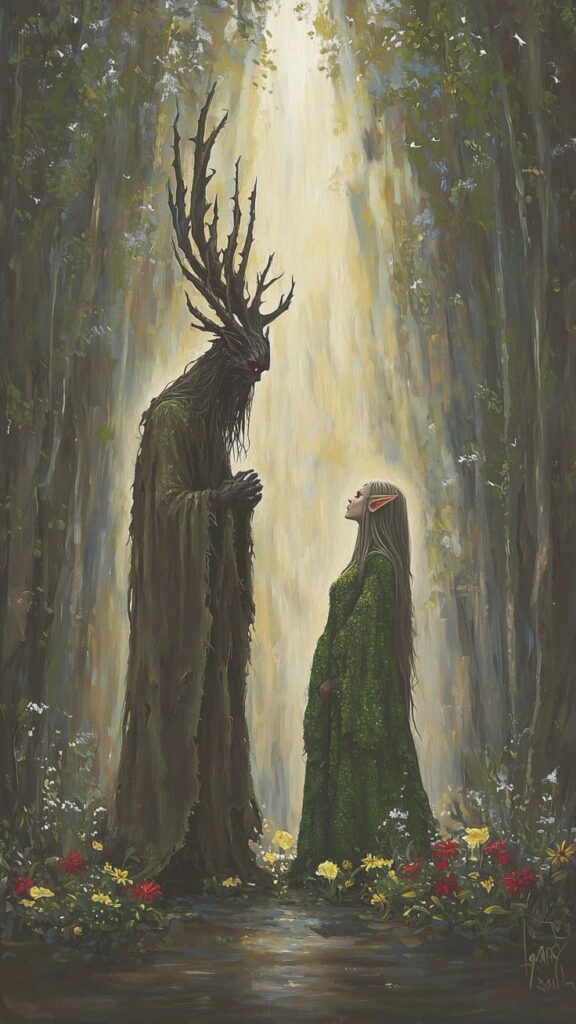
At the same time, children taken by the fae most often do not return to the human world. Usually they grow up and are raised in the realm of the fae, where they are taught Magic, healing arts, or martial traditions.
Only in very rare cases do they come back to the human world as adults. Folklore recounts such returns as those of heroes, shamans, prophets, or great bards endowed with unique abilities and knowledge.
More often the abducted children live forever in the world of the fae, gradually losing their human nature and becoming part of the Faerie folk. They slowly adapt to fae society and develop some of its qualities, although they become full members of the Immortal People only in rare instances. Prolonged residence in the fae realm gradually restructures the physical and energetic body of the stolen child. They grow, but do not age, and learn to see and feel the world as the fae do. Over time such a person loses attachment to human emotions and morals, since the fae hold entirely different views on good and evil.
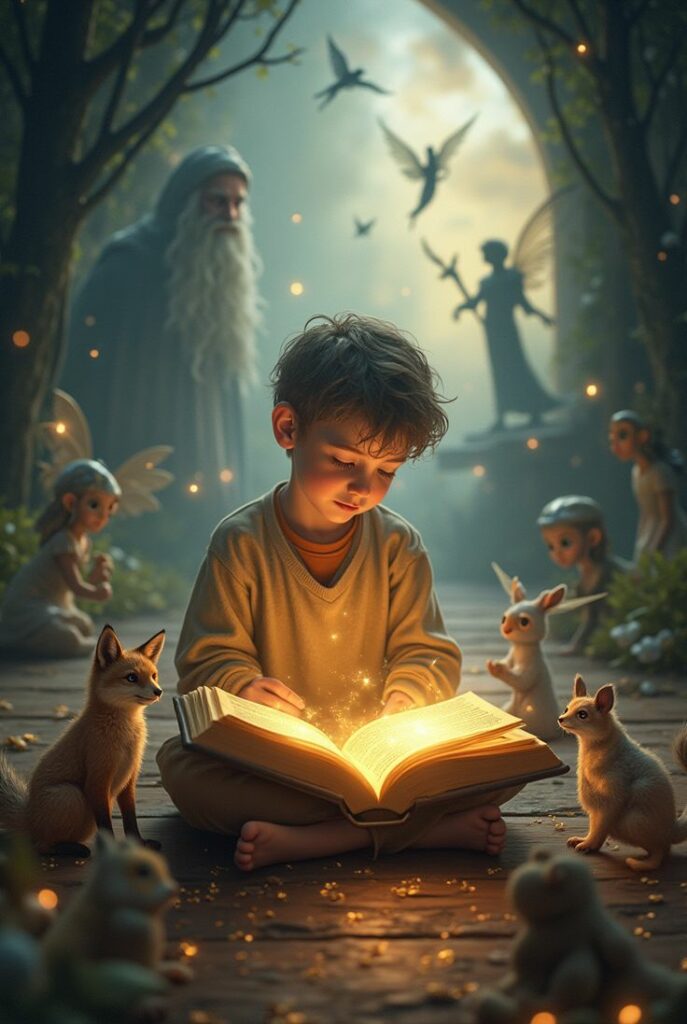
The fae may perform special rituals on an abducted child to alter their body’s structure.
There are tales that people who lived among the fae for centuries changed so completely that they entirely lost their human nature, acquiring abilities such as invisibility, longevity, and no longer needing food or sleep.
However, even if a child has spent centuries in the fae world, they are not truly fae and remain human at heart. The fae may accept them into their people, but they will always be a little “other,” because the human mind functions differently from fae mind. Humans have a soul that evolves and undergoes successive incarnations, whereas the fae live in the same state throughout their lives; even if they develop or change form, the core of their personality remains unchanged.
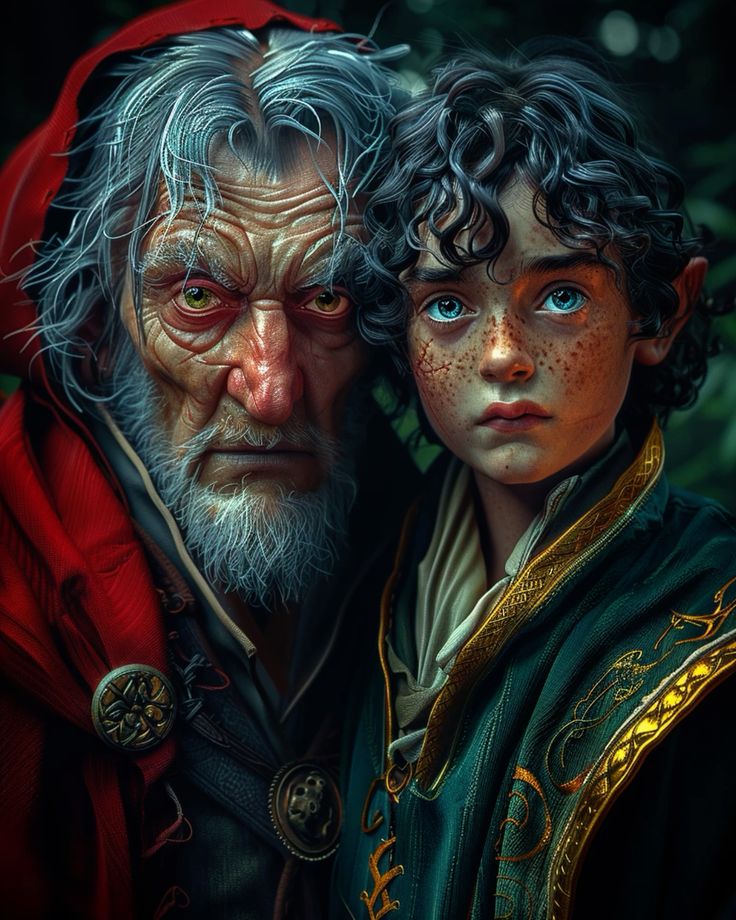
Some traditions say that those who could never fully become fae simply vanished or turned into shadows.
Even if former fae-children return to the human world, they no longer belong to the human race; their perception of time and space remains “intermediate,” and they often feel aversion to iron, church symbols, bread, and salt. Consequently many of them cannot live long among humans and either perish or again retreat into the Interworld.
Thus substitutions and kidnappings rarely solve the fae problem of reproduction, since an abducted child can become only conditionally full fae, and only if they pass through the complete stages of transformation: relinquish their human essence, accept the fae nature, and adapt energetically to the Interspace. Yet this does not always occur. Most often they remain “unsettled” beings — neither fully human nor fully fae.
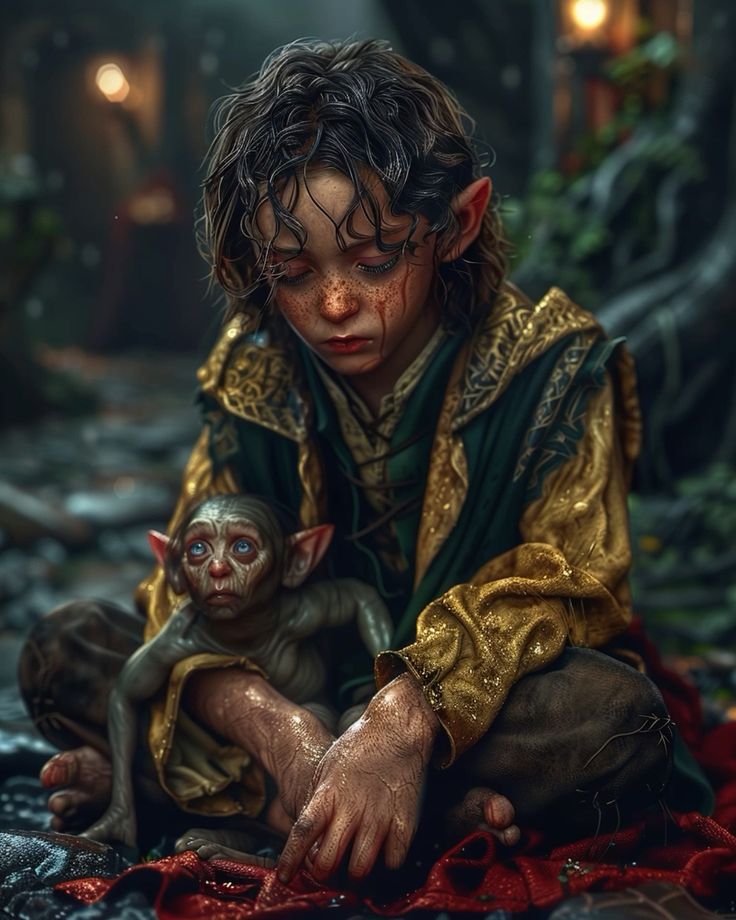
Accordingly, the second strategy of the fae is the birth of half-bloods, who carry the blood and energy of both fae and humans.
Half-bloods, or half-human half-fae, are beings born of marriages or love unions between humans and members of the Faerie folk. Such unions may arise from love and mutual attraction, or as the result of deceit, abduction, or simply magical seduction. There are known cases where the fae fell in love with humans, took them into their world, and later returned them to the human world together with their common children.
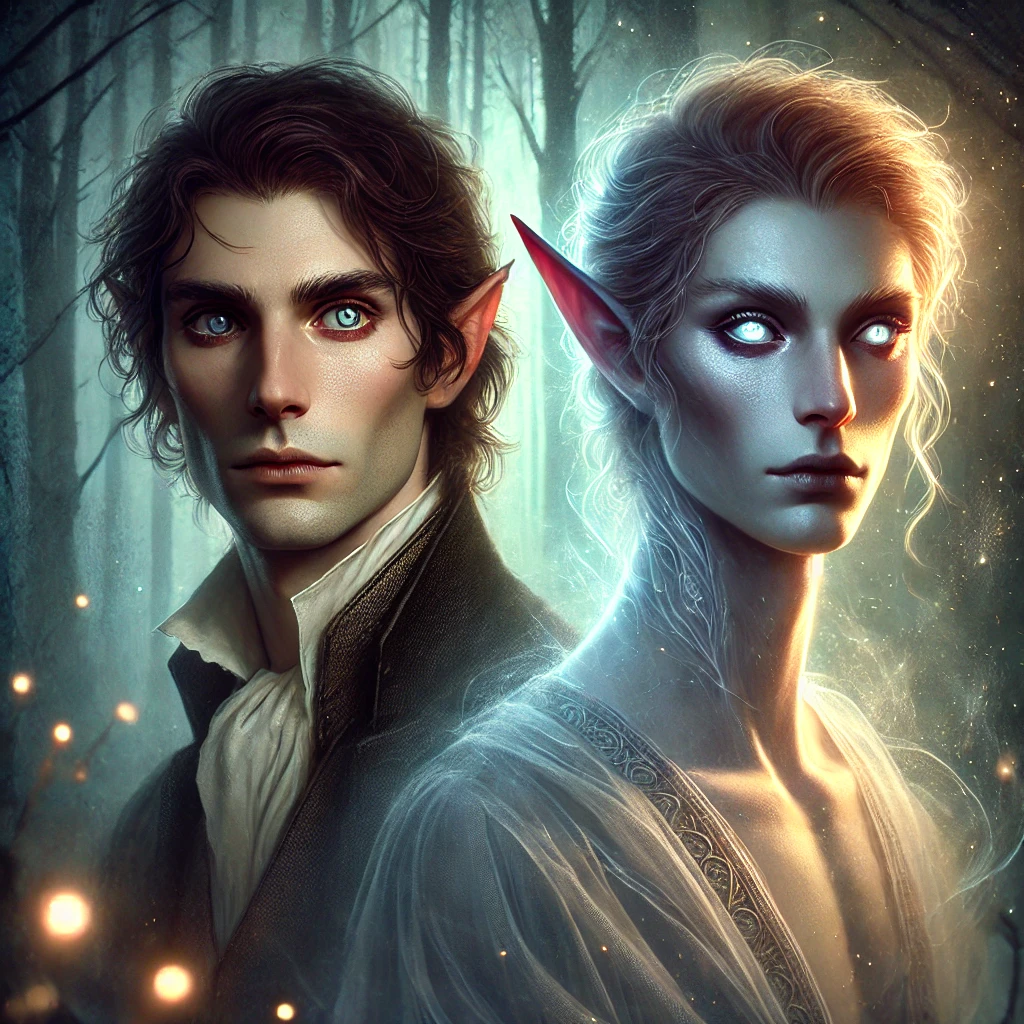
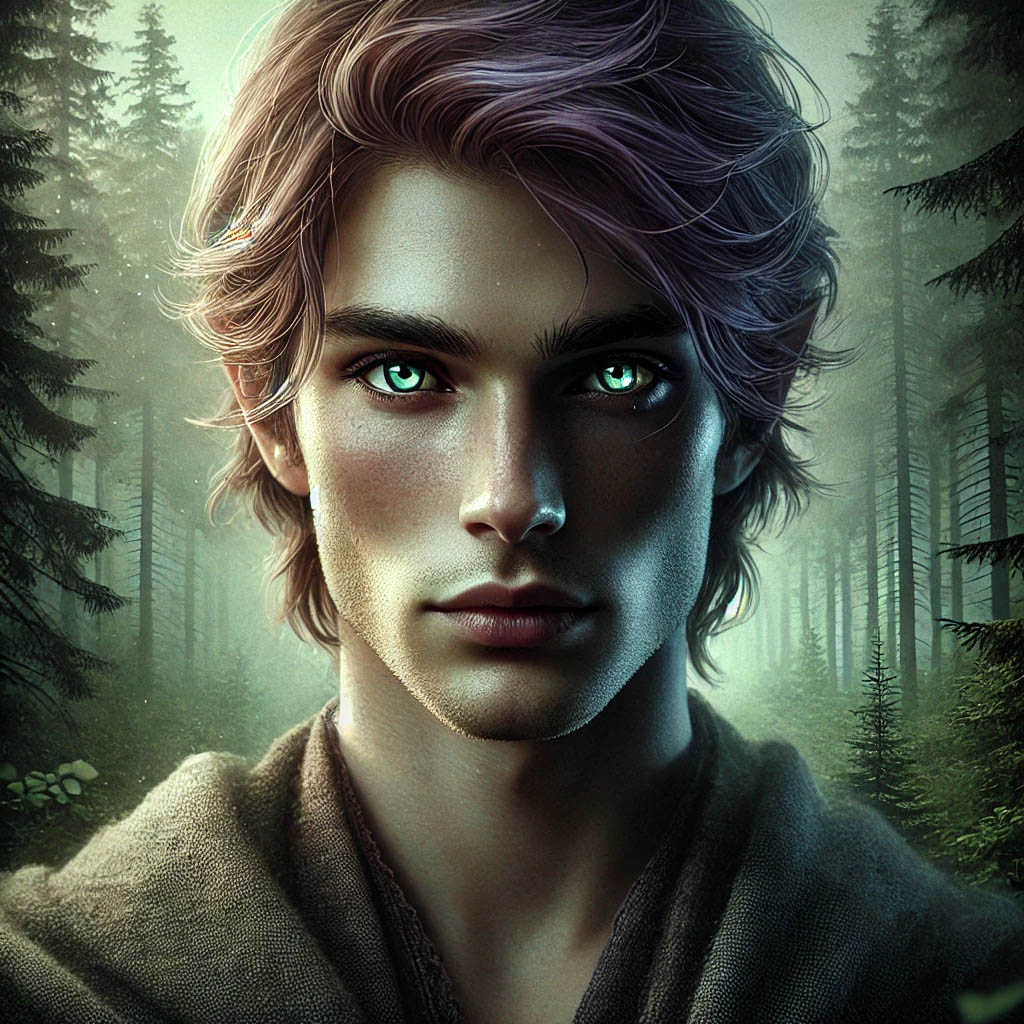
Outwardly half-bloods are almost indistinguishable from ordinary humans, yet they often bear signs of their special origin: unusual eye colors (often green, golden, silvery, or even shifting), a particular refinement of facial features, and delicate, beautiful forms. They frequently possess innate grace, agility of movement, and attractiveness that both enthrall and unsettle people. They often look younger than their actual age and age more slowly than ordinary humans.
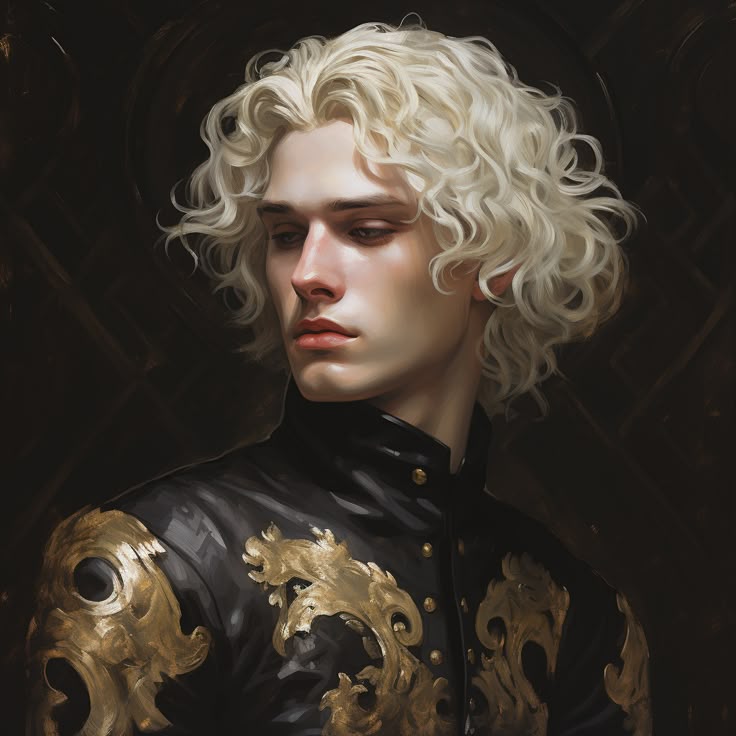
Half-bloods typically form a close bond with nature and possess heightened sensitivity to its energies. They feel changes in weather, the moods of those around them, and the condition of the environment far more acutely than ordinary people. Often they have developed “second sight,” intuition, premonitions, clairvoyance, and abilities in telepathy or empathy.
Almost always half-bloods have innate magical abilities that express themselves spontaneously and without formal training. Most commonly this is healing magic, elemental manifestations (control of water, air, plants), or the arts of illusion and enchantment.
Nevertheless, despite their strong nature, half-bloods generally struggle to belong in human society. People sense something “other” in them at a subconscious level and treat them with wariness or even fear. They find it difficult to balance their human and fae natures. They often feel they do not fully belong to either world, experiencing loneliness and isolation. They are frequently rejected by humans for their difference and by the fae for their “impure” lineage.
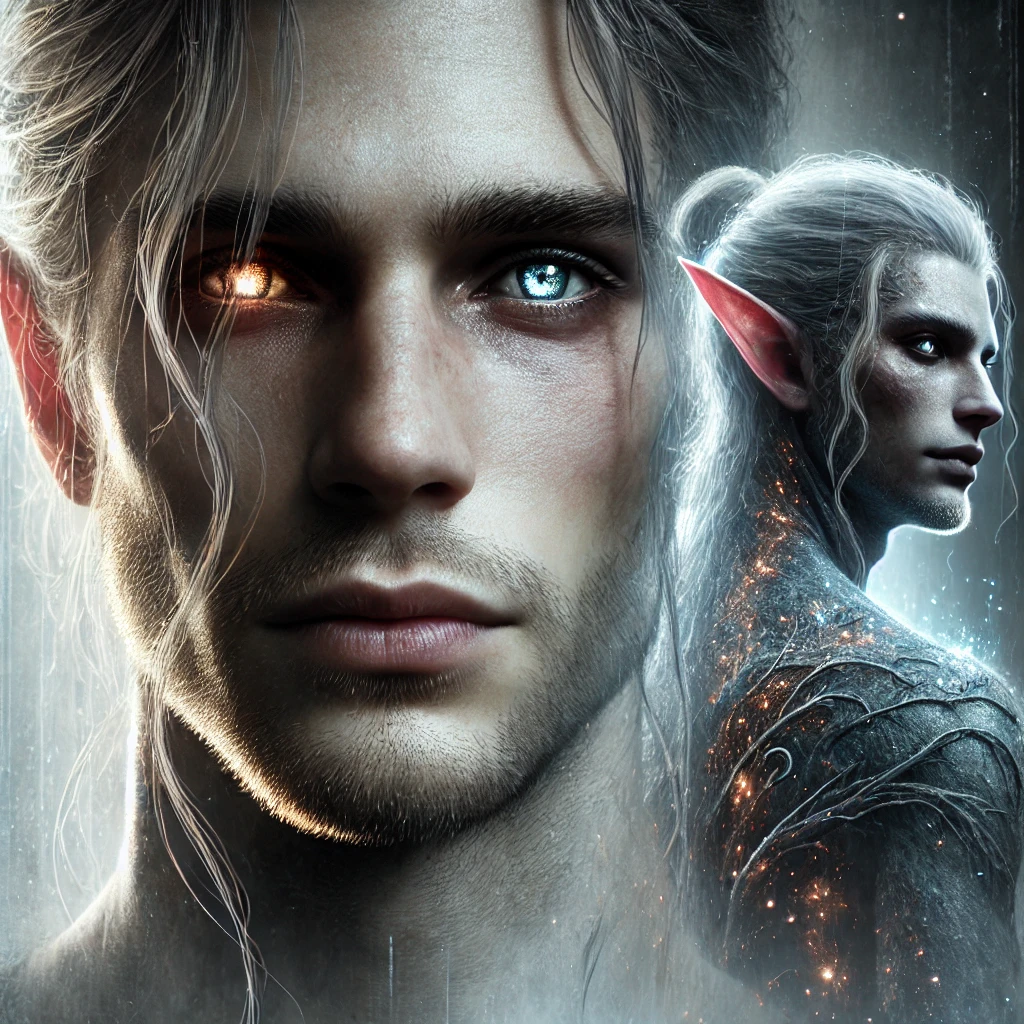
At the same time, in many traditions it is precisely the half-bloods who appear as heroes or sages, because their dual origin enables them to see the world more broadly and understand it more deeply. Their “double” nature often allows them to act as intermediaries between worlds, to resolve conflicts, negotiate with the fae, and convey magical knowledge and skills to humans.
Often it is half-bloods who become the subjects of prophecies, since their unusual birth heralds important changes or fateful events.
In Irish myths heroes such as Cú Chulainn and Oisín are often regarded as people with fae blood. They possessed supernatural powers, heroism, and beauty. Scottish tradition contains tales of people born of unions with the Sídhe, endowed with extraordinary abilities to see what is hidden and to possess secret knowledge. In Welsh mythology the hero Pwyll and his son Pryderi also have close ties to the fae world, from which they acquired special magical talents and powers.
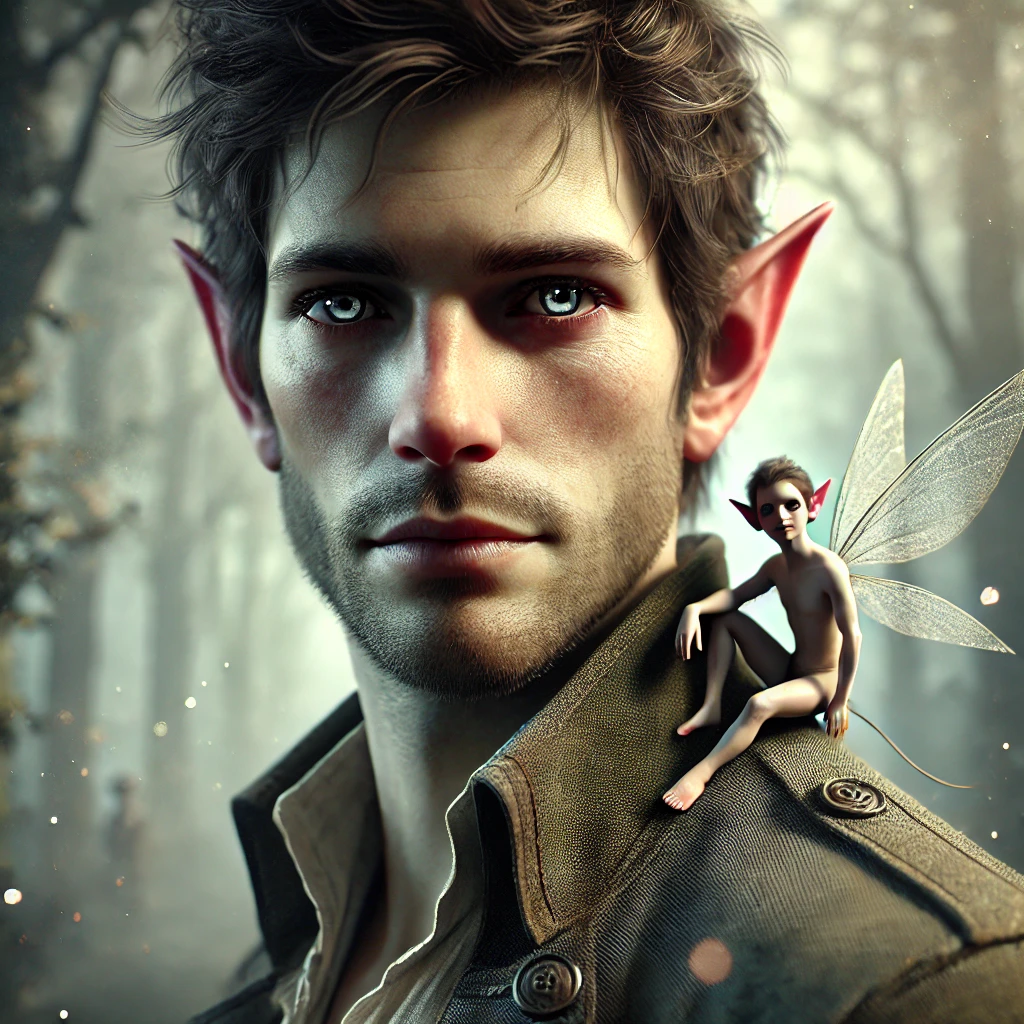
Because half-bloods are beings born naturally as the result of a union between human and fae natures, they — unlike the fae themselves and unlike changelings — possess a full soul (in the sense of an immortal individual consciousness capable of spiritual evolution), inheriting it from the human parent. Accordingly they are capable of spiritual growth and mental development; they have a pronounced individuality, the capacity to make conscious choices and to bear responsibility. The soul of half-bloods is most often of the “human” type, while their fae nature grants them marked magical abilities and closeness to the world of nature.
Nevertheless, despite their strength and wisdom, the life of half-bloods is often tragic. They wander between two worlds, never feeling fully at home in either. In maturity many choose a life apart from society, in solitude among nature, avoiding constant interaction with people.
Some half-bloods find their way back into the fae world, where they still may not find a place; others attempt to live among humans, concealing their origin.
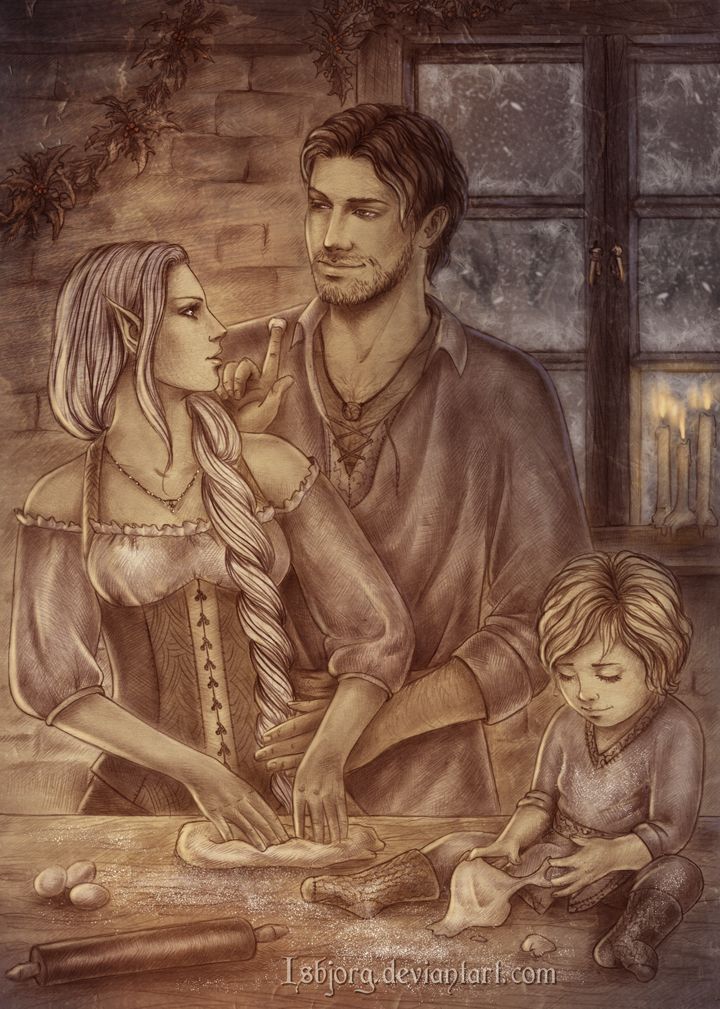
Overall, marriages between humans and the fae that produce half-bloods are a process of exchange and integration of their energies. A marriage between a human and a fae implies interaction at a deep level of two entirely different energetic structures. In such a union energies are exchanged, interpenetrate, and create a unique energetic field.
It is particularly important that in the offspring of two half-bloods a “pure-blood” fae may be born. Although the mixing of human and fae blood follows not so much the physical laws of genetics as energetic and magical principles of inheritance, a principle analogous to genetic “segregation of traits” operates here as well. The energy of the fae and the energy of humans do not fully blend, remaining two distinct currents existing within the half-blood. This creates the conditions for an “energetic splitting” in the offspring — i.e., when a child receives a maximally pure form of one type of energy.
As a result of this process, among the descendants of half-bloods there may appear children energetically identical or very close to “pure-blood” fae.
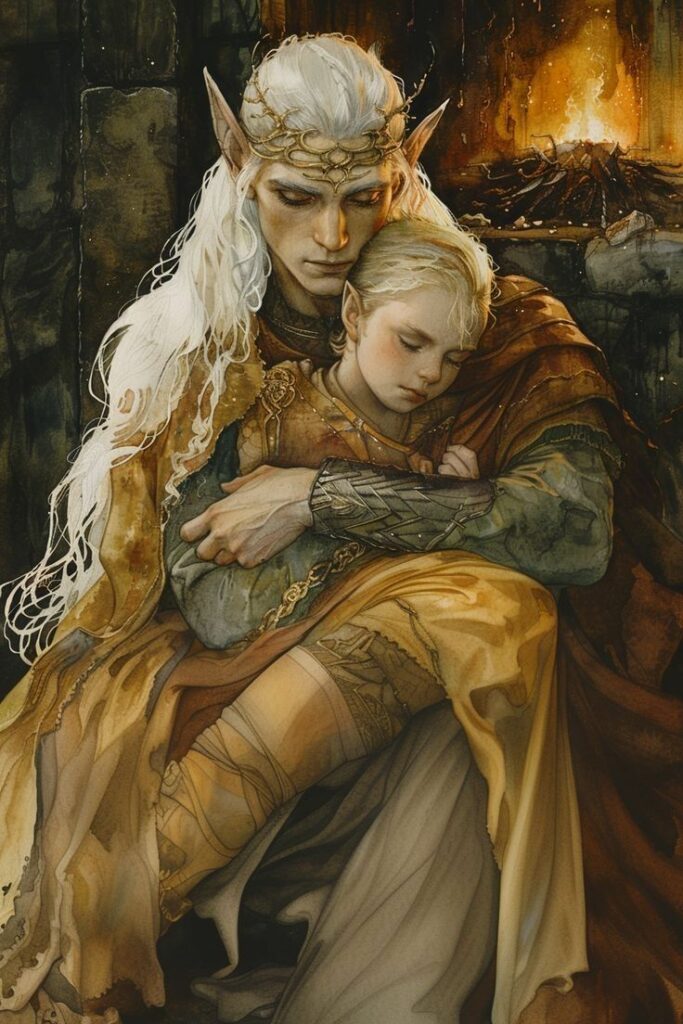
As in genetics, some magical traits can be recessive, “hidden” for generations. In certain cases, when two bearers of such recessive magical energy meet, a child may be born showing fae nature in its pure form.
Of course the energetic environment, the parents’ intention and the circumstances of conception play a significant role in the child’s formation. If half-blood parents live in places of power or are close to the realm of the fae, this greatly increases the chance of a child being born with a pure magical nature. If the parents consciously or unconsciously aim to amplify the fae heritage, this can substantially influence the child’s energetic composition.
Such “pure-blood” fae born of half-bloods are capable of full integration into the fae world. From birth they feel more at home among the fae than in the human world. They will find it very difficult to fully socialize among humans, although outwardly they may not differ much from an ordinary person.
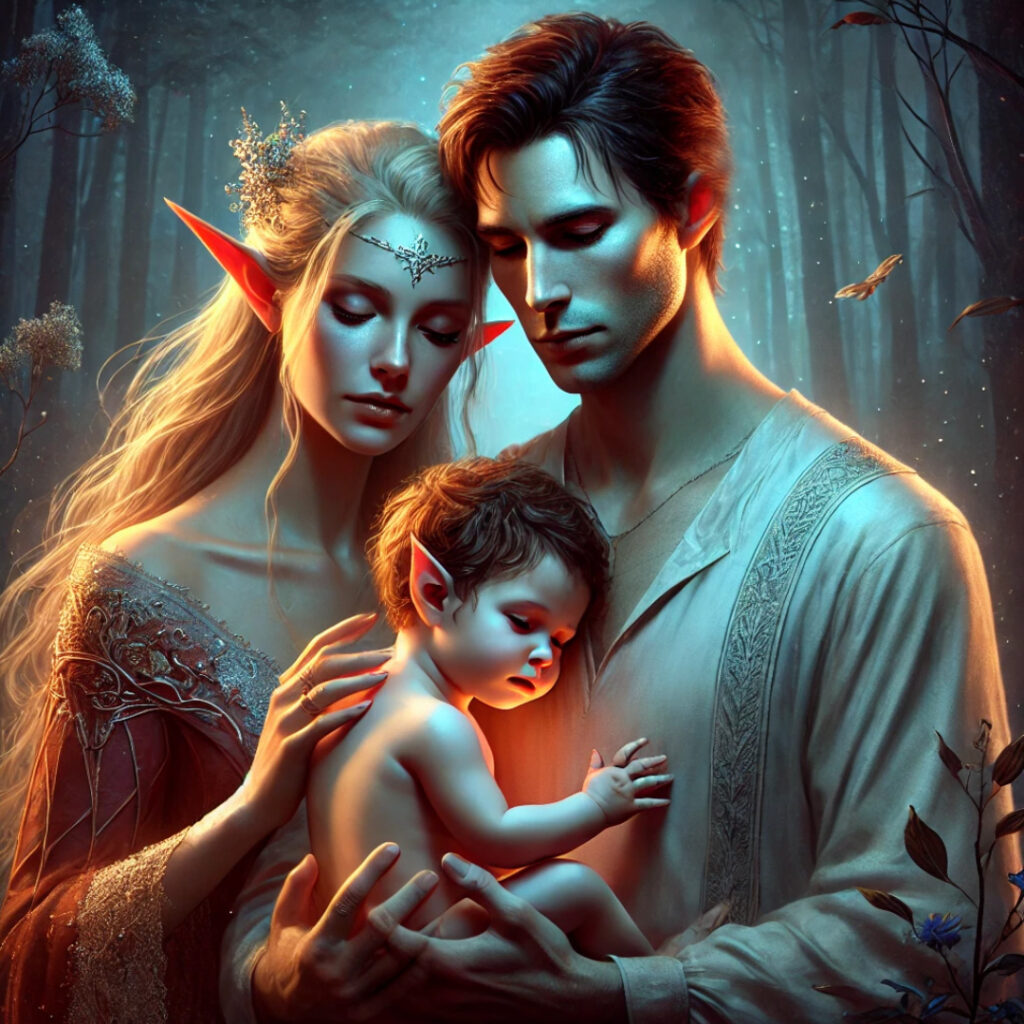
These children, even more than their parents, display strong innate abilities in Magic, interactions with nature, subtle perception, and influence over the world around them. They intuitively sense energetic flows and processes and are drawn to natural places of power — forests, springs, mountains, hills, and so on. They typically possess excellent physical condition, unusual facial features, a deep gaze, and a special glow in their eyes like the fae; on an energetic level their field is significantly denser and more powerful than that of humans.
A “pure-blood” fae born into a human family will also very likely feel alien among humans, experiencing a strong pull toward nature and the fae world. They will also be attractive to other fae, who may attempt to “reclaim” them for their world if they discover their presence among humans.
From the perspective of magical energy and inheritance, the birth of a “pure-blood” fae from the marriage of two half-bloods is the most effective and natural means of maintaining and increasing the fae population. Within just a few generations even a small number of half-bloods can produce groups of “pure-blood” fae, thereby sustaining and growing the population.
Moreover, half-bloods themselves enable the fae to interact with the human world, to acquire new qualities and adapt to changing conditions without losing their magical nature. In other words, through their human descendants the fae gain the ability to act, influencing humans more effectively and unobtrusively.
Thus the birth of half-bloods is a conscious or semi-conscious strategy of the fae, allowing them to survive, preserve their culture and even strengthen its presence in the human world. In conditions where natural reproduction among the fae is practically absent, half-bloods turn out to be not only a bridge between two “humanities,” but indeed the only real means of preserving and expanding the fae population in the long term.
I sincerely thank you for the article.
I do not understand how elves breed with humans—no one canceled genetics and physiology, the x and y chromosomes and their fusion. Is it possible to assume that a human is fit for reproduction if they contain a lot of elvish energy due to interaction with the elves, which has affected their genetic material and has been inherited?
Of course, I have read in a book how a demon turned a mage into a bird and back, but can fairies also change a person, for example, for offspring?
Another innocent question – does a person who has experienced the transformation into a bird gain an understanding of birds, their feelings?
Interesting! Thank you