
Entrances and Exits
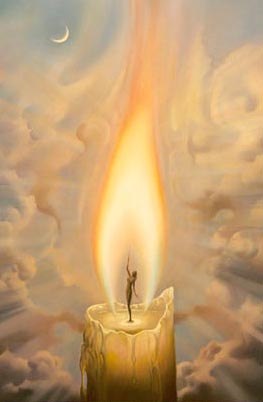
Insisting on the vectorial nature of the flow of the Power, Magic employs a whole set of techniques that facilitate such unidirectional movement.
This means the Power’s entry changes the system.
In other words, after the Power enters through an opening, the system changes, and that entrance, accordingly, changes, making reverse flow impossible.
On the one hand, this ensures the Power’s movement is directed, not oscillatory; however, it is often overlooked, leading to various adverse consequences.
The first such consequence may be failure to extract the Power from a system by the same route it entered by which it was introduced. This is a common mistake when crafting amulets and talismans, particularly those based on Bind-Runes and Galdrastafs, when Eril creates a channel either only for receiving the Power or only for emitting it. In the first case one obtains a strong but fruitless Sign; in the second, the amulet’s Power quickly drains.
The second consequence is the spread of error in the Magus’s own mind-development, when he believes the Power can flow backwards.
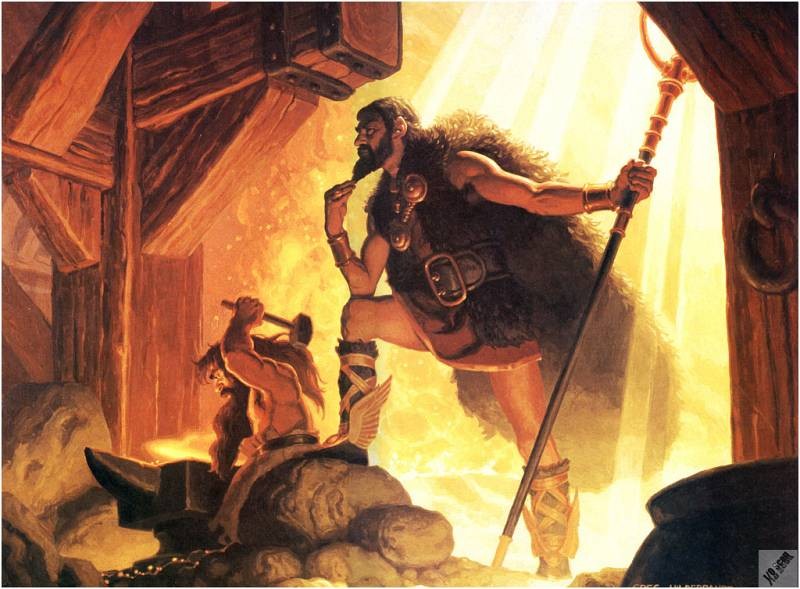
When entering battle, many Magi leave the door open behind them, believing that their “unburned bridges” will provide convenient routes for retreat should the fight take an unfavorable turn. They fall into a trap, for the retreat path proves illusory: the “turn of the wheel of fate” means that route leads neither from where they left nor to where they intend to go, and by rushing back along it the hapless warrior becomes more entangled, hastening defeat.
Therefore the Magus who understands the transforming influence of the Power and the one-way nature of its flow must anticipate both a path to receive the Power (through himself, an amulet, a Ritual, or anything else) and a path for its outflow (if such outflow may be necessary). In other words, the Magus must provide a path for the Power’s entry and a path for its exit, and also account for the changes that will occur in the system as the Power circulates.
In particular, an amulet should have elements through which the Power is “breathed in“, and elements that channel the transformed Power outward. The same applies to a Ritual, which must include formulas for attracting the Power and mechanisms for its use. Finally, the Magus’s mental development should be permeated by the awareness that “you cannot step into the same river twice“, and the strategy of “keeping doors open” should give way to a strategy of “opening new ones”, if retreat is unavoidable.
Tell me, can realization symbols, the same pentagram for example, be considered paths of the exit of Power?
The pentagram can be both a path of entry of Power and a path of its exit, depending on the circumstances. Being the ideal ‘cycle’, the pentagram simply redistributes the flows of Power as required by the conditions and intention of the Ritual.