
Desire and Fear of Victory
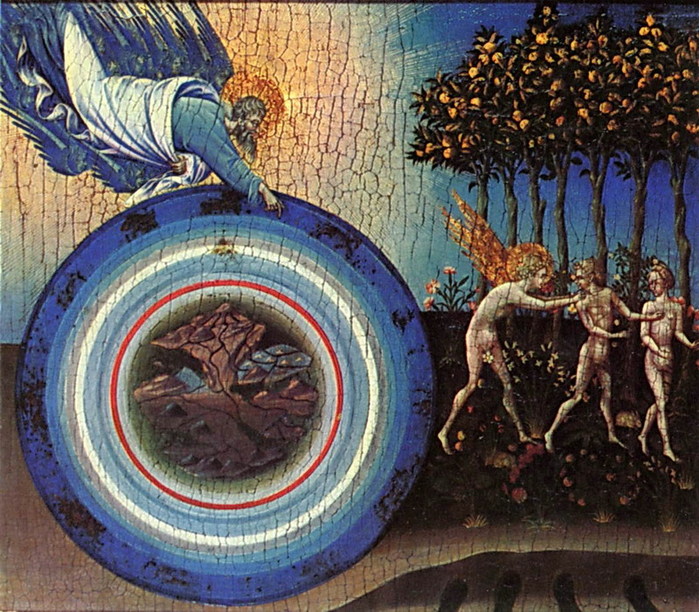
Paradoxically, the refusal to enter a battle is often caused not by the fear of defeat or innate pacifism, but by the fear of winning.
Careful analysis shows that most defeats before battles begin occur precisely because of the fear of emerging victorious.
After all, victory in a battle opens up a new field of activity — the world expands — and it is exactly this that the Parasite of mind so desperately does not want.
Therefore it trains the mind to feel like a victim, covering that feeling with a distractor in the form of asserting its own “peacefulness.” Almost none of those preyed upon by predators will ever admit to being a victim, and they will not make even the slightest effort to analyze their situation or the nature of the agreements they have entered.
The mind is trained to sit in its cramped little world, joyless but seeming safe and familiar, and from the very beginning of its incarnation it is instilled with the idea of the futility of battles and the danger of tearing down barriers.
It is taught to believe that it will “not cope” with the victory that “falls” upon it; it is better to stay where it is and to remain as it is (in reality — who the predators want it to be).
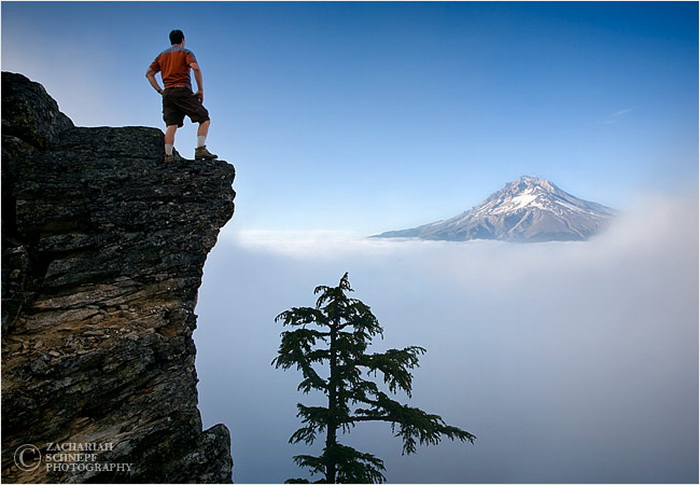
At the same time, even the forces of incarnation resist such a condition. We have already discussed that possession of the Axis of the lineage grants a being the Desire to Be the Victor. The Power of Blood clashes with the voice of the Parasite of mind. But even those who possess the Axis of the lineage often falter before the Parasite’s onslaught and assume the role of a victim. This is all the more true for those deprived of that Axis.
The fear of victory is built on two distractors — a distorted attentiveness to the new environment (turned into a fear of anything new and a fear of the world’s expansion) and a distorted attentiveness to the defeated. The mind is trained to feel guilt when someone else loses because of it. At the same time it fears hostile attitudes from the defeated. And it must be said that this fear is quite justified. The victor is admired, but also envied. Everyone knows that many will jump at the chance to see a former victor unseated.
Therefore the most frequent cause of fear is rivalry among people. Instead of the mind’s activity being directed at liberation from the Parasite’s tyranny, it is diverted into rivalry with others. This weakens ties between people and leads to isolation. One who is constantly in competition with others feels lonely. The most important need — the need for social bonds — is not satisfied. Therefore people prefer to avoid situations of rivalry, even when they are necessary for the mind. Then the Parasite resorts to all sorts of tricks to make people compete with each other instead of with it. For example, refusal to compete is portrayed as weakness.
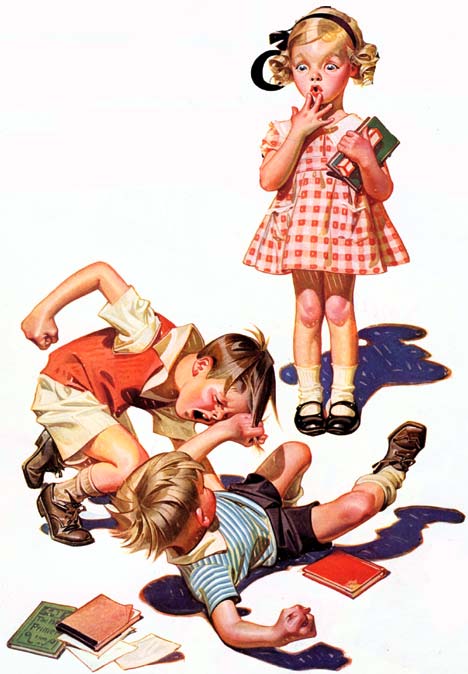
At the same time, rivalry can exist only under conditions in which everyone recognizes the same values and pursues the same goals under the same rules. This results in individuality being pushed into the background, which naturally harms the mind’s creativity.
Creative activity by its nature requires people’s diversity, the originality of their thoughts, individuality of ways, and a readiness to question the expediency of agreements accepted earlier.
It is no surprise that rivalry stokes conflicts. In a state of constant competition we encounter ideal warriors but with cautious, obedient individuals. If a person adheres to values that transcend depersonalization, they are usually skeptical of rivalry.
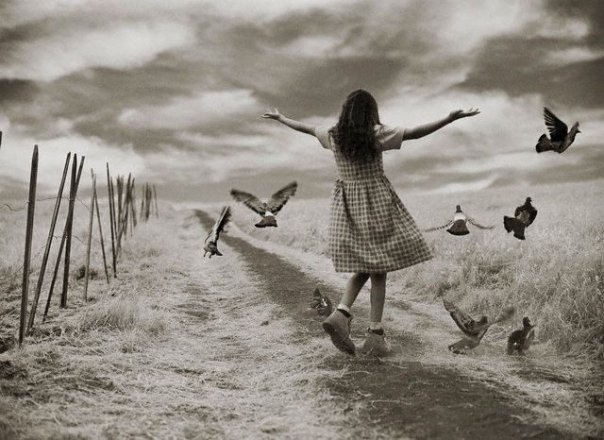
In most cases the mind fears being independent. It is suggested that it cannot bear being left to its own resources; it must itself give meaning to its incarnation rather than receive it from a higher power.
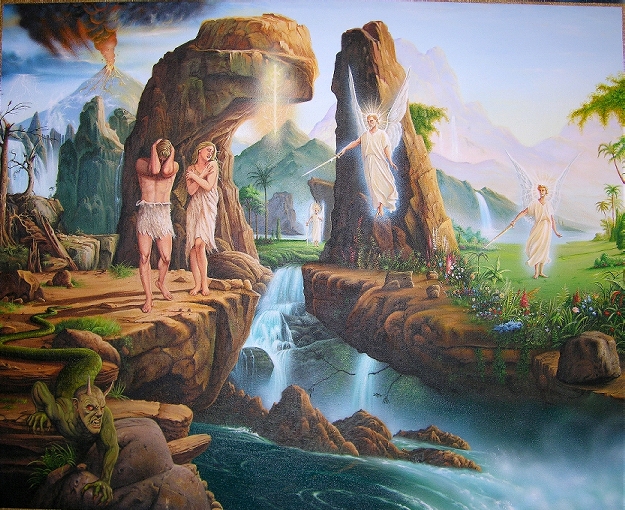
The fundamental link between human beings and freedom is strikingly depicted in the biblical myth of the expulsion from Paradise. The myth equates the beginning of human history with an act of choice, while especially emphasizing the sinfulness of that first act of freedom and the suffering that followed. Man and woman live in the gardens of Eden in complete harmony with one another and with nature. There is peace and quiet; there is no need for work; no choice, no freedom, not even the need for reflection. Human beings are forbidden to eat from the Tree of the Knowledge of Good and Evil. They break this prohibition and deprive themselves of harmony with nature, of which they were a part until they stepped beyond its bounds. Yet this is the beginning of human freedom and the beginning of the development of the Universe.
And just as the history of humanity began with the expulsion from Paradise, the personal path begins with a step away from the familiar, cozy world into an unknown and dangerous world — a world in which one can find oneself and one’s freedom.
“Everything is meaningless, life is fleeting,
Regardless of taste and appearance,
Choose, only the speed of flight…” –
Whispers quietly, the ‘native’ Parasite… 🙂
Great article, thank you.
I really want freedom and to find myself.
Impressive! Everything is noted so accurately and precisely, every thought is relevant and harmonious. Wow!!!