Aeonic Deities
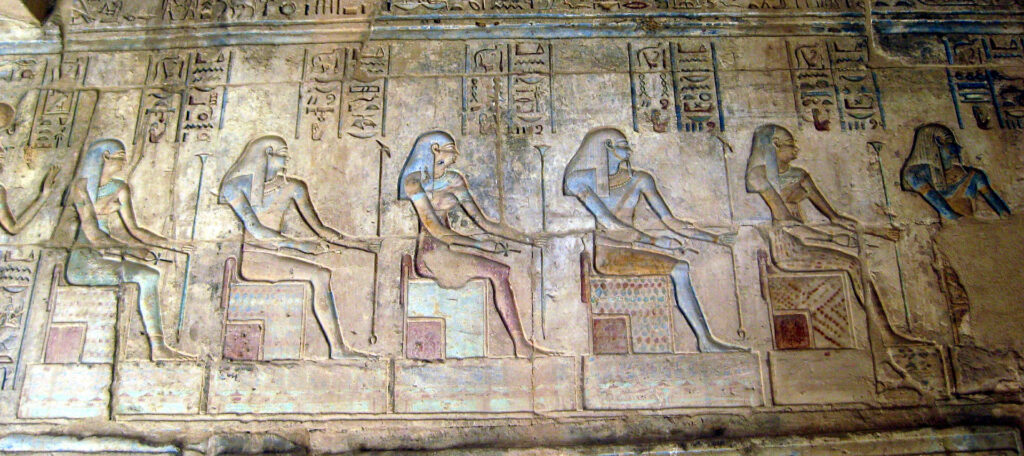
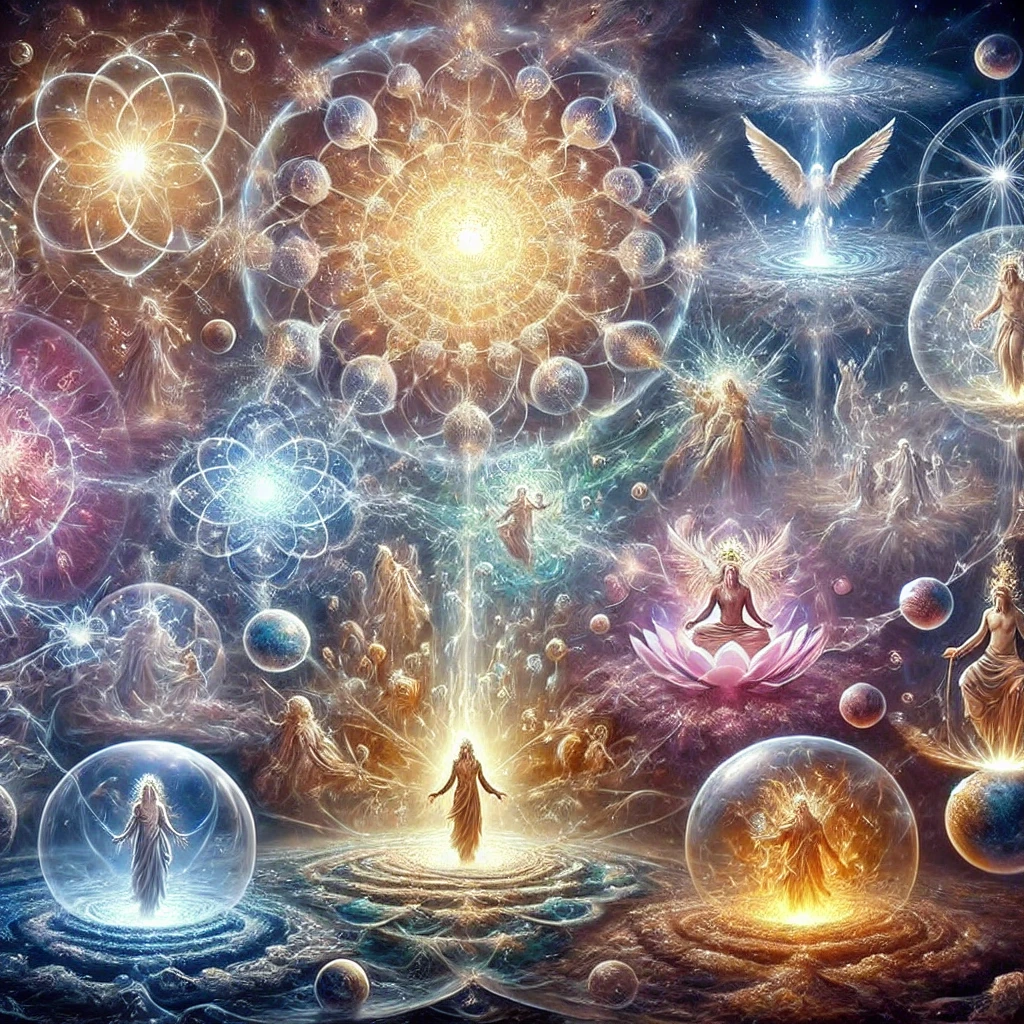
Despite their apparent difference from the “classical myth,” the Gnostic concept of aeons as forces, properties, and spaces within the Interval is rooted in the same source as the “customary” Greco-Roman ways of describing the world — in the ancient Egyptian myth. Just as in classical Hinduism all gods and spirits are regarded as aspects or manifestations of the One Deity, the Egyptian discourse presents the same primordial creative forces, even more fundamental than the Kabbalistic concepts of sefirot.
And it is no accident that the Gnostics called these primary manifestations of Divinity “aeons” — “eternities” — thereby emphasizing the timeless, non-processual nature of these forces.
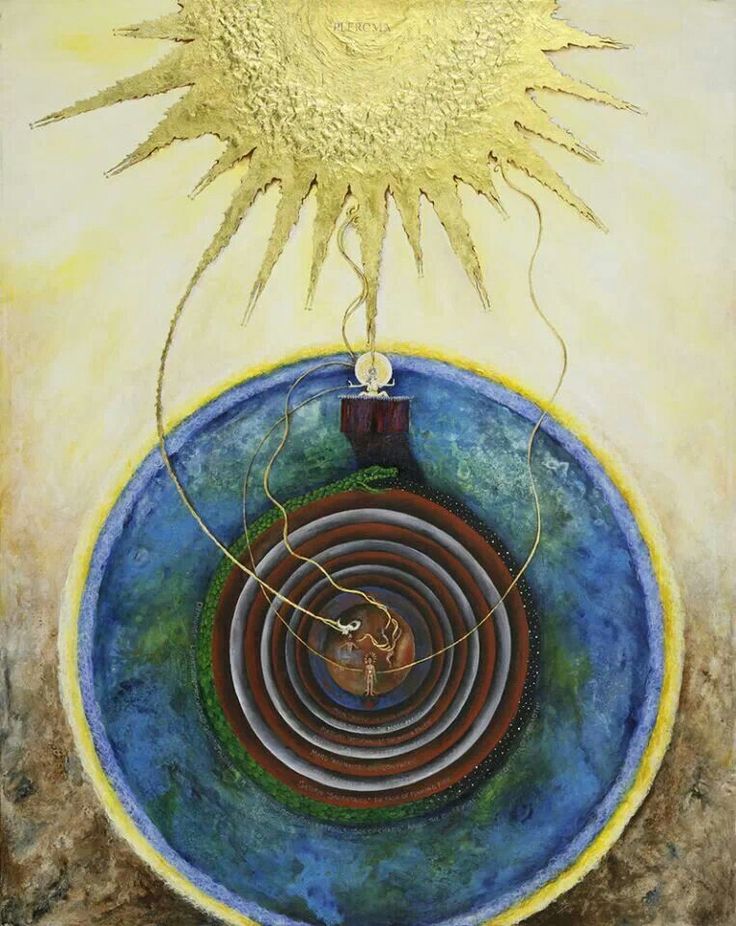
At the same time, the totality of aeons — the Pleroma — is Deity Itself in one of its aspects — having fully known itself; and therefore the Pleroma is the center of all possibilities and purposes of the world-process. In the original, Ancient Egyptian context, this is the self-created Atum, who arose as a result of the “merging” of the primordial deities of the Ogdoad, and thus is the “Beginning and End” of the world.
Thus, the entire universe exists “within” Atum, the Protoaeon or Pleroma, and the greater part of this universe is vast oceans of potentiality in which, like small ice floes or grains of sand, “manifested” or “crystallized” Universes float.
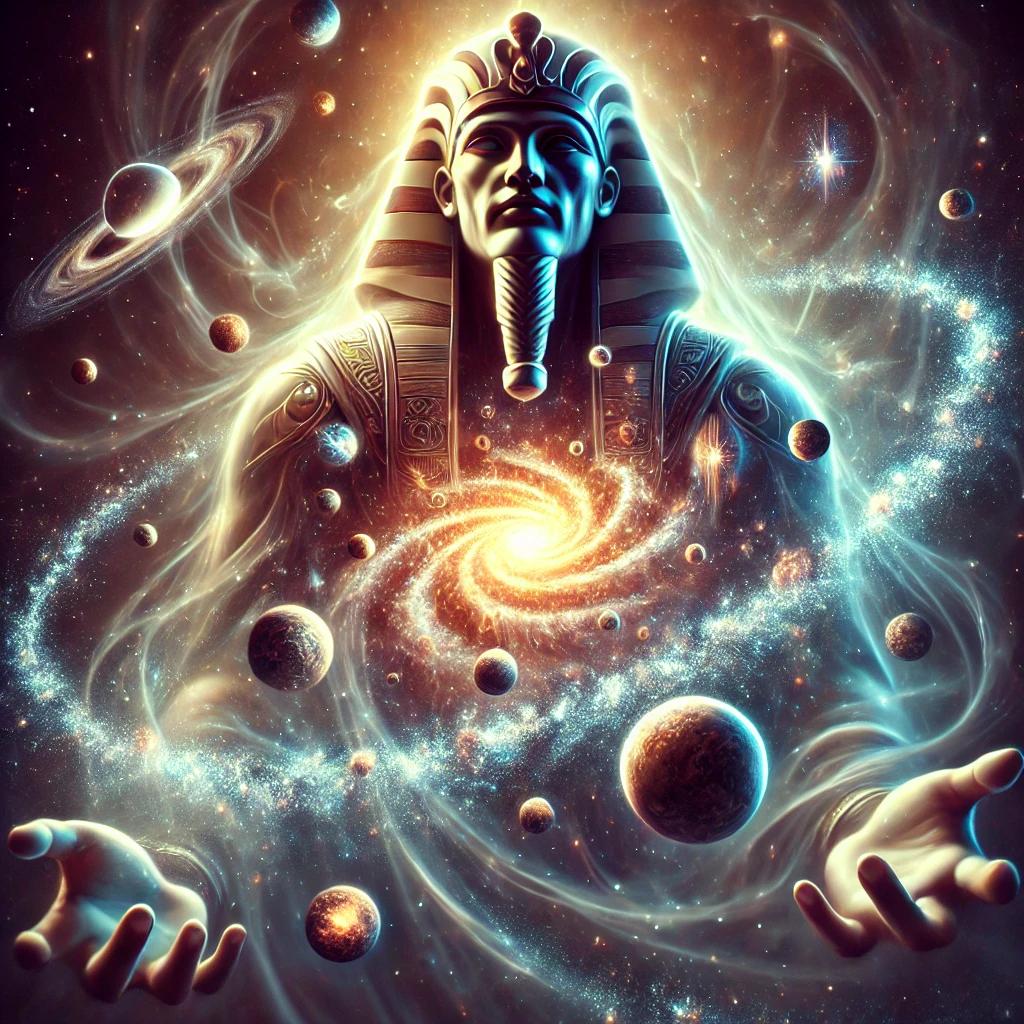
It is precisely such a concept of the single Protospace, within which one can find various levels, forms, or potential fields, that underlies the Gnostic concept of aeons (and the later system of ethers superimposed upon it).
Accordingly, one can speak of the One aeon as the universal potential consciousness and, at the same time, the common medium in which this mind is able to fully know itself. This “original” aeon is usually “set aside” and called either the “Protoaeon” or identified with Bythos (“Depth”). Thus, the Protoaeon is the Pleroma in its “unrealized” state. It is a deity that enters the path of self-knowledge. In any case, just as all sefirot are contained in Keter (and Keter is born from the aeon Bythios), all aeons (and, accordingly, all ethers and all manifested universes) are different aspects, “quasi-minds” or “subspaces” of the Protoaeon.
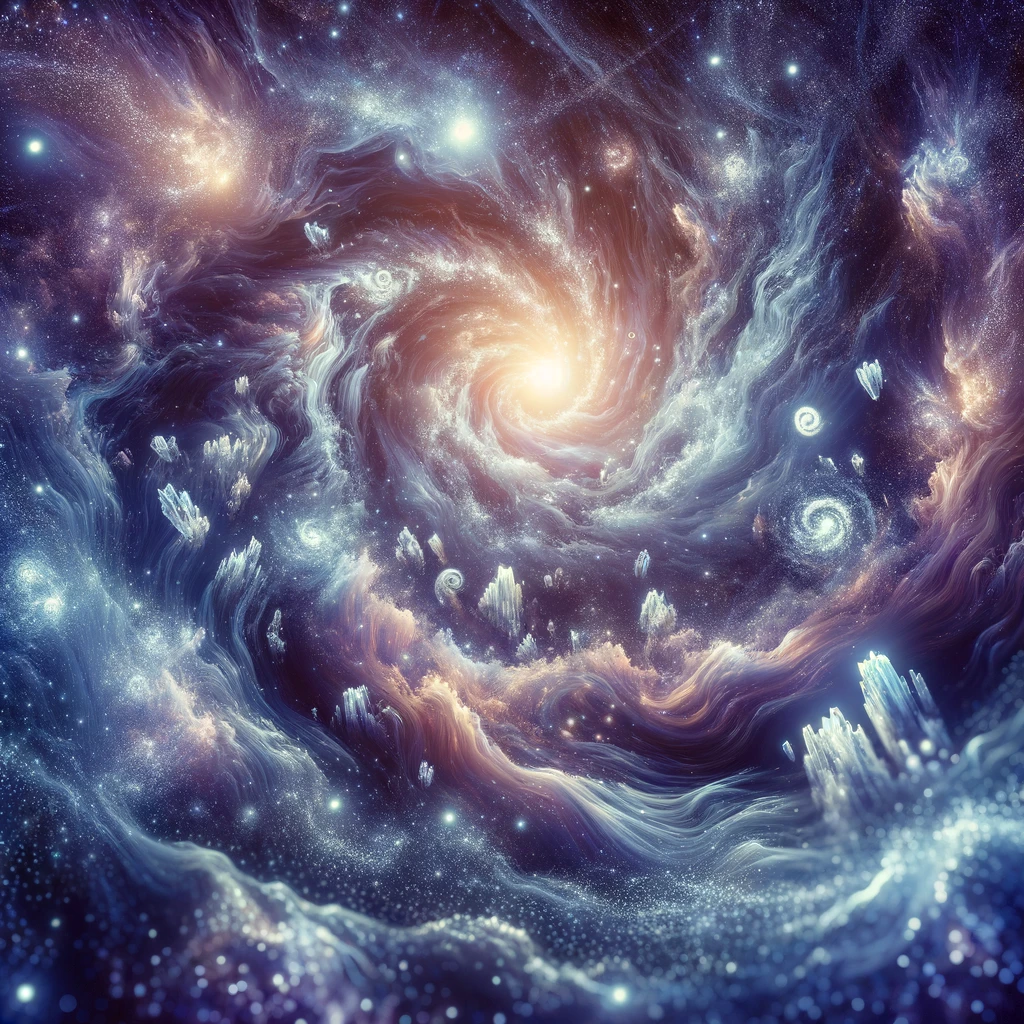
So, in exactly the same way as the stream of consciousness of every being is a microcosm, and its fully realized “ideal” aspect — the Monad — is Deity Itself from one of its points of view, each aeon (and the ether generated by it) is a “micropleroma.”
Accordingly, when considering each ether, one can discover in it the properties of space and of the divine mind organizing that space. Since ethers do not have actual existence (as we have understood, they are fields of potentiality), the aeonic deity organizing each ether, and the qualities of its space, are an expression of the aeonic “section” that this ether generates. If we speak of ethers as the “dream space” of a deity, then we can say that the deity of each ether is the “dream body” of the corresponding aeon.
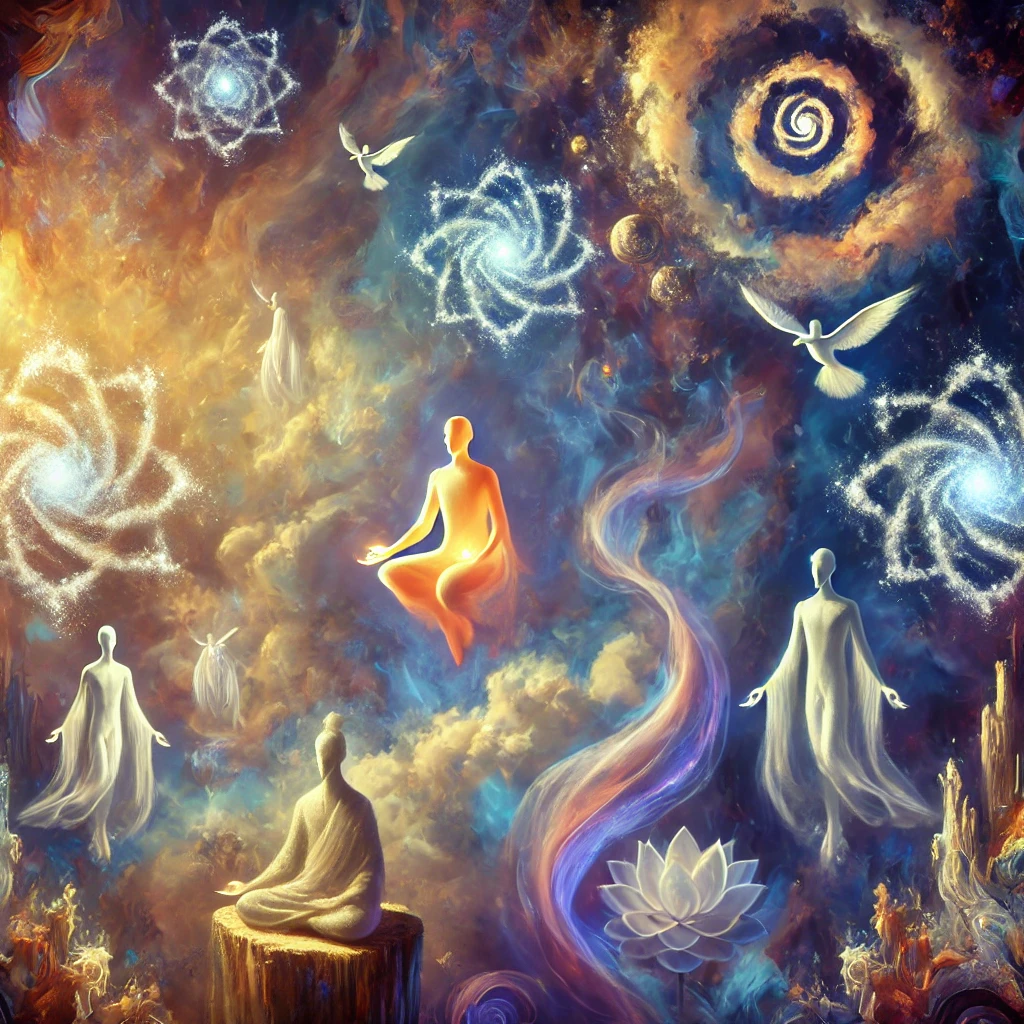
At the same time, it is important to understand that, since the space of the Interval — that is, essentially, aeonic space — has infinite extent and includes all possibilities, it contains both “creative” and “destructive” potentialities; and therefore the “gods” and “forces” of its subspaces can have very different characteristics.
From this it becomes clear that:
firstly, moving from ether to ether, the mind in fact does not “move” anywhere, but opens for itself new aspects or levels of one and the same potential space that has infinite depth and aspectness; that is, all ethers are, in essence, one hyperspace with infinite dimensionality;
secondly, each of these aspects (or ethers, as noted above) is organized by its own level of mind — an “aeonic deity,” which is the cause, source, and personification of the properties of the given ether.
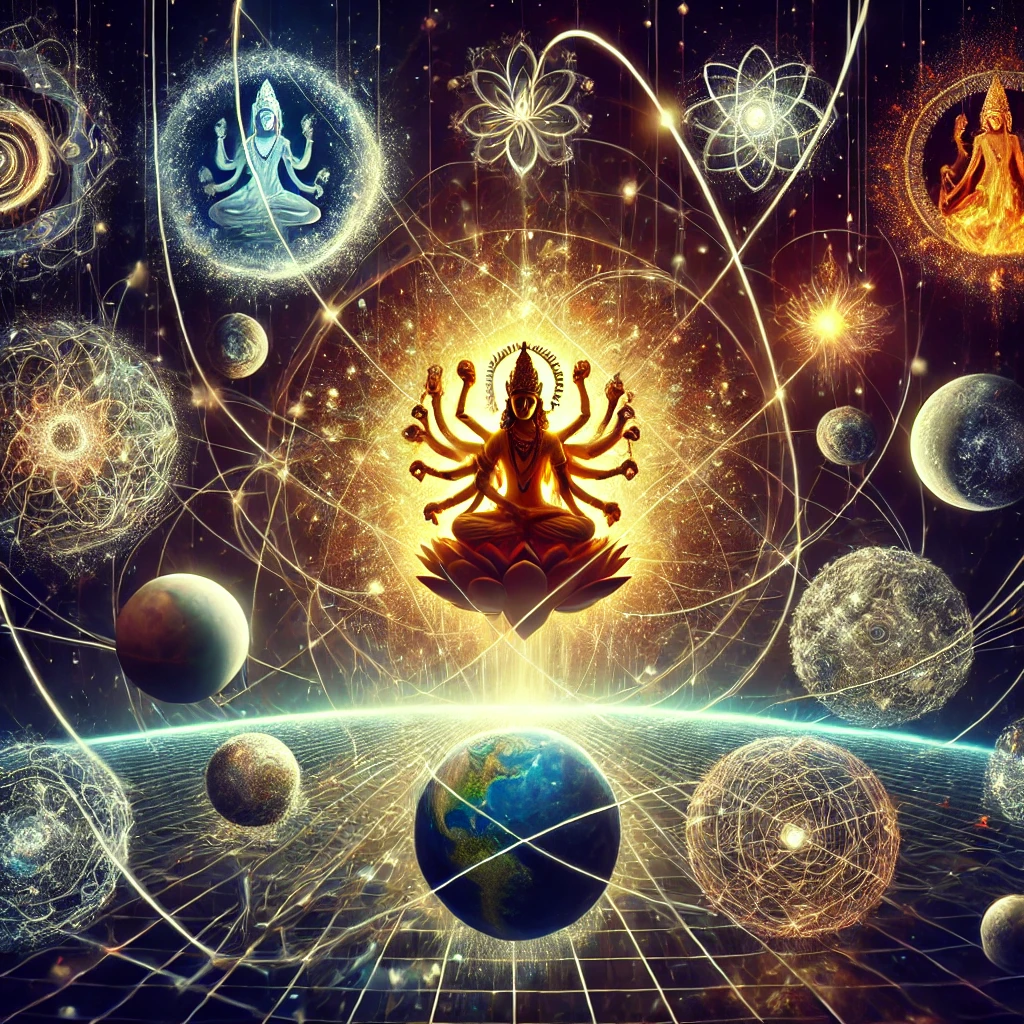
For the “external” observer perceiving them, these aeonic deities usually appear in a form familiar to that observer, as deities from the mythologies known to them; however, they are only indirectly connected with that deity as a being. When a visioner perceives certain images in the Interworld, they should treat them roughly as they would dream images — as a visual code behind which certain meanings are hidden. Accordingly, when we see a particular god in the Interworld, one can say that we interact with an energy, and our mind likens it to a god’s power with the power of one or another god. At the same time, the Living gods themselves (as governing beings dwelling in one of the worlds of Pravi) may not even suspect that the mind of a given visionary attributes their properties to unmanifest aeonic forces.
Thus, one can speak of the “aeonic foundations” of any manifestation: all actual worlds are born from the aspect of Sophia — the “lower” aeonic wisdom — and Sophia herself (like the entire “archontic” dodecad) is born from the interaction of the energies of the aeons “Human” (Άνθρωπος, i.e., Individuality) and “Church” (Έκκλησία, i.e., Collectivity). At the same time, Sophia also acts as the deity of the “lower” ether TEX, containing the conditions and potentials for the formation of manifested worlds.
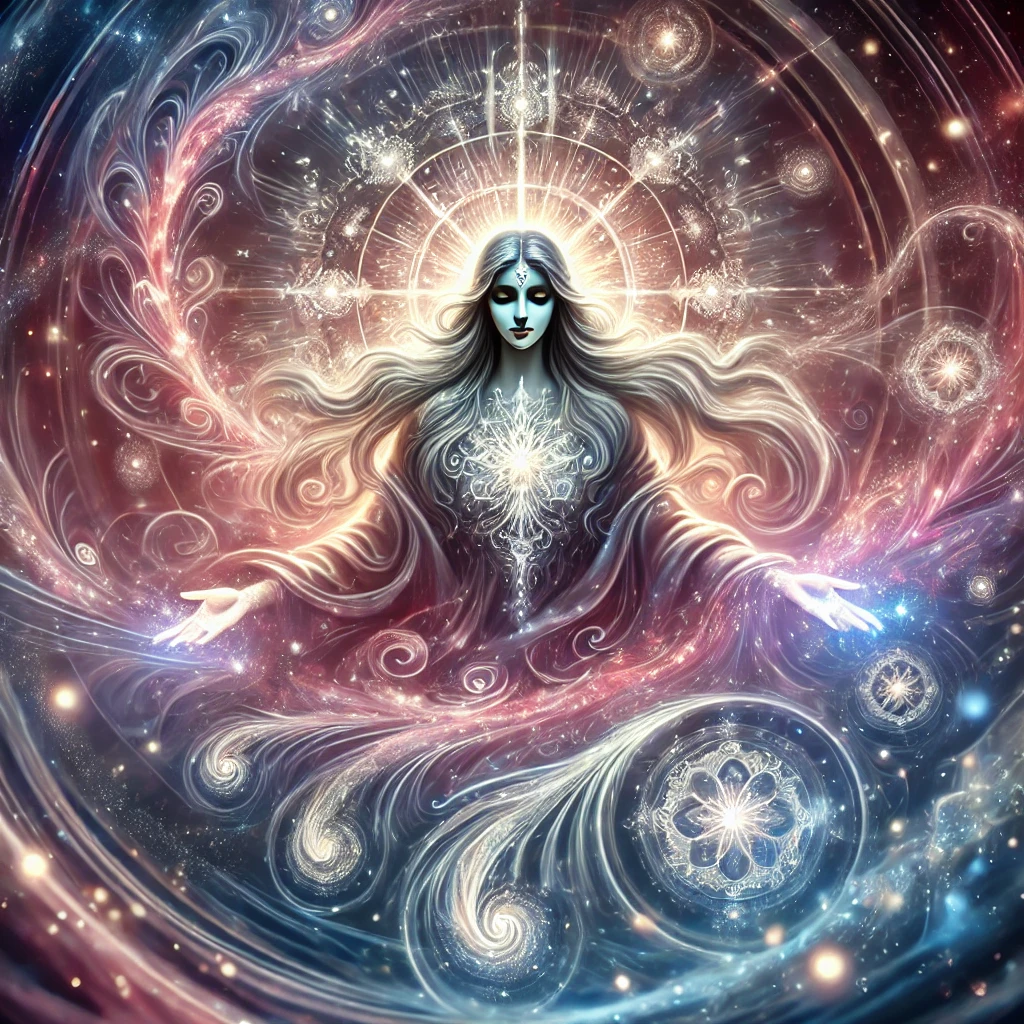
And it is precisely Sophia who thus is the Great Mother, the Goddess of actual worlds, while her aeonic spouse, Theletos (Θελητός), Desire, (and the deity engendered by it — Serapis) function as the prototype of the Great Father in these worlds.
Considering the aeonic principles, the ethers generated by them, and the deities governing these ethers as different aspects of pleromic reality, one can open significant evolutionary possibilities, since all these forces are present “here,” at every point of the manifested world, as “calls to perfection,” aspirations to freedom and full realization.
And the study of ethers, aeons, and the deities of the Interval becomes not only an important and exciting quest that prepares the mind for posthumous wandering and helps avoid loss of energy in dreams, but also a further tool for development, awareness, and holistic vision.
Thank you.
Dear Enmerkar, thank you for the useful article clarifying important meanings. Where can I learn more about eons, gods, and the ethers of the Interval for practical work with them?
John Dee and Aleister Crowley wrote about the ethers (“Vision and Voice”).
About eons – Gnostic literature:
http://www.gnosis.org/library/ter_val.htm
http://www.gnosis.org/library/advh1.htm
Thank you!