24 Steps of Actualization
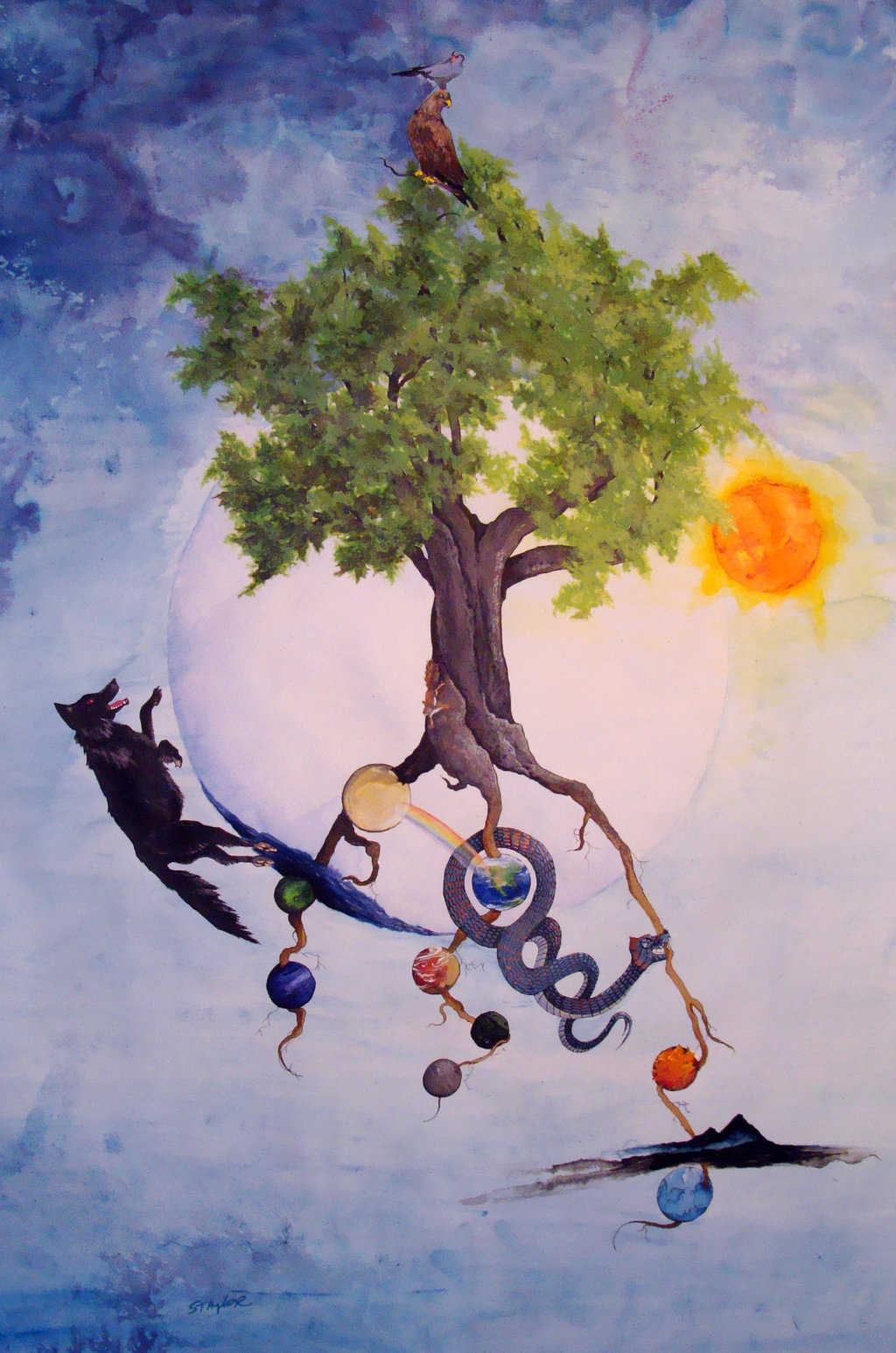
The Runic Myth originates in the notion of the Turning Wheel.
World Wheel, with its eight “spokes”, as it rolls through the three worlds, leaves twenty-four imprints, twenty-four steps that the World (and everything in it) undergoes on its path, denoted by the 24 Runes of the Elder Futhark.
Let us recall that these steps correspond to the movement of the Quaternary due to the attraction of its poles.
The three worlds through which the Wheel rolls correspond to the creation of objects, the creation of laws, and the creation of interactions. The three Norns (Fate, Becoming and Duty) embody the same idea.
How things ought to be, how they are realized, and what ought to come of them.
Examine how the Eddic Myth describes these steps:
I. Fate (the birth of life)
1. Activity. The forces that bring the world into being come from the World Fire: «There was once a land in the south, its name Muspell. It is a bright and hot land; everything in it burns and blazes. And there is no access there for those who do not live there and do not trace their lineage from there.»
2. Activity is drawn to Passivity. At the border of fire and ice, the stream of life and death is born: «And if from Niflheim came cold and fierce weather, then near Muspellheim there always reigned warmth and light. When frost met warm air so that the frost began to thaw and flow down, the drops were enlivened by the life-giving heat and took the shape of a man; that man was Ymir, and the frost giants call him Aurgelmir.»
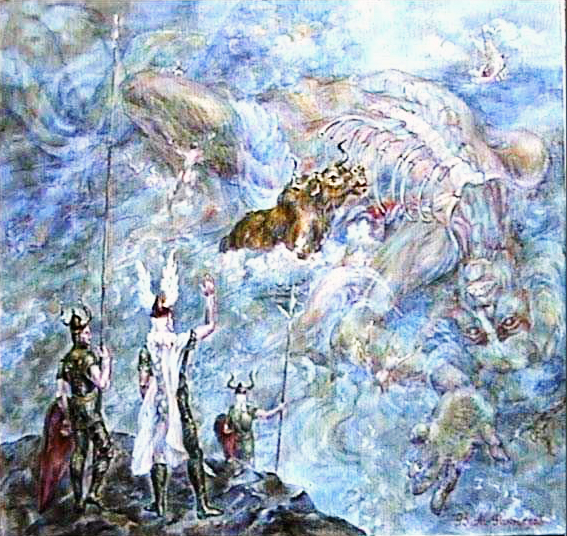
3. Passivity. The progenitors emerge: «Sleeping, he sweated, and under his left arm there grew a man and a woman. And one leg conceived with the other a son. And from this came all his offspring — the frost giants. And we call him Ymir, the oldest of the giants.»
4. Passivity, fertilized by Activity, gives birth to Neutrality: «Borr… took Bestla, the daughter of the giant Bölthorn, as his wife, and she bore him three sons: one was called Odin, another Vili, and the third Ve.»
5. Neutrality. The cosmos is balanced by the World Tree: «Three roots sustain the tree, and these roots spread far apart. One root is with the Aesir, another with the frost giants, where the World Abyss once was. The third reaches toward Niflheim.»
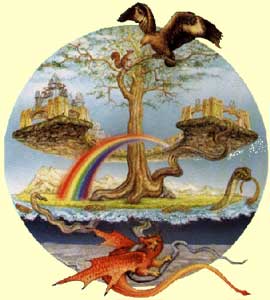
6. Neutrality shapes Receptivity. The primal matter takes on structure: «They assigned a place for every spark: some fixed them in the sky, others let them fly in the firmament, but even by this they assigned their place and prepared the ways.»
7. Receptivity. The complexity of the cosmos begins to demand greater knowledge: «Once the All-Father came there and asked to be allowed to drink from the spring, but he received not a drop until he pledged his eye as security.»
8. Receptivity becomes Active. Understanding the world provides the key to mastering it: «After that they built for themselves a city in the middle of the world and called it Asgard… There the gods dwelt with all their offspring, and there began many events and many quarrels on earth and in the heavens.»
II. Becoming (preparation for death)
9. Activity. The world is driven by the threat of destruction: «There is nothing to wonder at that she runs so. A pursuer drives her, and she has nothing left but to flee.»
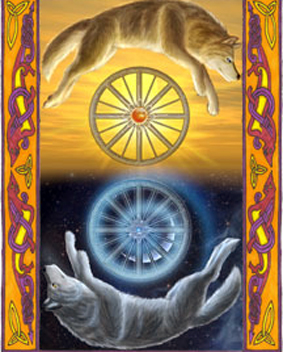
10. Activity is drawn to Passivity. Emptiness strives to be filled: «There will be a great throng of people there, and there will be yet more, though this will seem little, when the Wolf comes.»
11. Passivity. Without impetus, movement halts: «And Odin cast the giantess Hel down into Niflheim and set her to rule over nine worlds; she might give shelter to all who were sent to her.»
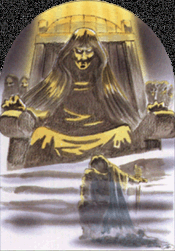
12. Passivity, fertilized by Activity, gives birth to Neutrality. All motion is cyclical: «Every day, as soon as they rise, they dress in armor and, leaving their halls, fight and slay one another. And when the time for breakfast comes, they ride back to Valhalla and sit down to feast.»
13. Neutrality. The World Tree connects the worlds: «Men do not know what troubles the ash Yggdrasil has: Nidhogg eats its roots, a stag its crown, the trunk perishes from rot.»
14. Neutrality shapes Receptivity. The World Tree, standing on the threshold, gives rise to the Fates: «Under that ash by the spring stands a fair hall, and from it come three maidens. They are called Urd, Verdandi and Skuld. These maidens judge men’s fates; we call them the Norns.»
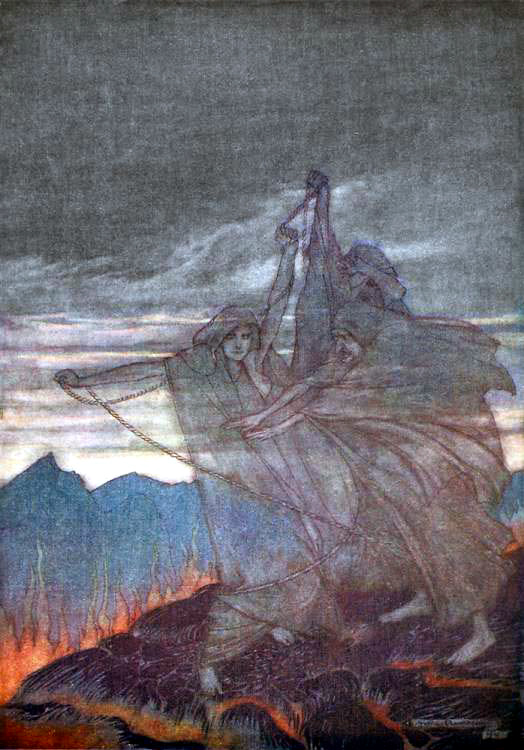
15. Receptivity. The world is kept whole by the vigilance of its guardians: «He is the watchman of the gods and dwells at the edge of the heavens to guard the bridge from the mountain giants. He needs less sleep than a bird. By night as by day he sees for hundreds of leagues. And he hears how the grass grows on the earth, and the wool on the sheep, and everything that can be heard.»
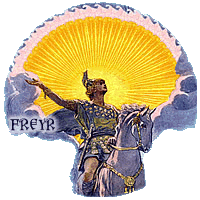
16. Receptivity becomes Active. Victory is born from the light of wisdom: «That struggle with Beli was of little consequence; Freyr could have slain him with his fist. But the hour will come when the sons of Muspell go to war, and then it will be grievous for Freyr that he has no sword.»
III. Duty (despite the apparent inevitability of death, it must be resisted)
17. Activity. Sometimes one must perform seemingly futile deeds for a greater purpose: «Then all laughed, except Tyr: for he paid with his hand.»
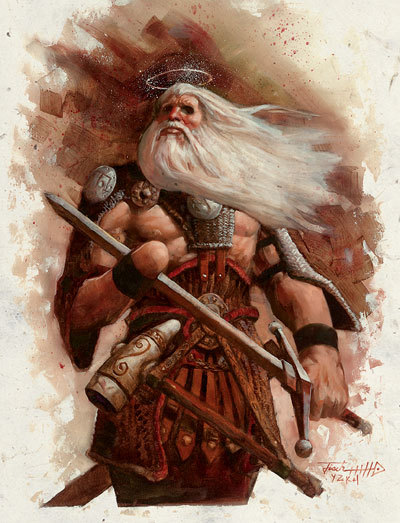
18. Activity is drawn to Passivity. Wisdom helps one avoid danger: «I think Frigg knows all fates, though she keeps them secret.»
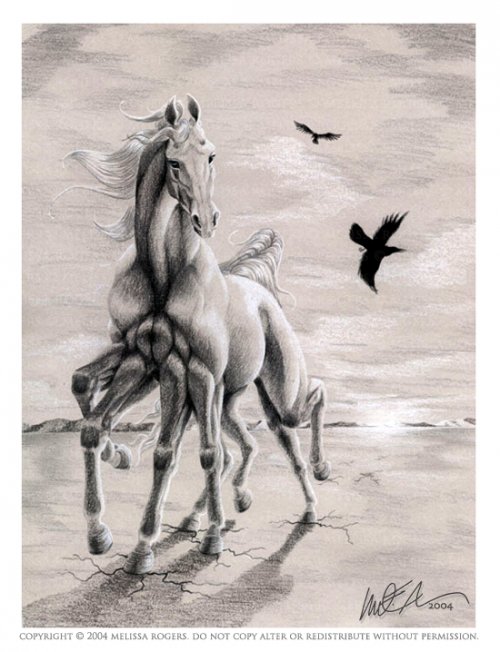
19. Passivity. Neither the rider nor the horse acts alone. Action occurs only through their cooperation. Sometimes it is better to let the current carry you: «The foal was of grey color and had eight legs, and there is no horse better among gods and men.»
20. Passivity, fertilized by Activity, gives birth to Neutrality. On the way one must remain human among humans, unique and at the same time one of many: «They gave them clothing and names: the man was named Ask, and the woman Embla. And from them the human race descended, settled by the gods within the walls of Midgard.»
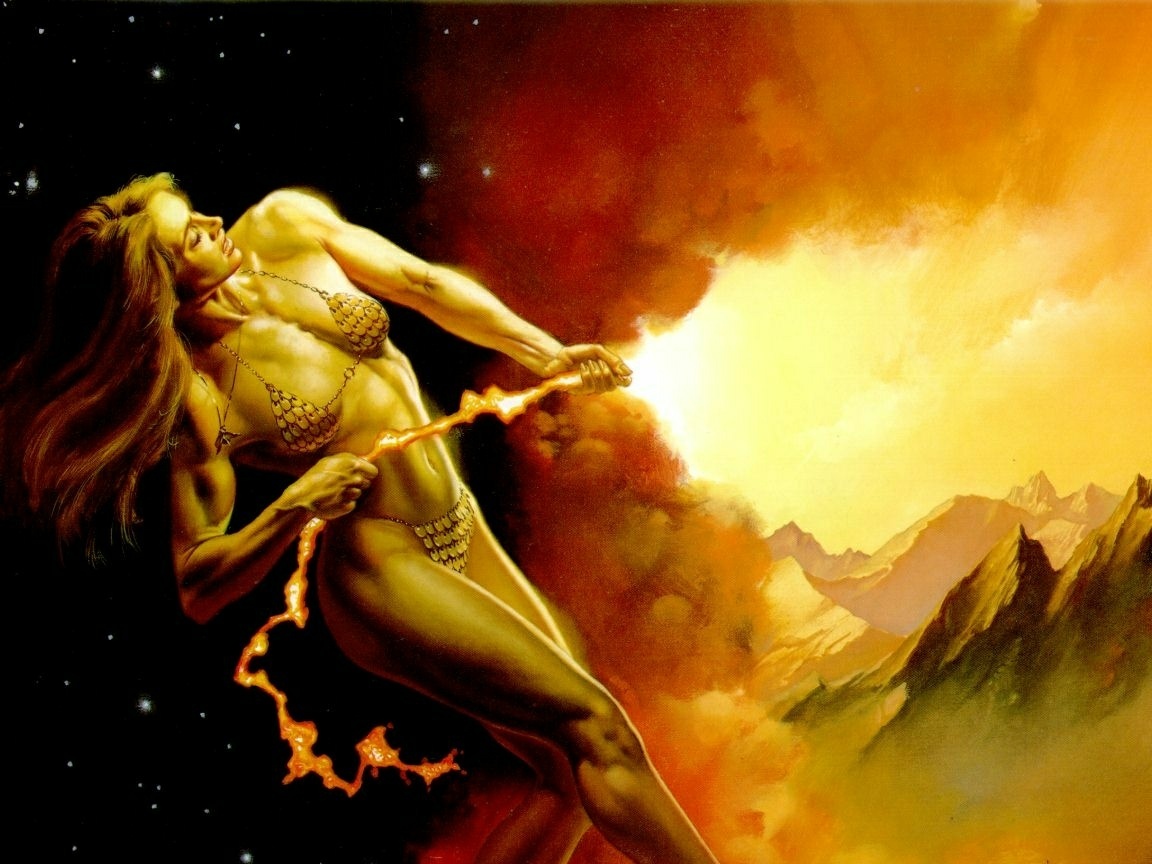
21. Neutrality. Having drawn power from the depths, one may use it on the surface: «Freya decides where the heroes shall sit; she shares half of the slain warriors with Odin.»
22. Neutrality shapes Receptivity. Life, fertilized, forms the essence of worlds: «Freyr is the best warlike rider in the hall of the gods; he did not wrong maidens or women.»
23. Receptivity. Mastery of the world requires careful stewardship: «Thus the gods revered their sanctuary and their home so much that they would not desecrate them with the Wolf’s blood, though prophecies say that he shall be Odin’s slayer.»
24. Receptivity becomes Active. The way to power lies through death and rebirth: «She sees a hall more wondrous than the sun, it stands on Gimle, shining with gold: there the faithful hosts shall live; eternal happiness is destined for them there.»
Enmerkar, excuse me, is there a connection between the 24 steps of implementation and the image from the Revelation of John – the 24 elders on 24 thrones?
I would not mix myths… You might find a correspondence between the 24 Old Testament Prophets and the 24 Runes – but I am not sure it would be fruitful…
It’s so nice that many steps describe ascension, evolution, and correct decisions. From this, it feels like you receive a charge – you must do everything in the best way possible. Thank you for the blog)
What is the difference between neutrality in step 13 and in step 21?
The first Neutrality (Raido) is rooted in the Upper World; although it balances the worlds with its movement, its source of driving force is above. The third Neutrality – Laguz – draws strength from the Source of Wisdom, that is, from below. The second Neutrality (Eiwaz) connects the Upper with the Lower in a balanced manner. The tree as a father, the Path (Raido), the tree as a Mother, the Source (Laguz), and the tree as their attraction (Eiwaz).
Hello Master! Do you believe there is a connection between the 24-hour daily cycle and the streams expressed by the runes?
Hello. The division of the day into 24 hours is just a convention, an agreement. The runes express streams that are not a result of simple agreement.