
The Experience of Peoples
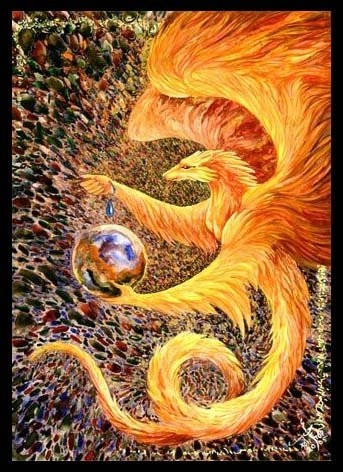
Before continuing the discussion of the gods, one more remark is necessary. When composing comparative descriptions of mythologies, scholars typically seek to draw as many parallels as possible. This approach is not entirely correct, because each people — living in specific natural environments on particular territories where various portal formations are present, and with a distinct egregore — tends to have closer contacts with certain worlds, specific beings, ideas, and principles.
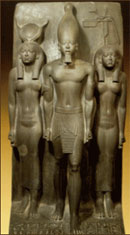
This is evident as far back as ancient times in the example of two great early civilizations: ancient Egypt and Babylon. The former was oriented toward interaction with the forces of Light, with their wisdom and beneficence, paying little attention to evil.
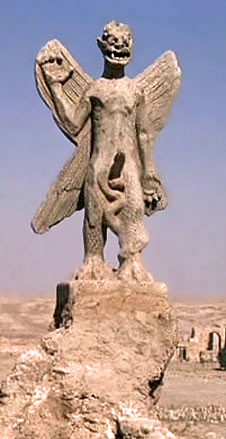
The latter, by contrast, was oriented toward contact with wrathful forces — sometimes openly aggressive and dark. Each of these mythologies was therefore limited; it was precisely that limitation that contributed significantly to their decline.
We observe a similar difference in emphasis among the European “barbarian” peoples. The ancient Scandinavians focused on the deeds of the Aesir, whereas the Celts were more influenced by the Elves, and the Slavs primarily venerated the generative forces of the Vanir. Each of these groups of gods imparted to their worshippers particular wisdom and aspects of power. Naturally, because these peoples maintained close, continuous contact, their mythologies also influenced and blended with one another.
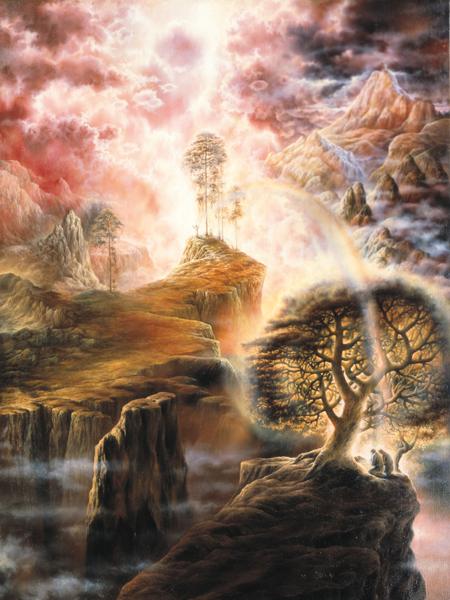
With this caveat in mind, it becomes clear that alongside their undeniable common features there are also key differences that make it impossible and mistaken to fully equate the principles and ideas from different sources. One should understand it is precisely the study of both the shared and divergent aspects of peoples’ worldviews that brings us closer to a fuller cosmic picture of the cosmos.
Leave a Reply