
Runes and Tradition
Among practitioners of the Runes and those drawn to the runic spirit, two different conceptions of the Runes and their place in humanity’s spiritual and magical sphere can be encountered.
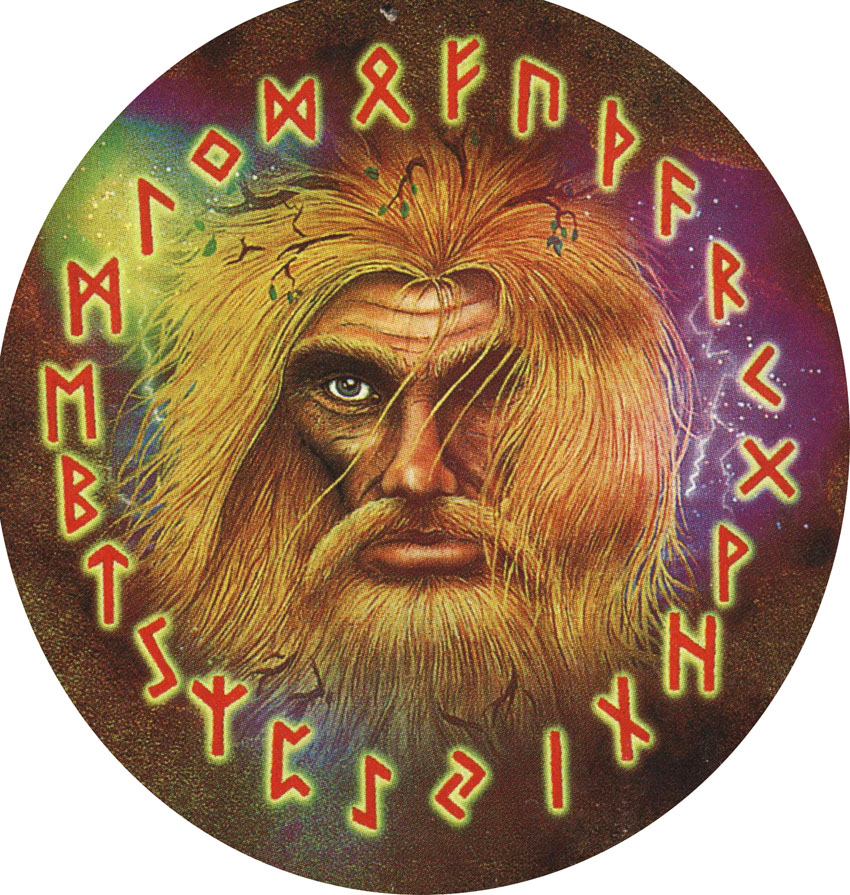 The first perspective does not distinguish the Runes from the Scandinavian context and is common among modern neo-pagans who follow Asatru. For such people the Runes are important as part of their cultural identity; they look for meanings in primary sources (the Eddas and the sagas), and, although mentions of the Runes appear only in Tacitus, they rely on literary sources.
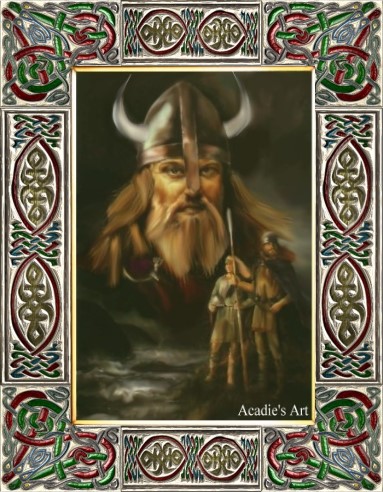
The second perspective, popular, esoteric, and rooted in Bloom, regards the Runes as part of a universal human tradition, putting them on a par with Tarot, the I Ching, and other systems.
Both views have considerable grounds and many adherents.
However, as is known, “truth, expressed without contradiction, is not Truth“, and therefore the peak of power lies somewhere between these extremes. Naturally, those with a Viking spirit will prefer tradition, while those with the spirit of theosophists will favor drawing parallels.
The very spirit of the Runes — the spirit of Odin — is, above all, the spirit of inspiration.
It is clear that, unfortunately, many esotericists, without realizing it, merely imitate Prav’s powers using Yav’s powers, presenting the once-born’s understanding as the understanding of those who’ve crossed the abyss; yet many tradition adherents are limited by its framework, within which, though power seethes, it feels cramped.
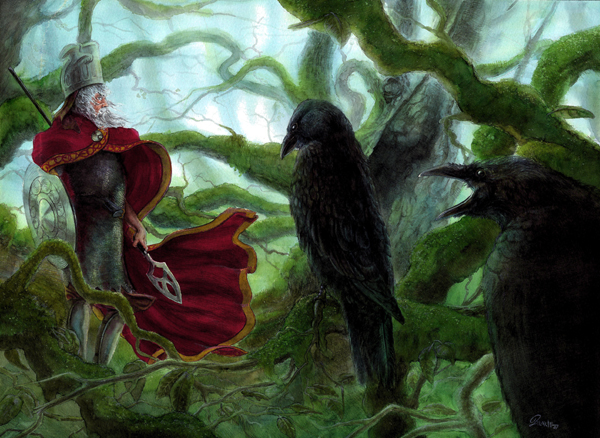
It seems that when interpreting runic powers one need not — and it is futile and sometimes even harmful — to seek parallels with Tarot or the I Ching, but that Tradition’s Procrustean bed narrows one’s understanding. Paradoxically, strict adherence to tradition helps understand Tarot, which derives from initiatory rites, and are crystallized wisdom — but not for runes, which express the seething of the Elivagar.
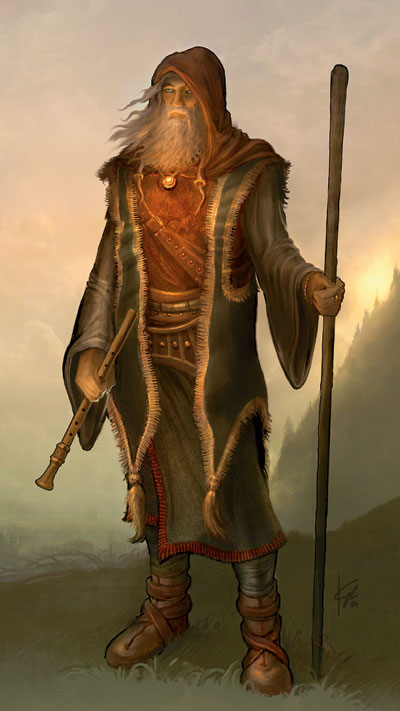
After all, Bloom, whom some admire and whose name others curse, was limited not by ignorance of the primary sources but by his failure to understand the spirit of the runes. Of course, spirit — the spirit of the North — was manifest in the Vikings; however, the Vikings are not the entirety of that spirit.
Do you disagree?
Who from the rune researchers, in your opinion, feels the Runes more subtly?
I agree with you. The truth, as always, is in the middle?:) It is impossible to understand the runes while rejecting tradition, just as it is impossible to understand them by following reconstructed canons of tradition. This deprives of Inspiration 🙂
I’ve seen many examples where Runes were literally ripped from the Northern Tradition, thereby depriving Rune magic of the sacredness and Spirit of the North.
Are the single-born – humans (not mages)?
The heritage that remains available to us is closely related to the Vikings. And the Vikings are the Kshatriyas of the North. But information about the meaning of Valknut, about the rituals of galdra, about the Path of the Gods, about the preparation and training of the erili is scanty. There lies a different level of understanding of the Spirit of the North and Tradition.