Magical Animals
In every mythology, alongside its anthropomorphic characters, also depicts magical, sometimes even divine, animals.
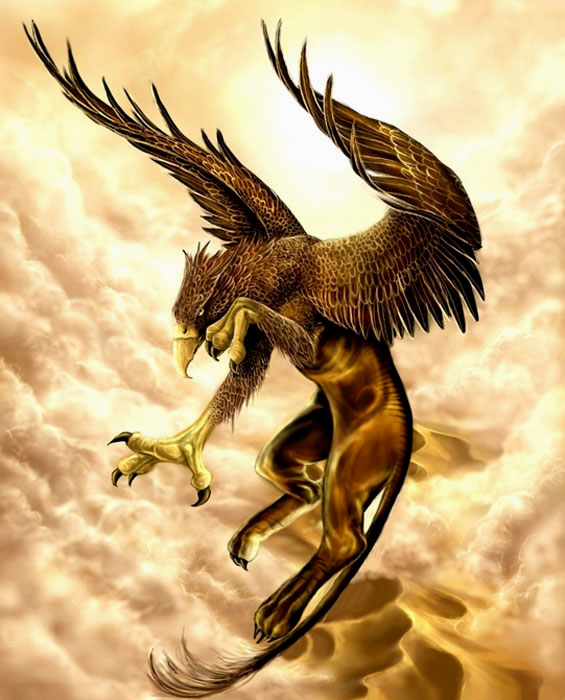
Dragons, unicorns, griffins, manticores, basilisks, chimeras and other creatures are integral figures in myth.
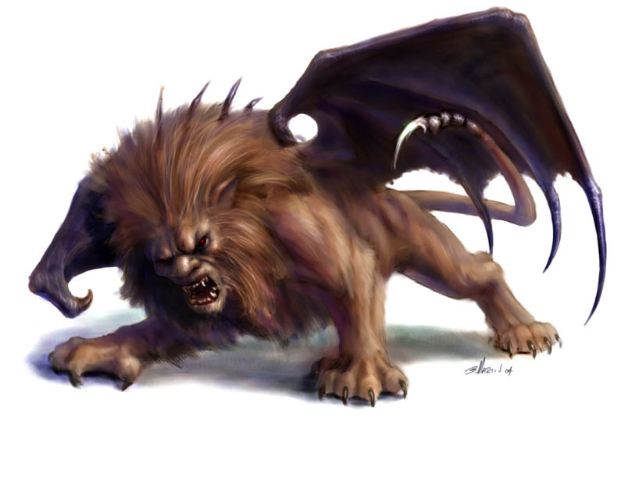
Yet, as so often happens, when myth is popularized, the meaning of these images is lost and flattened: they are reduced either to mere fairy‑tale characters or to personifications of archetypal structures of the psyche. In either case, they are denied substantive existence.
But people who lived (and live) within myth experienced these beings as a living reality, contributing to the overall picture of the world.
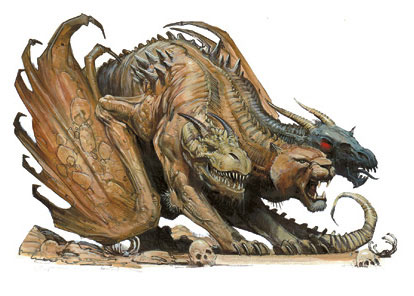
Almost always, beings appear in zoömorphic form that express elemental forces, forces fundamentally different from humans and gods. The majority of such beings are manifestations of various aspects of the Great Mother, the world’s malleable substance. In other words, magical animals do not belong to any hierarchy; they do not even have a permanent existence. Appearing from the depths of the Great Mother, they return there, and yet their next appearance preserves self‑identity, since they embody the aspect of monadic aspect within plasticity and are the result of the binary reflection of the Great Father in the depths of the Great Mother.
The most common figure is the dragon.
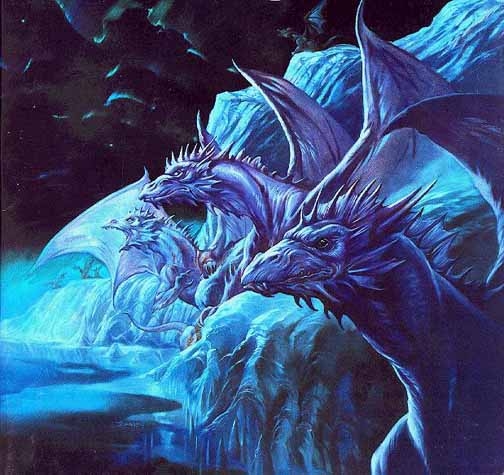
From the Great Dragon, the Fiery Spirit of the Earth — effectively its binary complement — Jörmungandr (the sea Serpent), to the lesser dragons and serpents, these creatures expressed the active passivity: the fiery force of the earth’s depths, the mighty power of the sea’s abysses.
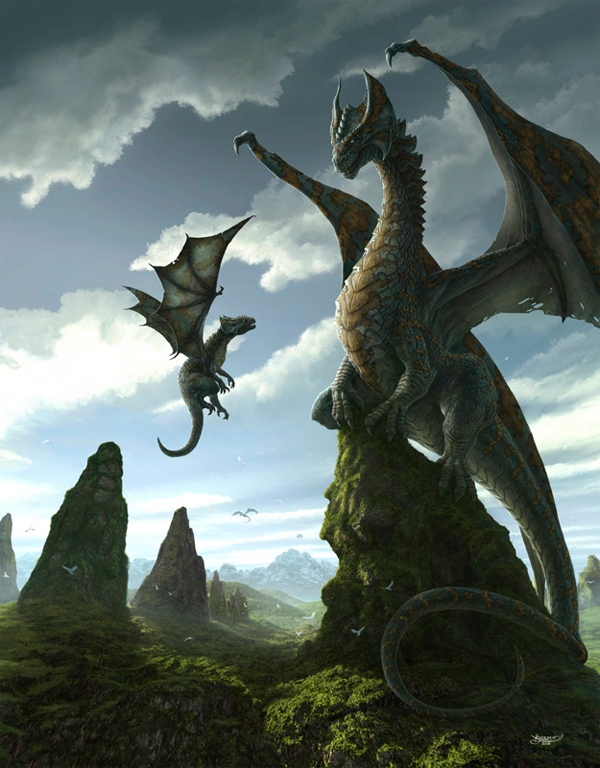
This force cannot be subordinated to the intellect, yet it can be governed by the will. Alongside enormous power, dragons (like all primeval beings) are characterized by great wisdom. Yet their wisdom (as, for example, the wisdom of the Jotuns) is hostile to reason, elemental, and essentially chthonic.
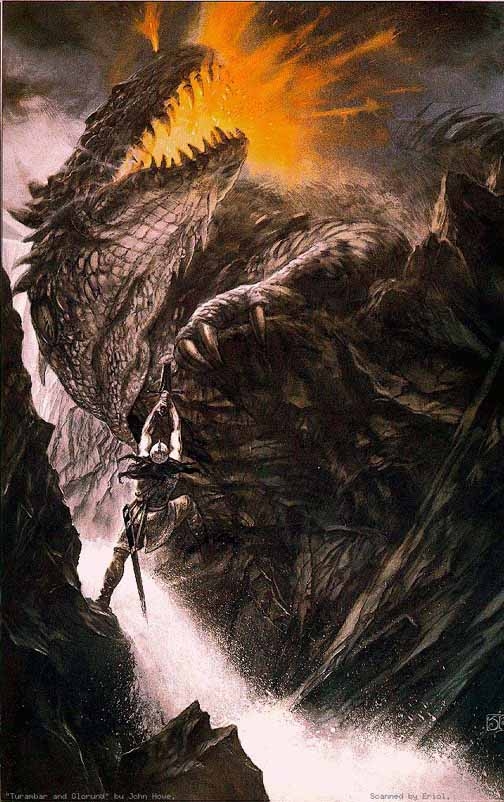
Traditionally, dragons dwelt in caves and the depths of the sea, since it is from there that their power issues.
Like the fairies, as children of the Great Mother, magical animals exist simultaneously in the world and in the otherworld, crossing the threshold between worlds without difficulty.
This is why they are so hard to find: entering our world, they leave it just as easily, leaving a deep imprint on the mind of those who meet them. Each appearance of such beings in our world corresponds to an infusion of chthonic force that prevents excessive ossification and technologization of the world.
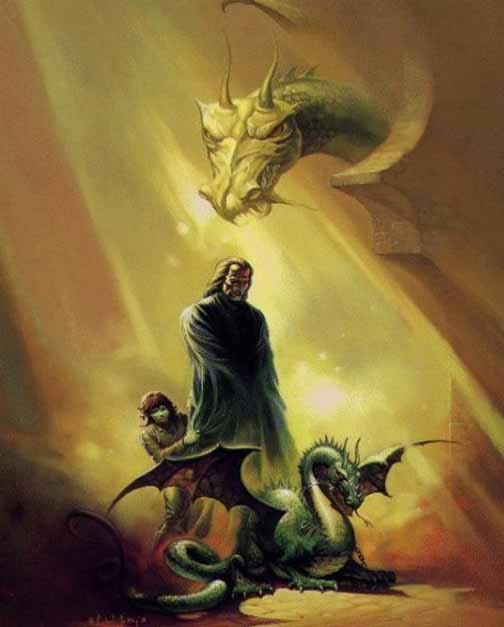
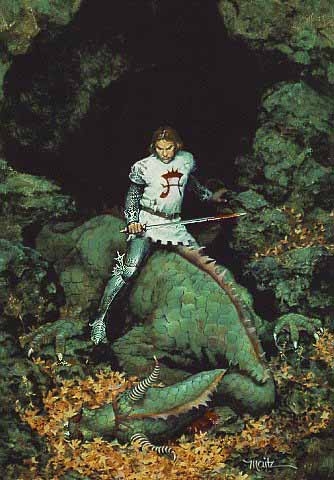
It is thus that Magi who sought to unsettle the world’s order of the worldview strove to engage dragons, and it is why heroes who sought to uphold it fought them.
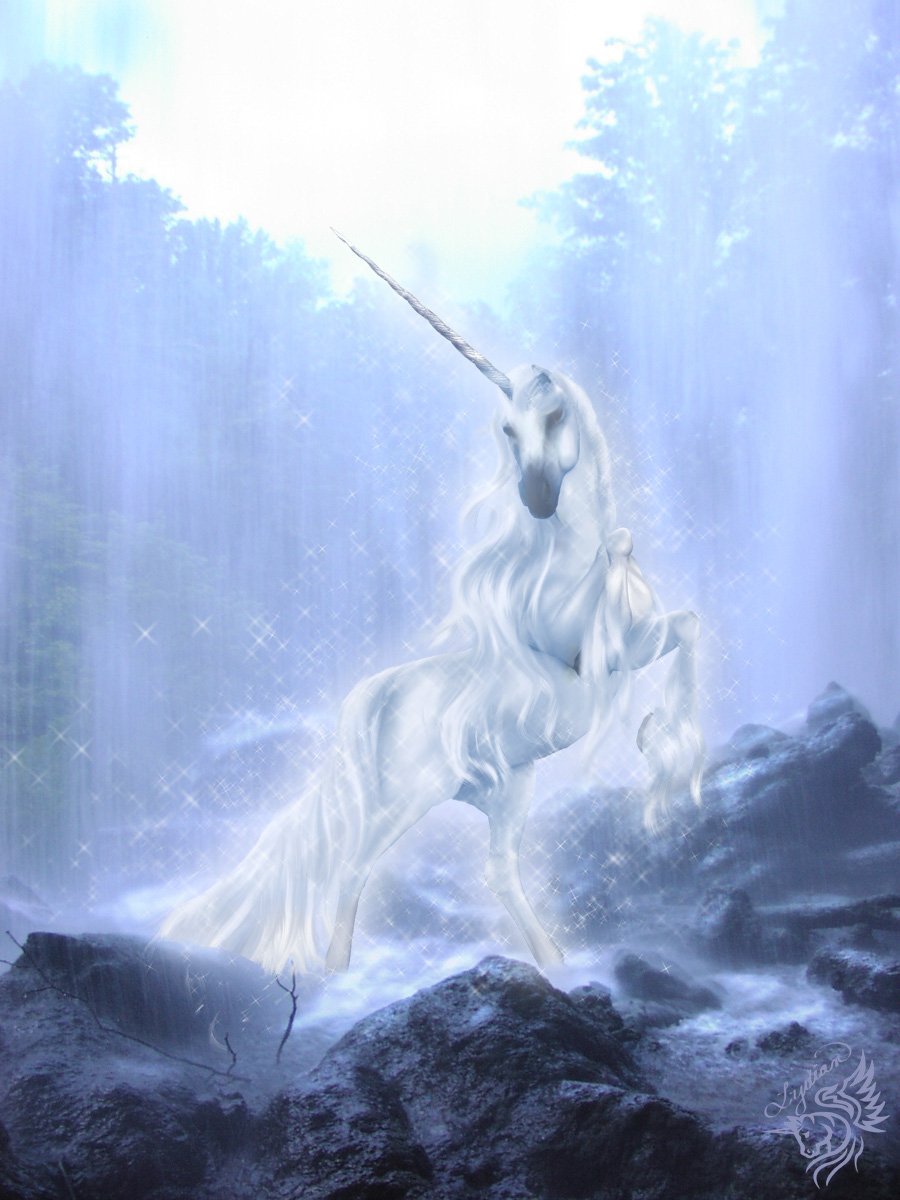
Another common type of magical animal is the Unicorn. These creatures also embody elemental activity, but this activity belongs to the fertilizing element of the earth — its air. If dragons are largely androgynous, unicorns are masculine: they embody a pure masculine energy not yet in contact with the feminine (which is why both male and female virgins can see unicorns). Their energy is less chthonic, yet their wisdom and power are likewise great.
Every encounter of humans and gods with such animals is charged with intense tension, which erupts either into conflict (Thor’s combat with Jörmungandr, Odin’s with Fenrir) or into a transcendence — the human or god mounting the elemental animal (as with Odin on Sleipnir, Ivanushka on the Grey Wolf) — and their joint journey toward some goal.
Thus, magical animals and their lesser analogue — the animals of power, which embody the same aspect in humans that the great animals embody in relation to nature as a whole — are indispensable companions in journeys through the realms of pagan power.
An interesting conclusion; however, I expected the author to list a significantly greater number of magical creatures and their properties, as well as their purposes… For example, the question of the presence of these beings on the coats of arms and flags of ancient families is intriguing… Or, for instance, why is there a griffin on the coat of arms of Crimea? )))