
“Living Buddhas”
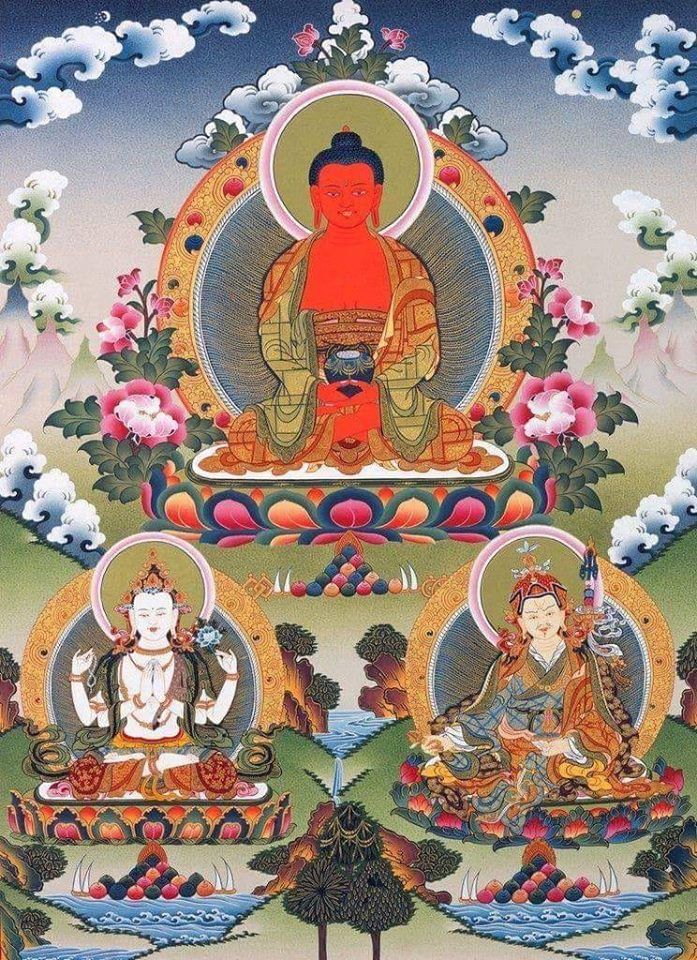
Tibetan Buddhism has developed a unique understanding of the unity of the “Three kayas” – “three bodies” of Enlightened existence. According to this view, the natural, primordial, nondual purity of the Ground of mind/being manifests on three levels — the levels of “being,” “interaction,” and “activity.”
The aspect of the Ground of mind as the apex of existence is the “Dharmakaya,” the “Body of Dharma” (where “Dharma” is a polysemous term similar to Chinese “Tao” — the “natural,” “ideal” world-order arising from pure vision); the aspect of the mind’s capacity for interaction is the “Sambhogakaya,” the “Body of Bliss,” that is, the body of lived experience; and the aspect of action is the “Nirmanakaya,” the “Illusory Body,” that is, the manifested, visible (though without inherent ground) aspect. Because these are indivisible (the “Svabhavikakaya,” the “Body of Fullness”), the correct activation of any one of these aspects leads to a comprehensive enlightening effect on the whole psychosomatic complex of being.
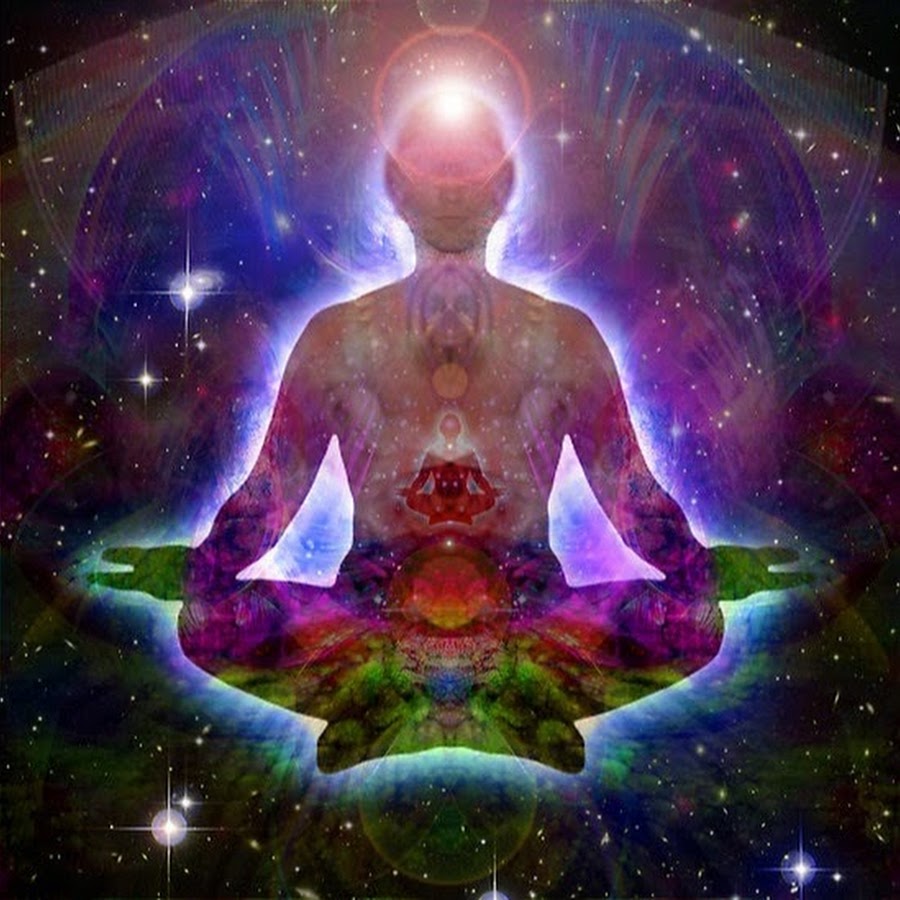
This conception yields a distinctive practical conclusion: the interaction of an “ordinary,” unenlightened being with any Enlightened aspect leads to the holistic transformation of that being. In other words, by studying the Teaching, the Buddha’s Dharma, the practitioner simultaneously perfects both their being and their mind; by meditating on the Ground (the Luminous Emptiness — shunyata) they also develop the interactive and active aspects, and by encountering an embodied Enlightened being they effectively immerse themselves in the teaching and vision.
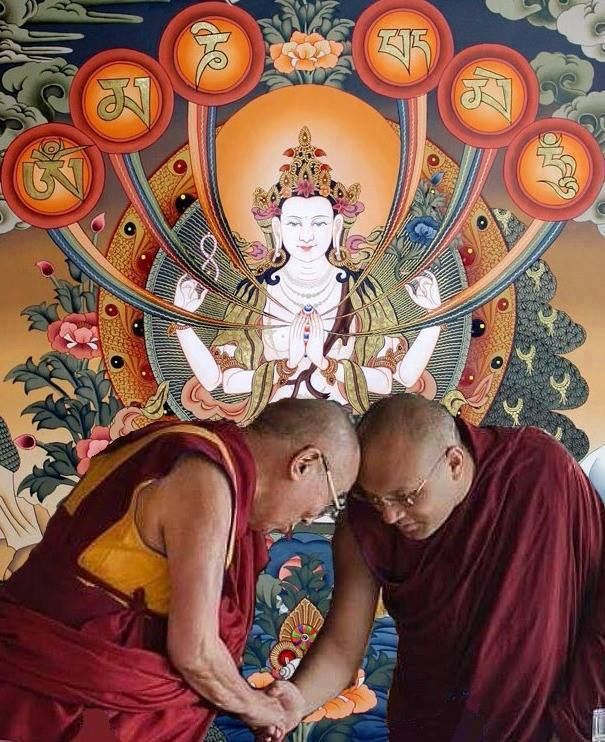
At the same time, just as visualizations of meditative deities (idams) are a means of activating the higher matrices of mind (that is, the level of Sambhogakaya), meeting and interacting with an embodied Enlightened Master activates the Nirmanakaya aspect, which then extends throughout the whole person. This view not only nurtures and deepens the widespread Eastern veneration of Teachers — gurus — as sources and embodiments of the divine for their followers; it is also the basis for the uniquely Tibetan institution of the tulku — chains of rebirth of highly realized Masters. A tulku (the Tibetan variant of the term “Nirmanakaya”) is not merely a reincarnating Master but a Teacher who has consciously chosen the place and time of their next birth, who, incarnating again and again, life after life, quickly regains their high mental functioning and exerts an Enlightening influence on the students and followers around them. Clearly, for such a task to succeed, a tulku child must be recognized as early as possible and properly educated; therefore, in Tibet a method for identification and for the subsequent restoration of the reborn’s level has been developed and successfully applied.
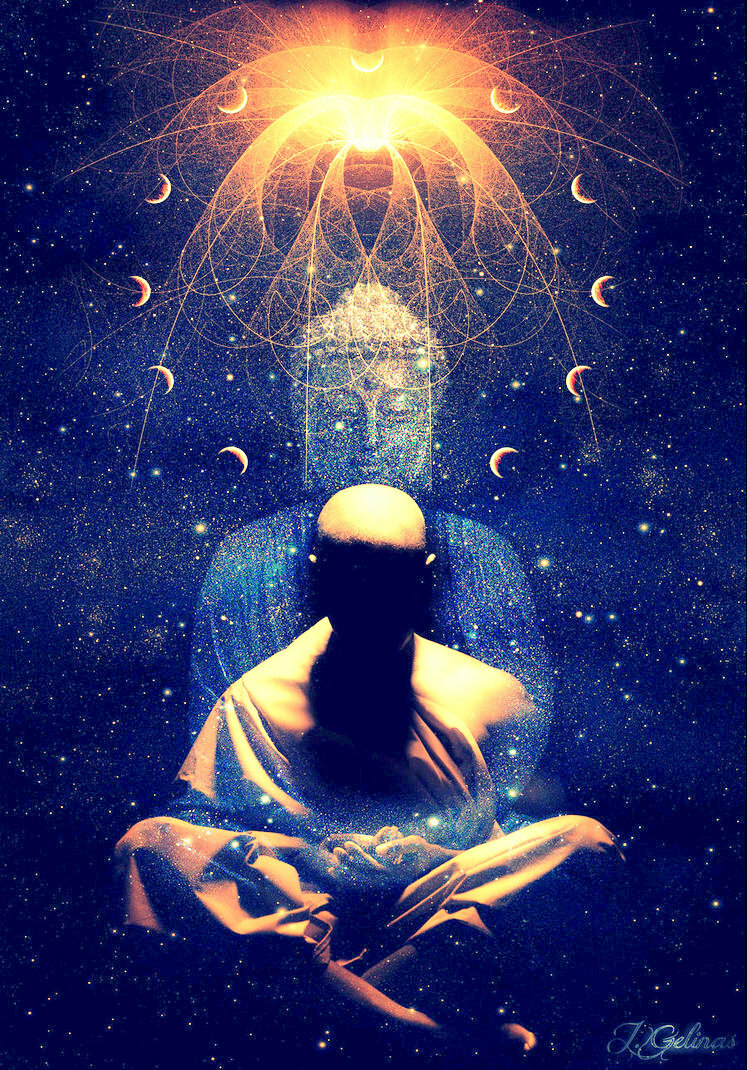
Altogether, more than 600 lineages of rebirth of various Masters — the “Precious” (tib. “Rinpoche”) — have been identified and are maintained; these lines exist at different levels of realization, with conscious incarnations occurring dozens of times in an ostensibly continuous sequence of consciousness. The most significant realization and influence have been achieved by tulku lines such as the Dalai Lamas, Panchen Lamas, and Karmapas, whose early incarnations fully realized particular enlightened matrices and therefore are, in fact, incarnations of superhuman enlightened mind.
It is clear that proper discovery, education, and upbringing of each new incarnation of such beings is important not so much for them as for their students and followers. Even if a tulku child goes unrecognized, they will still gradually restore their Enlightened state on their own; however, it is evident that a child raised in a remote village or mountain valley will not be able to exert the greatest possible enlightening influence on the world and society that they could if brought to a socially significant place — a monastery (in Tibet monasteries are not only places of practice but unique educational centers), where many people can interact with them.
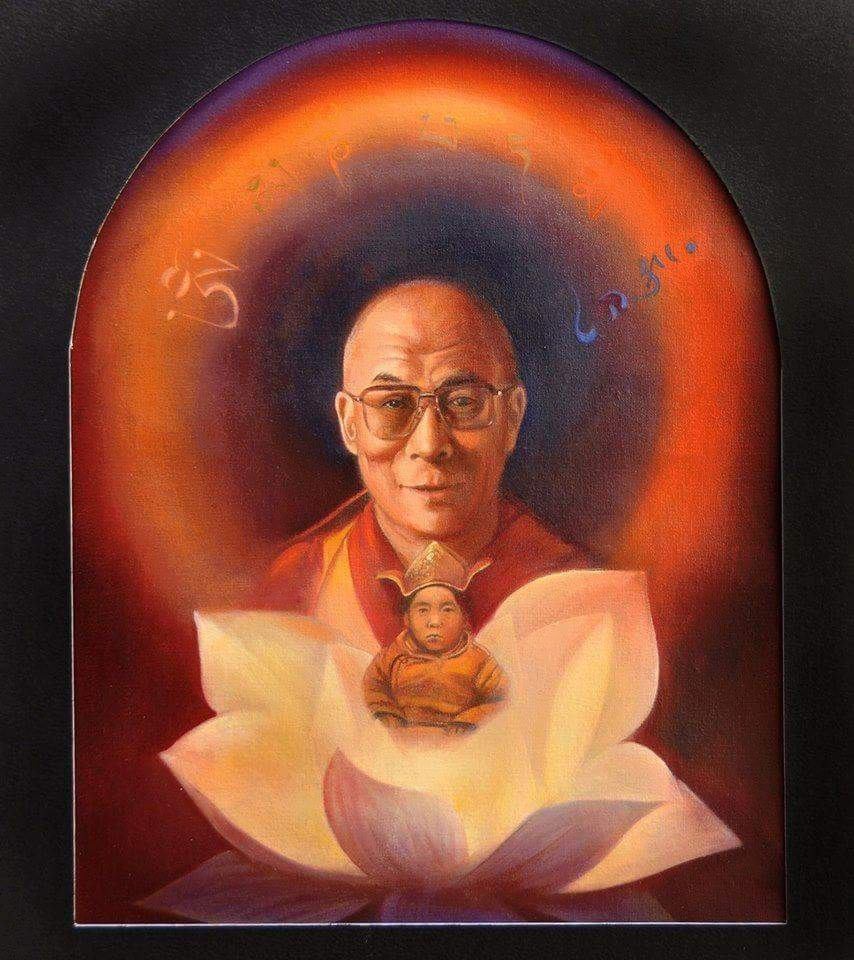
We emphasize again that the devotion of ordinary Tibetans to the tulku is not superstition, nor merely “guru-yoga”; it is a unique path and method of development. One can say without exaggeration that even simple contemplation of such “Living Buddhas” is both meditation and study of the Dharma. Just as focusing attention on the conceptual images of the Enlightened — the “yoga of deities” — develops all aspects of mind, granting it both energy and vision, so too does “guru-yoga” on the Enlightened Nirmanakaya impart to the mind a significant evolutionary, purifying, and Enlightening impulse.
Thus, the institution of “Living Buddhas” is a unique method of development, suitable for perfecting minds at widely varying levels — from the unprepared to the highly developed — and it influences a wide range of psychological and energetic states. To underestimate the significance of the presence of such beings in our world is to deprive oneself of the chance for constructive interaction with highly effective and accessible transformational currents capable of providing substantial assistance in the development of both individuals and the world as a whole.
Leave a Reply