Structure of the Dodecener
Unlike the Septener and the Enneada, which exist largely independently of the median Kvaterner, the Dodecener only makes sense through the manifestation of a particular Kvaterner.
In other words, if the Planetary Principles and the principles of the ninefold nature of worlds (and the Great Gods) are independent cosmic principles, then the Zodiacal principle has no meaning apart from its influence on our world.
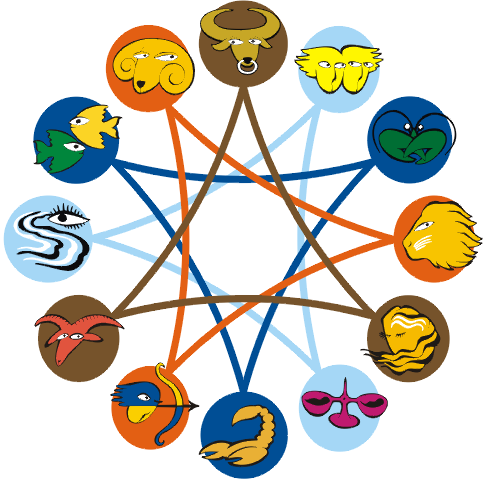
Accordingly, the dodecade effectively reduces to a kvaterner in which each element is a terner.
This is precisely what the division of the Zodiac into elements symbolizes (that is, the distinction between Fire, Air, Water, and Earth signs).
The same is reflected in the Poetic Edda’s account of the twelve Aesir of Asgard, who likewise form four distinct groups: the Aesir of Air (Mobility: Odin, Vidar and Vali), the Aesir of Fire (Strife: Thor, Tyr, Ullr), the Aesir of Water (Depths: Heimdall, Hoenir, Bragi), and the Aesir of Earth (Equilibrium: Baldr, Forseti and Hod).
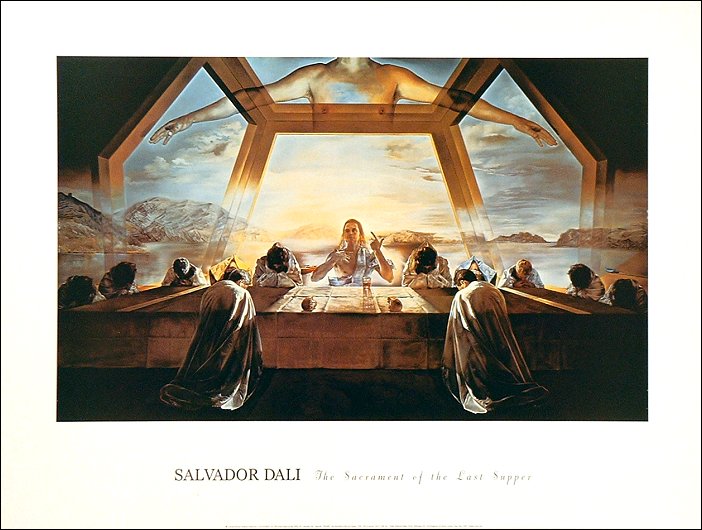
Similarly, the need for an element influenced by the Dodecener is also clear in mythological systems: it is clear that receiving zodiacal energies requires Earth, the twelve Apostles would mean nothing without Christ, and the twelve Aesir would become tyrants without Loki…
I subscribed to your feed. Interesting