
The Gods of the Slavs
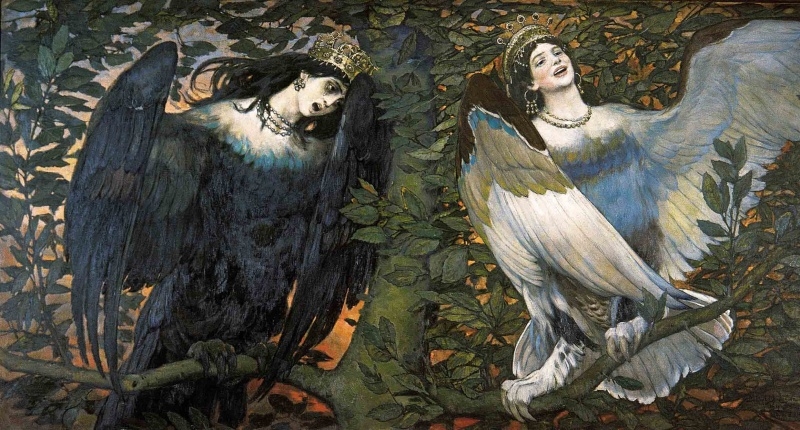
It is clear that the transition from a clan-tribal organization to a state required the unification that monotheistic religion provided: it treated people as equal while also restricting expressing individuality. Conceptions of the Pravi (the Right Way, where each follows their own trail within the single great Flow) gave way to the notion of a “norm” — a common law binding on everyone regardless of individual nature. Direct communion with deities, choosing a patron deity and even challenging the gods — natural to a pagan worldview — yielded to the mechanism of the monotheistic social institution: the church.
However, paganism, as the Way of Freedom, remains attractive to the open mind even today.
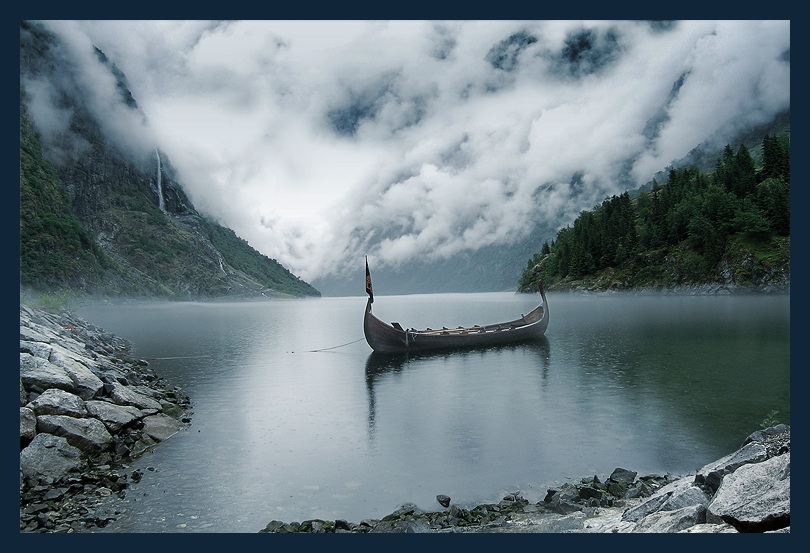
Modern descriptions of the pagan Slavic worldview are very diverse. Different schools advance different ideas about the origins and kinship relations of Slavic mythology. Two perspectives stand out — the Indo-Aryan and the pro-Norman. The former begins by classifying the Slavs among the Indo-Aryan peoples; since the only peoples among them who did not adopt foreign religions are the people of India, this leads (either by logical inference or by the authors’ personal sympathies) to searching for parallels between the sparse Slavic sources and the rich, varied myths of India. The latter view holds that, at the moment statehood was forming in Kievan Rus’, the warrior aristocracy was composed of Scandinavians who could have brought their own beliefs, and that the nascent religion became a blend of Slavic folk beliefs and ideas introduced by the Normans.
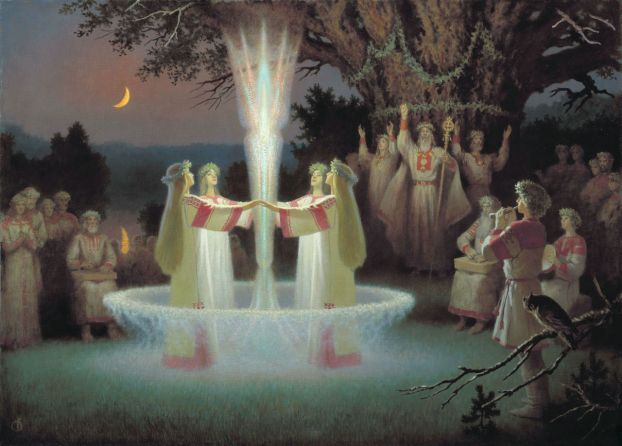
Let’s leave debates about the correctness of one view or another to professional historians and instead observe that, like any pagan religion, Slavic beliefs were extremely heterogeneous, varying greatly from tribe to tribe. Alongside a small number of pan-tribal gods (who could change their names and sometimes their functions), each tribe venerated numerous local deities belonging to different hierarchies and fulfilling different roles. As mentioned, it is precisely the diversity of perspectives and experiences that constitutes the valuable part of a pagan religion, since each such view of a deity allows a better understanding of the scope of its activity and character. It is the unity hidden behind diversity — a multicolored unity (for the many gods reflect the diversity of people, recognition of individual and tribal identities) — that forms the essential value of the pagan spirit.
Therefore, the variety of conceptions about the pantheon, and ultimately even the question of their affinity with Indian or Scandinavian gods, is natural and does not require a single answer. Whether we regard Perun and Indra as names of the same god, or see Perun and Thor as different faces of that god, both views are valid. Whether we identify Veles with Odin or Heimdall, or with Vishnu or Hanuman, these identifications can be valid, each in its own way.
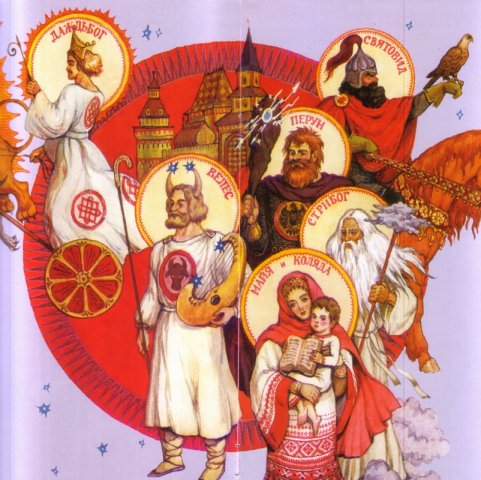
Once we agree on how we understand the gods, we remove the basis for disputes and quarrels. Contradictions enrich the world’s picture, provided they do not lead to conflict.
Therefore, without claiming absolute truth or universality, consider the Ennead of Slavic gods as it was understood in the Slavic lands by the 9th century. Scandinavian princes imparted a Norse spirit to Novgorodian mythology, so here (and below) we will adhere to the view of a fundamental kinship between the beliefs of the northern Slavs and Scandinavians, while understanding that beliefs may have differed in other regions.
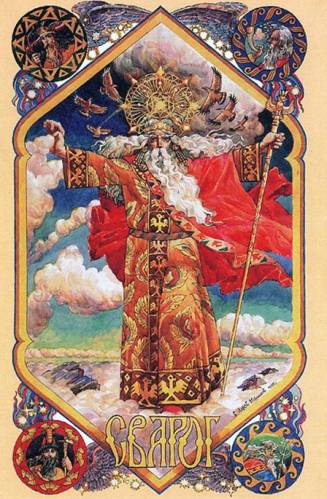
1. Svarog – Father of the gods, Lord of the Primal Fire, who forged from it the Laws of Pravi;
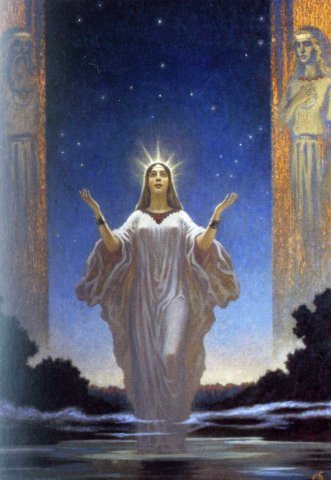
2. Lada – the Most Radiant Mother of the gods, who embodies universal love;
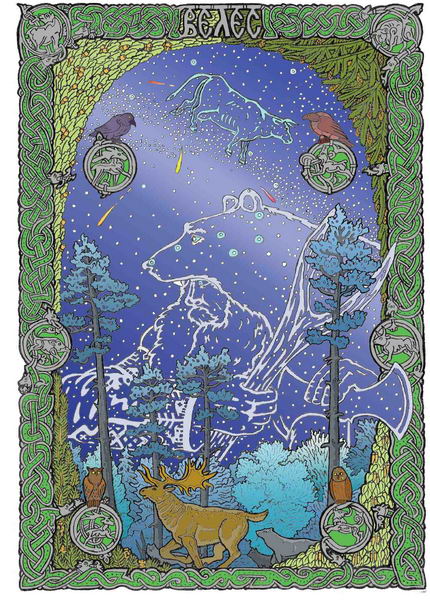
3. Veles – Keeper of the Threshold, god of life and thresholds;
4. Semargl — fire-god, firstborn Svarozhich — god of the gates, who ensures power exchange between worlds, keeper of all seeds, the god-renewer;
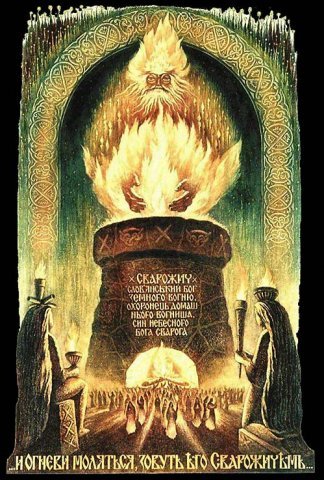
5. Perun the Thunderer – guardian of cosmic order, the Supreme Warrior;
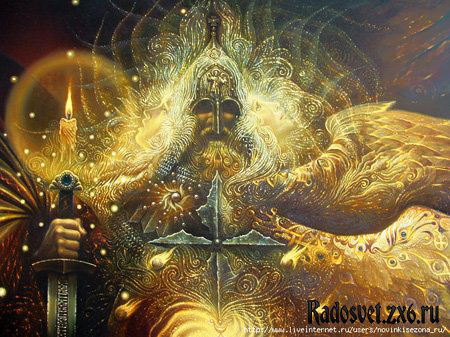
6. Dazhbog – life-giving aspect of the sun, god of life’s processes;
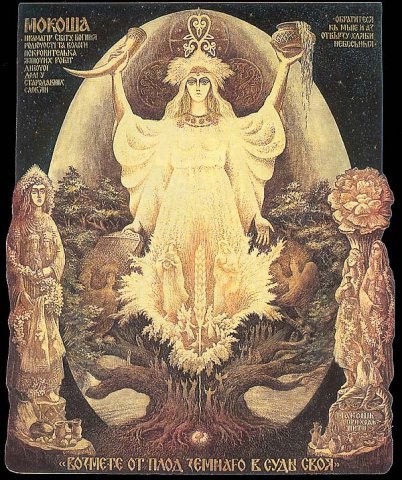
7. Mokosh – goddess of fate, life-giving aspect of the earth;
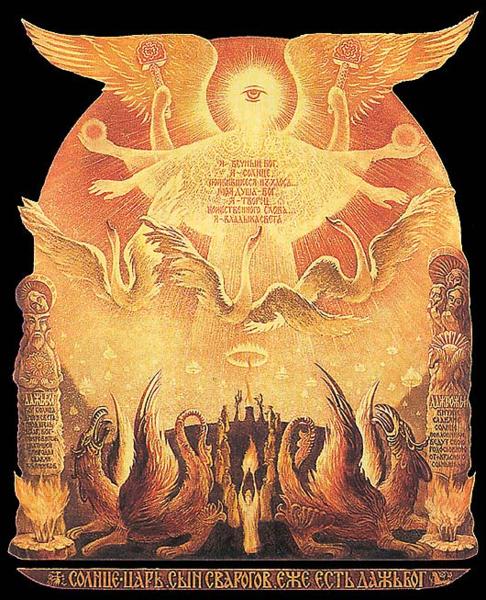
8. Hors – god of justice, the fiery, wrathful aspect of the sun
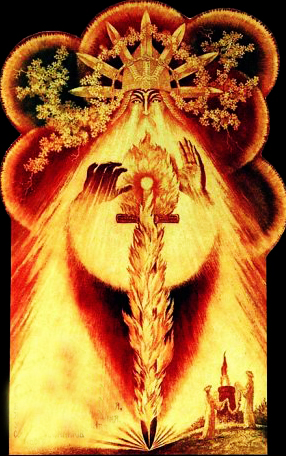
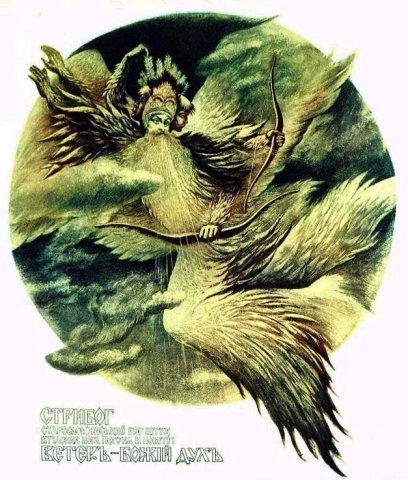
9. Stribog – god of the sky and heavenly depths, god of the winds, grandfather of winds.
Besides the Supreme Nine, other gods played a significant role, for example: Yarilo – god of the spring sun, of irrepressible vitality and fertilizing power; Kolada – god of the winter solstice, of the Sun’s rebirth and also associated with wisdom, as wisdom was believed to come from the otherworld; Kupala – god of earthly vitality; Zhiva – goddess of life; Morena – lady of the dead; and others.
Sorry, but Semargl is not the god of fire; the gate is. The god of fire among the Slavs was Svarozhich. Overall, you have a wonderful site, I read with pleasure!!!
🙂 Perhaps we are talking about different traditions… Semargl and Svarozhich are indeed the same, being the Primordial, since Svarozhich simply means – the Son of Svarog…
Semargl is indeed not the god of “earthly fire”; his association with fire indicates a function of the Guardian, and the Fire of Semargl is the Fire of sacrifices that unites Worlds.
And thank you for the compliment 🙂
Perhaps…
One of the purposes of a person is to study his roots and preserve his traditions. Our ancestors followed this sacredly. Defining one’s life purpose, calling, mission – was also mandatory for every person in Slavic Vedic society.
Hello. I want to translate male archetypes (according to Jung) from the standard Greek gods to our Native Slavic ones. If you are interested, can you share what you think about the correspondence of the Greek pantheon to the Slavic?
Hello! I believe it is impossible to establish an exact correspondence, as the worldviews of the peoples differ, and thus their perceptions of Engines are also different. Even in the relatively ‘homogeneous’ image of the Thunderer across cultures, I believe there are significant differences in perceiving him as Zeus and as Perun. It seems to me that in the endeavor you propose, it would be more correct not to ‘translate’ archetypes from Greek to Slavic, but to establish them anew, based not on images of gods but on the archetypes themselves.
Good day!
I would like to know more about Slavic gods, based on your knowledge.