
Why Doubt Matters?

The common view portrays the Magi as people with rigid beliefs and outdated opinions. Unfortunately, one must admit that among those who call themselves “magi,” there are indeed many like that. Yet the very spirit of Magic — the spirit of inquiry, the spirit of the warrior — teaches precisely the opposite: adaptability and open-mindedness.
Indeed, to the Magi by their very nature, it should be obvious how varied and at times unpredictable the world is. It is clear to them that the world does not consist of objects but of forces and their interactions. Therefore, one of the states a Magus should cultivate in themselves is a healthy doubt. A Magus should not be completely certain of anything, except their own powers. One must understand that the world is merely a product of our descriptions and that by changing the description one can change the picture that we perceive as objective reality.
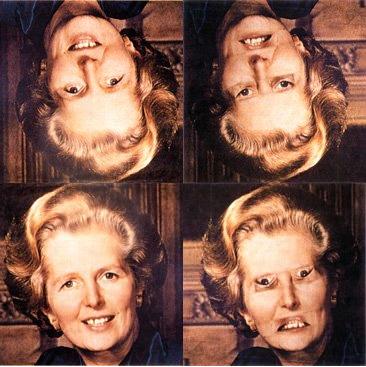
Undoubtedly, as a safeguard of sobriety, the Magus runs the risk of getting lost in the tangle of forces, mistaking a wrong path for a right one and inappropriate influences for suitable ones. It is precisely doubt that should distinguish the Magus from a religious fanatic; doubt transforms an “occultist” into a Magus.
However, doubt does not mean a “presumption of guilt.” It only means that everything one intends to trust must be rigorously tested through the lens of one’s experience and knowledge, and only after that judged worthy or unworthy of trust. At the same time, the Magus must be prepared to acknowledge their mistakes when necessary and to abandon previously held ideas when they no longer fit a system that evolves with accumulated experience.
Leave a Reply